Starting with watercolor feels magical, but it can also feel confusing when the results do not match what you imagine.
In her guide, Makoccino shares her struggles and the lessons she learned after years of painting.
According to her, there are ten things that every watercolor beginner should know earlier. In this article, you will explore her advice so you can avoid the same mistakes.
#1. Understanding Warm and Cool Colors
Color mixing looks simple at first, but it’s not always straightforward.
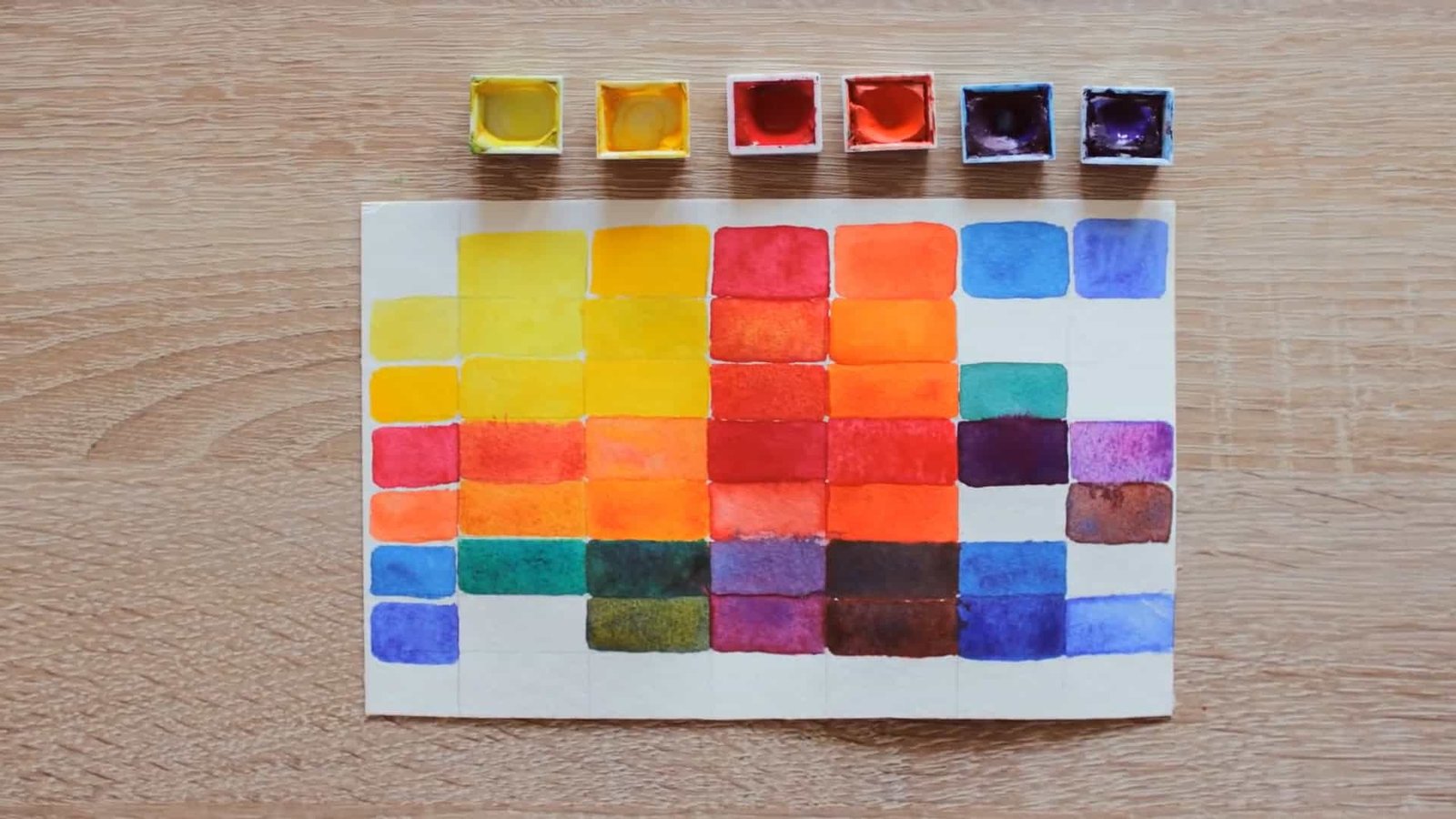
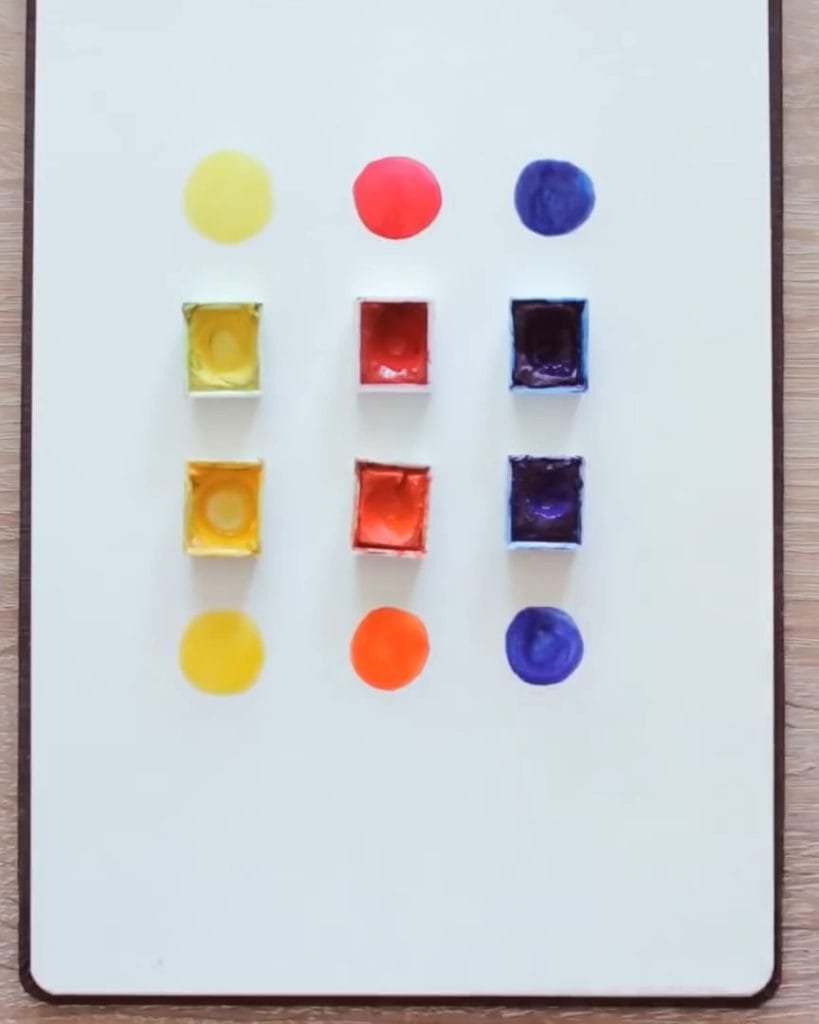
Makoccino explains that every primary color: red, blue, and yellow, comes in both warm and cool versions. When you mix the wrong pair, you may get muddy shades instead of bright ones.
For example, some reds lean toward orange, while others lean toward purple. The same goes for blue and yellow.
Knowing the tip early helps you mix vibrant purples, oranges, and greens.
#2. Reading the Watercolor Paint Labels Carefully
Paint labels can seem unimportant at the beginning, but they hold valuable details.
According to Makoccino, watercolor paints come with information that explains how they behave. Understanding the traits saves you time and frustration.
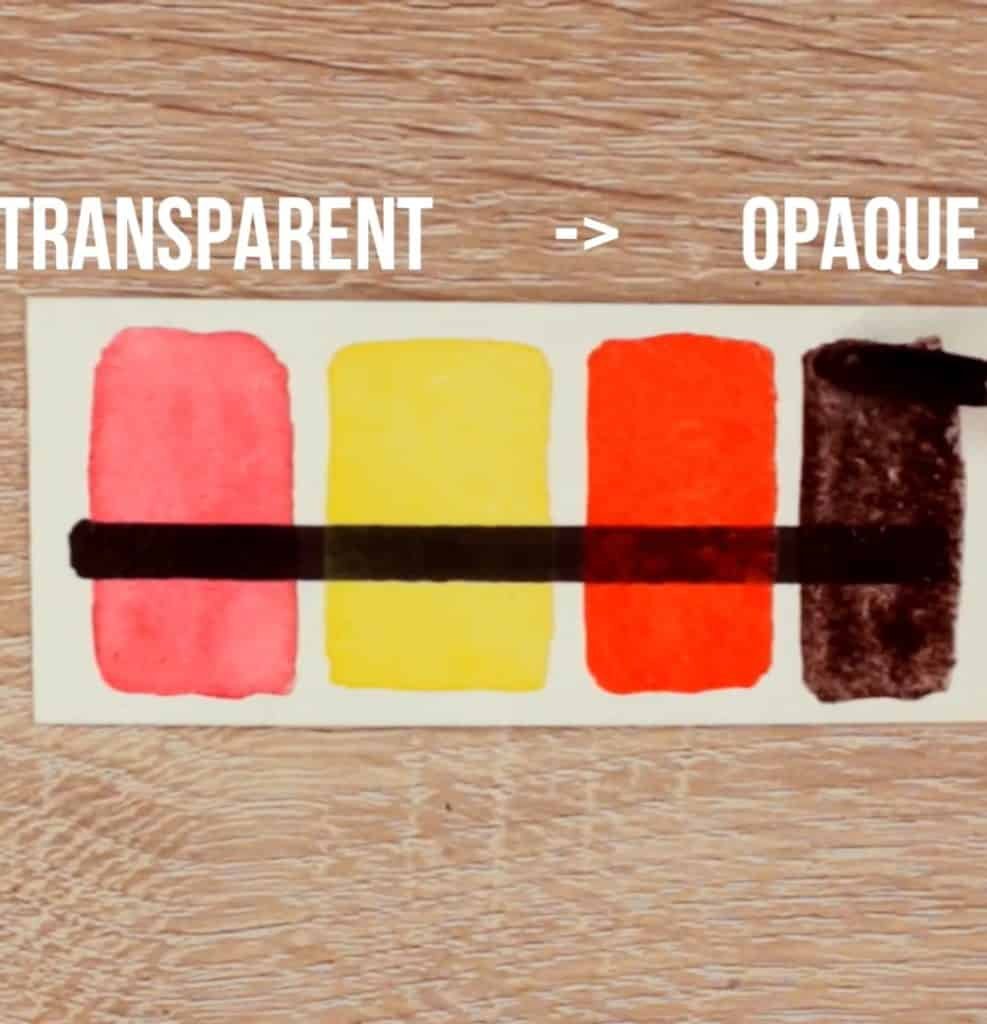
Transparency vs. Opacity
Some paints are transparent, while others are opaque. Transparent colors shine in glazing and layering. Opaque colors appear duller and may cover details more quickly.
Knowing the trick helps you plan your techniques.
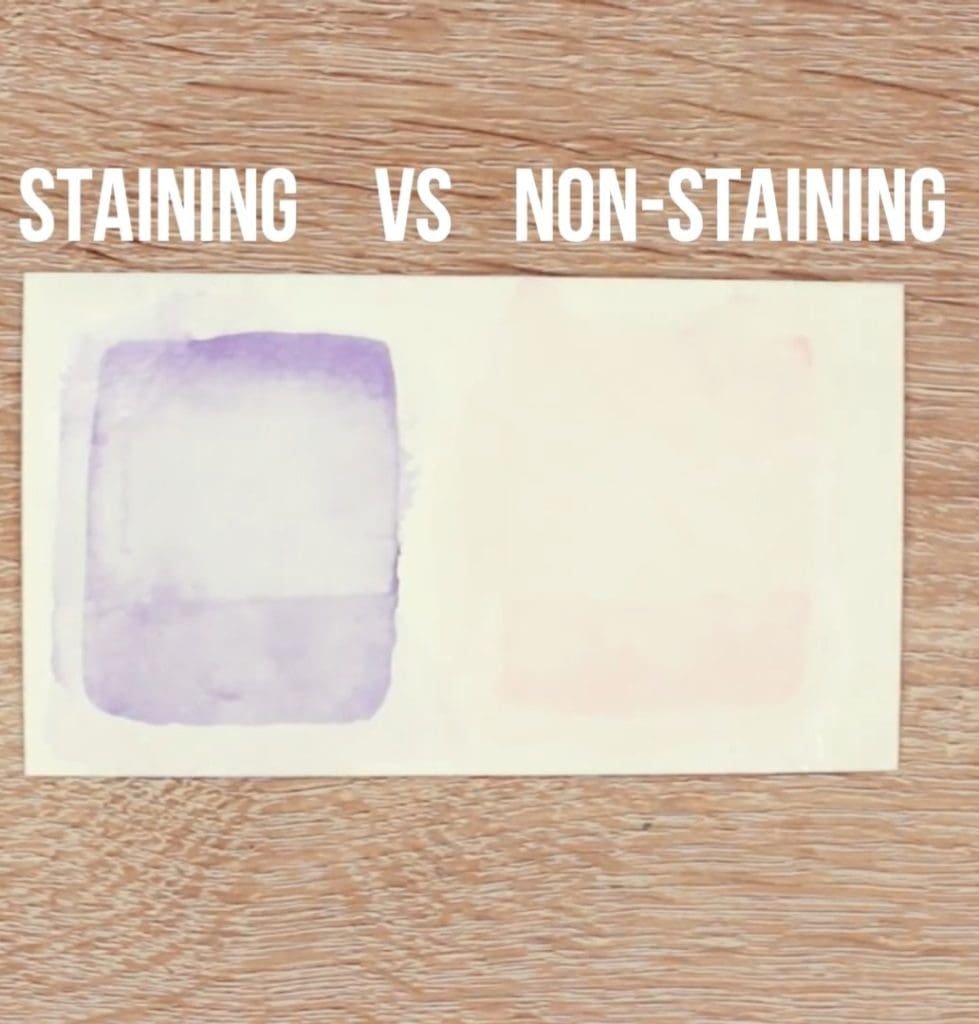
Staining vs. Non-Staining Paints
Another key label detail is staining. Staining colors sink deep into the paper, making them harder to lift once dry. Non-staining paints stay on the surface, so you can lift pigment or create textured effects.
Knowing the difference helps when you want more control over corrections.
Granulating Paints
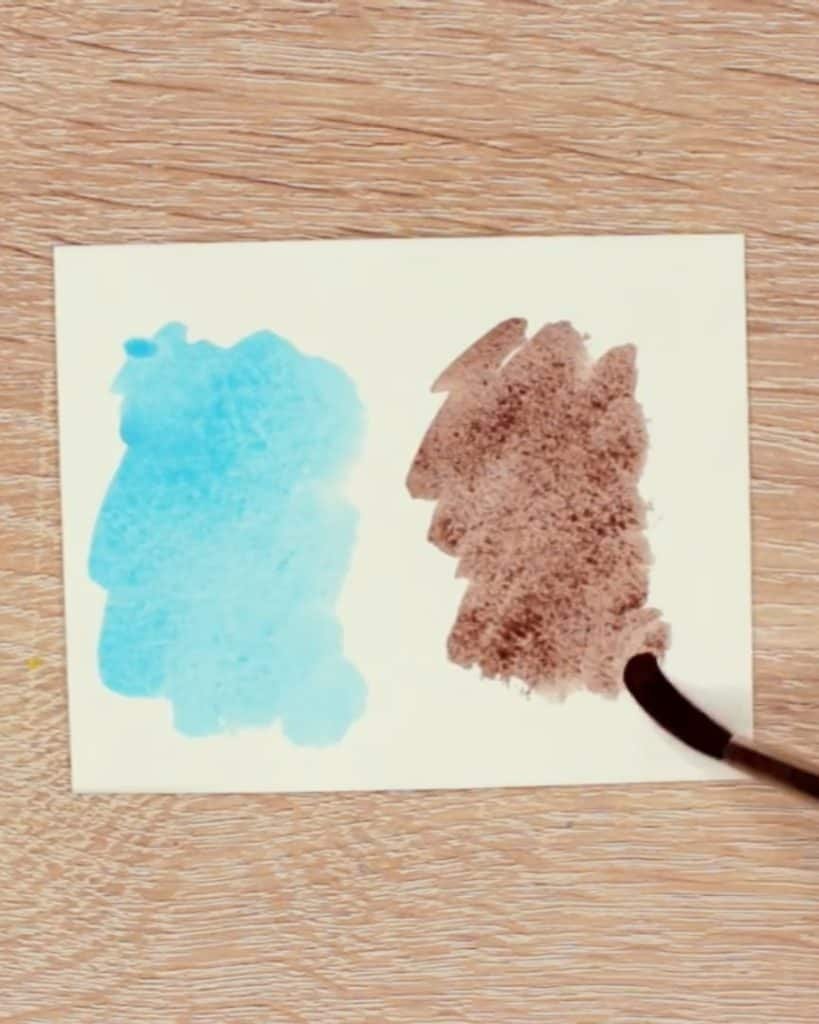
Granulating paints look unusual at first. They contain pigments that settle into the paper’s texture, creating a speckled effect.
Makoccino admits she once thought it meant her paints were bad quality. The fact is that many professionals use granulation for landscapes or textures.
Lightfastness Matters
Lightfastness refers to how well a color resists fading when exposed to light. Poor lightfastness means your painting can lose vibrancy over time.
If you want your art to last, always check the lightfastness rating before buying paints.
#3. Knowing the Drying Stages of Watercolor
Watercolor doesn’t just switch from wet to dry. There are stages in between.
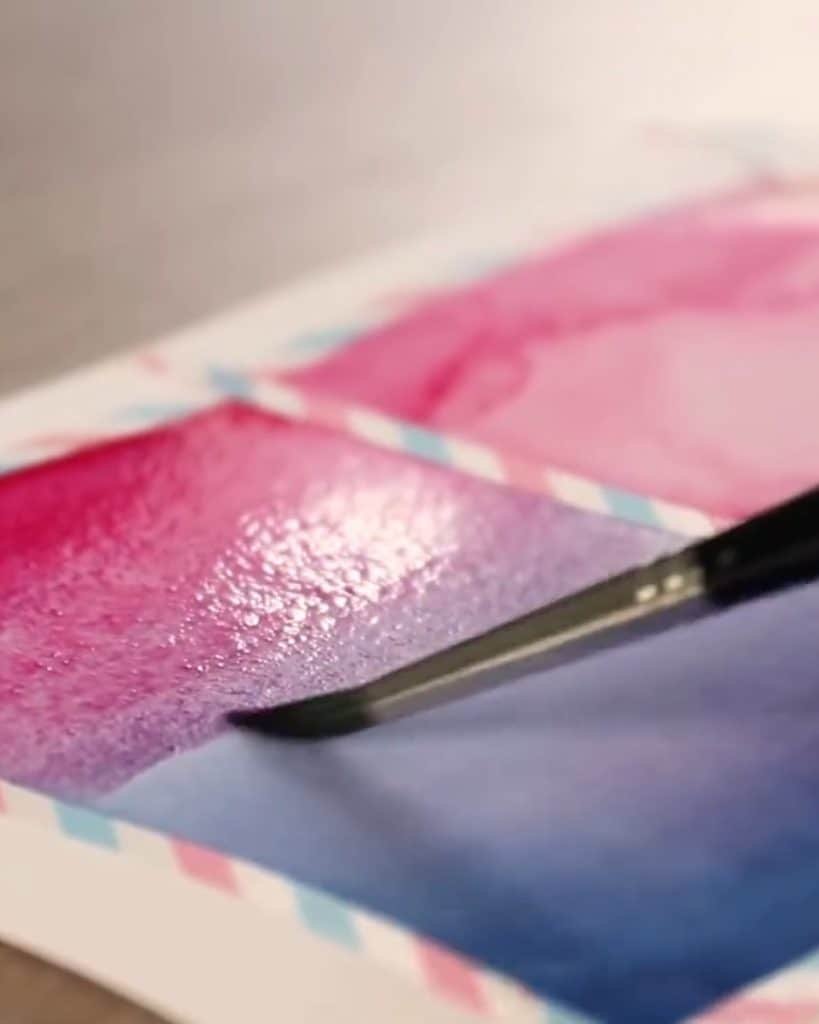
Makoccino explains that during drying, paint gradually changes. If you add wet paint to an area that is only half-dry, you may create blooms or cauliflower textures. These backruns happen when wet paint pushes into semi-dry areas.
The solution is either to work quickly while the paper is fully wet or wait until it is completely dry before layering again. Understanding drying stages makes blending and gradients smoother.
#4. The Importance of Watercolor Paper
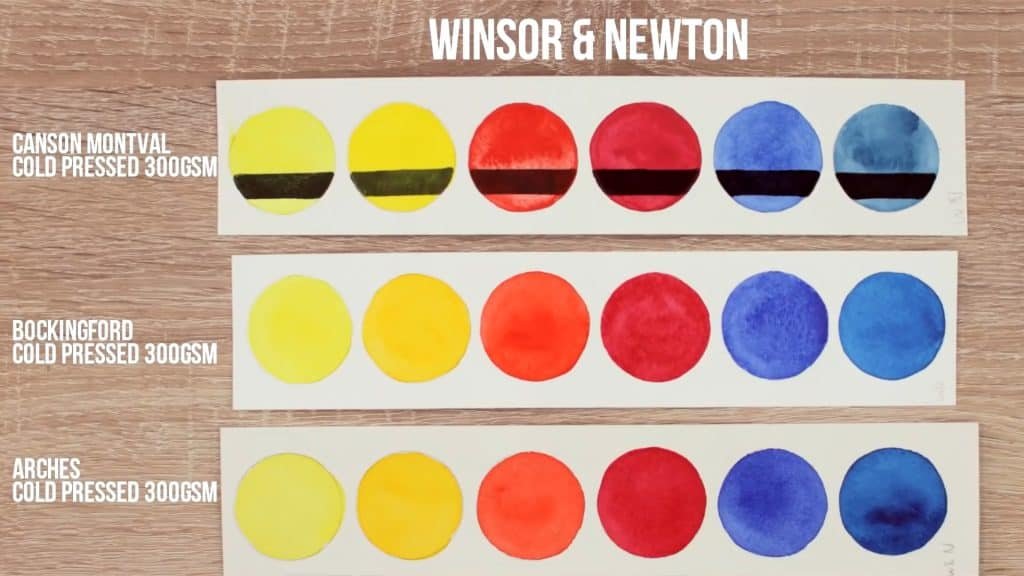
Not all watercolor paper is equal. In fact, it can make or break your painting.
At first, Makoccino thought any paper labeled “watercolor” would work. She later discovered that poor-quality paper creates streaks, patchy washes, and dull results.
A good paper absorbs water evenly and helps colors stay bright. In many cases, the paper quality impacts the painting even more than the paint itself.
#5. Working in Layers
One of watercolor’s strengths is layering. Makoccino emphasizes that layering allows you to control values, from light washes to deep tones.
It also makes techniques like negative painting possible, where lighter areas are preserved by painting around them.
Layering builds depth and gives you the flexibility to adjust parts of a painting without starting over. Mastering this concept transforms flat images into dynamic works.
#6. Choosing the Right Brush Sizes
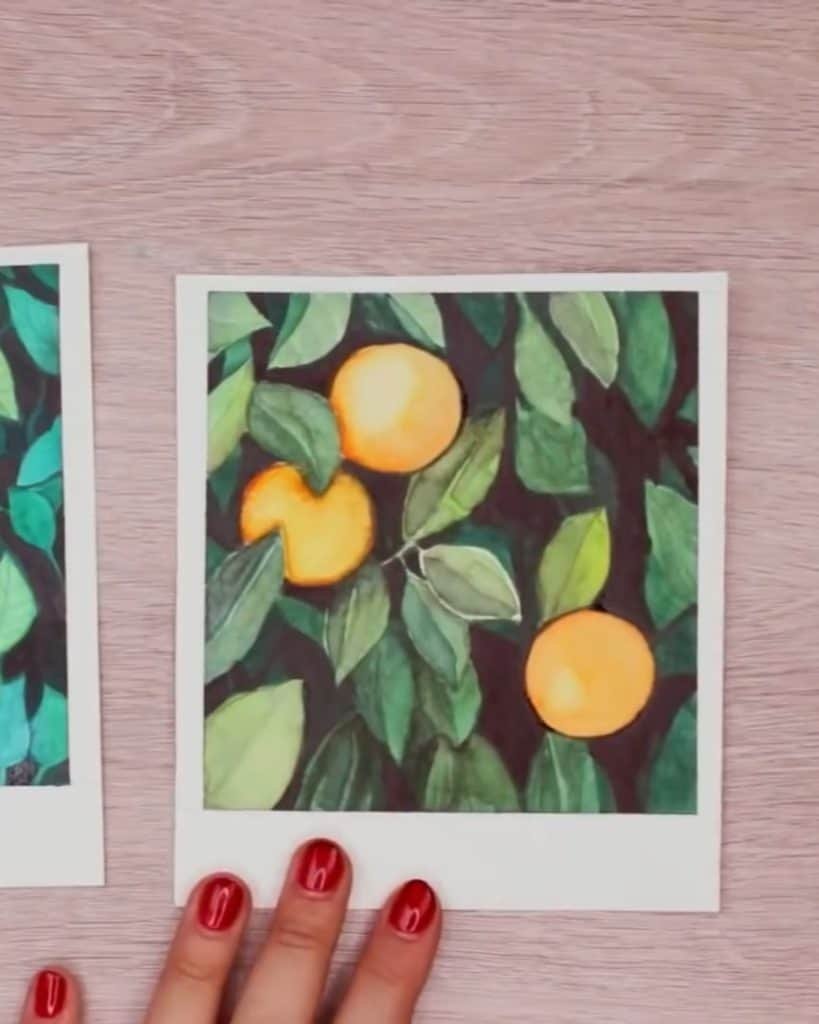
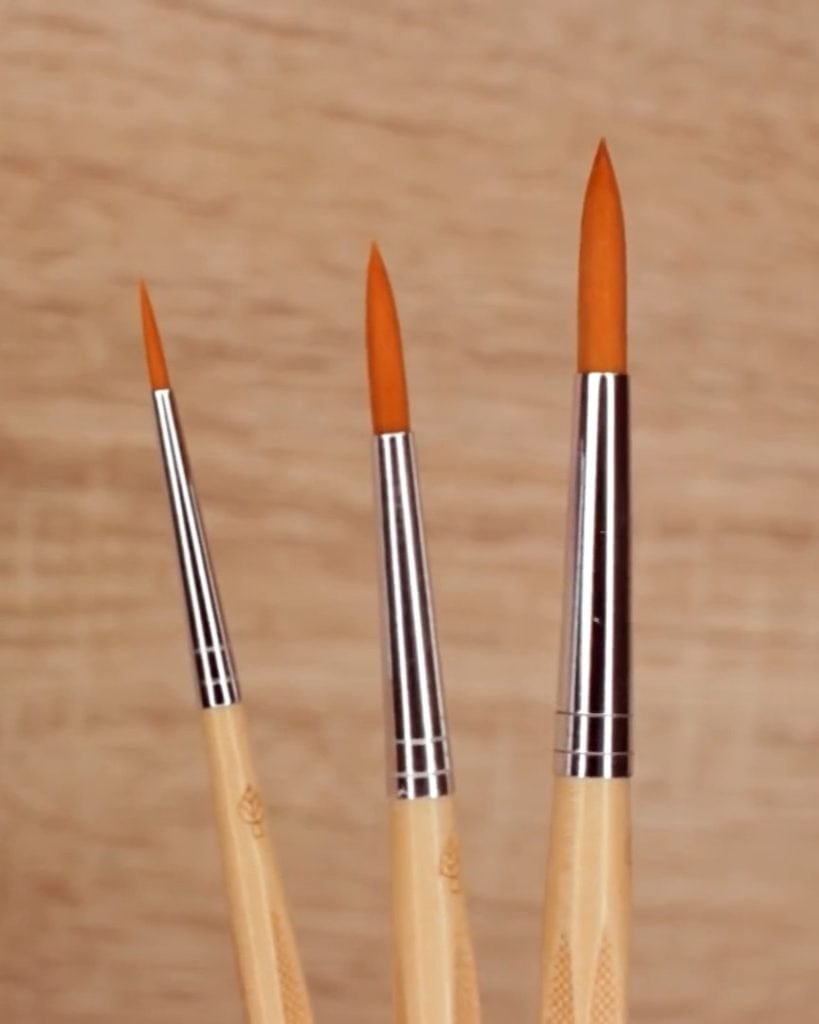
Brush size affects how you handle a painting. At first, Makoccino bought a set of brushes that were almost the same size.
She quickly discovered how difficult it was to cover large areas with small brushes. Bigger brushes hold more water and paint, making washes easier.
Switching between small and large brushes depending on the task saves time and improves results.
#7. Investing in Better Brushes
Here, she points out one of her biggest discoveries: not all brushes are equal.
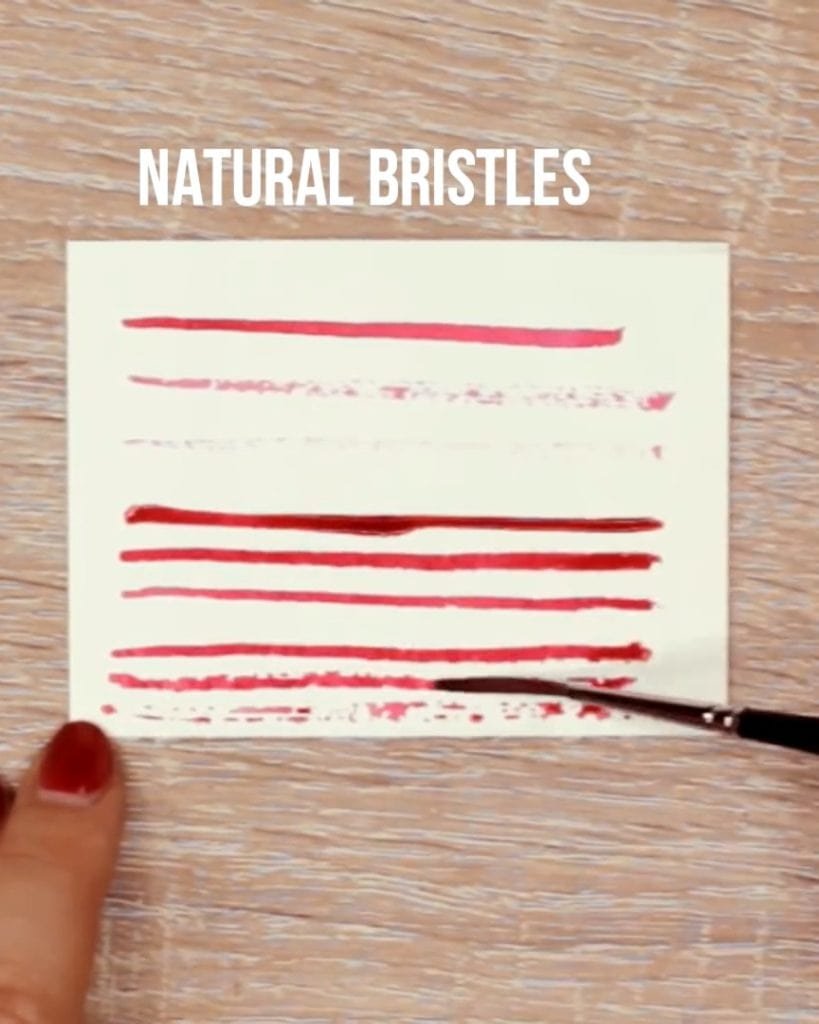
Natural hair brushes hold more water and pigment than cheap synthetic ones. Makoccino used to struggle with tiny synthetic brushes, dipping them in paint every few seconds.
After receiving a high-quality brush as a gift, she noticed how much easier painting became.
That does not mean synthetic brushes are bad. Makoccino still uses them, especially for small details. But for large washes or long strokes, natural brushes or high-quality synthetics designed to mimic them make a huge difference.
#8. Using Two Jars of Water
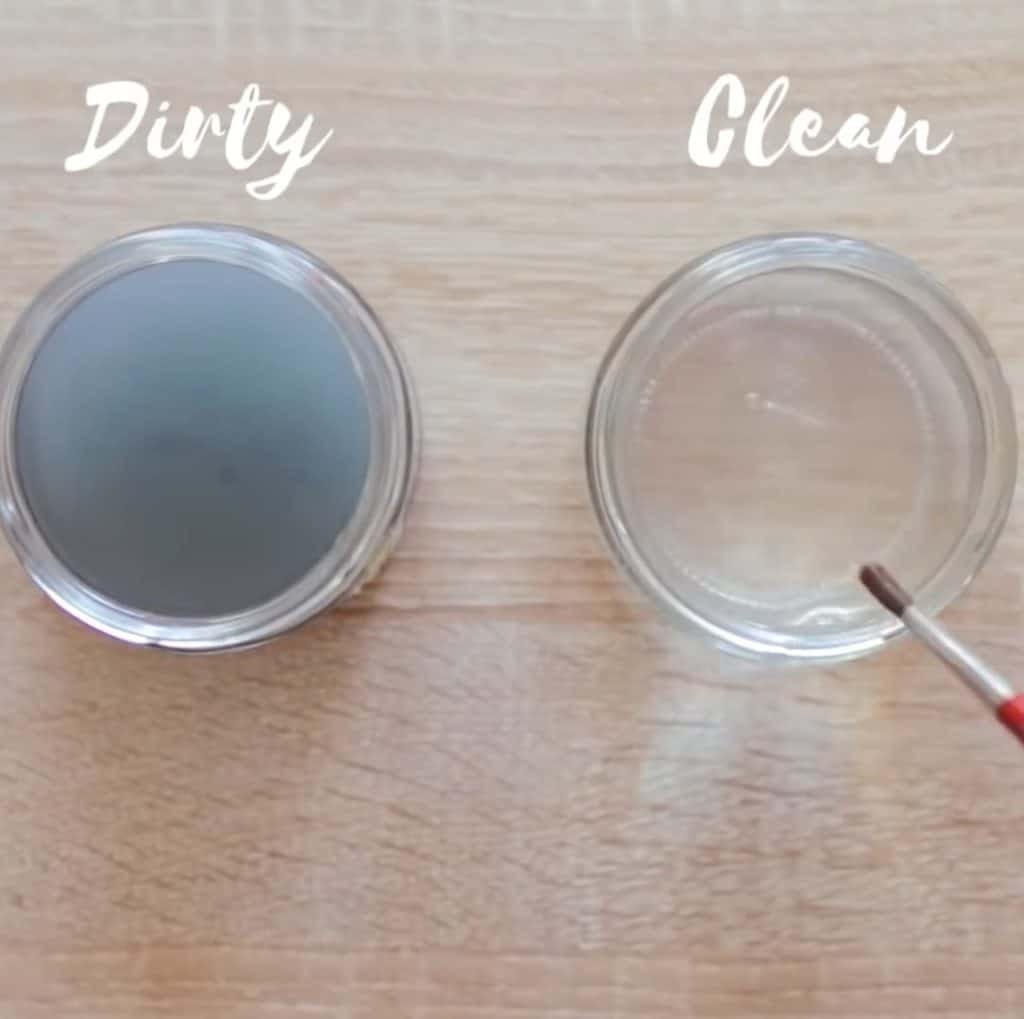
Something as simple as water can affect your results. Makoccino struggled with dirty colors, especially when painting with yellow. Using only one jar meant that pigments contaminated her clean water quickly.
The solution was using two jars: one for rinsing brushes and another for picking up clean water.
This small change keeps colors pure and reduces accidental muddy mixes.
#9. Switching to a Porcelain Palette
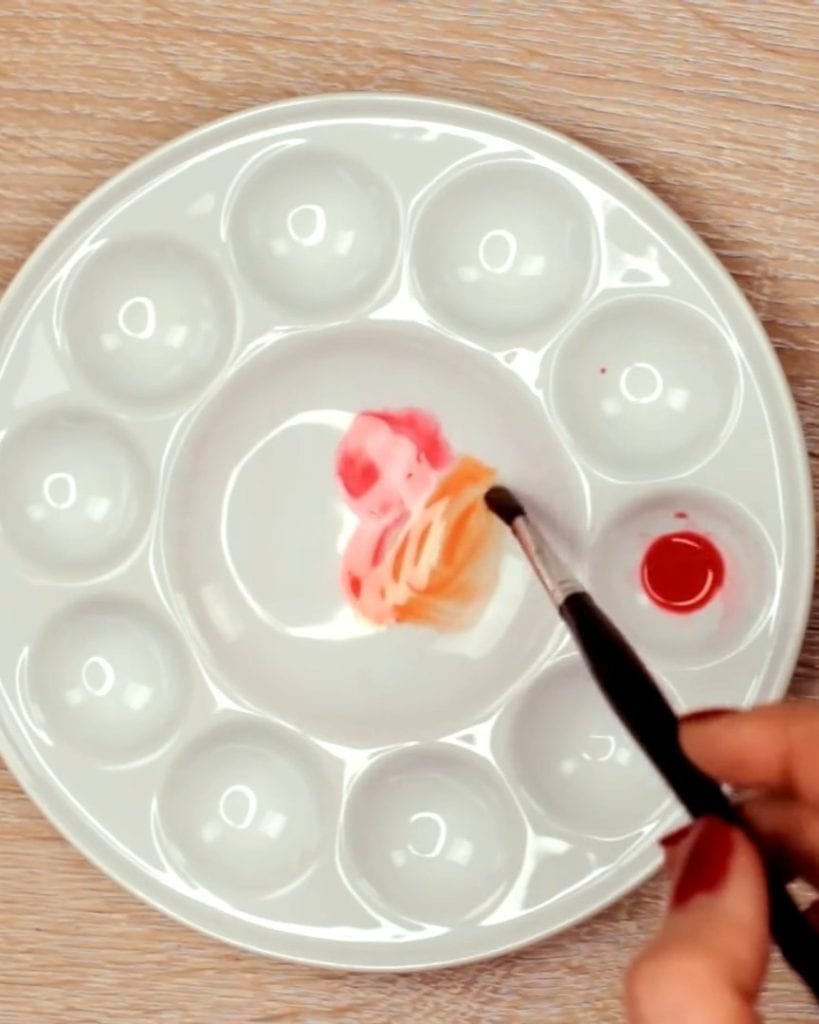
The type of mixing palette also affects your workflow. Plastic palettes often cause water and paint to bead up, making it hard to mix.
According to Makoccino, porcelain palettes solve this issue by holding paint in smooth puddles. Colors stay in place, blend more evenly, and remain easier to control.
While you can roughen plastic with sandpaper or toothpaste, porcelain is the better long-term choice.
#10. Quality Over Quantity in Supplies
When starting out, it’s tempting to buy many cheap supplies. Makoccino admits she once believed more colors and tools meant better results.
Over time, she learned that quality matters more than quantity. A few high-quality paints and papers can achieve more than dozens of low-quality ones.
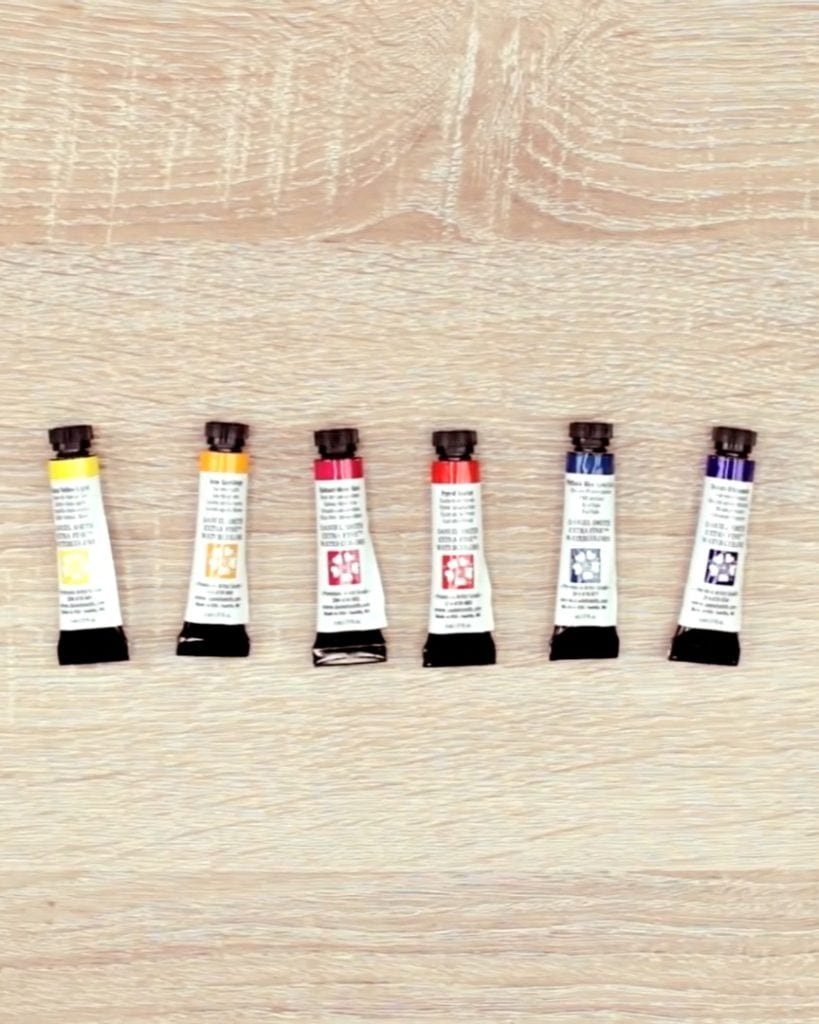
She suggests beginning with basic colors of good quality and mixing new shades as needed. Over time, you can expand your collection without wasting money on supplies that only frustrate you.
Wrapping Up
Watercolor struggles often come from a lack of knowledge rather than a lack of talent. Makoccino shares ten lessons to save you time and frustration.
Each point helps you grow faster. Which tip will you try first? Apply them in your next painting and notice how much smoother the process becomes.