
Are you looking for a fun way to bring more color and excitement to your watercolor paintings?
As Kate Miles Art often shows, even simple techniques can make your artwork feel more vibrant and full of life.
Today, Kate Miles Art is excited to share a simple but powerful method: double loading. This technique is easy, playful, and perfect for anyone who wants their watercolor pieces to feel more lively and dynamic.
Let’s dive in together and explore everything you need to know about double loading with watercolor!
What Is Double Loading Their Paintbrush in Watercolor?
Before they get into the how-to, they first understand what double loading means in watercolor.
Double loading refers to the process of loading their paintbrush with two colors at the same time—one on each side of the brush.
This technique allows them to create striking two-tone effects, giving their paintings a dynamic look that’s hard to achieve with a single color.
They might be familiar with Donna Dewberry’s One Stroke technique in acrylic painting, where she taught how to load the brush in one go for a specific effect.
Well, they can do something similar with watercolor, and it’s just as amazing.
Double-loading their brush with watercolor can yield rich, complex textures and gradients to make their artwork stand out.
How to Double Load Their Paintbrush?
Now that they know what double loading is, let’s break down how to do it. It’s pretty simple once they get the hang of it, and it only takes a few basic steps.
Choosing the Right Brushes and Tools
To start, they’ll need the right tools. A quill brush works well for double loading because its shape allows the paint to sit on either side of the bristles.
They also use synthetic brushes and flat brushes for certain effects.
They make sure they have a pre-moistened palette of watercolors for easy blending. They dip the brush in water, lightly blot it on a paper towel, and then they’re ready.

Step-by-Step Process of Double Loading
Here’s where the magic happens.
First, they dip their brush into one color. For example, they might start with a green.
Once their brush is loaded on one side, they turn it over and dip it into a different color—say, a darker green. This is what gives the two-tone effect.

With the brush loaded, they make their marks on the paper. They’ll see the two colors come together in a beautiful, natural blend.
The result is a striking contrast between the colors, which they can manipulate further based on their strokes.
They can create anything from subtle shading to bold color combinations with just a few brushstrokes.

Practical Applications of Double Loading
Double loading isn’t just a fun technique; it’s handy for creating specific elements in their artwork.
Whether they’re working on flowers, leaves, or abstract effects, double loading can bring a whole new level of depth to their pieces.
Creating Multi-Toned Leaves and Flowers
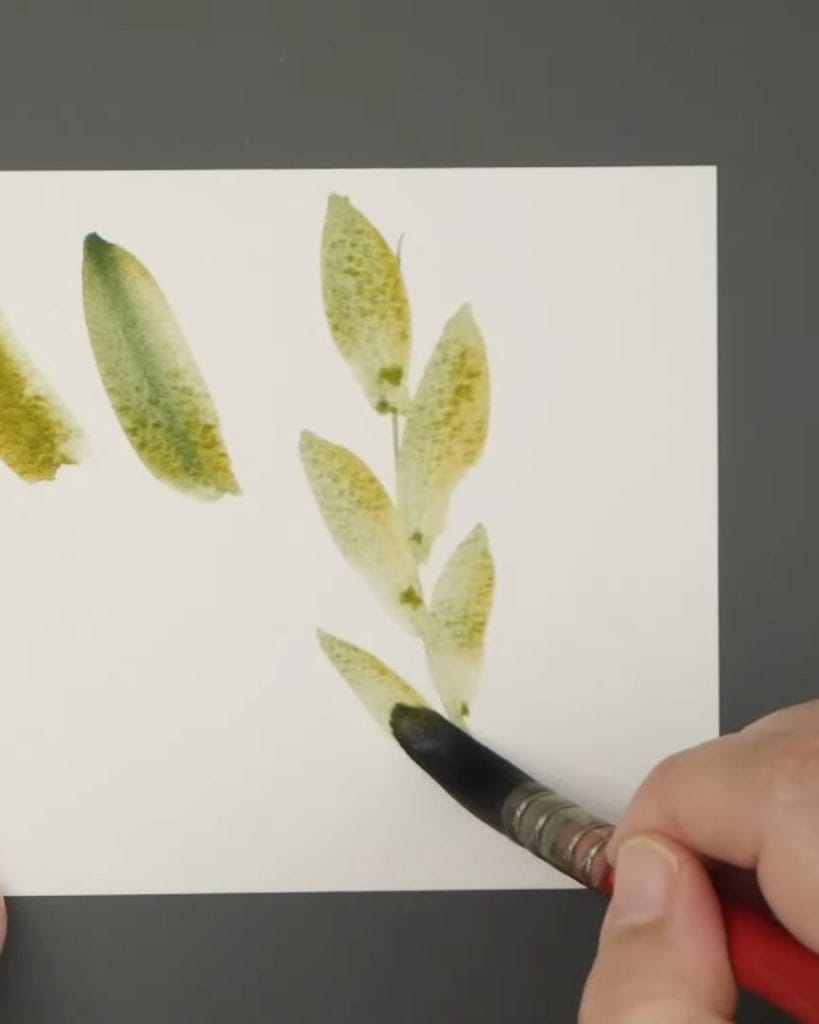
One of the first things they like to try is creating leaves with double-loaded colors. Let’s say they start by dipping their brush into two shades of green.
When they paint the leaves, the brush will leave streaks of both colors, giving the leaf an instant two-tone effect.
The beauty of double loading is that it allows them to add natural-looking shading to the leaves without mixing multiple shades manually.
They can also apply this to flowers.
For example, if they’re painting a stem with leaves, double-loading the brush lets them add different tones to the leaves, which gives them more dimension.
They often use this technique for quick, expressive flower shapes and abstract designs.

Experimenting with Different Color Combinations
The possibilities are endless when it comes to color combinations. They can get creative with the colors they choose.
For instance, they love mixing turquoise and ultramarine for a rich, contrasting effect.
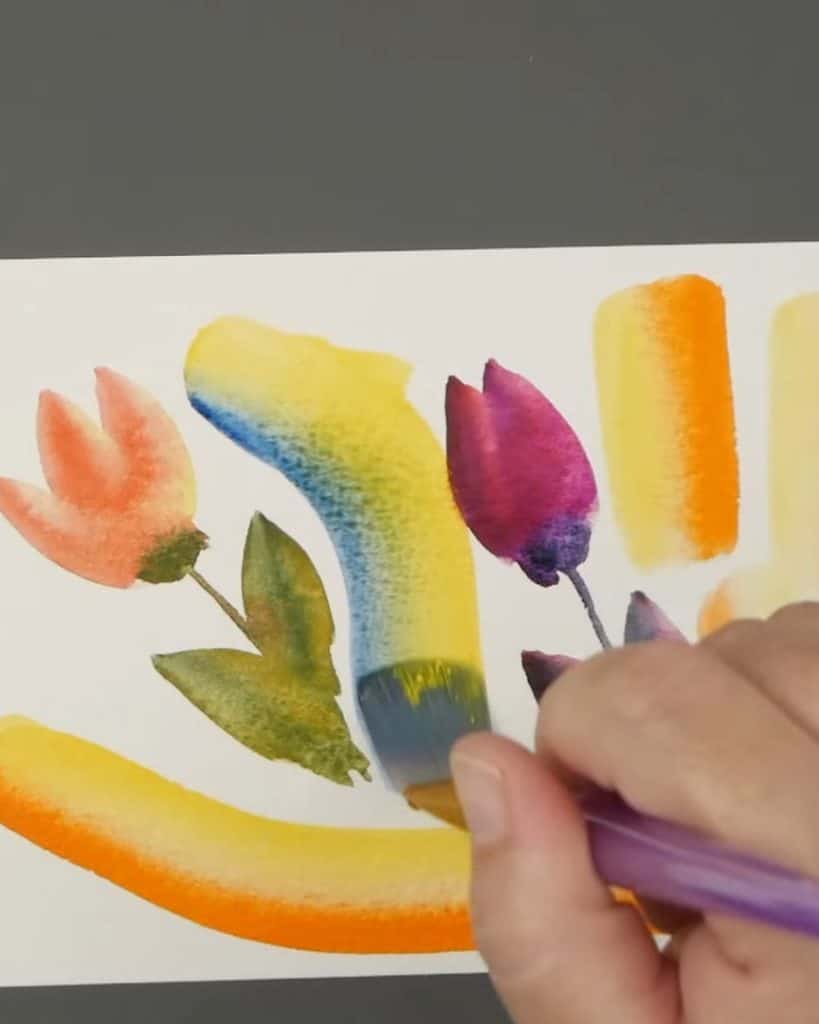
Or, if they want to go for something more vibrant, they mix crimson and yellow.
The result is a beautiful blend of orange that naturally transitions from the two colors. These striking two-tone effects can be achieved effortlessly with double loading.

Working with Different Brush Types and Color Blending
The beauty of double-loading is that it can be done with various brush types and color combinations. The tools they use can drastically change the final effect.
Using Quill Brushes for Subtle Blending
For softer, smoother blends, they always turn to their quill brush. Its pointed tip allows for more delicate control over how the colors mix.
The result is a more subtle and blended effect, perfect for creating soft transitions between two colors.
They love using quill brushes for floral petals or leaves where they want to emphasize smooth gradients.

Experimenting with Flat Brushes for Clean Lines
On the other hand, flat brushes like synthetic filberts are great for clean, sharp lines.
When they want to create a bold effect, they use these brushes for double-loading. The flatter shape allows them to make striking color contrasts that stand out.
Whether making bold stripes or fine details, flat brushes give double-loaded strokes a crisp, clean look.

Creating Gradient Blends and Textures
Double loading isn’t just about creating simple two-tone marks—it opens up many possibilities for gradients and textured effects.
Blending Colors Directly on Paper
When they double-load the brush, they can blend colors directly on the paper instead of mixing them on the palette first.
For example, they like dipping the brush into yellow and blue.
When they stroke the paper, the yellow and blue blend naturally into green right before their eyes. It’s a satisfying technique because it keeps the colors fresh and vibrant while creating beautiful transitions.
Playing with Texture and Movement
Another thing they love is how double-loading lets them play with texture and movement.
If they dip their brush into burnt umber and yellow ochre, they’ll get a lovely earthy tone with a rich texture.
Moving the brush in circular or sweeping motions allows them to create natural-looking textures, perfect for backgrounds or adding energy to their artwork.

Deep Colors and Rich Effects
Double loading can also help them create deeper, richer colors.
For instance, when they load the brush with violet and deep blue, the result is a luxurious, moody blend perfect for night skies, deep waters, or dramatic backgrounds.
The two colors work together to create a depth that would be hard to achieve with just one flat color.

Reviewing the Results of Double Loading Techniques
After experimenting with double loading, they took a closer look at the final results:
- Yellow ochre and burnt umber: The blend was warm and textured.
- Purple and blue: Beautiful transitions—some areas kept the colors distinct, while others merged into new shades.
- Scumbling the brush: Created an interesting broken texture.
- Leaves and flowers: Duo tones added natural shading, even in quick sketches.
- Blue and yellow double-dip: Resulted in fresh, lively green.
- Flat brush: Gave clean, striped effects with visible color boundaries.
- Quill brush: Produced softer, more blended transitions with multi-directional strokes.
They could even glaze over the layers or try a second round of double dipping for deeper effects.
The possibilities felt endless, and this experiment proved how exciting and versatile double-loading can be.
They even considered trying triple loading, though that might risk muddier colors if not done carefully.

Wrapping Up
They hope others have enjoyed learning about double loading and are inspired to try it in their watercolor art!
This technique opens up possibilities, from vibrant gradients to beautiful textures and dynamic color blends. Why not give it a go in their next painting?
They can experiment with different colors, brushes, and strokes to see what exciting effects they can create.