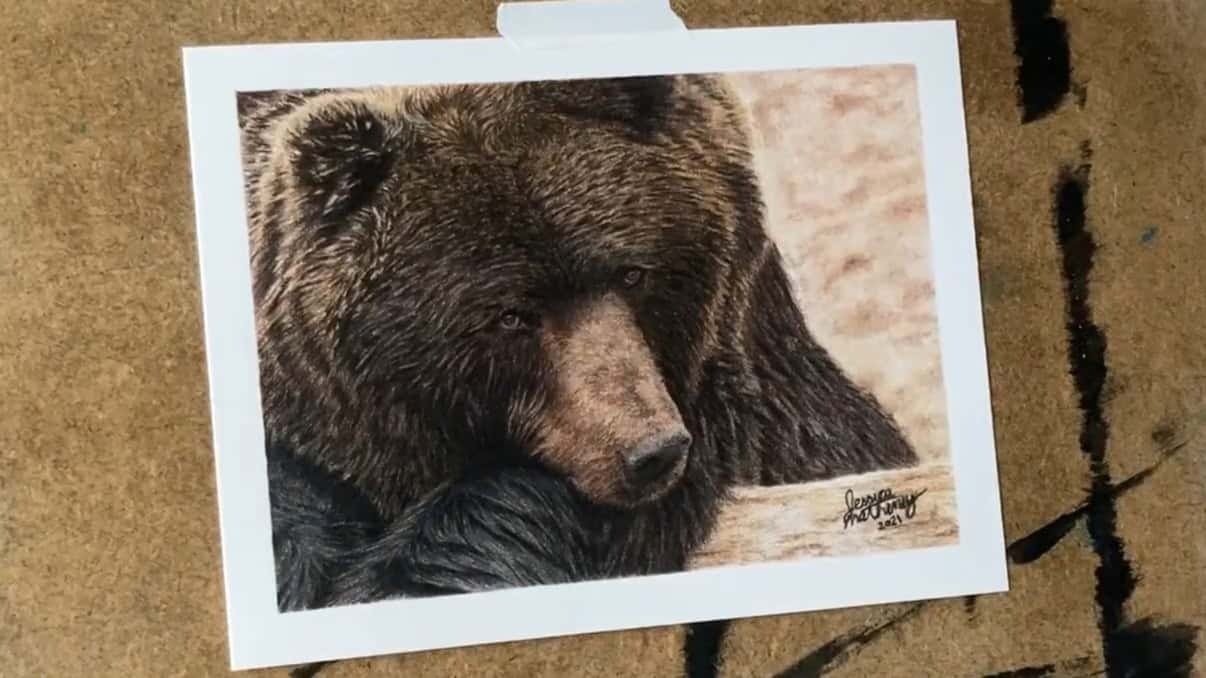
Which fixative should I trust for my colored pencil and pastel art? I’ve tested two popular sprays—SpectraFix and Krylon Workable Fixatif—to see how they protect my drawings.
In this article, I share what works, what doesn’t, and tips to get the best results. If you want reliable, budget-friendly options that keep your art safe, keep reading!
SpectraFix: A Moisture-Rich Natural Fixative
SpectraFix is a popular fixative many artists use for soft pastels and colored pencils. I usually use it only for my pastel drawings, but I tested it on a few colored pencil pieces to see how well it works.
Many other artists use it for colored pencil work, so I wanted to find out if it holds up. To be honest, I was not impressed—and here’s why.
Features and First Impressions
Let’s begin with what this spray is made of and how it works on the surface. These things matter before you even test it on your artwork.
SpectraFix is:
- Odor-free, although it does have a light alcohol scent
- Non-toxic, acid-free, and archival safe
- Made with all-natural ingredients
- Sold in a 12-ounce bottle for about $20 on Amazon
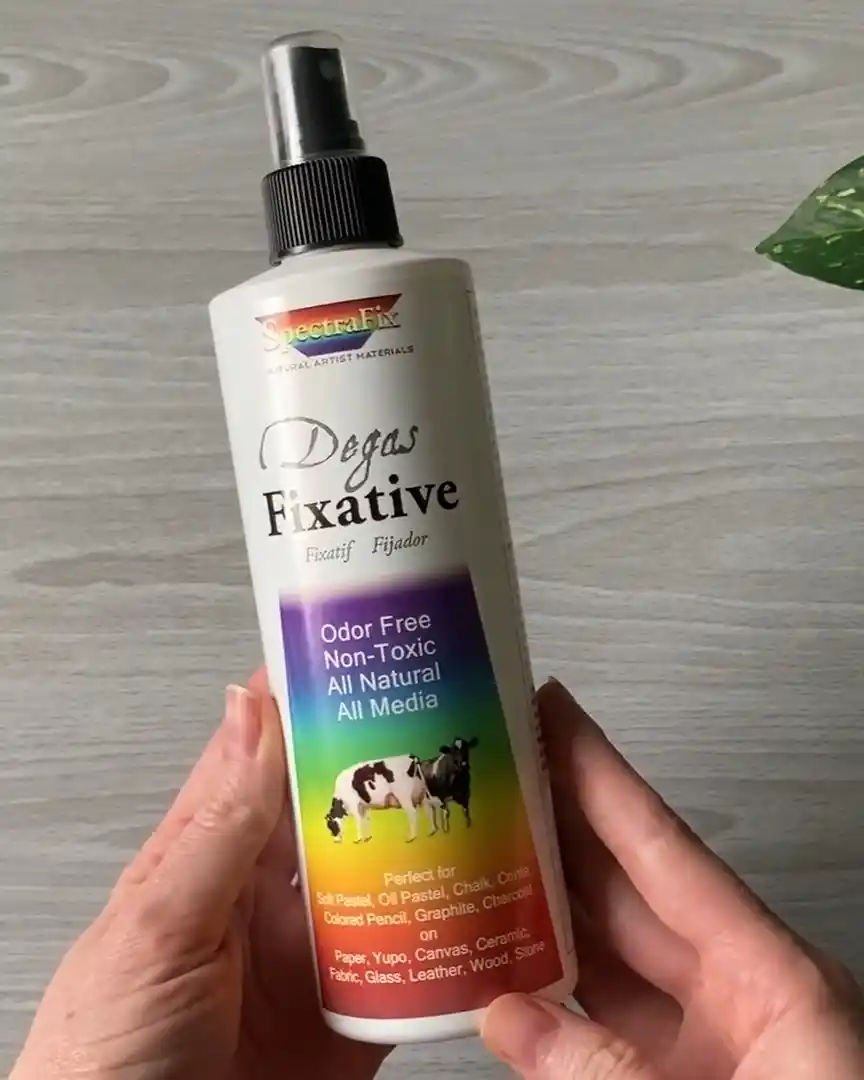
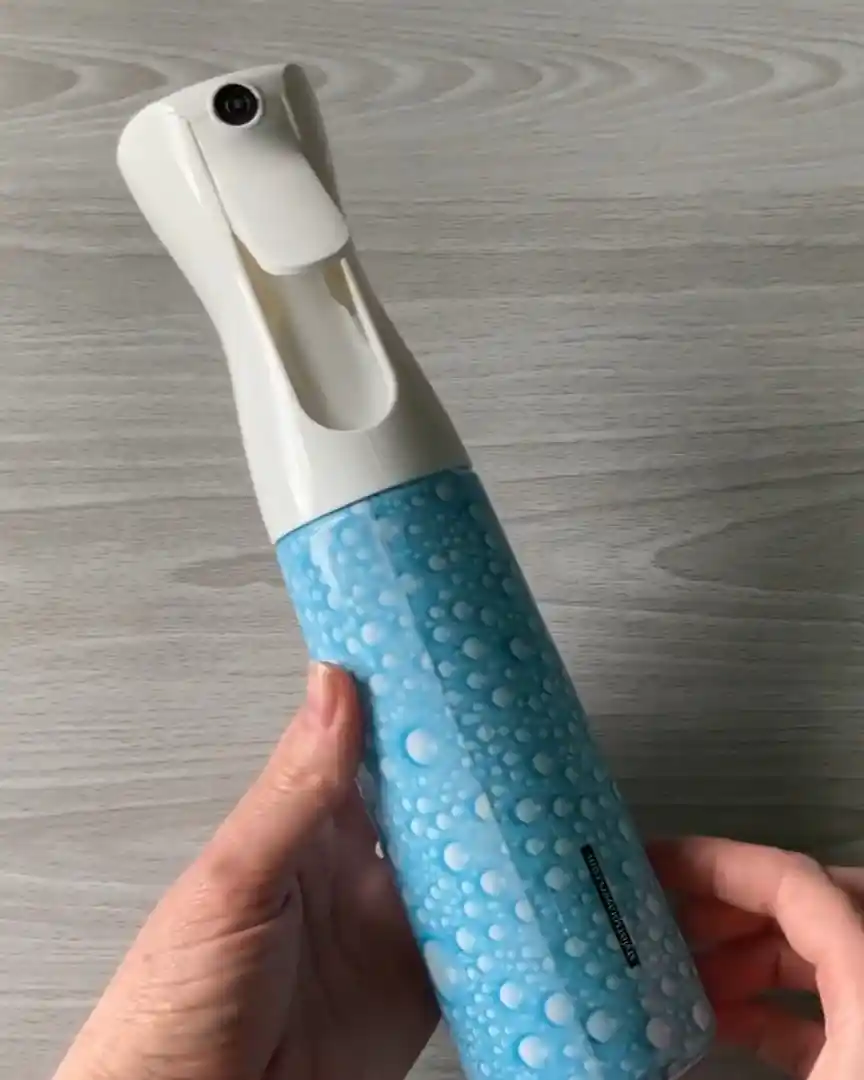
It comes with a spritz pump, but that pump doesn’t even give you a spray. I found that if you pour it into a Florasol sprayer, which costs about $10, you’ll get much better results.
That gives a smooth, even mist instead of heavy drops. So, using this fixative properly costs about $30.
I tested the spray on two drawings—one taped down and one not—so I could see how much difference taping makes.
The Test Results: Warping, Dry Time, and Finish
Now, let’s look at what happened when I used the spray. This is where things started to go wrong for colored pencil work.
I tried to spray as evenly as possible for the first coat. Right away, I noticed heavy water droplets forming on the paper. The drawing that wasn’t taped down began warping almost immediately.
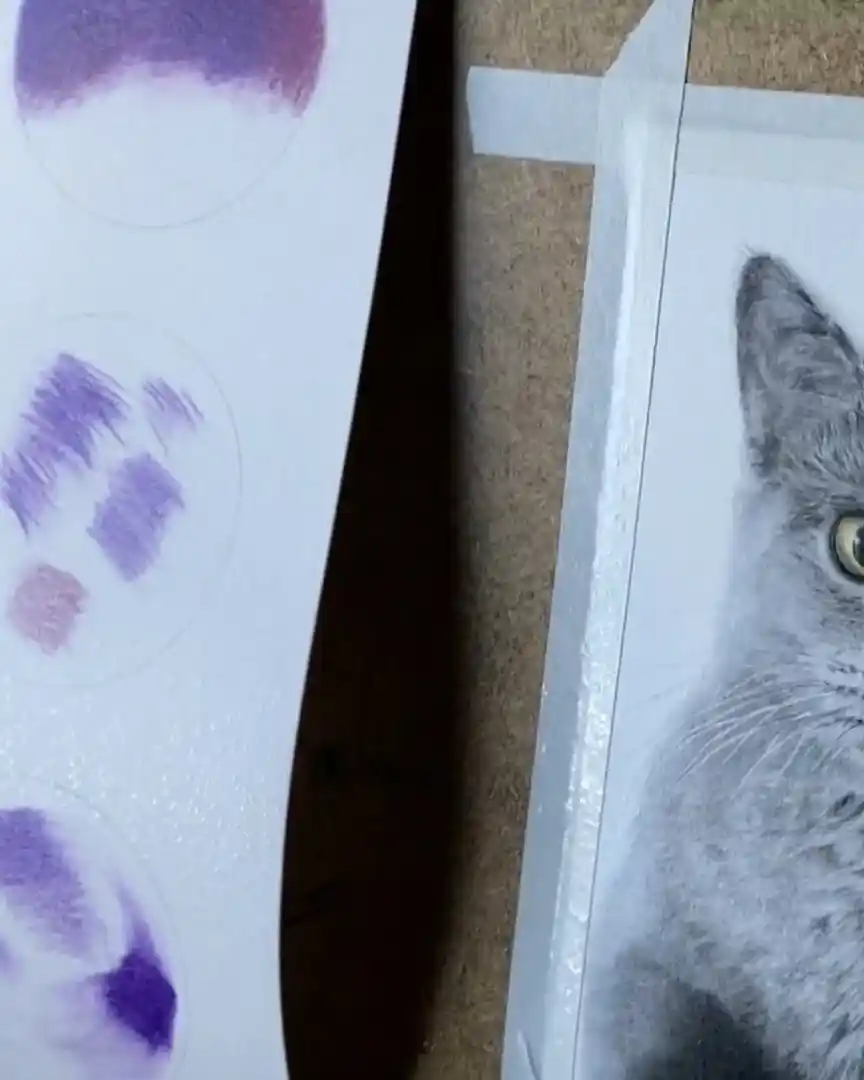
The droplets disappeared after one or two minutes, but the paper was still damp. After about 8 to 10 minutes, the surface felt dry to the touch.
But the taped drawing still had visible buckling. It took about 30 minutes to an hour to dry completely.
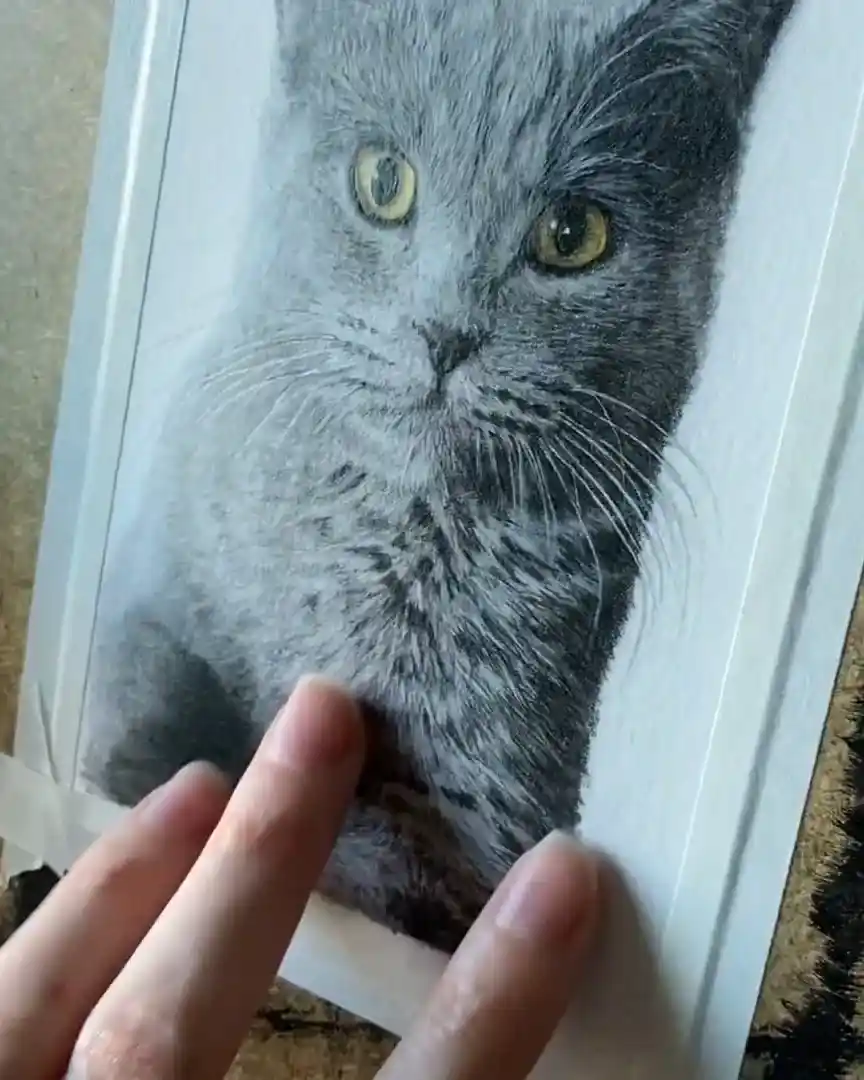
When fully dry, the finish looked like a clear matte with just a little sheen if you hold it at an angle. The colors and details stayed sharp.
That’s one good thing—I didn’t see any changes in the drawing.
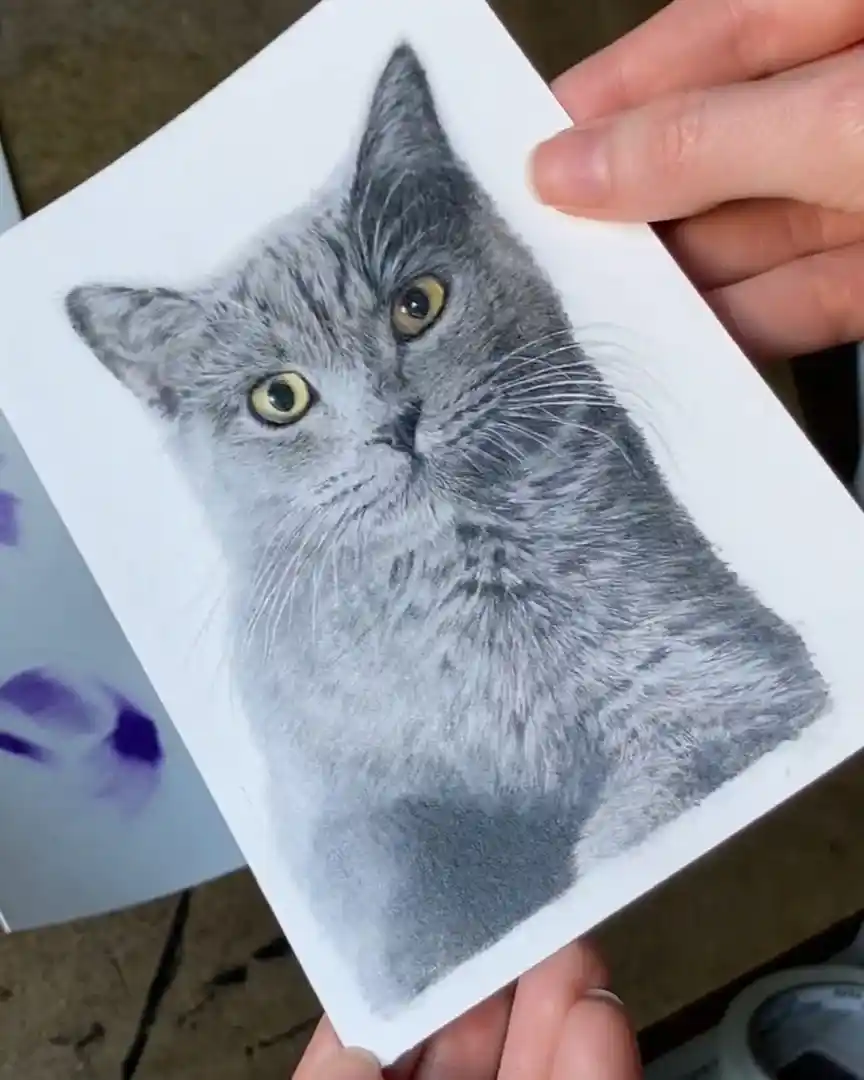
SpectraFix also works as a workable fixative. That means you can spray your drawing and keep working on it afterward. That’s a nice option to have.
The Real Problem: Too Much Moisture for Paper
While the drawing looked fine, the problem was what the spray did to the paper. The moisture was just too much.
The first time I used this spray on a colored pencil drawing, I didn’t know how wet it was. It caused significant warping.
I tried to flatten the paper back out, but it never looked the same again.
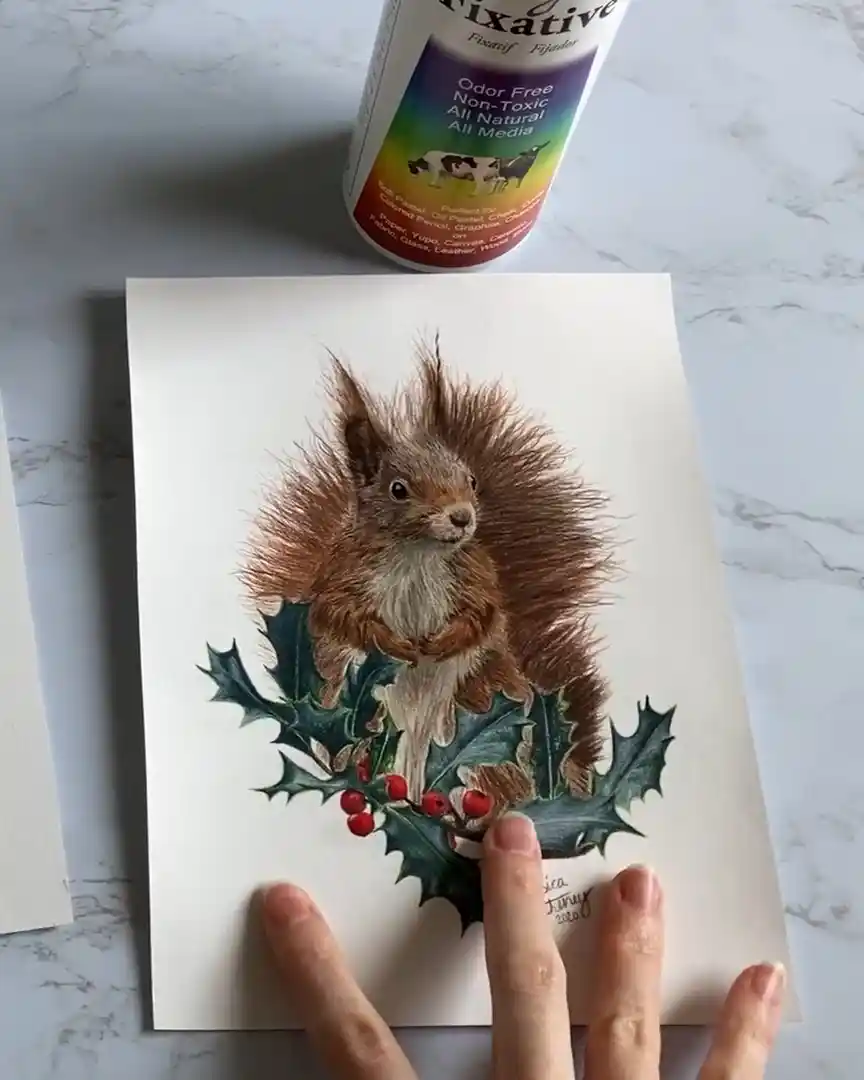
So I gave it another try. This time, I taped the drawing down on all sides before spraying. That helped, but not enough.
The paper is still warped. It wasn’t as bad, but it was still there. And honestly, that’s what made me stop using this spray for colored pencil work.
The spray doesn’t ruin the colors. It only gives the drawing a mild sheen when tilted. But it changes the paper, especially on the edges and corners.
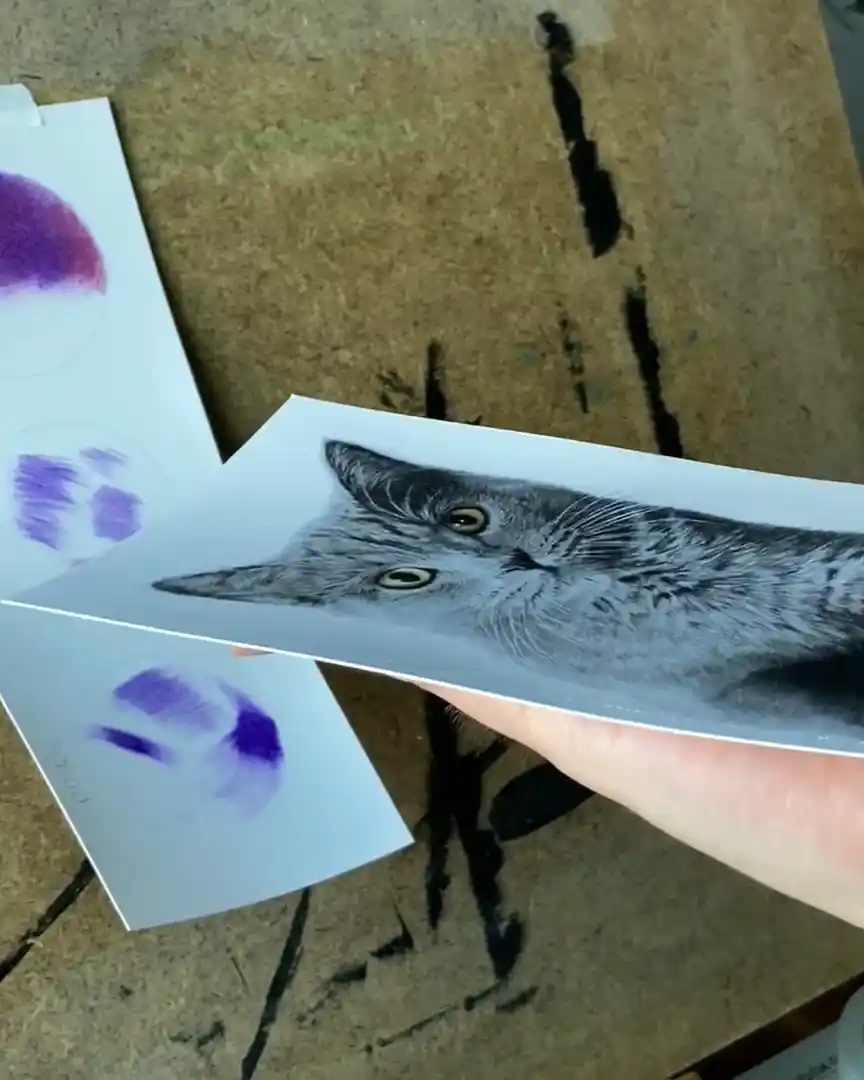
I tested this on the Strathmore 300 Series Bristol Vellum. That’s a thick, 100-pound, two-ply paper. Even with that kind of thickness, the spray caused primary buckling. That’s just not good.
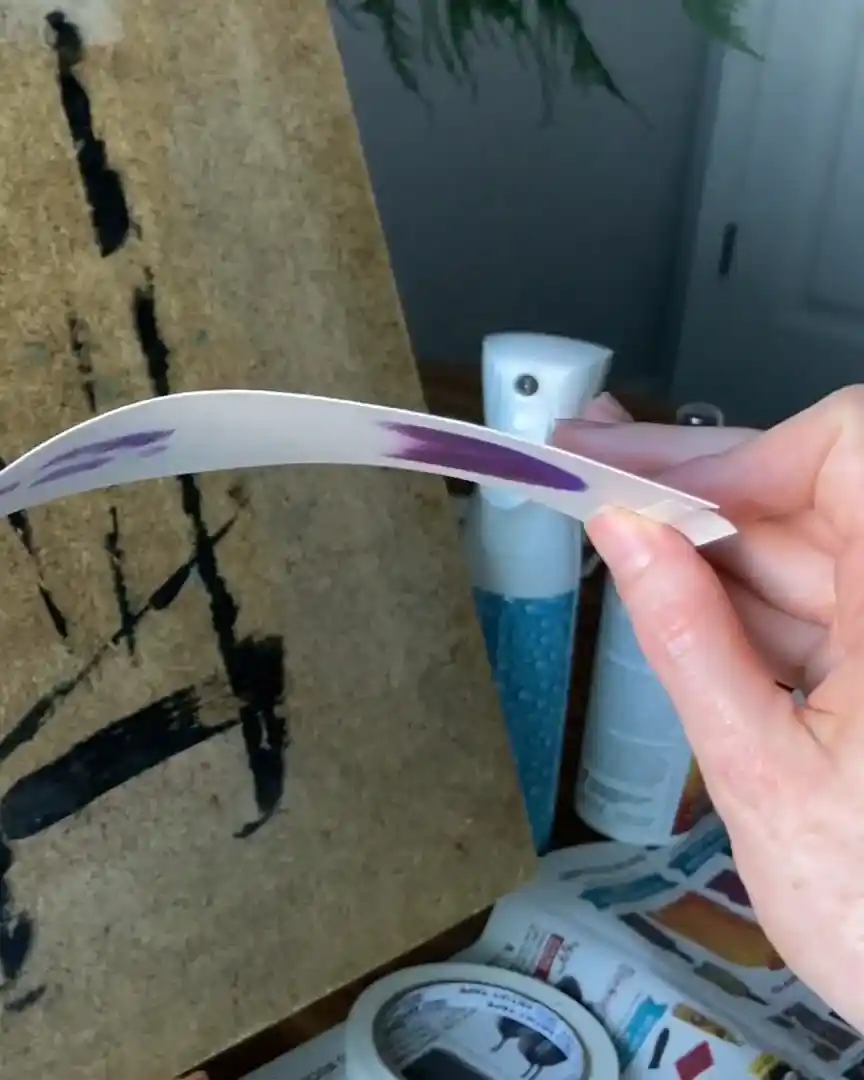
In my opinion, this fixative has way too much moisture to be safe for most paper used in colored pencil or graphite work.
I wouldn’t recommend it unless your paper is heavier than 100 pounds. And even if it is, you still need to:
- Tape your drawing down on all four sides
- Let it dry for 30 minutes or longer before removing the tape
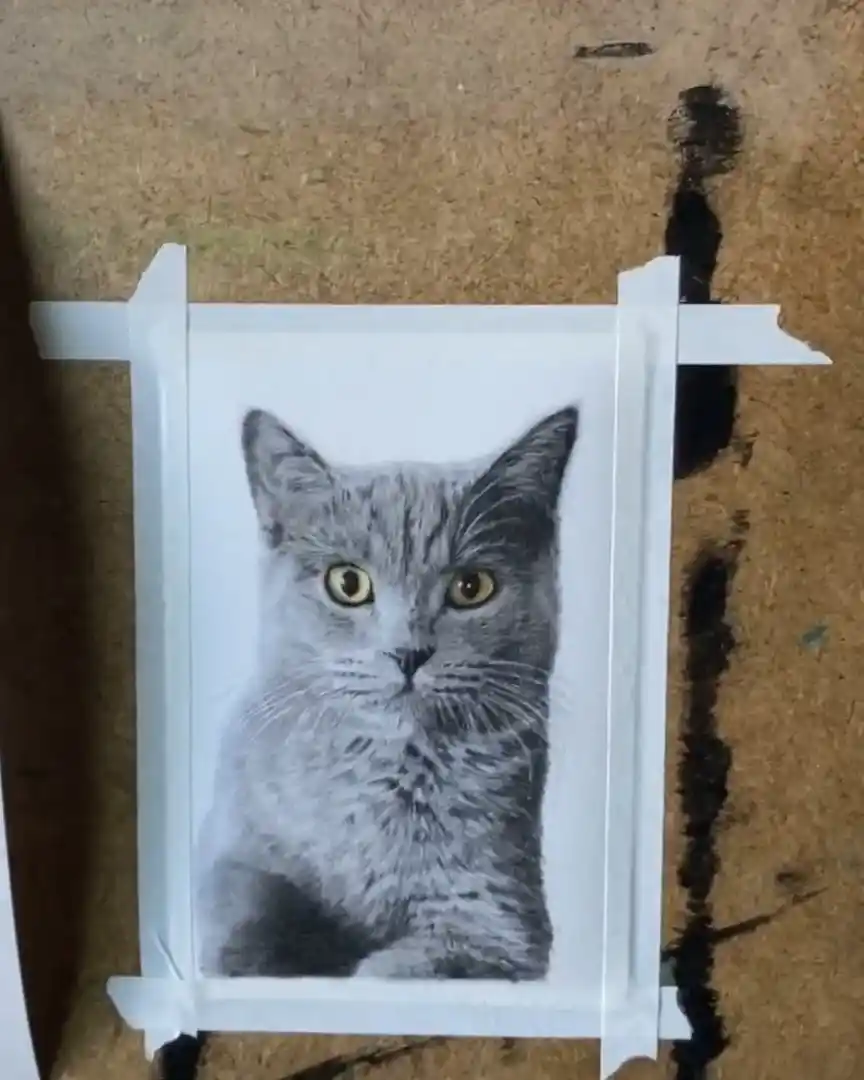
For my test, I only used drawings that didn’t matter much—pieces I didn’t plan to sell or display. I would never use this spray on a finished drawing I cared about. I want my artwork to look flat, clean, and professional.
Where SpectraFix Works Best: Pastel Mat and Sanded Paper
Despite all these issues with colored pencil paper, this spray does have a place in my studio. It works great for soft pastels and thick textured surfaces.
Here’s where it shines:
- Pastel mat
- Sanded paper
- Paper boards
These surfaces are thicker than 100 pounds and hold up well. When I use SpectraFix on my soft pastel drawings, I tape them down on all sides and let them dry for 30 minutes to an hour.
I’ve never had any problems with warping when I do this.
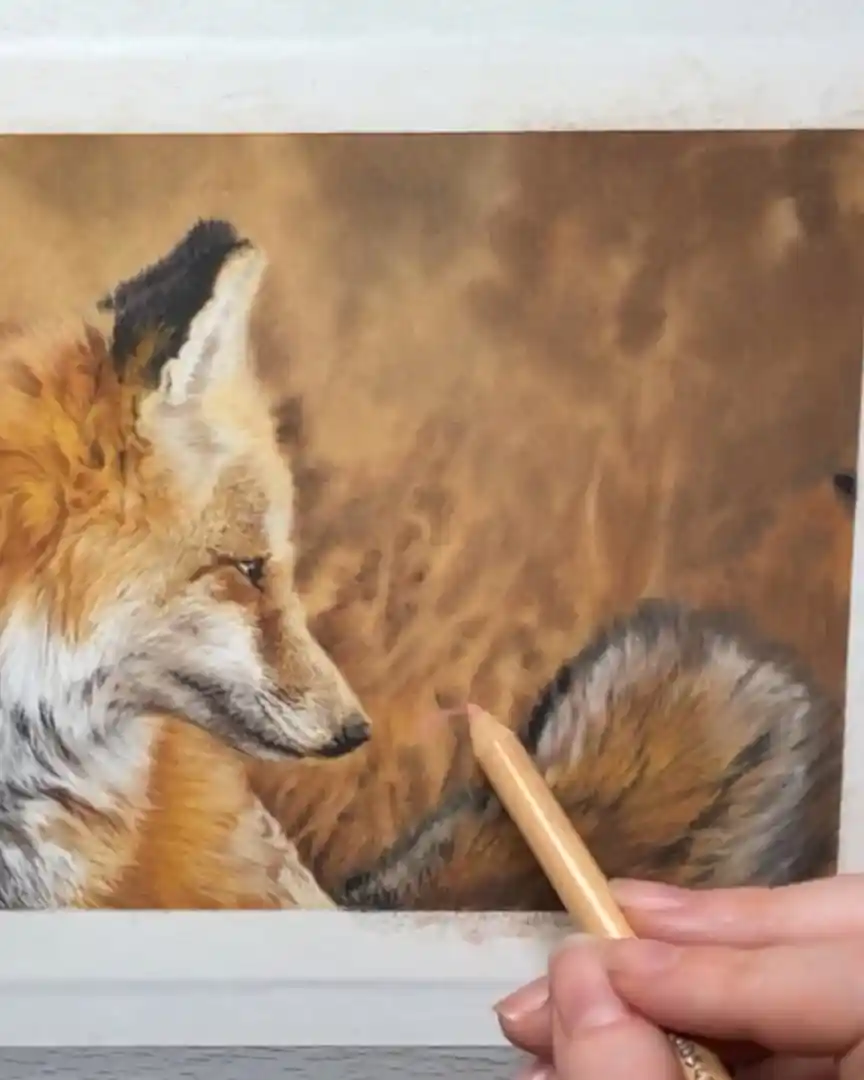
You know how fragile it is if you’ve ever used soft pastels. It usually doesn’t do well with sprays. But SpectraFix handles it beautifully. The pigment stays put, and the texture of the pastel isn’t ruined.
Krylon Workable Fixatif: Reliable and Budget-Friendly
When I need a dependable fixative that won’t break the bank, I reach for Krylon Workable Fixatif. This spray has been part of my regular art routine for years—and for good reason.
Let me explain exactly why I like it, how I use it, and what to watch out for.
Key Features and First Impressions
This spray checks many necessary boxes, especially for colored pencils and graphite artists.
It’s:
- Acid-free
- Archival safe
- Budget-friendly (around $8 for an 11-ounce can on Amazon or at most craft stores)
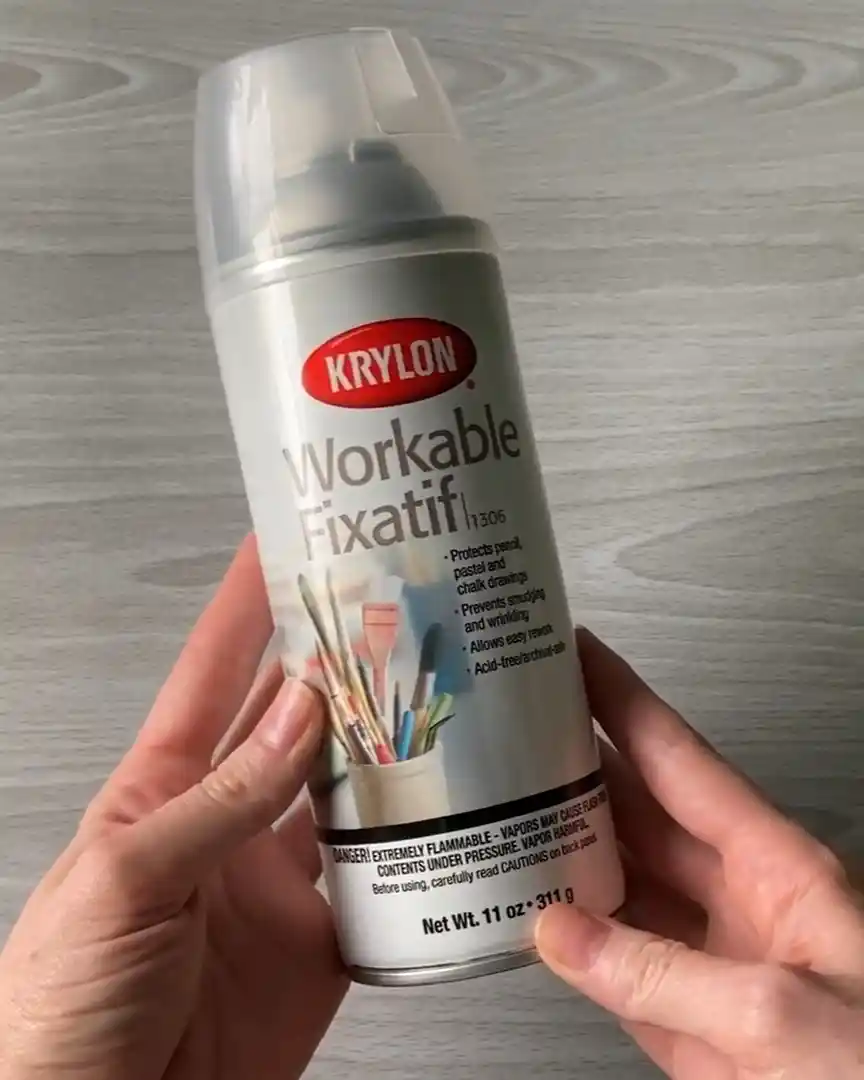
Just one thing to remember before you buy it: make sure you get the clear kind. Avoid the version labeled “UV protection.”
That can add a white haze to your work, like sunblock leaves a white film on your skin. It completely ruins the artwork. I learned that the hard way, so now I always double-check the label.
It does have a strong odor, though. So, I always use it in a well-ventilated room, with the windows open—or I just take it outside to spray.
How I Use Krylon Workable Fixatif
Now, let’s talk about how I use it in my drawings. I tested this spray on two different drawings: one taped down and one not taped down.
Before spraying, I try to apply it as evenly as I can. I wasn’t perfect the first time and learned that an even spray makes all the difference.
Right after spraying, the drawing surface looks dry. There are no wet spots or visible droplets.
For best results, I always apply two coats:
- I spray the first coat evenly and let it dry for 30 minutes.
- Then I go in with a second coat and let that dry fully.
That’s all I need—just two coats. The spray dries quickly, usually within half an hour, and I’m ready to move on with my work.
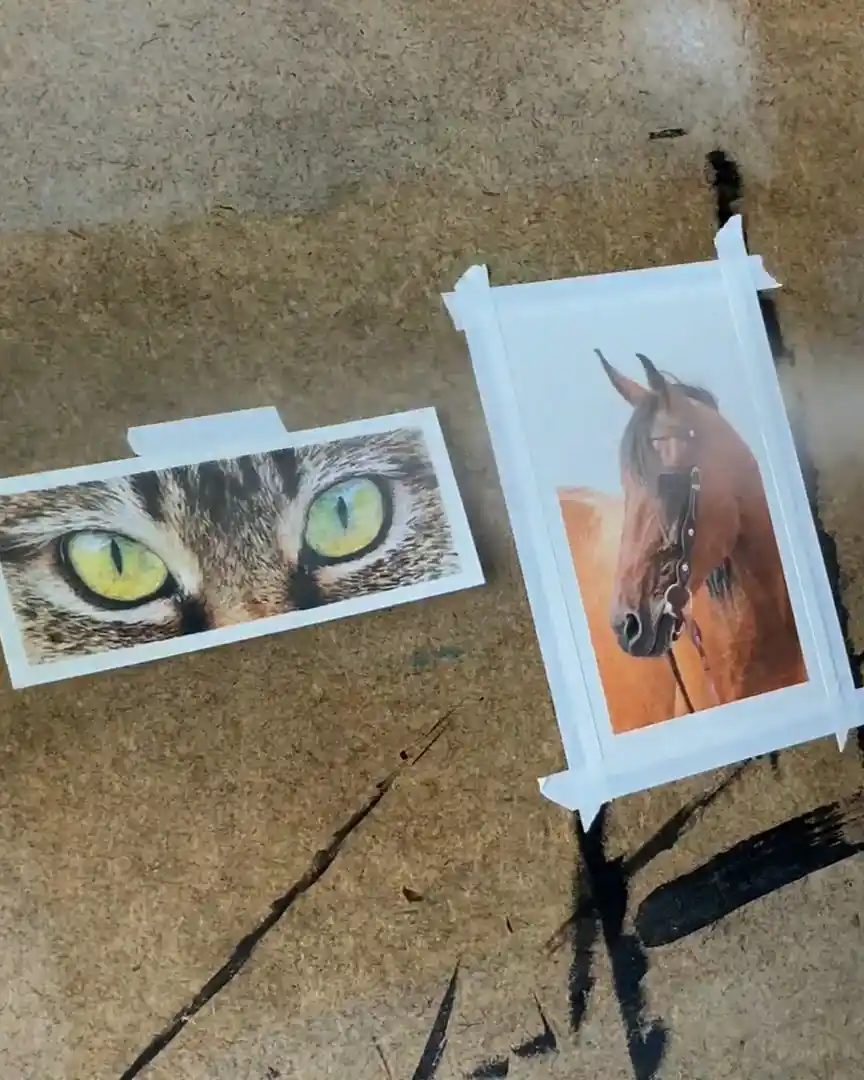
Results on Different Papers
This spray shines when it comes to preventing paper warping. I’ve used it on 100-pound colored pencil paper, which is more flexible than Bristol. Still, there was no buckling or warping—even when I tried it on a drawing that wasn’t taped down.
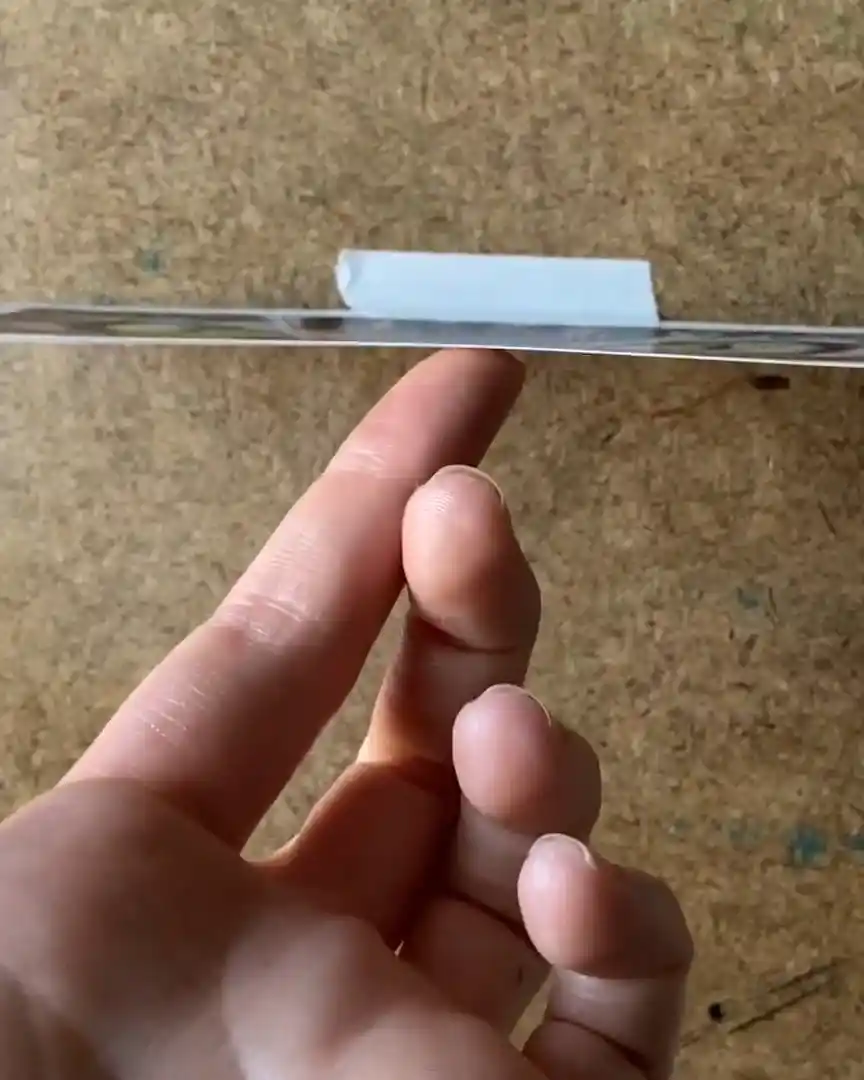
I’ve even used Krylon on thin paper, like regular printer paper, and it held up just fine. No curling, no waves. This is why it’s my go-to spray for colored pencil and graphite drawings.
But it’s not perfect for every medium. Do not use this spray on soft pastels. It causes the pastel to clump, and it will ruin your drawing. That’s one significant drawback to be aware of.
Final Look and Finishing Options
The finish of this spray leaves is matte, with a nice sheen when viewed from an angle. It doesn’t mess with the details or change the colors of your work.
The only thing I notice is that it slightly darkens the darkest areas of the drawing.
Personally, I love that effect. It gives the drawing more contrast, especially on smoother paper, where it’s hard to make the blacks look rich. It adds depth and makes my work pop.
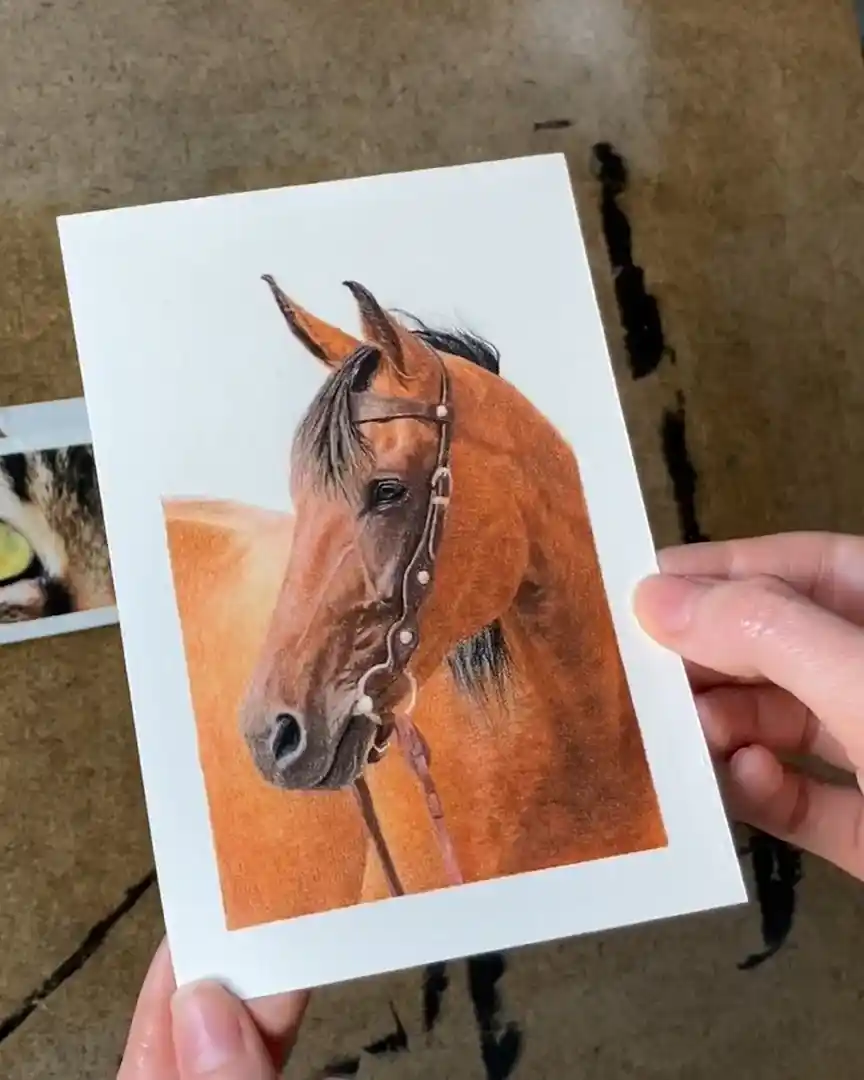
And just like its name says, this is a workable fixative. That means I can draw over it after spraying, which is helpful when building more layers. I use it as a finishing spray once I’m happy with the piece.
Final Thoughts
After testing both sprays, I trust Krylon Workable Fixatif for most of my colored pencil and graphite work because it’s reliable, dries quickly, and won’t warp my paper.
SpectraFix works well for soft pastels and thicker papers but isn’t ideal for thinner surfaces. Knowing their strengths helps me choose the proper fixative for each project and keep my artwork safe.