Which paper brings your watercolor pencils to life? Debbie Walker Art has tested both cold press and hot press to see how each one changes the way colors blend, lift, and layer.
For her, it all comes down to the look and feel you enjoy most. In this guide, Debbie Walker Art shares what she’s learned so you can choose the perfect paper to match your style and help your artwork shine.
Comparing Cold Press vs. Hot Press Paper for Watercolor Pencils
If anyone has ever wondered what type of paper works best with watercolor pencils, they’re not alone—this question comes up a lot.
For the artist, it’s just like regular watercolor painting. It all comes down to what kind of look is personally preferred. The artist walks through what has been observed when comparing cold-press and hot-press paper.
Cold Press Paper: Textured and Expressive
The artist usually reaches for cold-press because the texture is appealing. That texture adds a lot of character to the piece. Even when using watercolor pencils, it helps grab the pigment and gives a more organic look.
It also holds water well, which makes it feel expressive and loose.
So here’s what the artist likes about it:
- The textured surface grabs the pigment
- It feels more organic and natural
- Great for expressive styles
But there are a few things to keep in mind.
- Super fine or sharp lines may not always be achievable
- It can take more water to blend the pencils
- Some artists may not prefer the less-smooth finish
That rough surface means the color settles into the grooves. For the artist, that handmade feel is a plus.
Hot Press Paper: Smooth and Precise
Now, switching to hot press—it’s noticeably smoother. When the artist uses it with watercolor pencils, sharper lines and finer details come more easily.
So, for detailed work, this might be the ideal paper.
- The surface is smooth
- It’s easier to create sharp lines
- Color moves around more easily
The artist is not particularly focused on tiny details, so hot press isn’t always essential, but the difference is noticeable. The smoothness allows color to move easily and blend differently.
Visual & Textural Differences Between Hot and Cold Press
If anyone is unsure how hot-press and cold-press paper look and feel while using watercolor pencils, the artist walks through what has been noticed.
The artist has tested both with Artistro watercolor pencils, and there are clear differences—especially in texture and how the pigment behaves.
Texture and Pencil Application
Starting with the basics: the texture of the paper changes how the color sits and spreads.
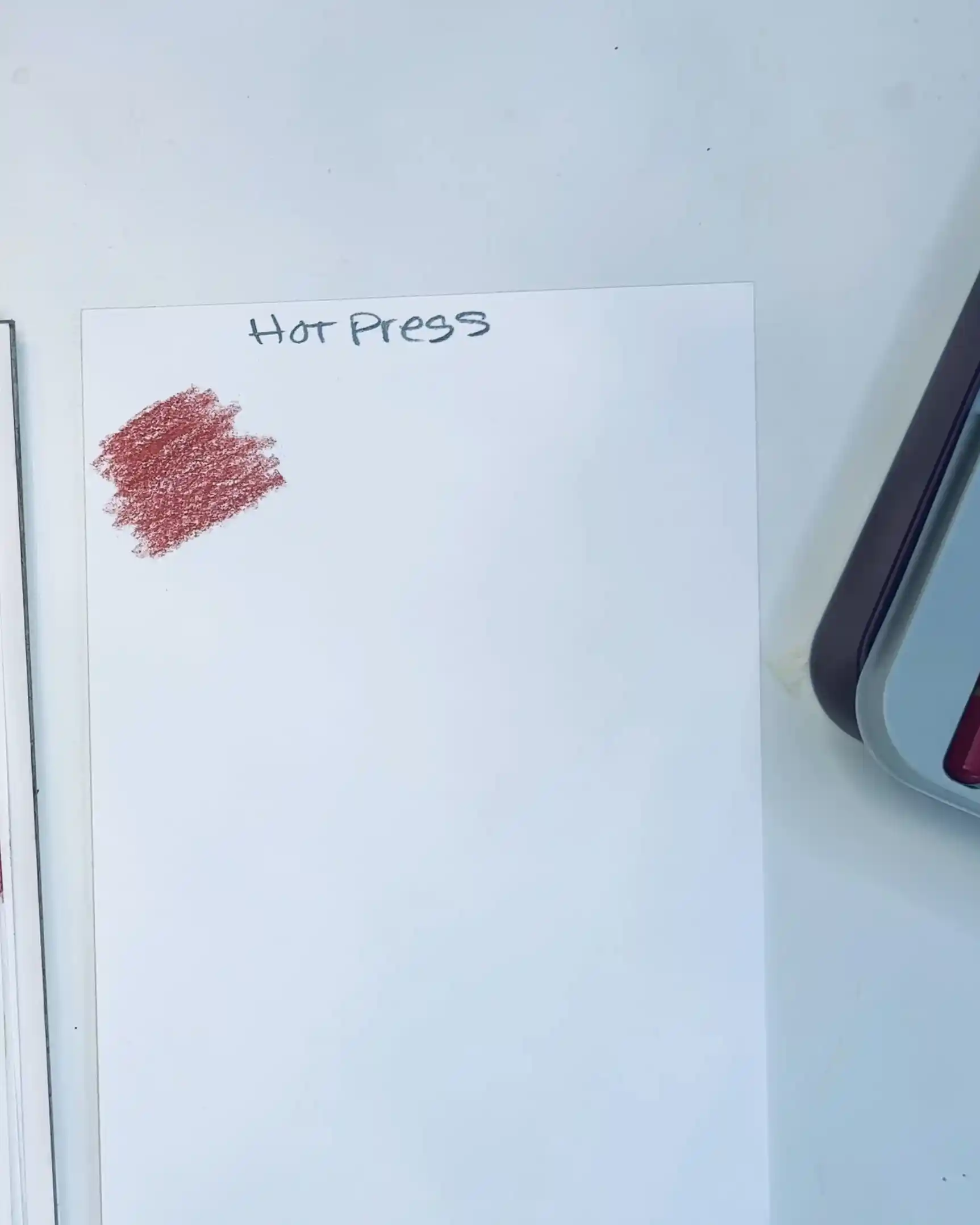
Hot-press paper is made using heat, almost like ironing the surface. That gives it an ultra-smooth finish. It’s perfect for illustration or detailed work because it lets the artist achieve sharp lines and fine control.
- Super smooth surface
- Great for crisp lines and tight details
- The pencil glides on like a crayon
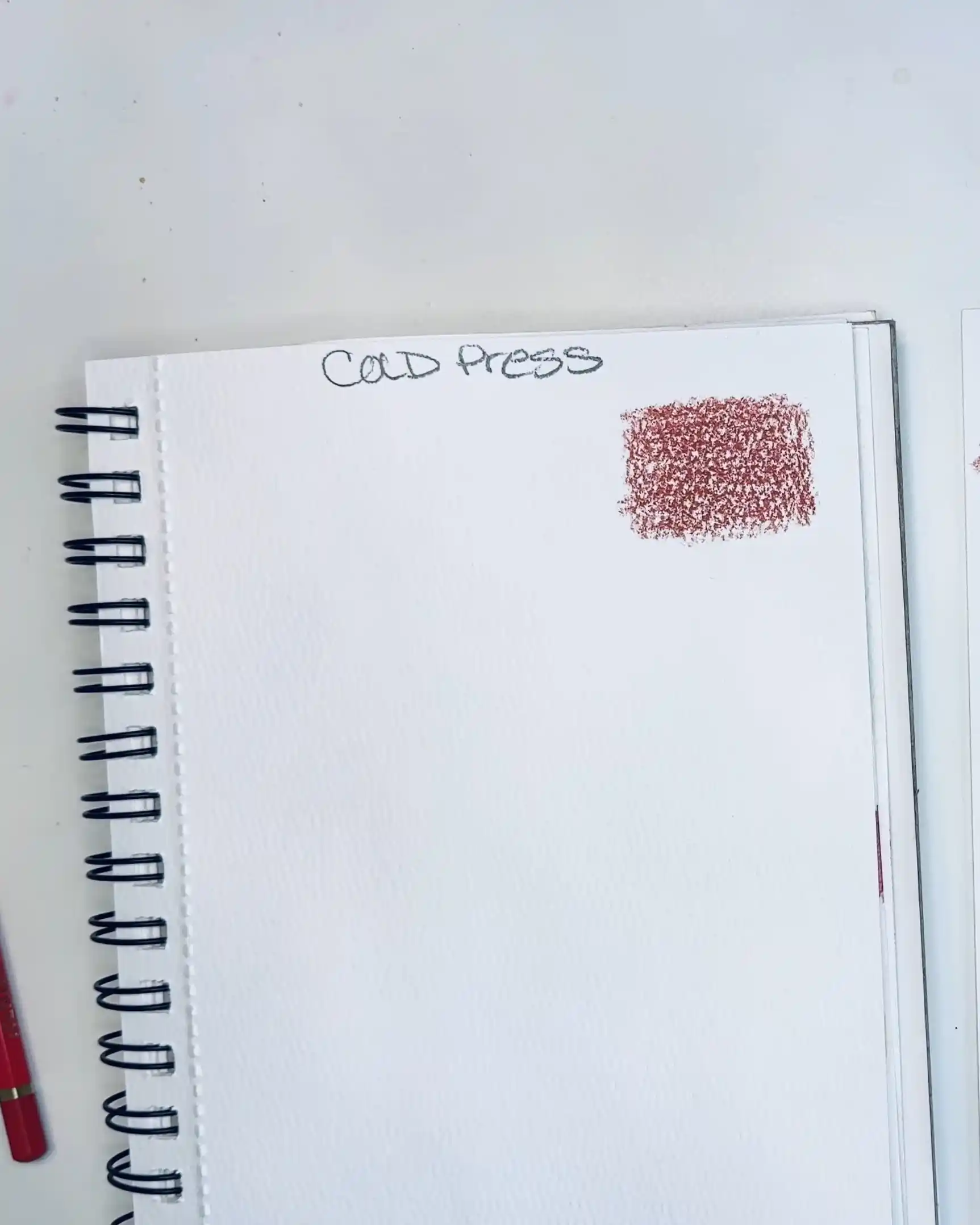
Cold-press paper has deep grooves. The artist prefers it for its natural, organic look. The paper’s tooth becomes immediately visible when the pencil is laid on its side and color is applied.
- Noticeable texture
- The pencil catches on the raised areas
- It gives a more raw and expressive feel
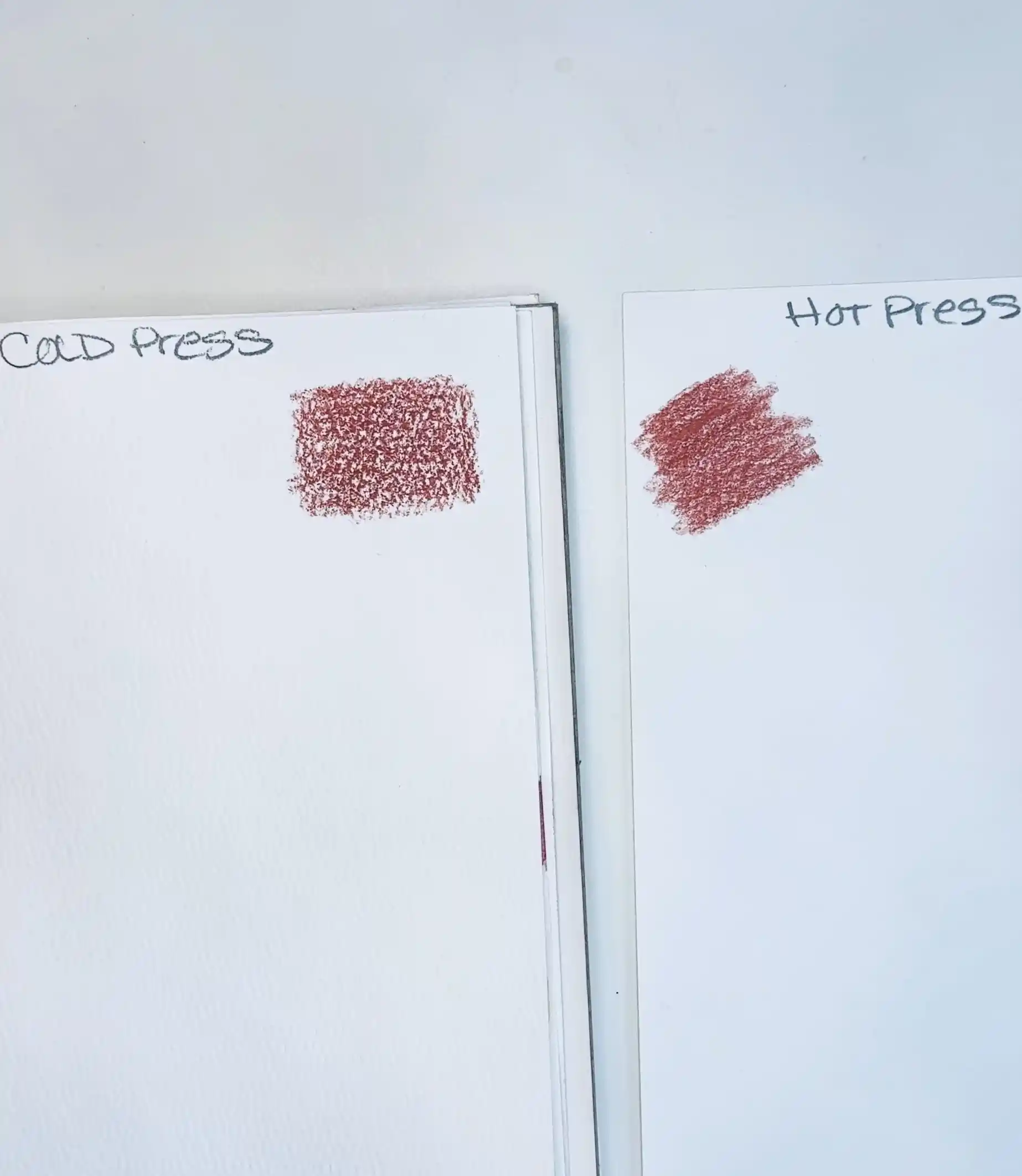
To the artist, the cold-press texture adds character. But others may prefer the smoothness of hot press—and that’s completely fine. It all comes down to the style one enjoys most.
Water Brushes, Washes, and Flow
Next, here’s how water behaves on each surface. The artist often uses a waterbrush when painting outdoors—just fill the chamber with water, and it’s ready to use.
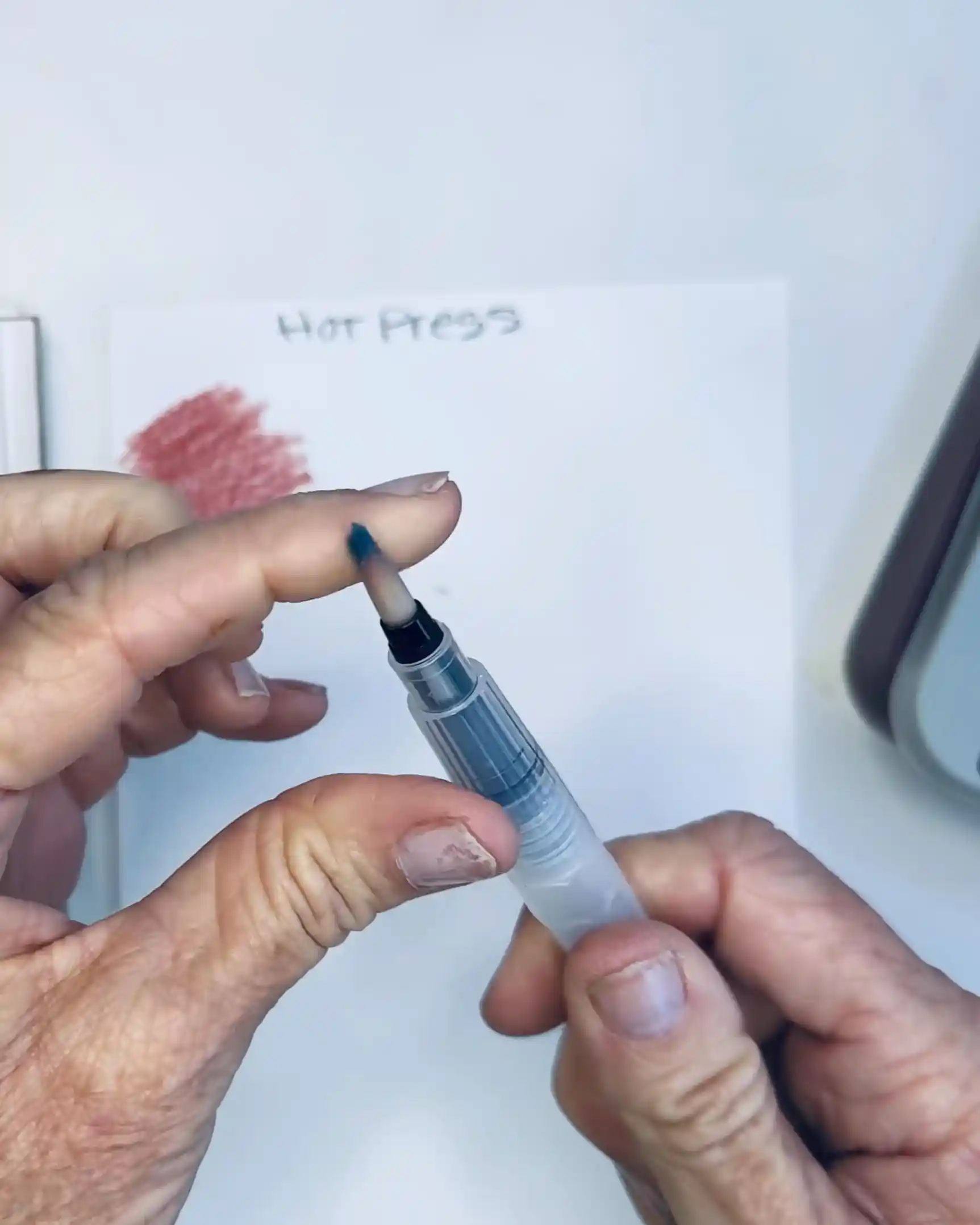
At home, the artist uses a Princeton 8-Round.
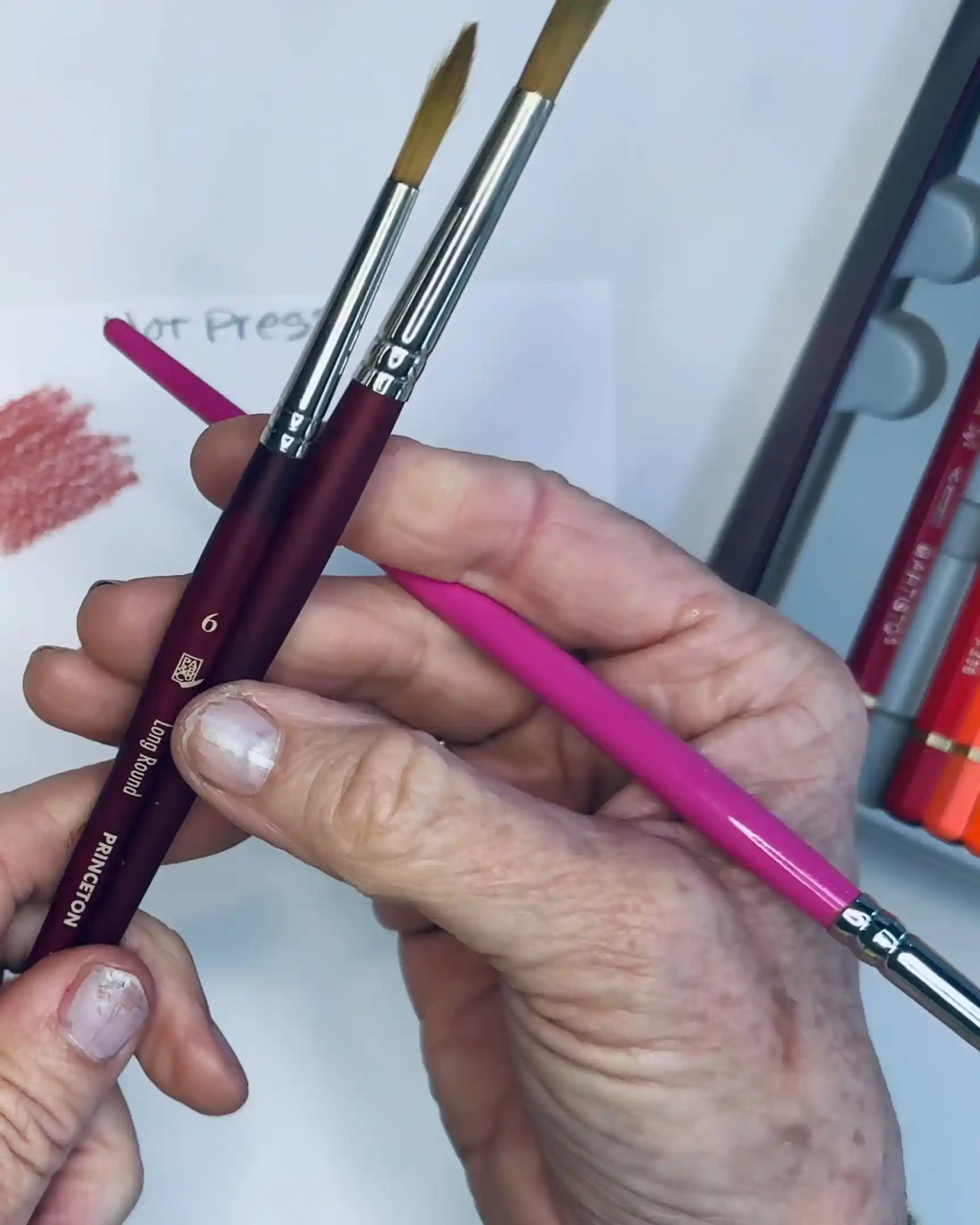
Now for the observed results:
On hot-press paper:
- Water and pigment move around easily
- Light values can be pulled out smoothly
- Sharp edges are easy to create
- Sharp edges are easy to create
- The slick surface allows paint to sit longer before soaking in
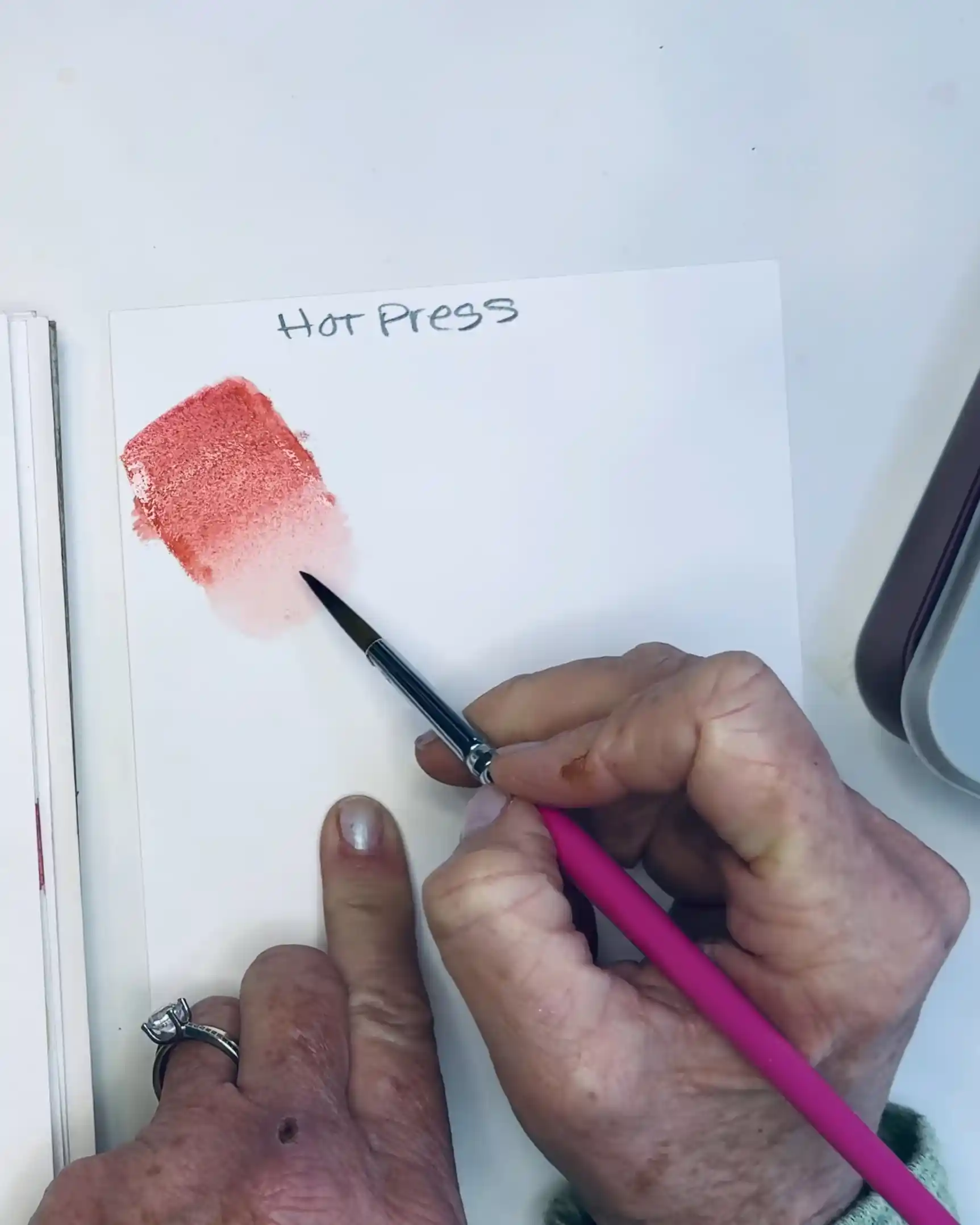
This gives the artist more time to blend and create smooth transitions. There is more “play time” with the surface.
On cold-press paper:
- The texture grabs pigment immediately
- Blends look a bit more uneven, but beautifully so
- The paper shows through more prominently
- It absorbs water faster, so color doesn’t stay wet as long
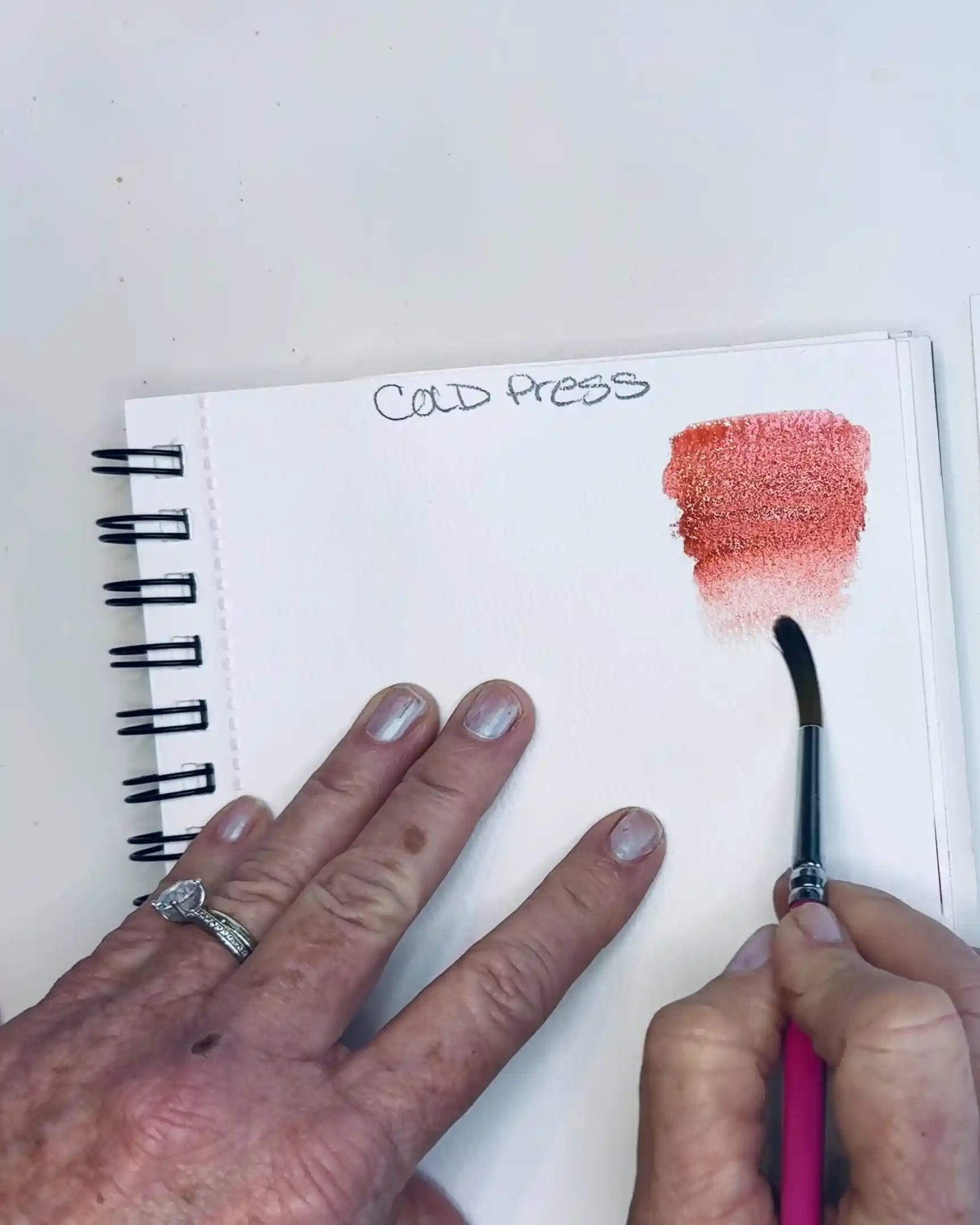
So, for soft blended washes, both papers work well. But the cold-press texture shines through more and creates that rustic finish the artist loves.
Side-by-Side Results
Here’s what stands out most when comparing the two up close.
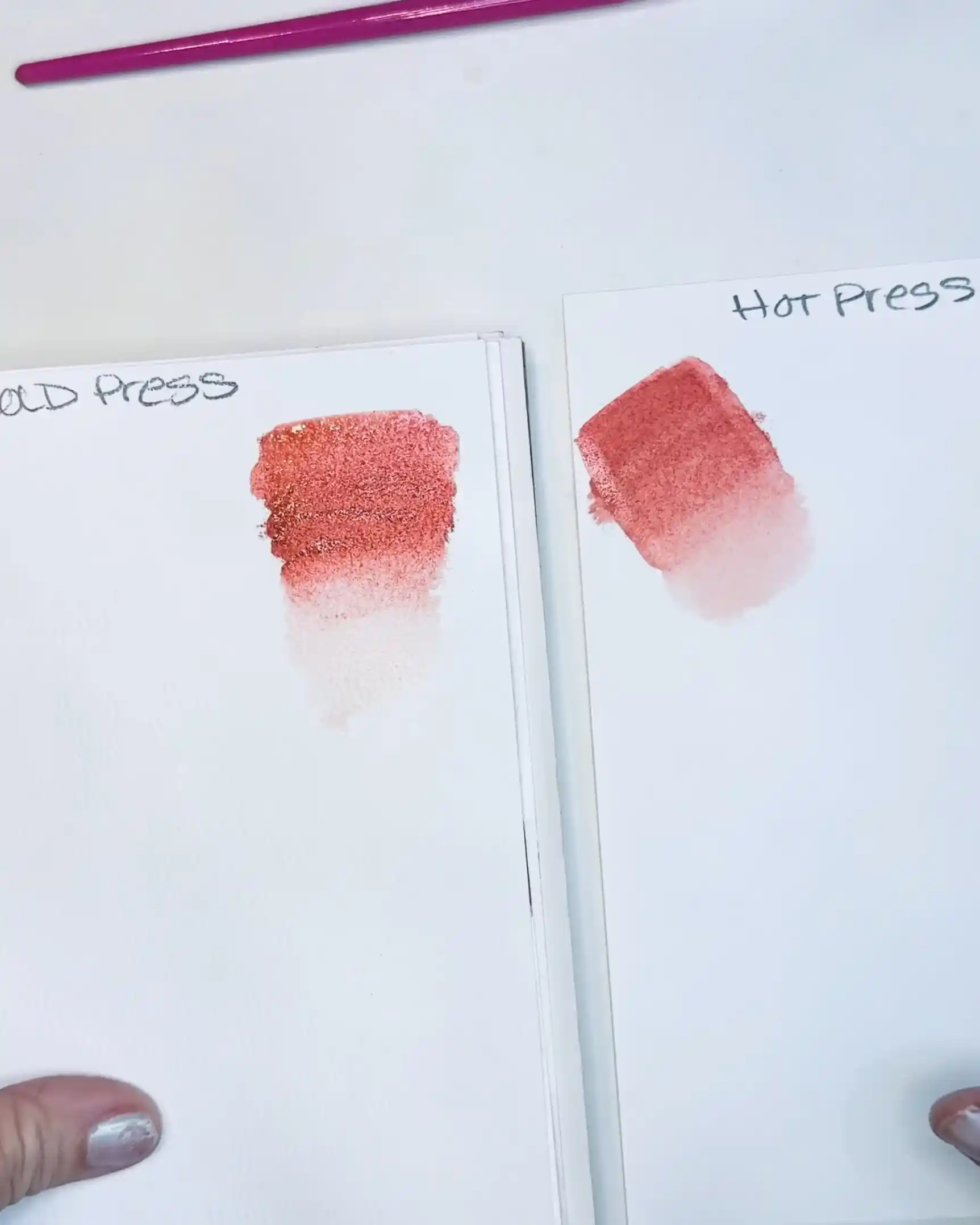
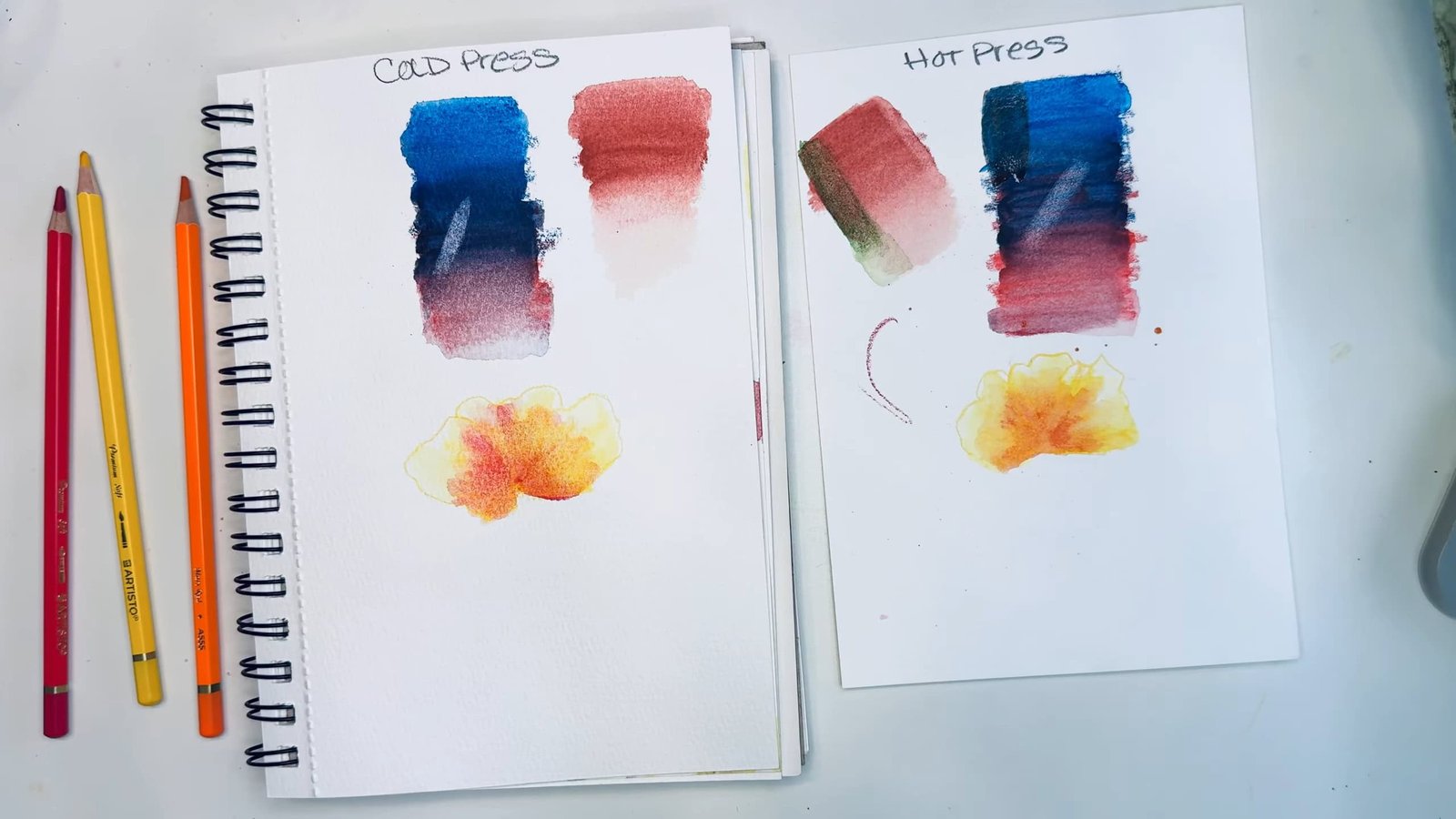
The lines on hot-press paper are much cleaner and crisper. This difference becomes very noticeable when creating detailed shapes or edges.
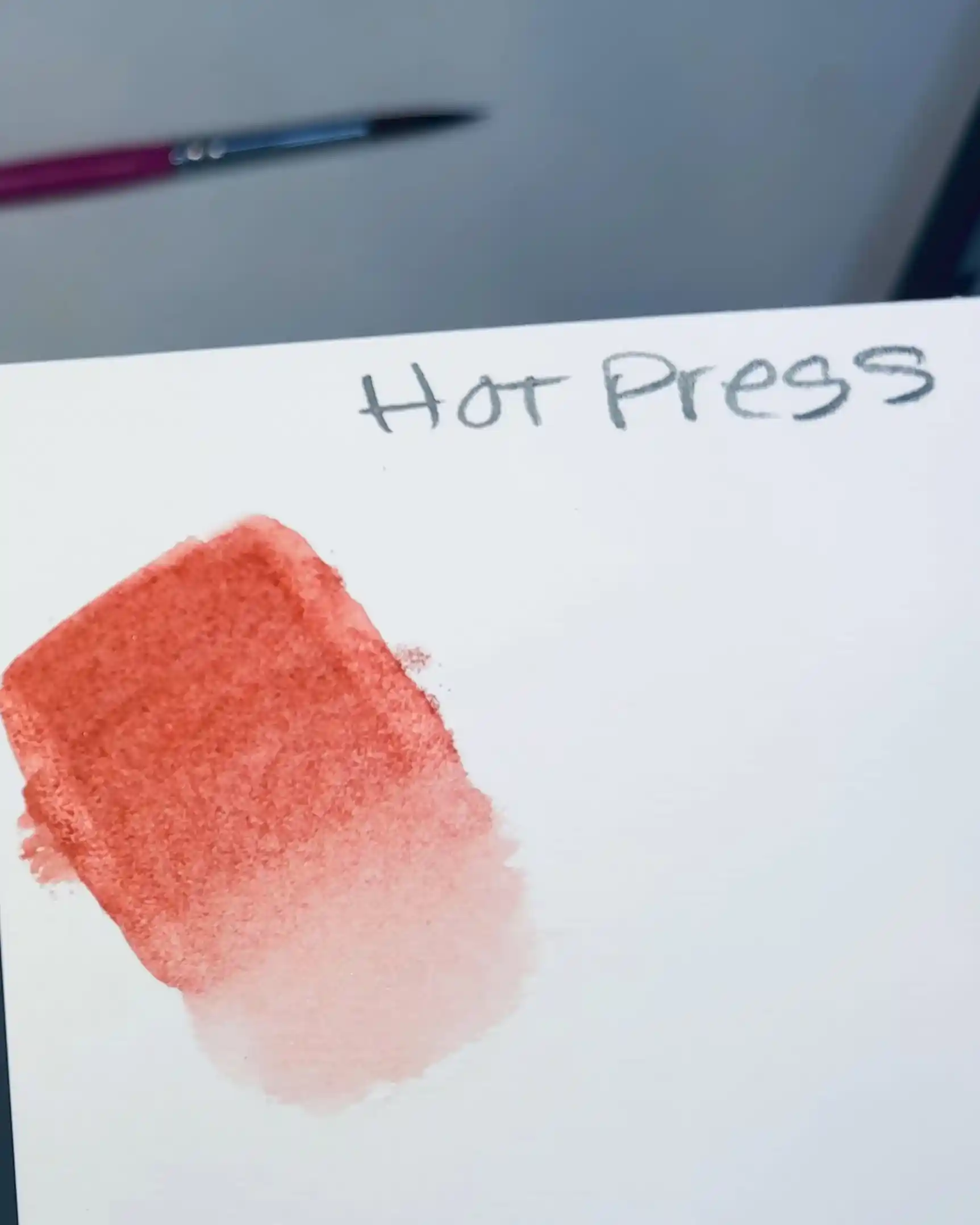
On cold-press paper, the lines are softer and more broken by the texture. That’s not a flaw—it simply creates a different feel.
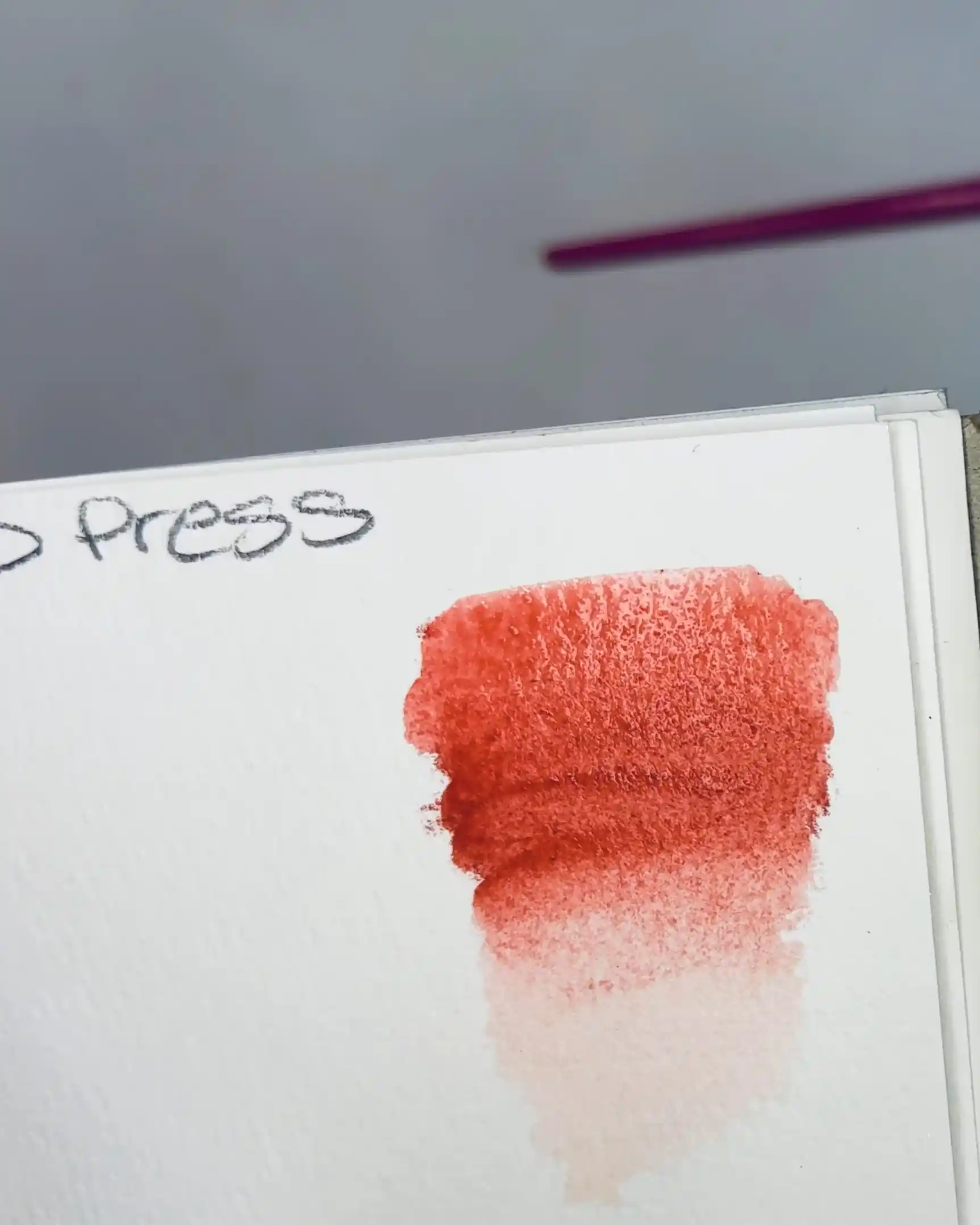
The artist does not notice much difference when doing a basic wash from dark to light. Both paper types handle that well. But again, on cold press, the paper’s texture shines through more.
And one more thing the artist has noticed: on hot press, the pigment sits longer on the surface. On cold press, it gets soaked in a bit faster. That can affect how long edges can be blended or softened.
Both are great. It just depends on what kind of look is preferred.
Layering and Glazing on Cold Press vs. Hot Press
When it comes to layering and glazing with watercolor pencils, the surface of the paper matters. The artist tested both hot press and cold press to see how they compare when mixing colors and building layers.
The results were fascinating—and worth sharing.
First Layers and Texture Visibility
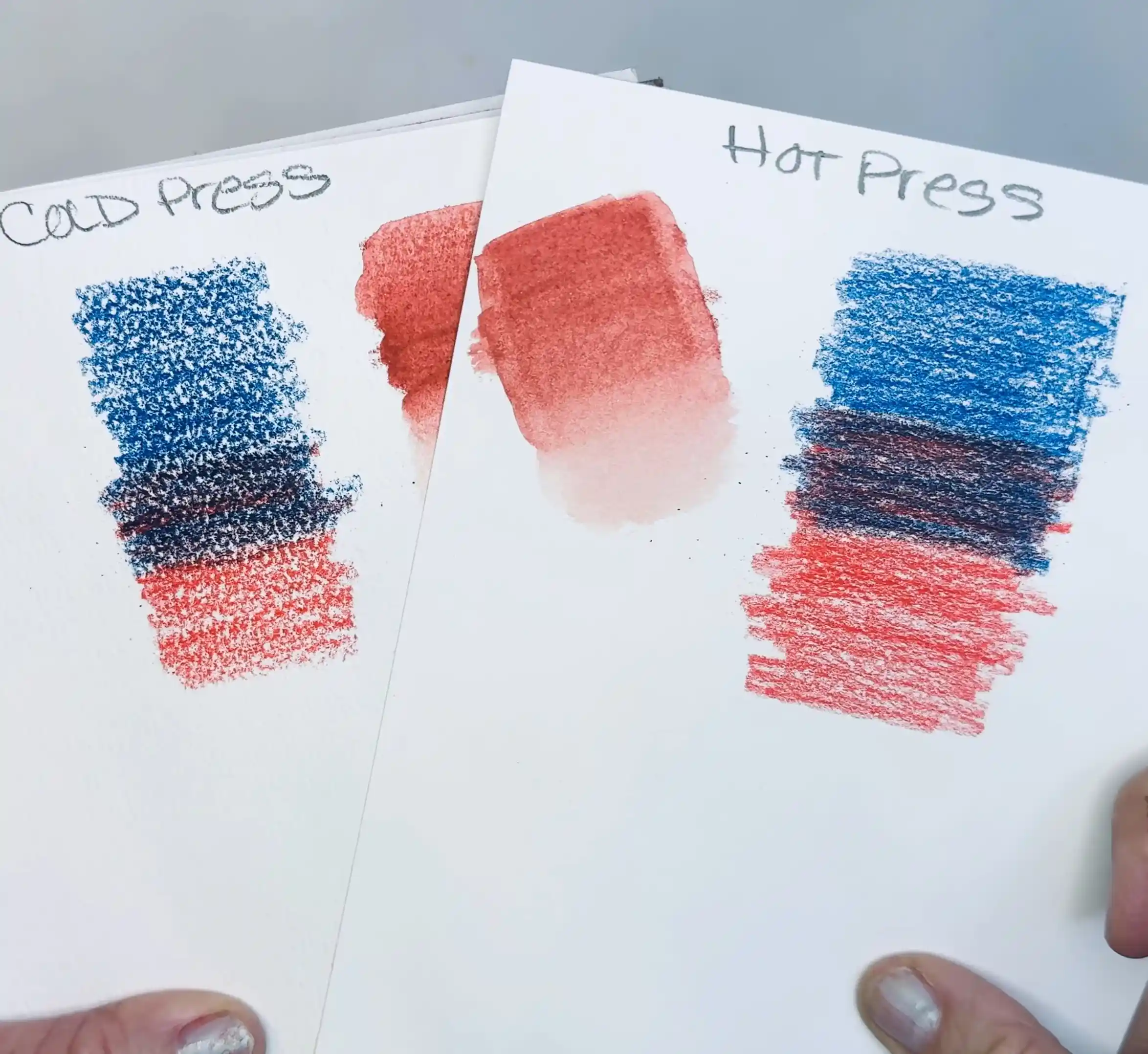
Starting with base colors, the artist uses a blue marker first to see how both paper types take on that first glaze.
- On cold press, the paper texture shows right away.
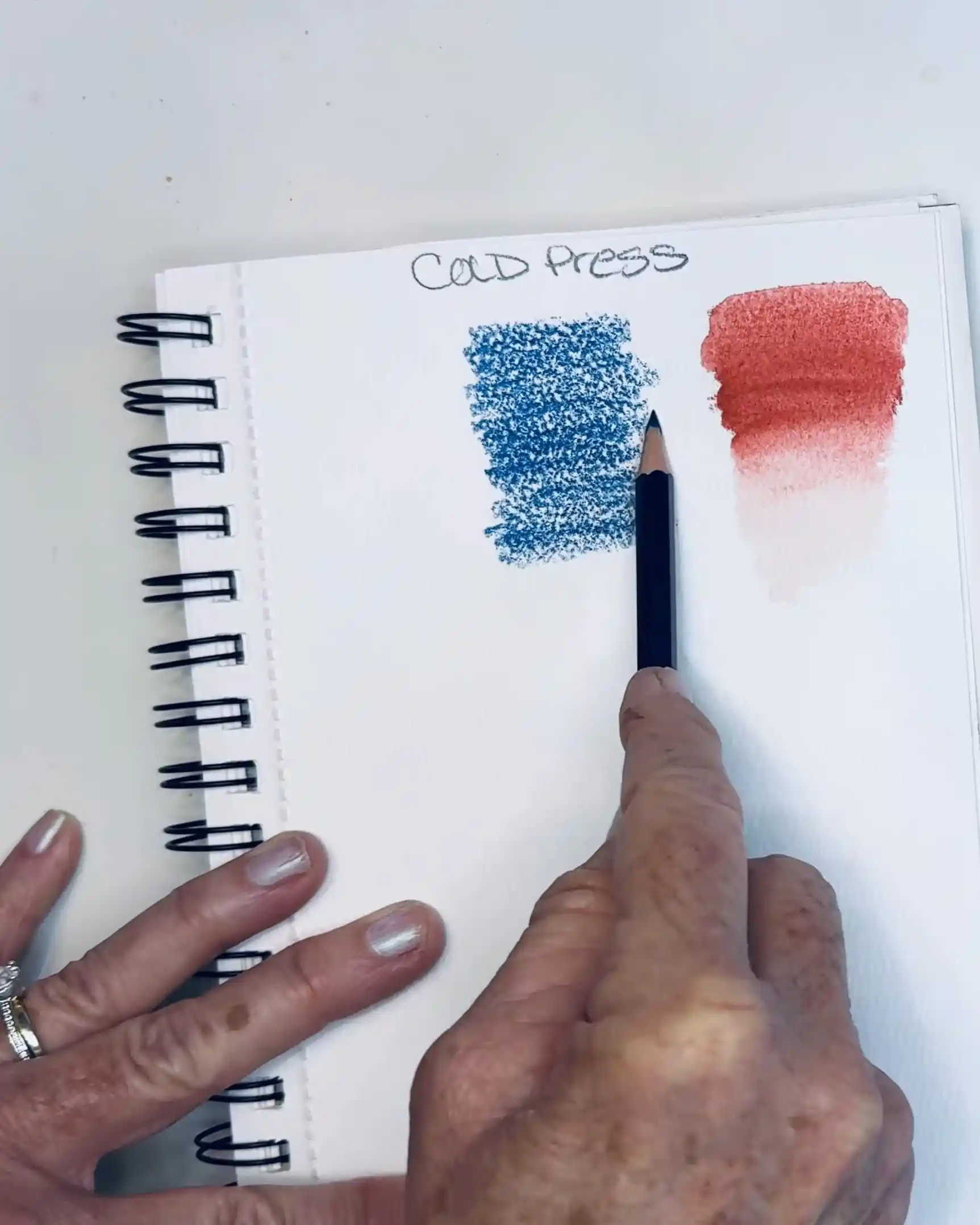
- On hot press, the color goes on more solid and smooth.
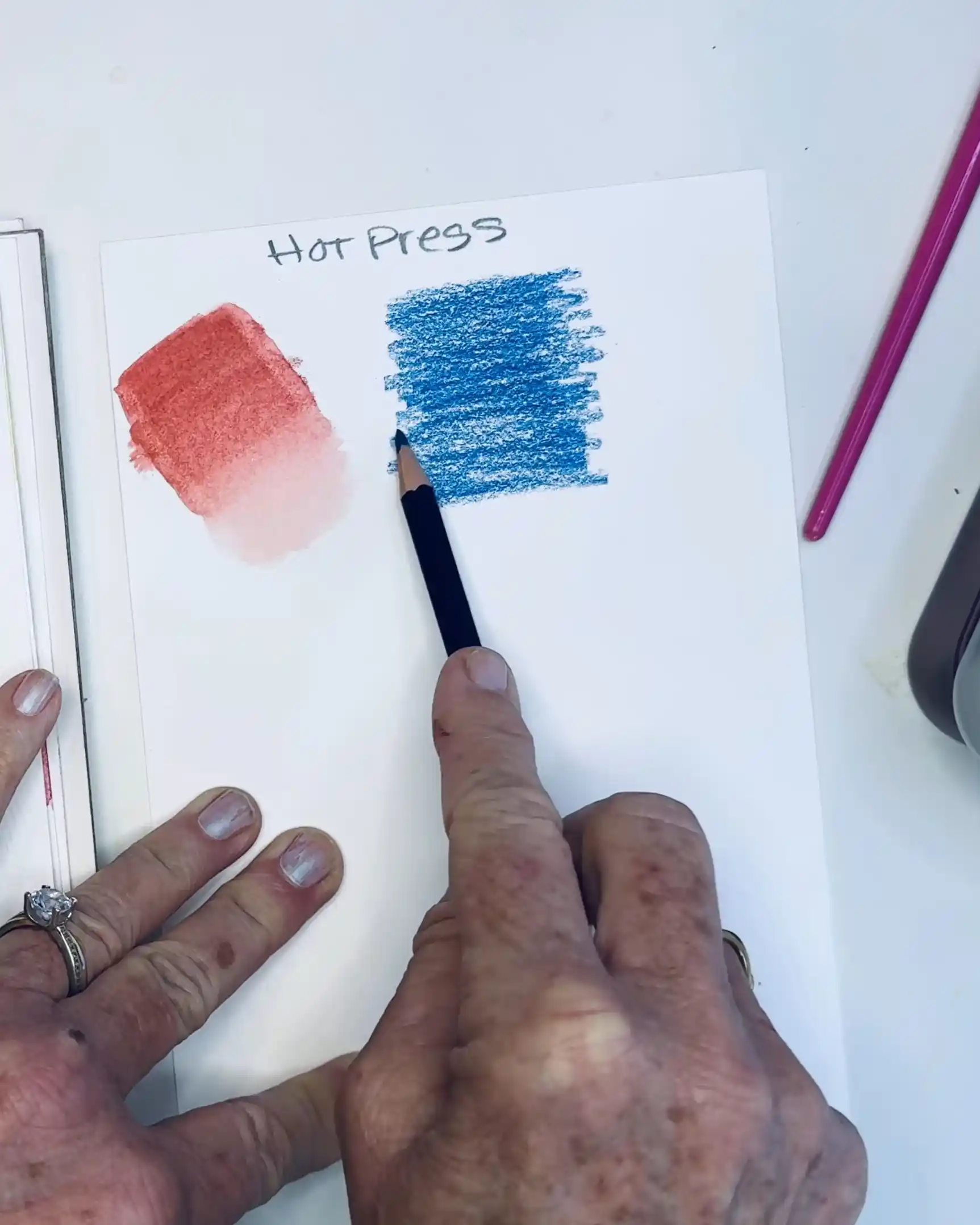
The difference is visible even before adding water. Next, the artist added a warm, orangey-red top layer to see how the two colors would mix.
Without water, a bit of purple already forms where the two meet.
The artist also points out that watercolor pencils can be used dry like this, just like regular colored pencils. No water is required.
Here’s the result:
- On the hot press: The texture is pretty smooth.
- On the cold press: There is a lot of that white paper showing through.
Adding Water for the Glazing Effect
Now, let’s add water and create that soft, blended look. This is where things get even more interesting.
On hot-press:
- On the hot press: The texture is pretty smooth.
- On the cold press: A lot of the white paper shows through.
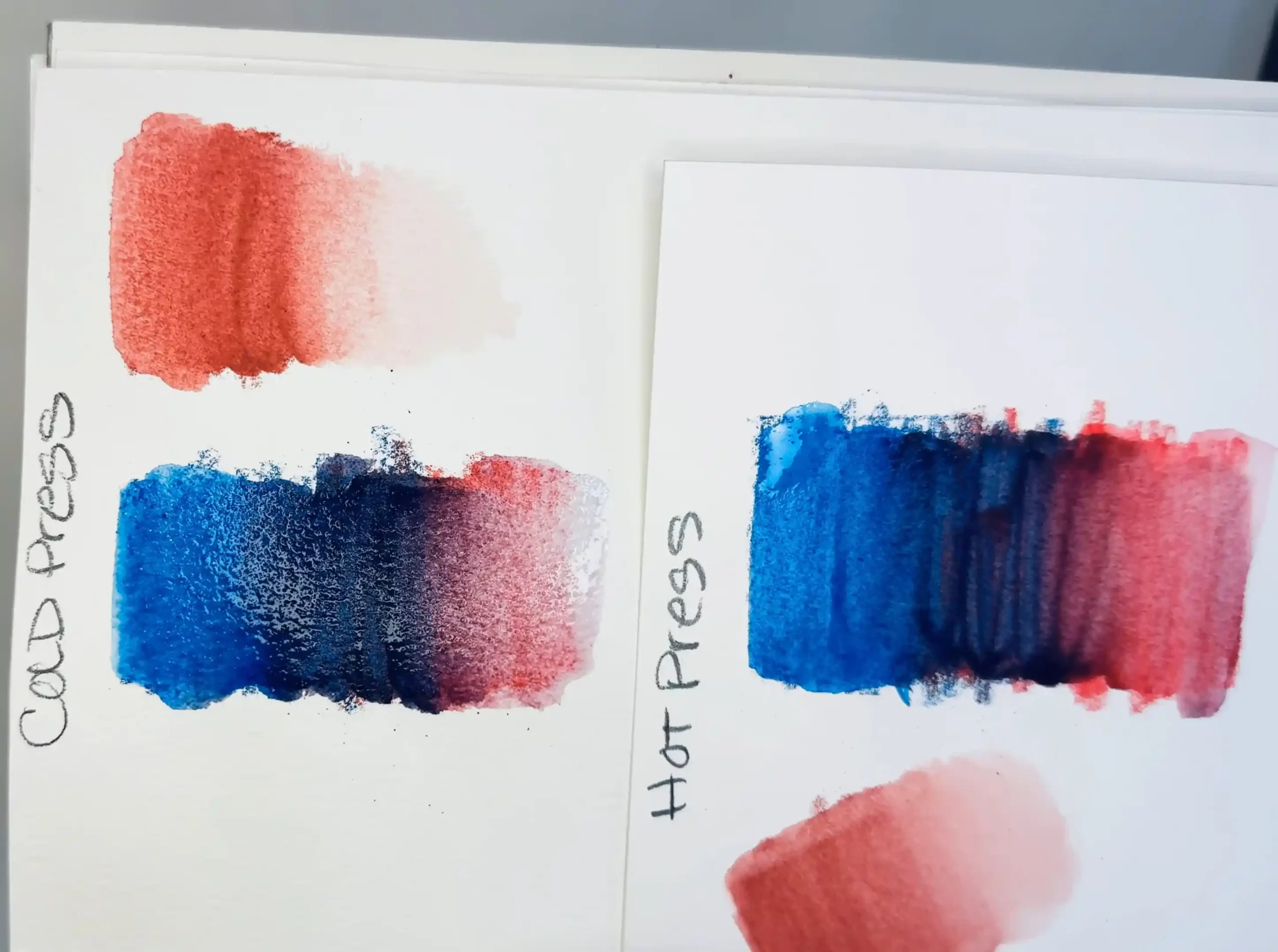
- The result after adding red to blue on two paper types
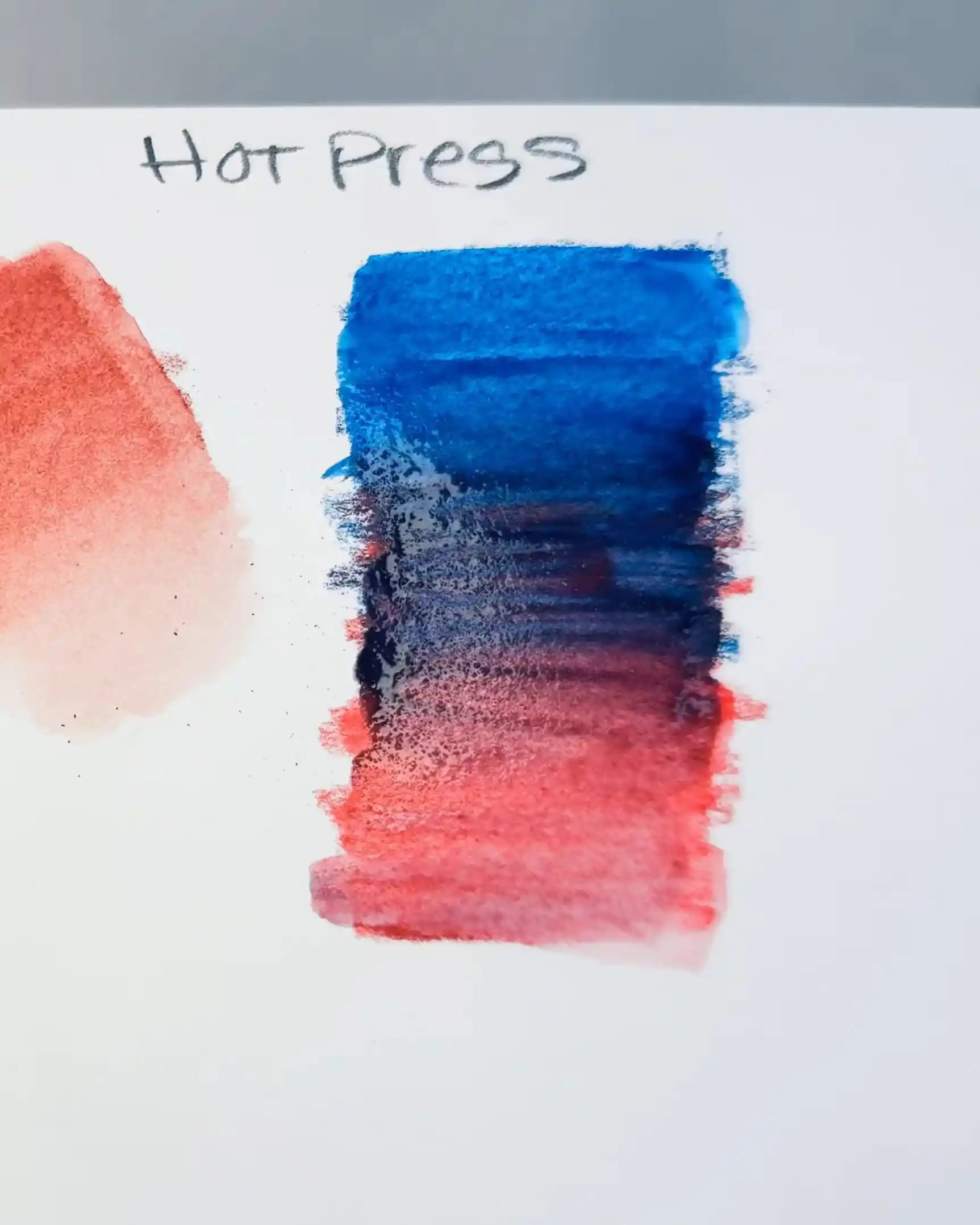
It’s super smooth, with hardly any texture showing through.
On cold press:
- The water spreads smoothly.
- The paint sits on the surface longer, giving more working time.
- The blend of blue and red creates a nice, even purple area in the middle.
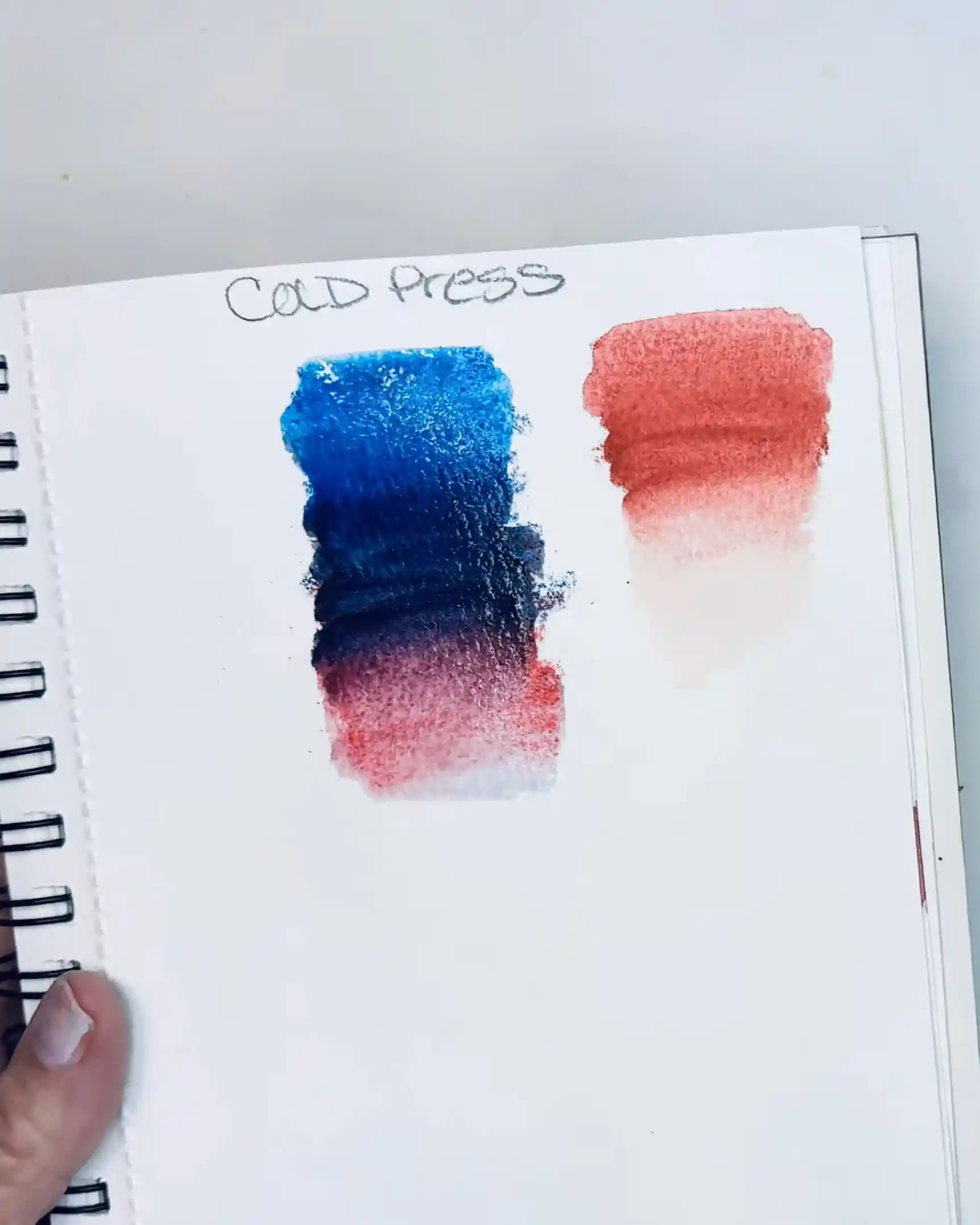
It is super smooth, with hardly any texture showing through.
Even though both surfaces give a nice blend, the finish is different. Hot press looks polished, while cold press gives a natural, textured vibe the artist enjoys.
Painting a Flower Petal: Real-Time Comparison
Painting a flower petal is a great way to test how watercolor pencils behave on different papers. The artist used both hot press and cold press to observe differences in layering, blending, and glazing.
Sketching the Petal and Pencil Care Tips
To start, the artist sketches a flower petal on both hot press and cold press paper using a goldish-yellow pencil, gently coloring in the shape with no hard pressure.
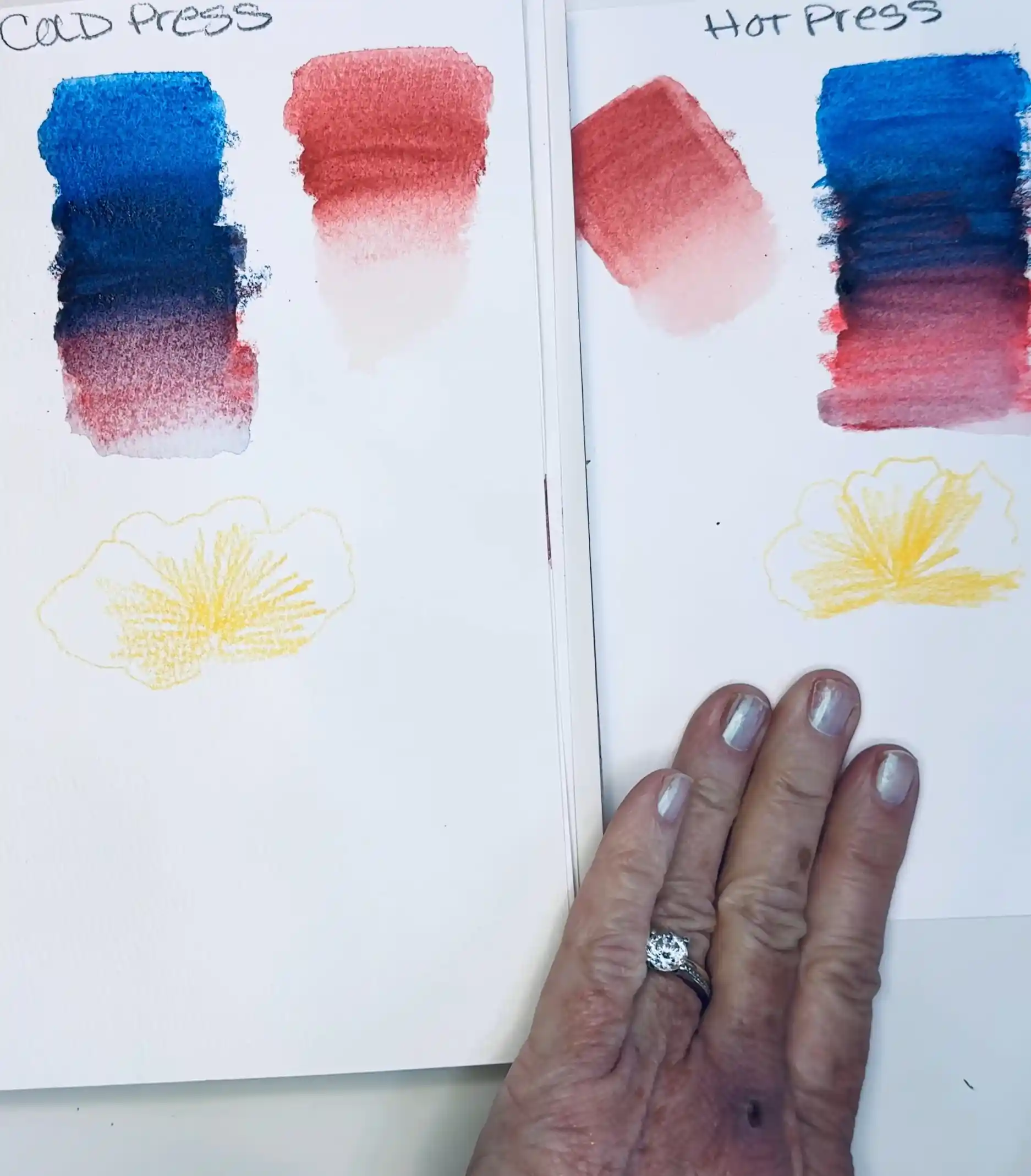
Watercolor pencil cores are much softer than regular colored pencils, so the artist avoids using a sharp point, which can break easily—especially after harsh sharpening.
Here’s how the artist keeps pencils safe:
- Avoid electric sharpeners; they are too harsh and waste pencil.
- Do not twist the pencil—turn the handheld sharpener instead.
- Use an X-Acto knife for better control and protection of the core.
- Try a sandpaper sharpener for gentle shaping.
- I’ve learned this the hard way. If your pencil tip keeps falling out, the core probably cracks during sharpening.
The artist learned this the hard way: if a pencil tip keeps falling out, the core likely cracked during sharpening.
Blending Yellow from Light to Dark
Now comes the fun part—adding water. This clearly shows how different the two papers behave.
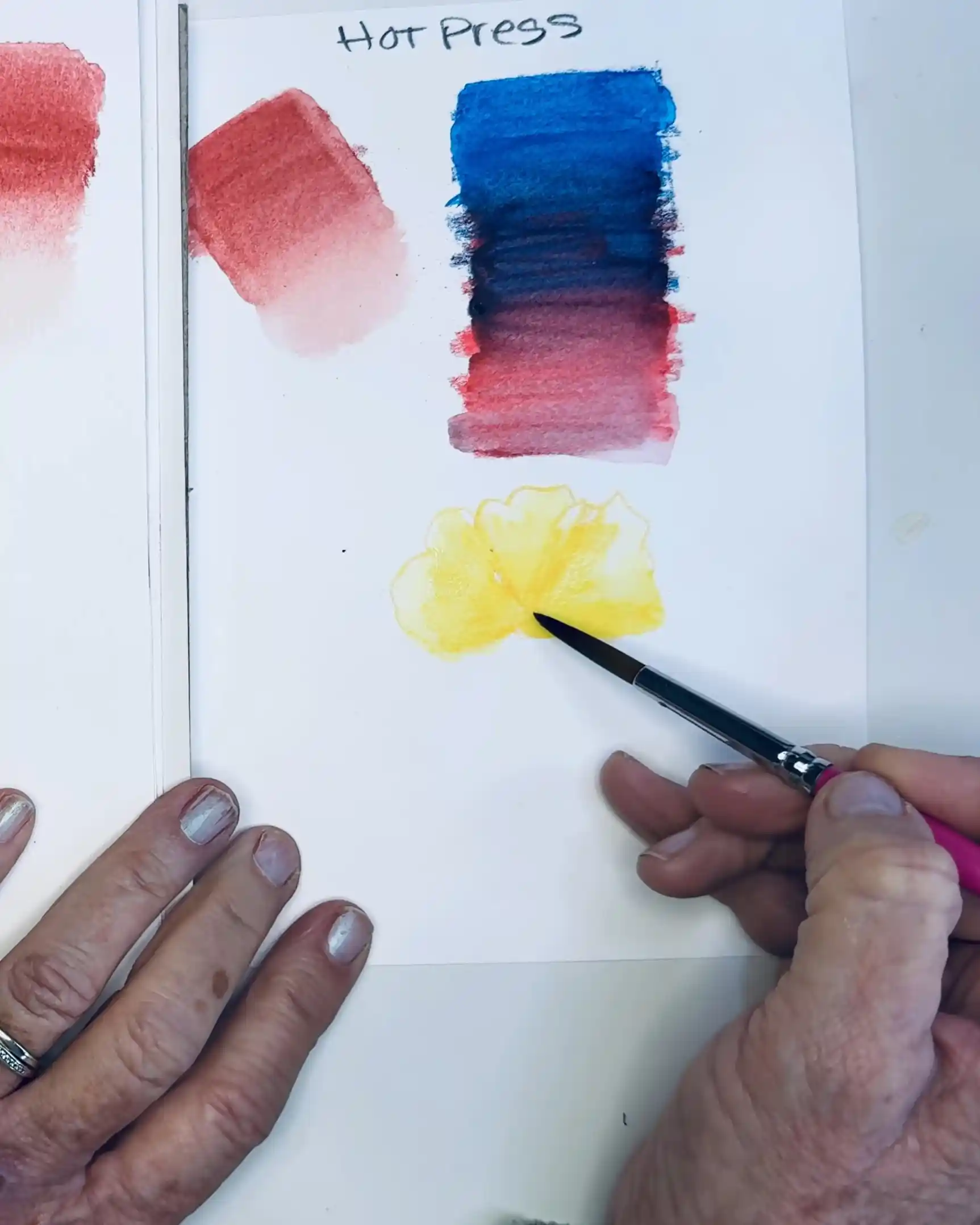
On hot press:
- The artist wets the brush and starts blending from the center out.
- Then rinses and wipes the brush, blending from the edge inward.
- This creates a soft, light-to-dark gradient with a very smooth finish.
On cold press:
- The same technique is used—wet from the middle, then rinsed and blended inward.
- It blends nicely too, but the texture is much more noticeable.
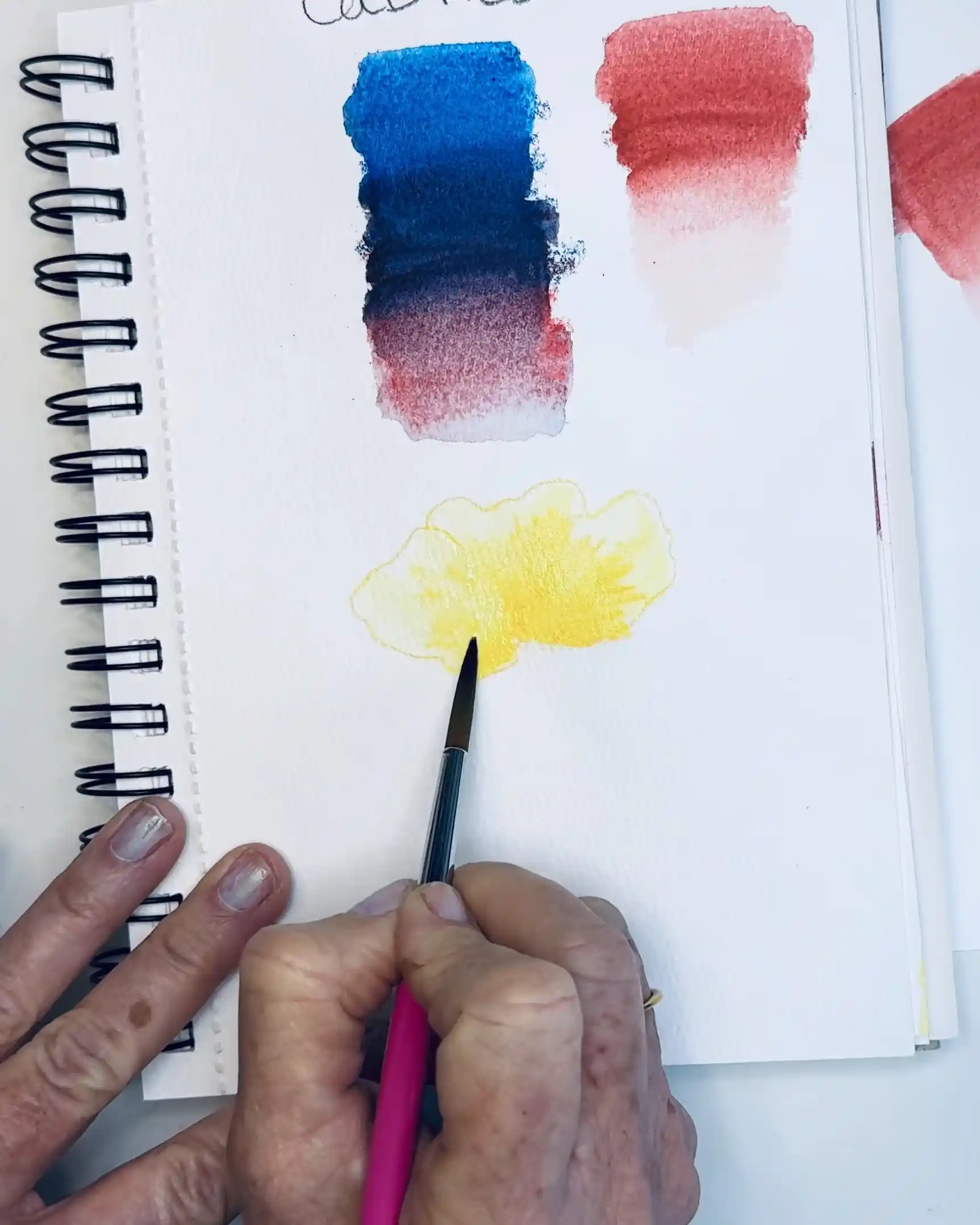
Both results are beautiful, but hot press gives a silky, even finish, while cold press gives a textured watercolor look. The artist likes both depending on the desired style.
Glazing with Red and Layering with a Wet Pencil
Once the yellow layer dries, the artist adds red to the center of the flower to test layering and glazing on each surface.
First, the artist uses a red pencil to color the core area directly.
- On both papers, the result is subtle because only a small amount of red is used.
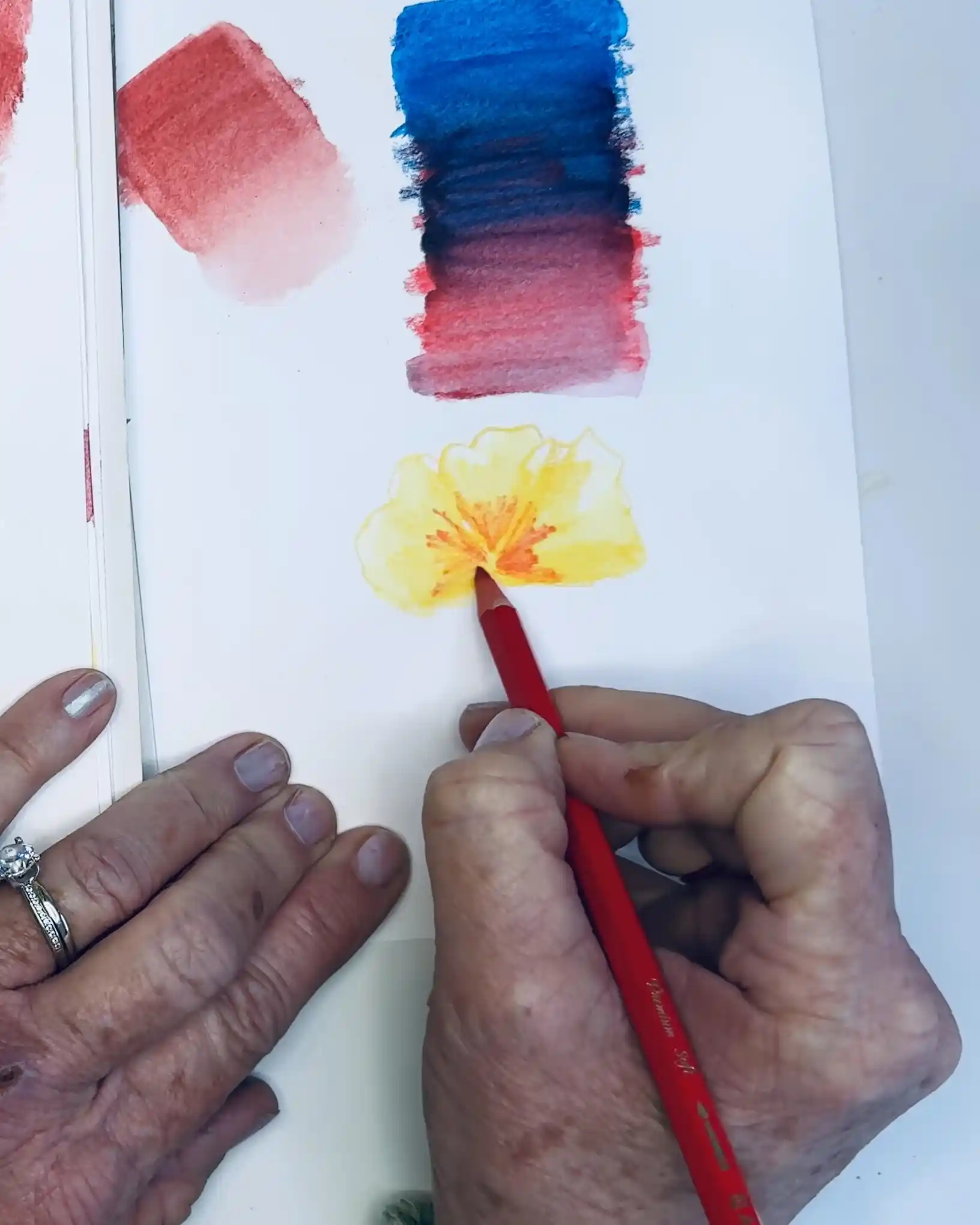
- Then, the artist wets it with a brush to blend it gently.
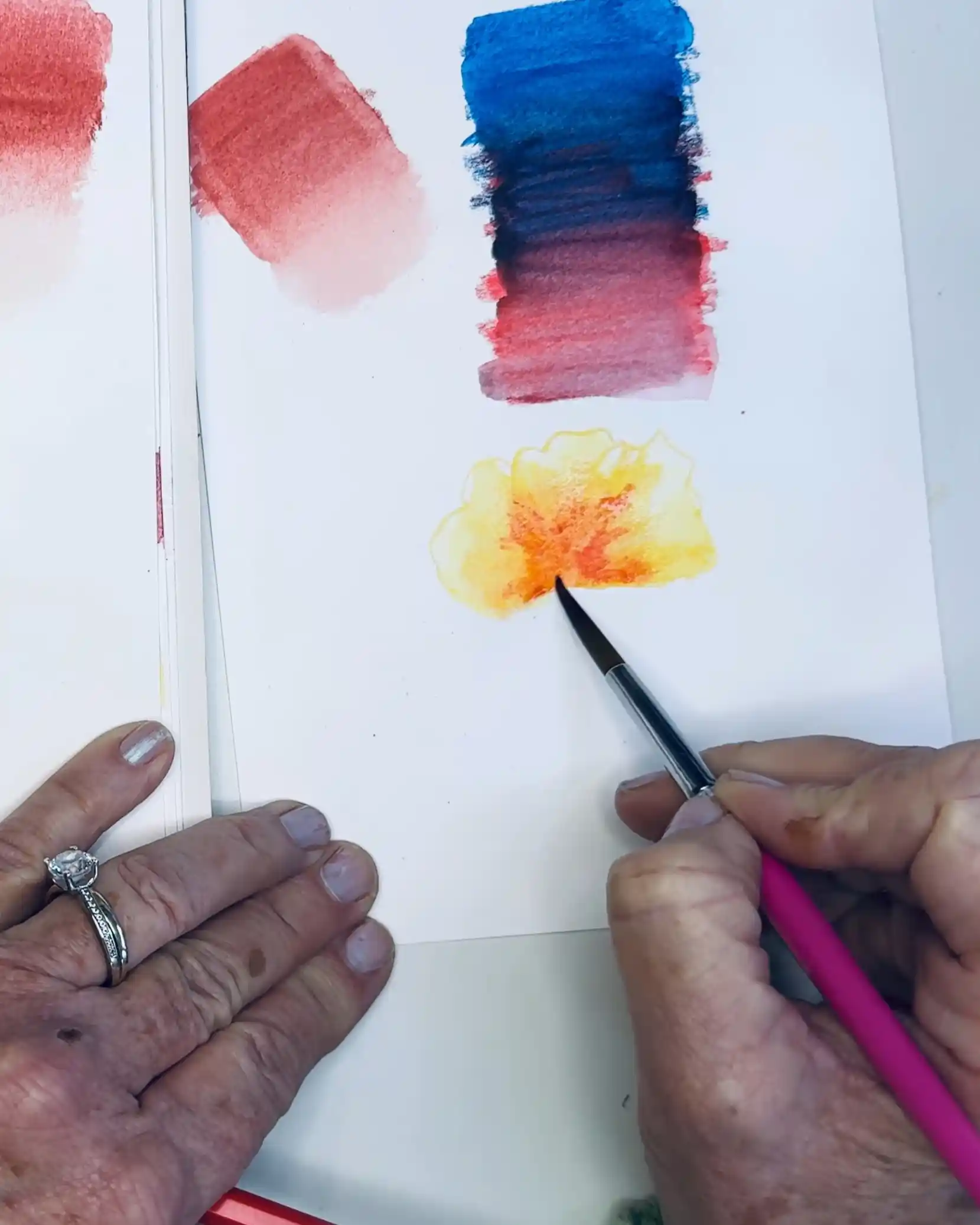
But here’s a trick the artist loves—grabbing color directly from the pencil. It works just like using watercolor paint. The artist dips a wet brush into the pencil and uses that paint straight on the paper.
The result: much richer and smoother color. It blends better, especially for layering.
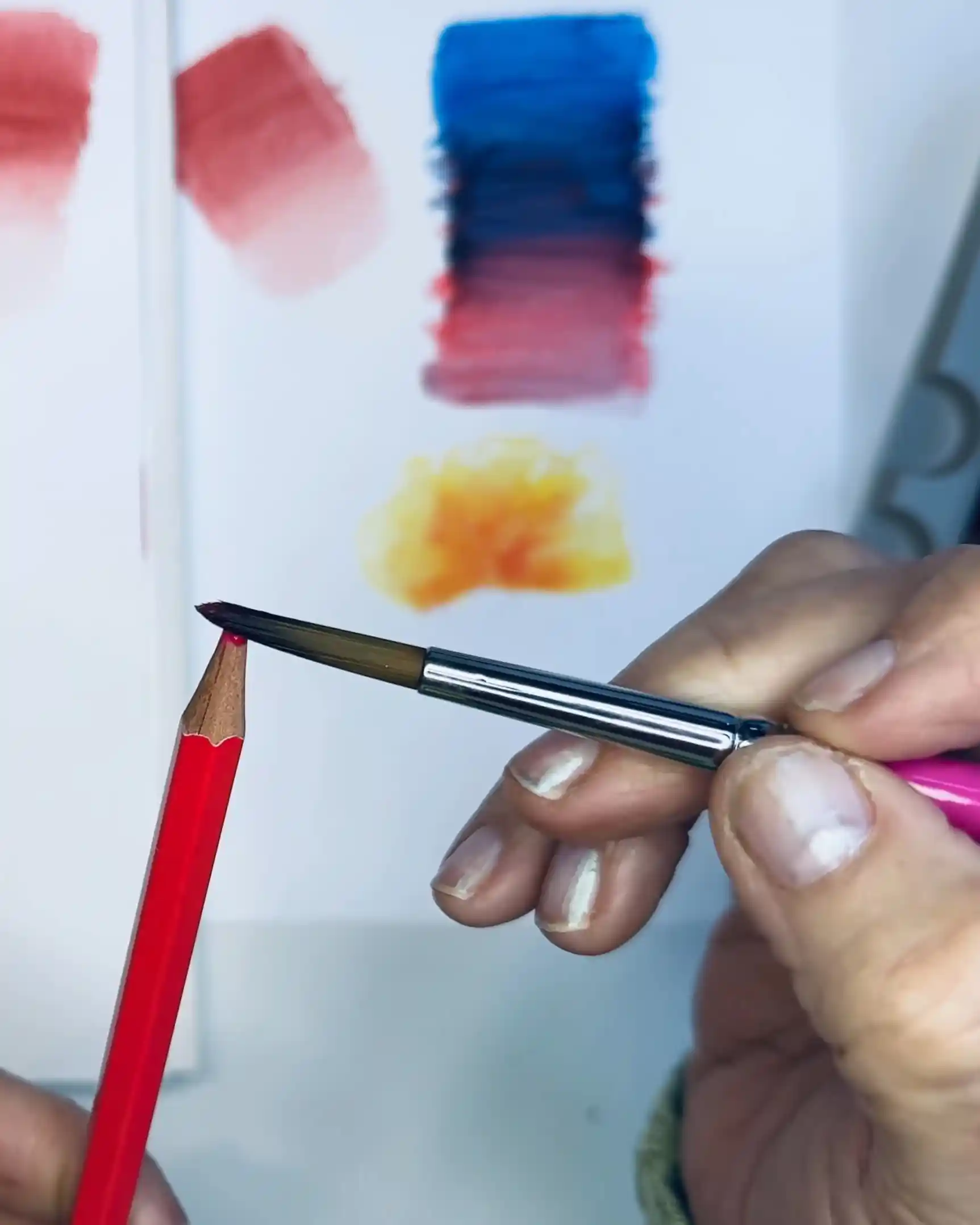
The artist does this again on the cold-press paper:
- The artist grabs color from a Ruby Red pencil.
- The artist applies it to the center of each flower.
- Then, the artist rinses and softens the edges to blend the color.
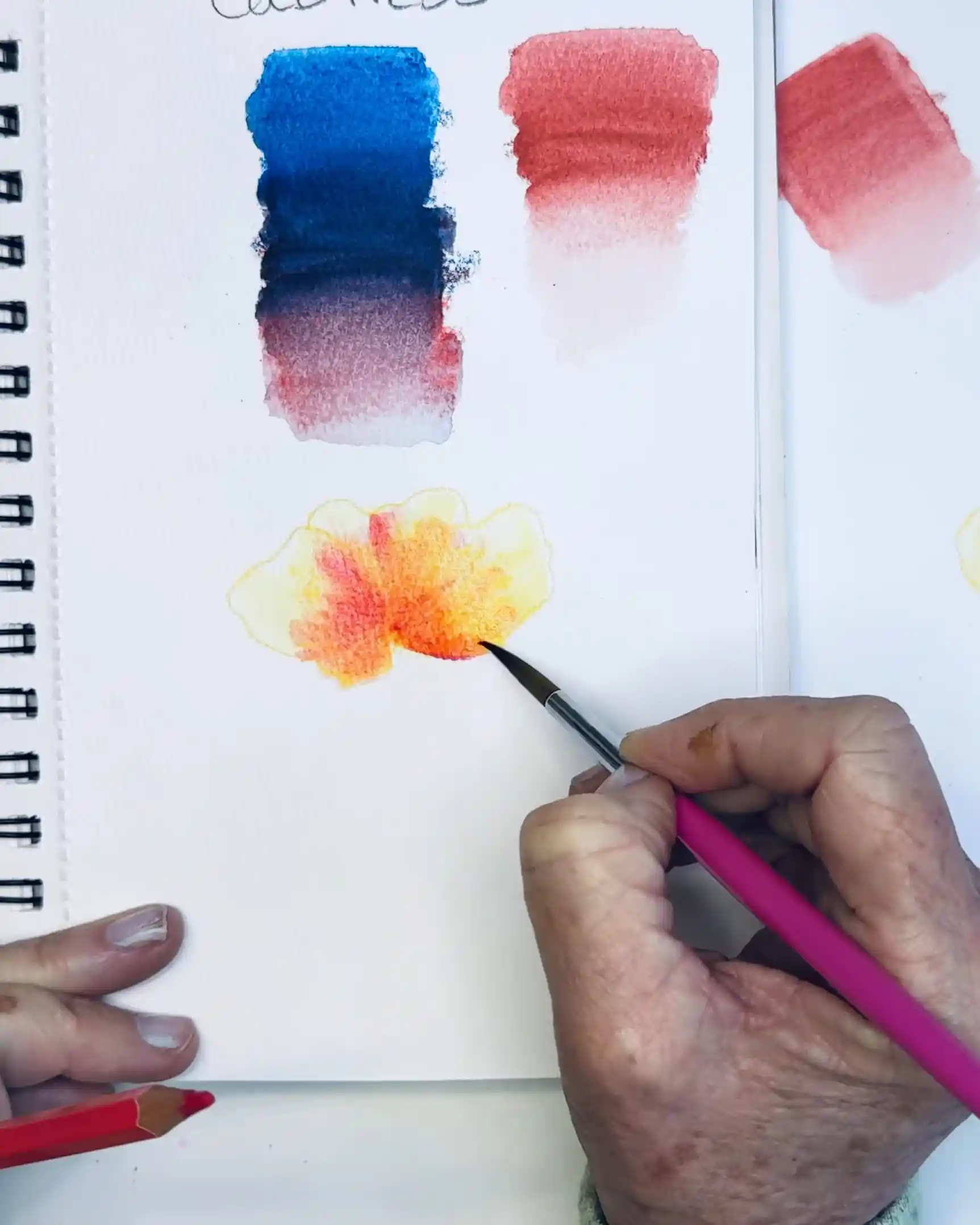
So that is the artist’s real-time comparison of painting flower petals on hot press vs. cold press. Both perform beautifully, each offering slightly different looks and feels.
Hot press might become the preferred choice for those who enjoy a smooth, painterly finish. Cold press offers a pleasing paper texture and a classic watercolor look.
Either way, watercolor pencils offer a great deal of flexibility, and layering in this way brings the flowers to life.
Lifting Techniques: Can Mistakes Be Fixed?
Fixing mistakes is always a concern when working with watercolor pencils. The artist usually doesn’t lift colors much because it can be tricky, but a comparison test on both cold press and hot press papers reveals how well lifting works.
Trying Lifting on Cold Press
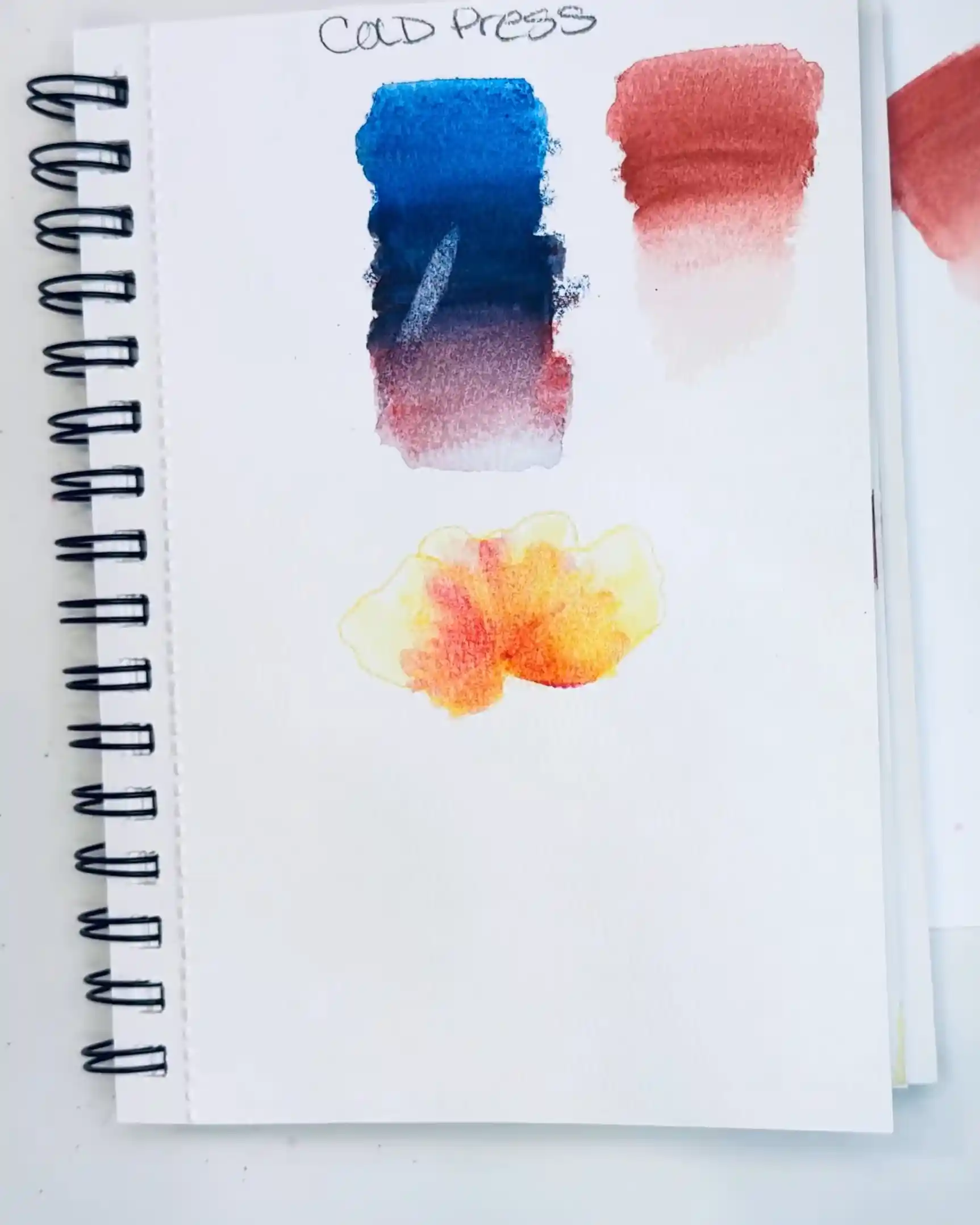
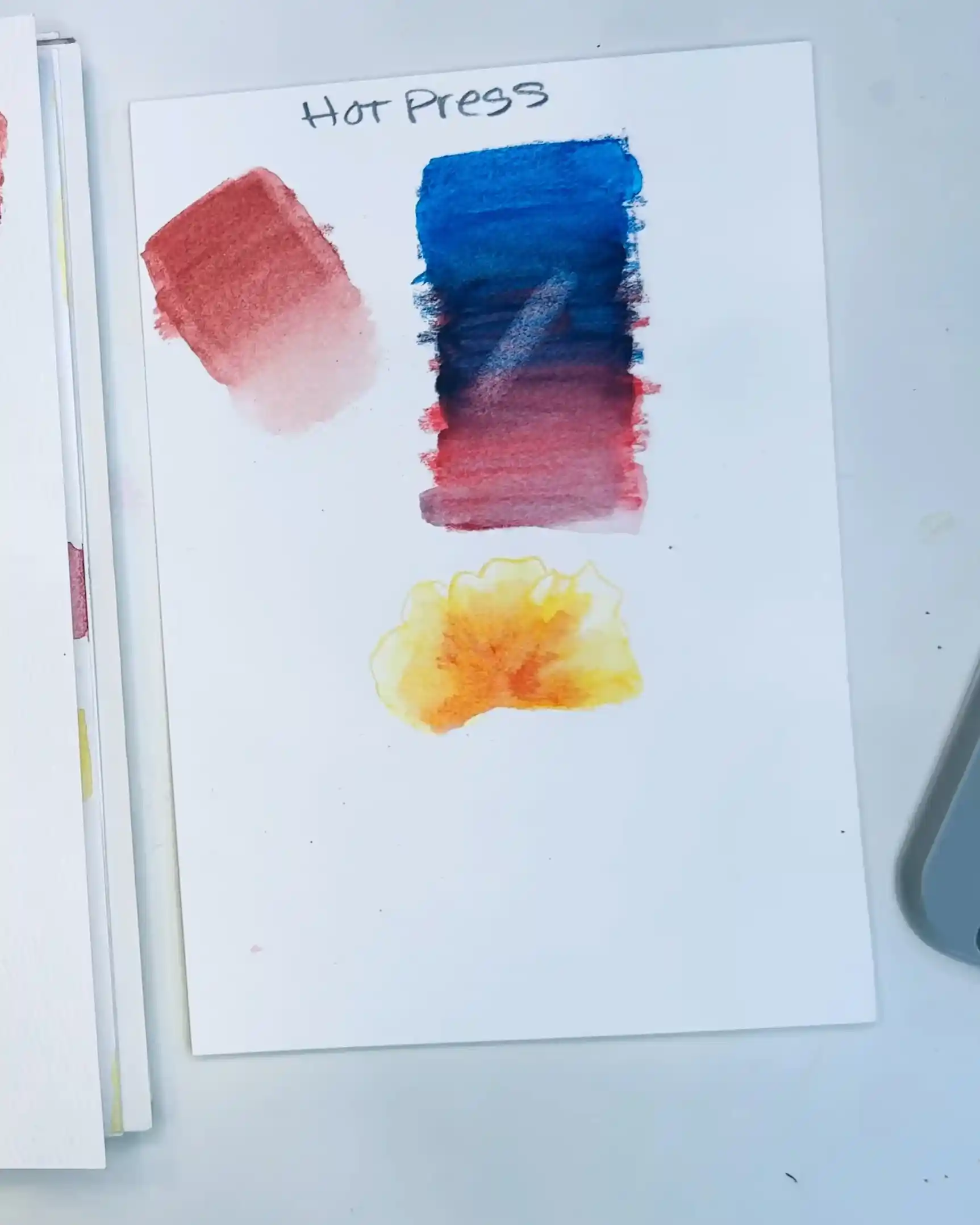
The artist starts by wetting an area on the cold press paper where a purple-blue color was applied. Using a napkin, the artist gently lifts the pigment. Surprisingly, it lifts well—showing that even though watercolor pencils can be challenging to lift, it is still possible.
Testing Lifting on Hot Press
Next, the artist tries the same technique on hot-press paper—wetting the pigment and lifting it with a napkin. The results are about the same as on cold press. Both papers allow for reasonable lifting.
What Does This Mean?
Basically, the choice between hot press and cold press comes down to the preferred look and feel. Both support lifting techniques to some extent.
Experimentation is not something to fear—even mistakes can be partially corrected, making watercolor pencils a flexible and forgiving medium.
Final Tips: Shading, Color Theory & Pencil Care
Here are some final tips the artist uses to bring watercolor pencil art to life. Shading and understanding color theory make a noticeable difference.
Using Complementary Colors for Shading
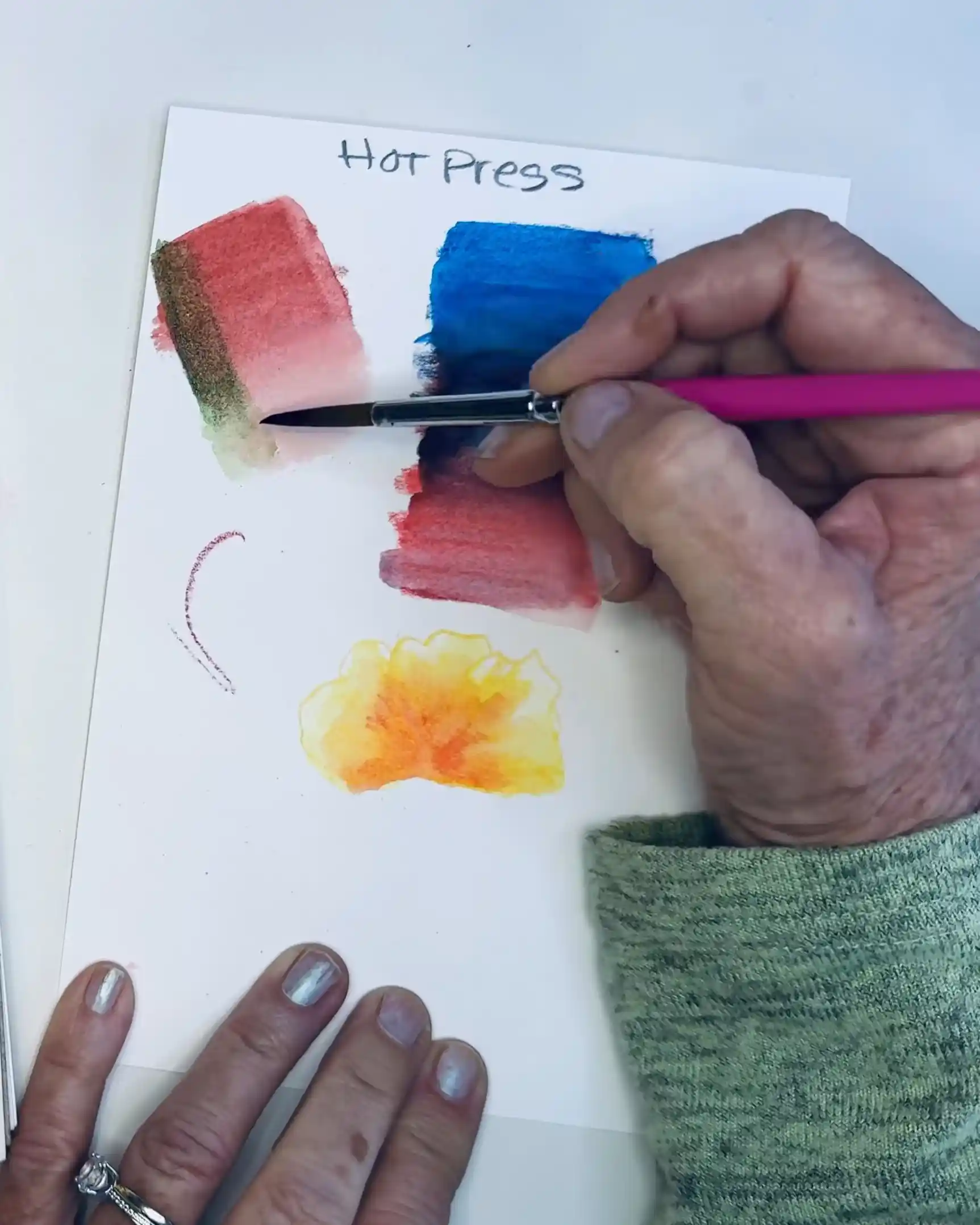
When the artist wants to add shading, the artist uses the opposite color on the color wheel. For example, when shading a red area, some green is added because green is red’s complementary color.
This combination creates a muted, shadowy effect that adds depth.
Applying Shadows to Blues
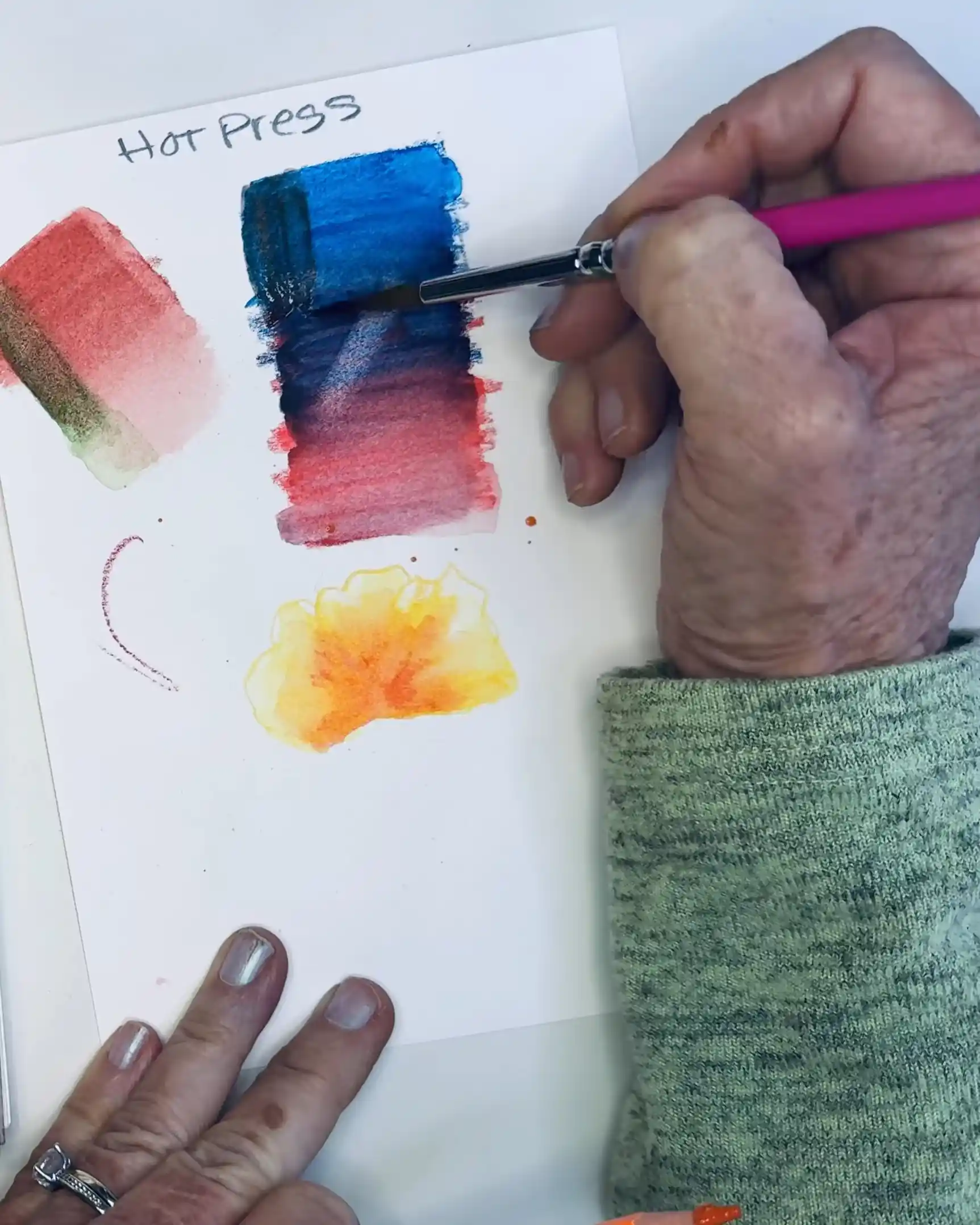
The same idea works with blue. Its opposite color is orange. Adding orange to blue creates natural-looking shadows that help the color stand out. This technique is especially helpful when creating realistic shading.
Caring for Your Pencils
A quick tip about pencil care: watercolor pencils should always be handled gently. The soft cores break easily, so electric sharpeners are avoided.
Instead, the artist prefers sharpening by hand or using sandpaper tools to keep tips in good shape.
The Bottom Line
Choosing between cold-press and hot-press paper depends entirely on the style being created. Each offers unique textures and influences how watercolor pencils behave.
Which one will be chosen next? The artist hopes this comparison provides more confidence in exploring both and discovering the perfect match for each creative project.