What makes watercolor pans, tubes, and liquid watercolors different from each other?
Many artists start with one type and later switch or even combine formats. Each has unique qualities, strengths, and challenges.
In her guide, Makoccino shares her thoughts and experience with all three formats. Let’s explore their features, benefits, and drawbacks so you can choose the right watercolor option for your art.
Watercolors in Pans: Features, Benefits, and Drawbacks
Watercolor pans are a classic choice for many beginners and professionals. They are small, portable, and easy to use.
Let’s break down what makes them unique.
What Are Watercolor Pans?
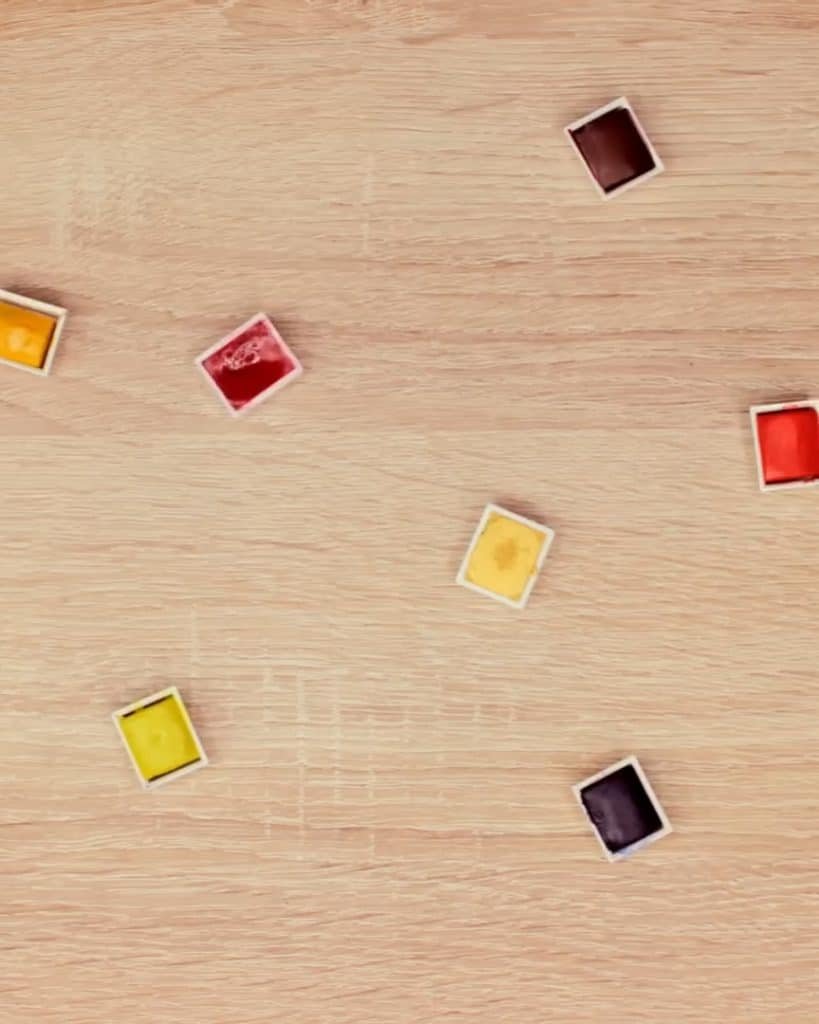
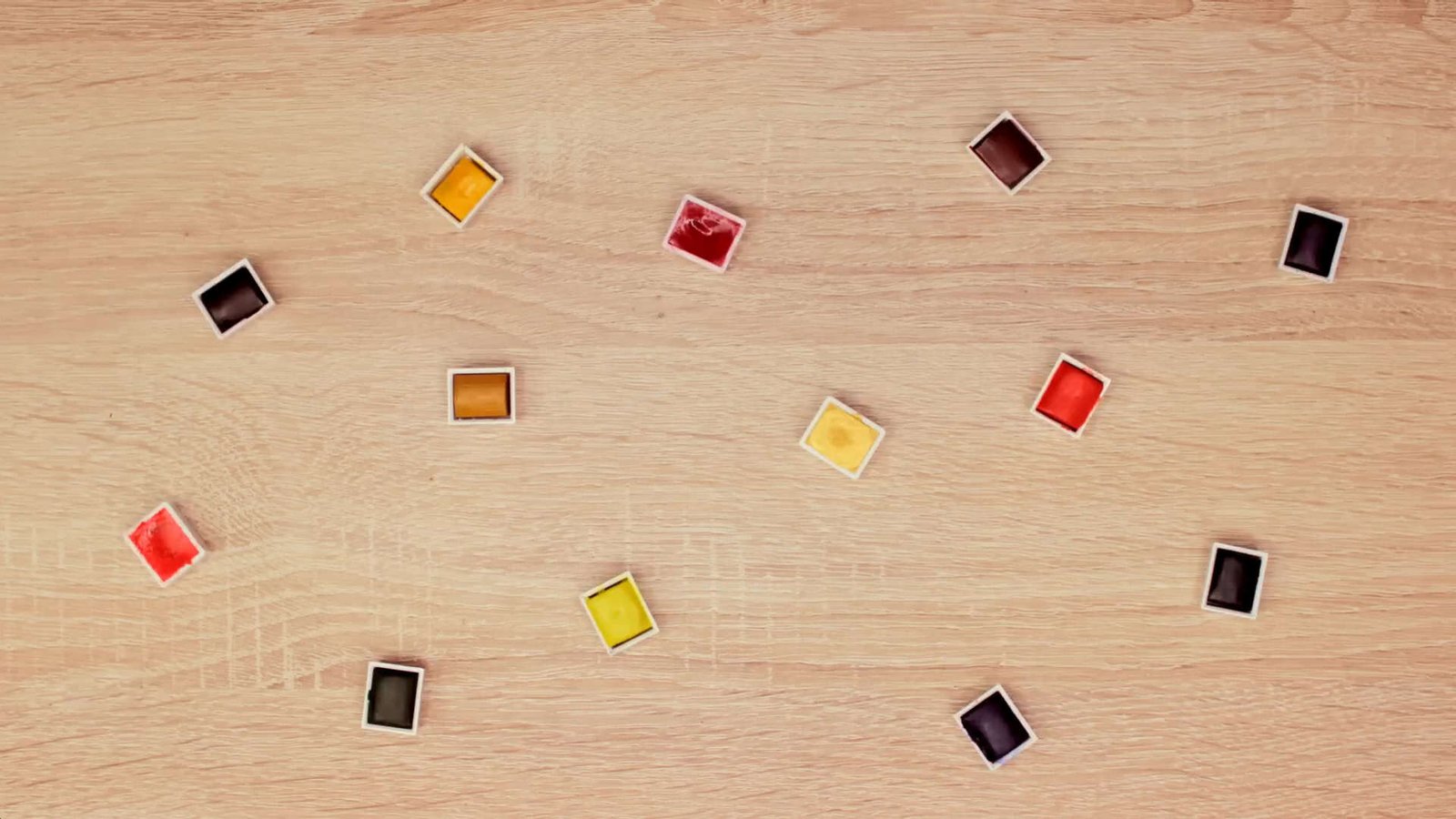
Watercolor pans are made of pigments, binders, and additives pressed into small plastic containers. They come in half pans or full pans.
You can buy watercolor pans in sets or individually. Most sets include a mixing palette.
Advantages of Using Watercolor Pans
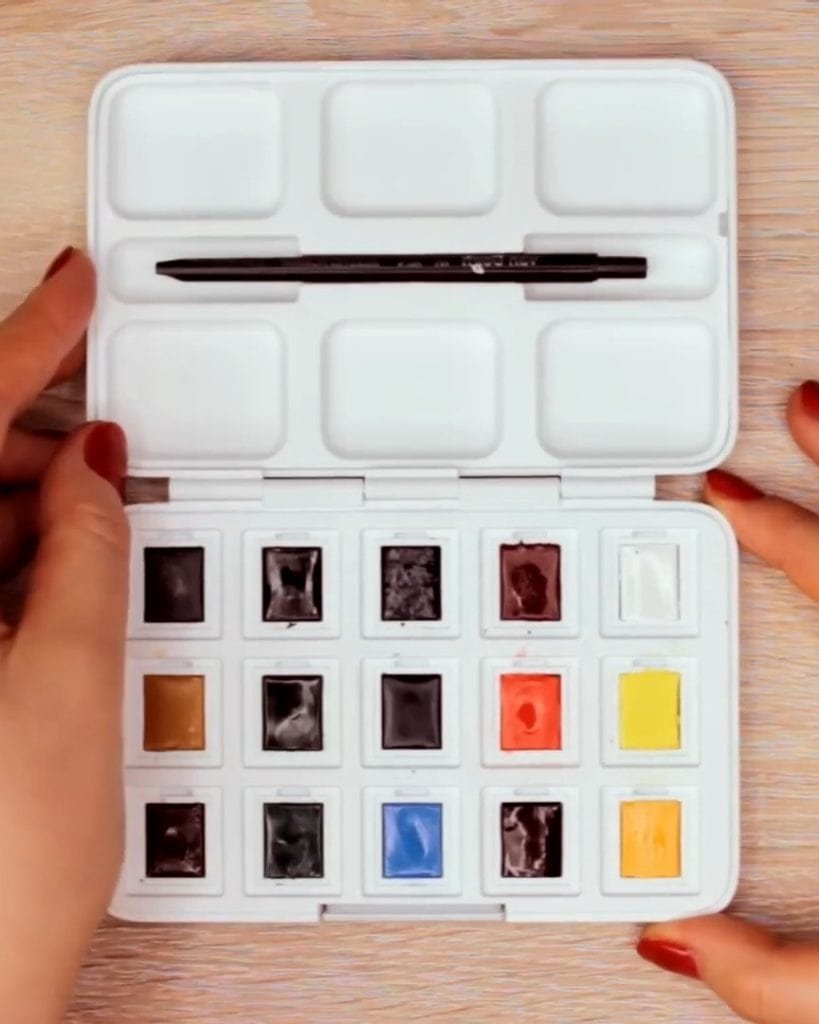
Makoccino highlights how convenient pans are. They:
- Store easily in small boxes.
- Travel well for outdoor sketching.
- Provide just enough paint for each project.
They are simple, reliable, and perfect for beginners and outdoor artists.
How to Use Watercolor Pans
To activate pans, add a little water to soften the surface. Then you can:
- Load paint directly onto your brush
- Or move paint to the mixing palette to adjust intensity or mix colors
Since you need to go back and forth to collect enough pigment, mixing a color can take more time.

Common Issues with Watercolor Pans
But pans have some downsides. Getting enough pigment can take time because you go back and forth with the brush.
If you scrub too much, your brushes may wear out. Colors also get dirty over time if the palette is not cleaned properly.
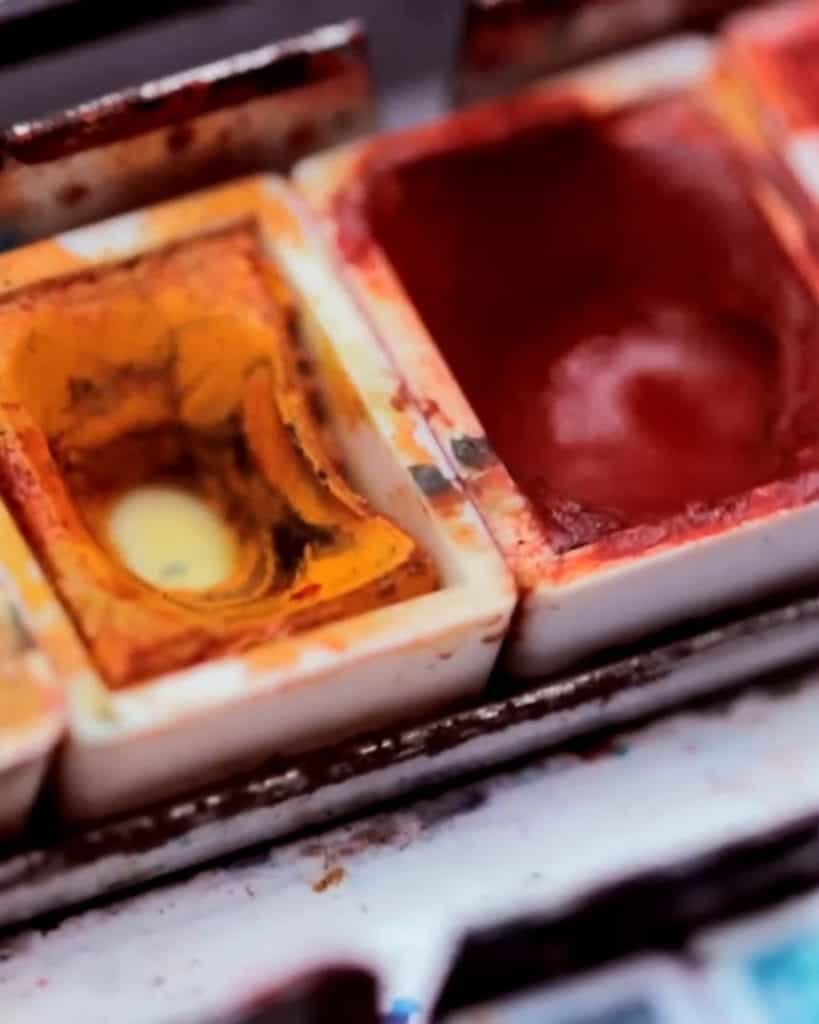
Customizing Watercolor Pans
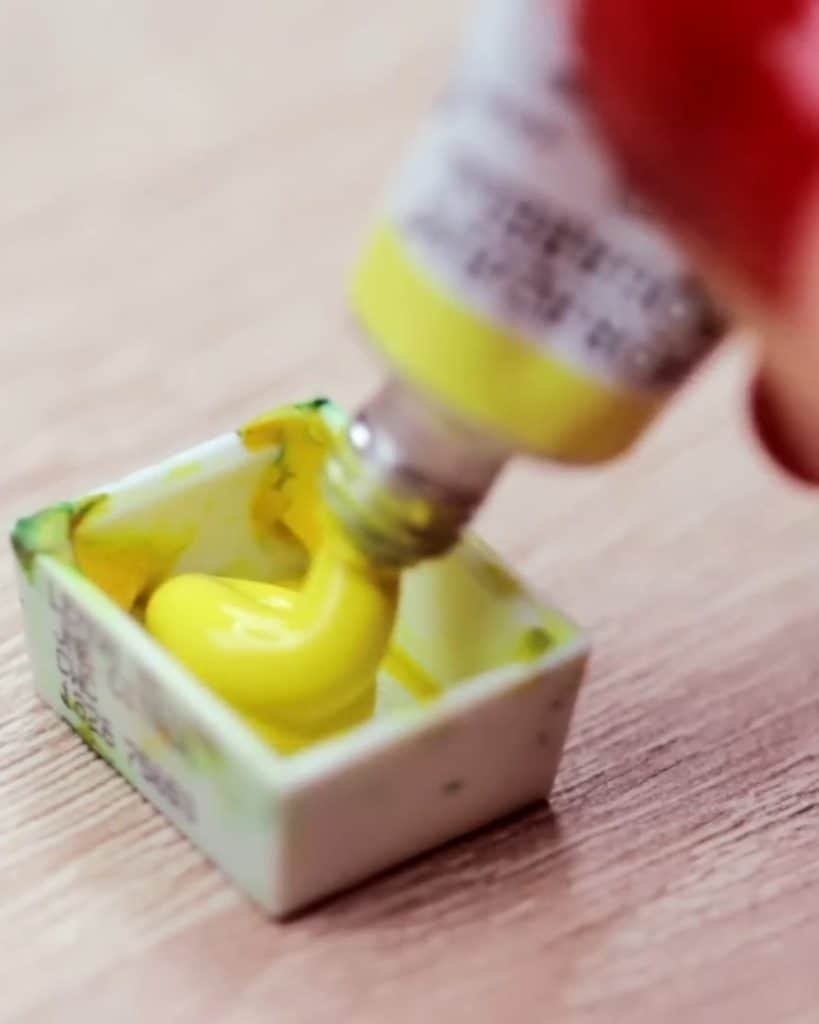
When pans run out, you do not have to buy a whole new set. You can refill them with watercolor tube paint and let it dry.
So, it’s easy to create personalized palettes with your favorite colors.
Watercolors in Tubes: Pros, Cons, and Techniques
Now let’s move to watercolor tubes. They work differently and are a favorite for artists who need more pigment.
What Are Watercolor Tubes?
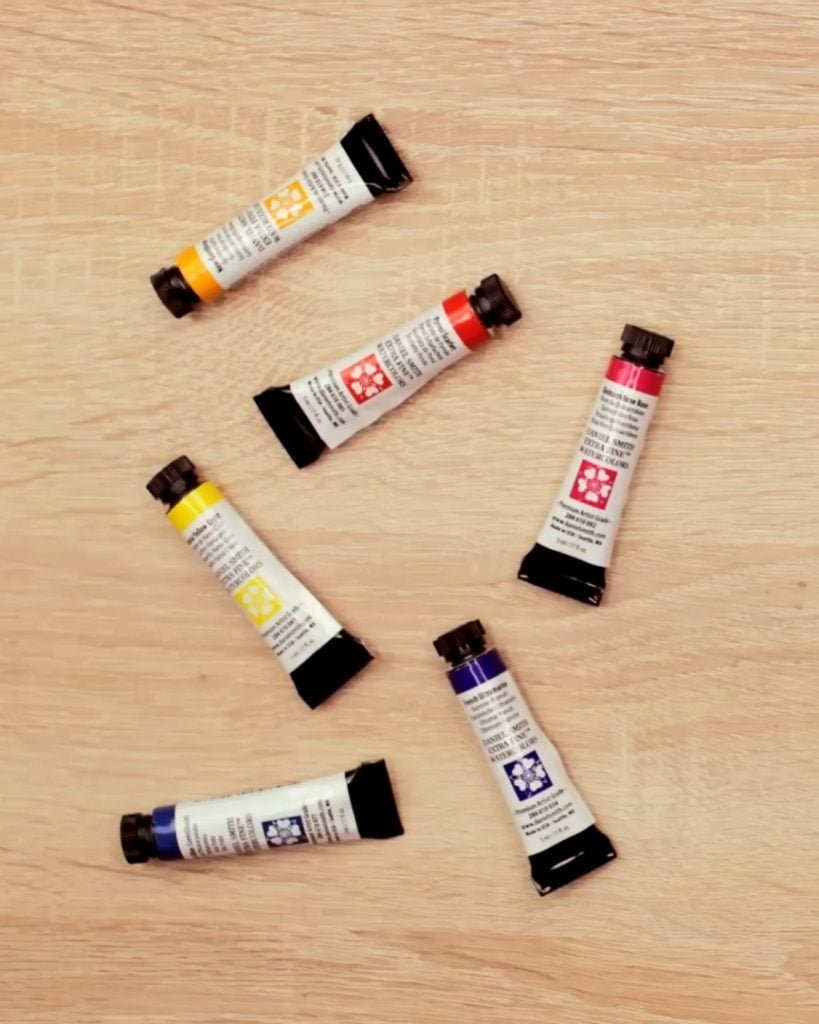
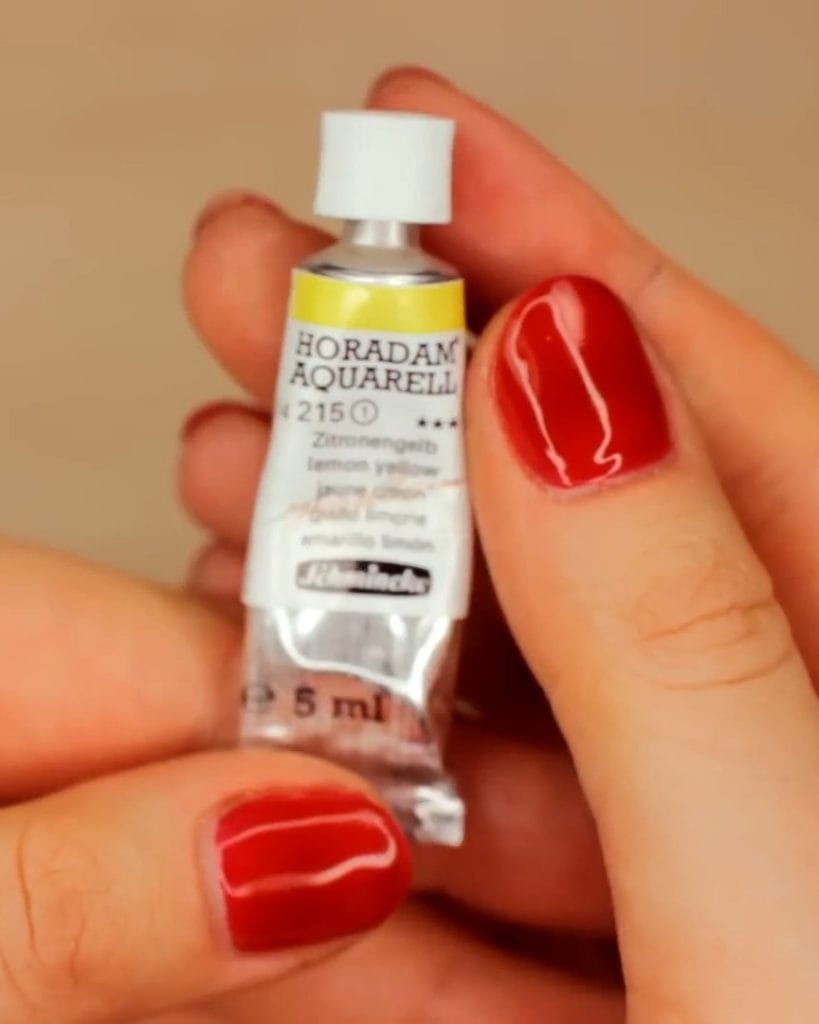
Tubes contain a cream-like version of watercolor paint. They are also made with pigments, binders, and additives.
Sizes range from small 5 ml tubes to larger 37 ml ones. You can also buy watercolor tubes individually or in sets.
How to Paint with Watercolor Tubes
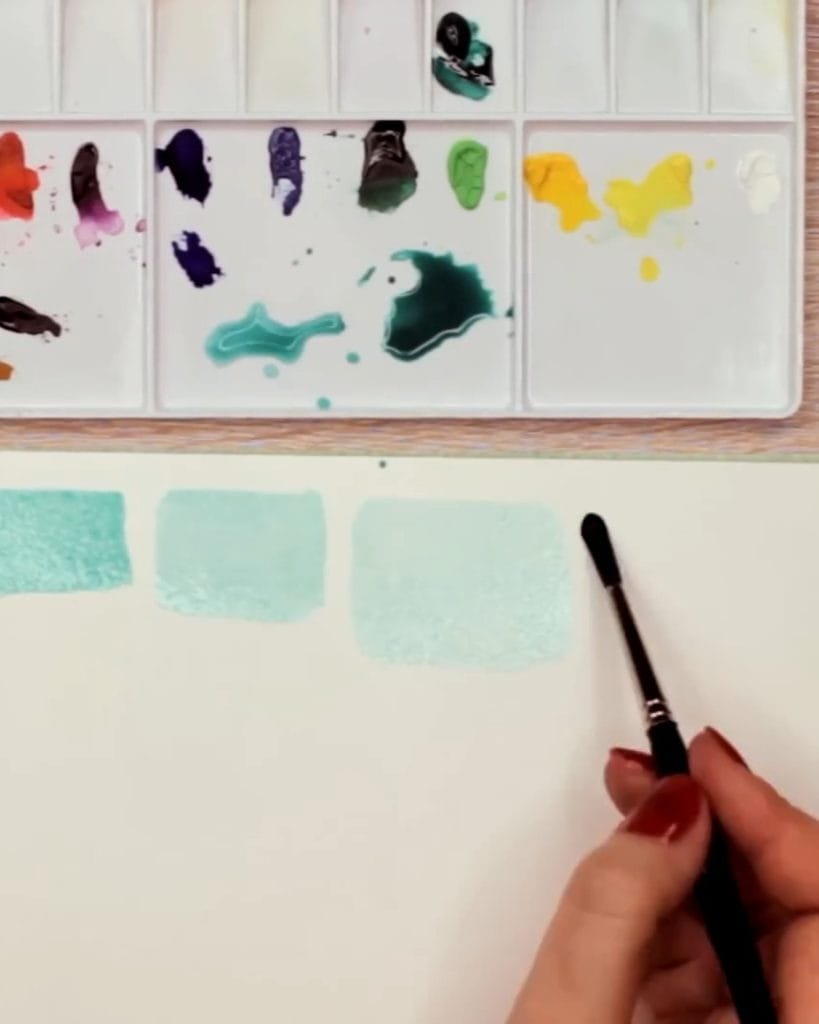
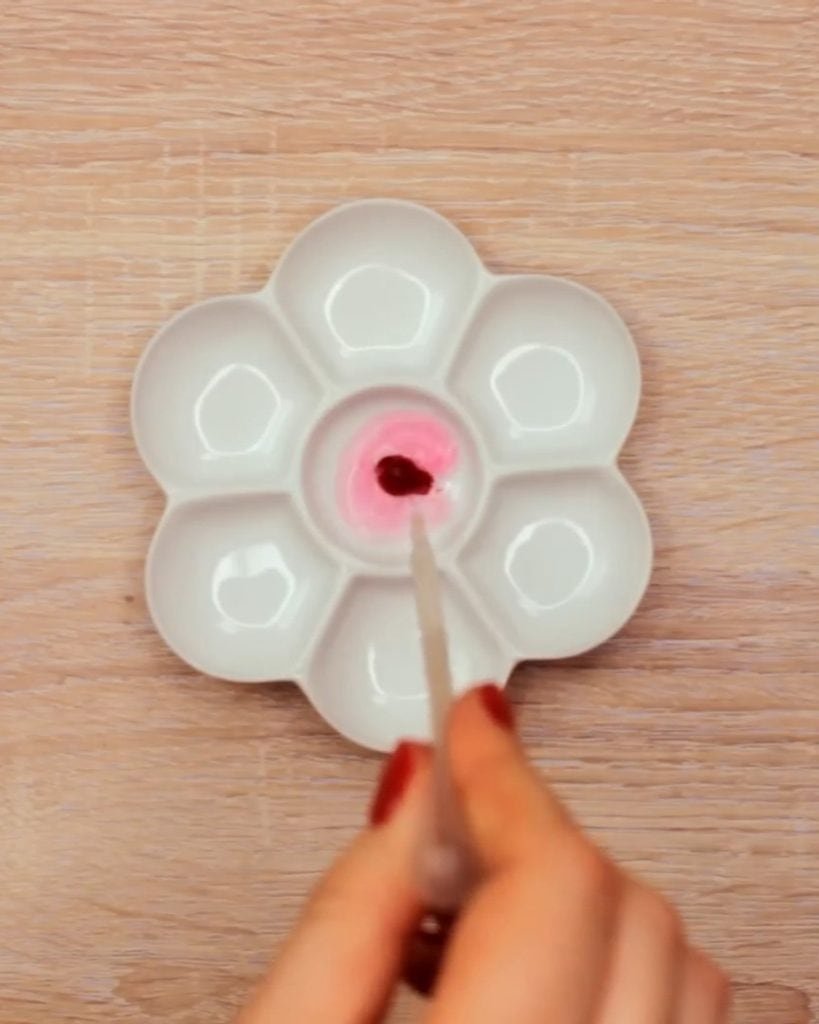
Unlike pans, most tube sets do not come with a palette. You need a mixing palette with wells and mixing areas. To start:
- Squeeze a small amount of watercolor tube paint onto the palette
- Add water depending on the color strength you want
The more water you add, the lighter the color becomes. Since tube paint is already soft, it dissolves quickly.
Advantages of Watercolor Tubes
Makoccino notes many benefits:
- Tubes dissolve quickly in water.
- The pigment is stronger and more vibrant.
- You can prepare large amounts of one color at once, which is great for big artworks.
- Fresh paint from the tube stays cleaner than pans.
They also cost more upfront, but are cheaper in the long run because you get more paint.
Challenges of Watercolor Tubes
Tubes come with a few issues. It can be hard to judge how much to squeeze, leading to extra paint drying out on the palette.
To avoid waste, Makoccino suggests keeping unused paint wet and reactive.
You also need to close lids tightly and keep the tube opening clean. Otherwise, the paint may dry inside or the cap may stick.
Creative Ways to Use Watercolor Tubes
Tubes offer flexibility. Many artists squeeze paint into empty pans or palettes, let it dry, and then use it like pan watercolor. The method combines the benefits of both formats.
Liquid Watercolors: Pros, Cons, and Best Uses
Liquid watercolors look different from both pans and tubes. They are ready-to-use and shine in illustration and lettering. Let’s explore how they work.
What Are Liquid Watercolors?
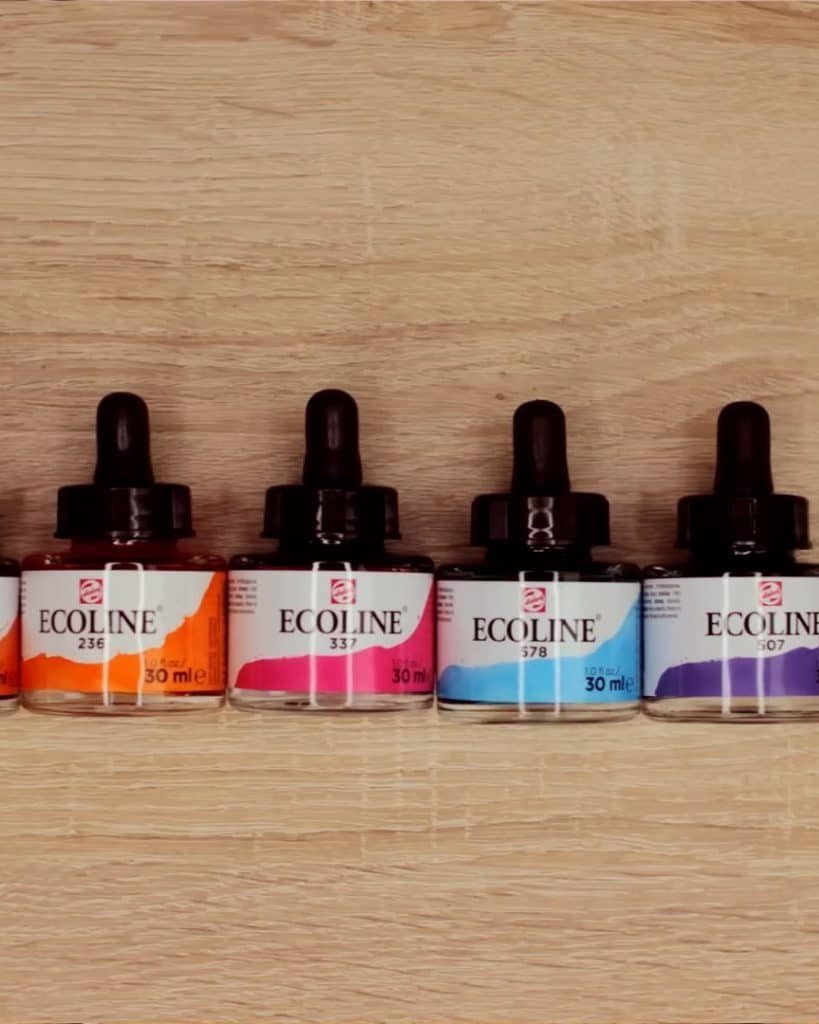
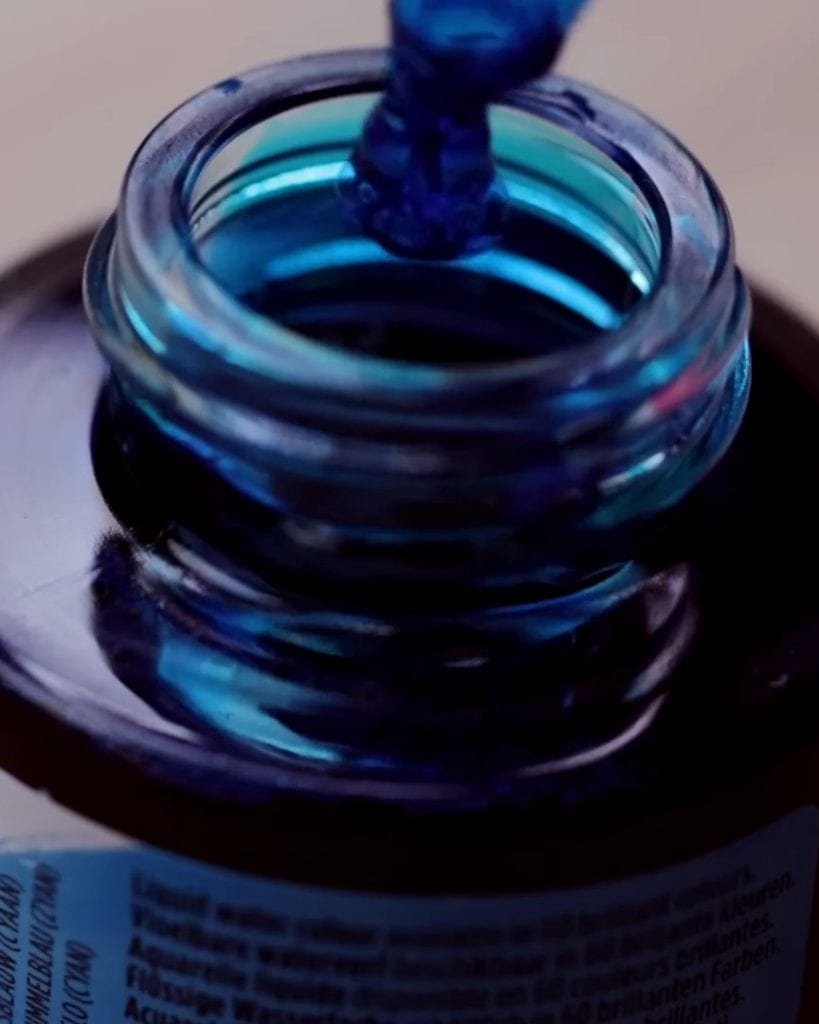
Liquid watercolors come in bottles, often with a pipette in the lid for easy pouring. They can be pigment-based or dye-based.
How to Use Liquid Watercolors in Art
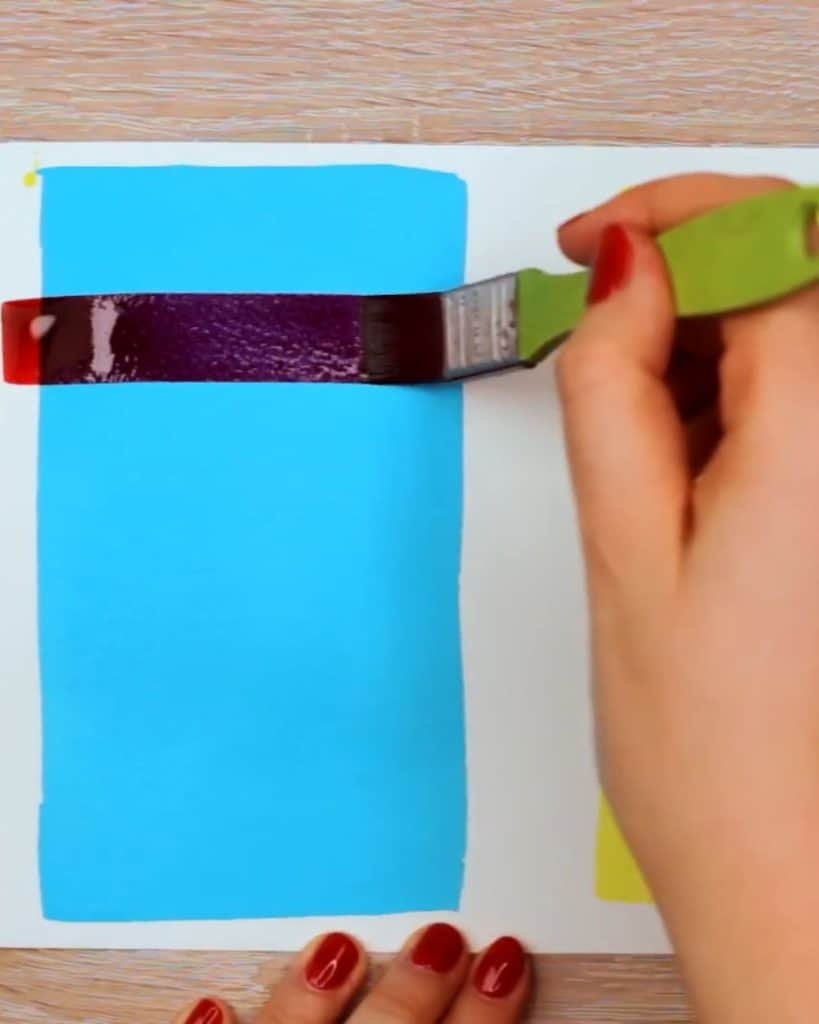
Since they are already liquid, you can start painting immediately. They are popular for illustrations and hand lettering.
To control color and mix shades, you need a mixing palette. Makoccino suggests you can pour any extra liquid back into the bottle to avoid waste.
Benefits of Liquid Watercolors
Makoccino points out their strengths:
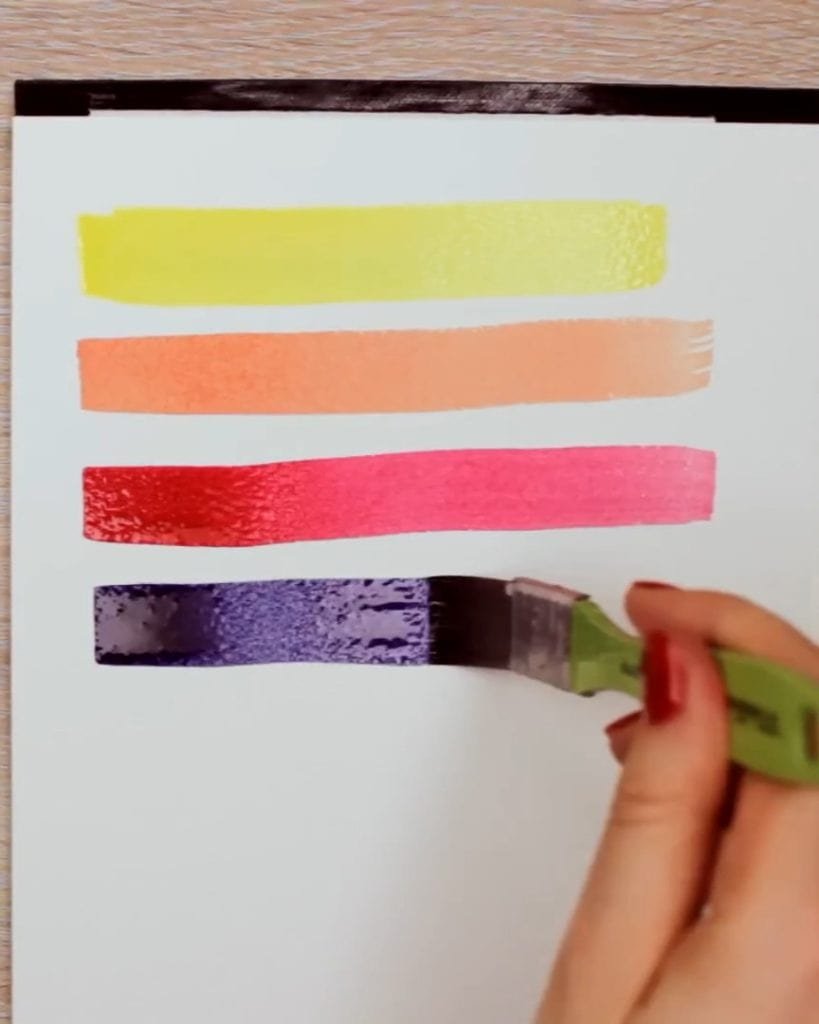
- Colors are bright and vibrant.
- They are easy to dilute with water for large washes.
- Bottles keep the original color pure and uncontaminated.
Limitations of Liquid Watercolors
But liquid watercolors also have limits:
- Dye-based colors may fade over time
- They stain paper, making lifting techniques impossible
- They are fully transparent, which reduces layering options
- Bottles are less travel-friendly
Still, you can carry them by filling aqua brushes for outdoor sketching.
Makoccino’s Opinions
So which is best? Makoccino notices that some prefer pans because they are portable and easy to use. Others like tubes because they are more pigmented and cost-effective over time. Liquid watercolors are fun for illustrations, but less ideal for works meant to last.
According to Makoccino, she began with watercolor pans. Once she became more comfortable, she invested in tubes. She recommends them as a good upgrade since they offer richer colors at a lower long-term cost.
However, she recommends that you be aware of liquid watercolors. Even if the artwork looks beautiful at first, she worries it may fade over time.
Her advice: try different formats and even combine them. You might enjoy pans for travel, tubes for larger projects, and liquids for playful lettering.
Closing Words
Pans, tubes, and liquid watercolors each bring something unique to the table. Your choice depends on your style, goals, and projects. Why not try each one and see what feels right for your art journey? Experimenting may help you discover the perfect watercolor match.