Can a single color change the way you paint? White watercolor has long been treated as forbidden in traditional watercolor practice. But Leila Ataya, a professional watercolor artist, challenges this rule.
She shows how adding white watercolor can open new possibilities in blending, highlights, and depth.
In this article, you explore her seven “forbidden” watercolor techniques that can transform your art. Read on and try them today.
Why White Watercolor Was Traditionally Forbidden
Before diving into the techniques, it helps to understand why white watercolor is often left out of the palette.
White is usually seen as unnecessary. Traditional watercolor rules say you should use water to lighten colors, not white paint.
Leila Ataya explains that this idea comes from the European school of transparent watercolor. In this style, the white of the paper creates luminosity. Painters let the paper shine through instead of using white paint.
But not all traditions follow this strict rule. Asian watercolor styles and mixed-media approaches use white more freely.
This contrast shows you that watercolor practice is not limited to one approach. You can experiment beyond the old rules.
Preparing Your Materials for White Watercolor Techniques
Before trying new techniques, you need the right materials. Leila Ataya demonstrates these watercolor methods in an Arrtx cold-press watercolor sketchbook. It is 100% cotton, 300gsm paper.
The book opens flat, making it easy to paint across pages. Each sheet has two surfaces: one rough and one smooth.
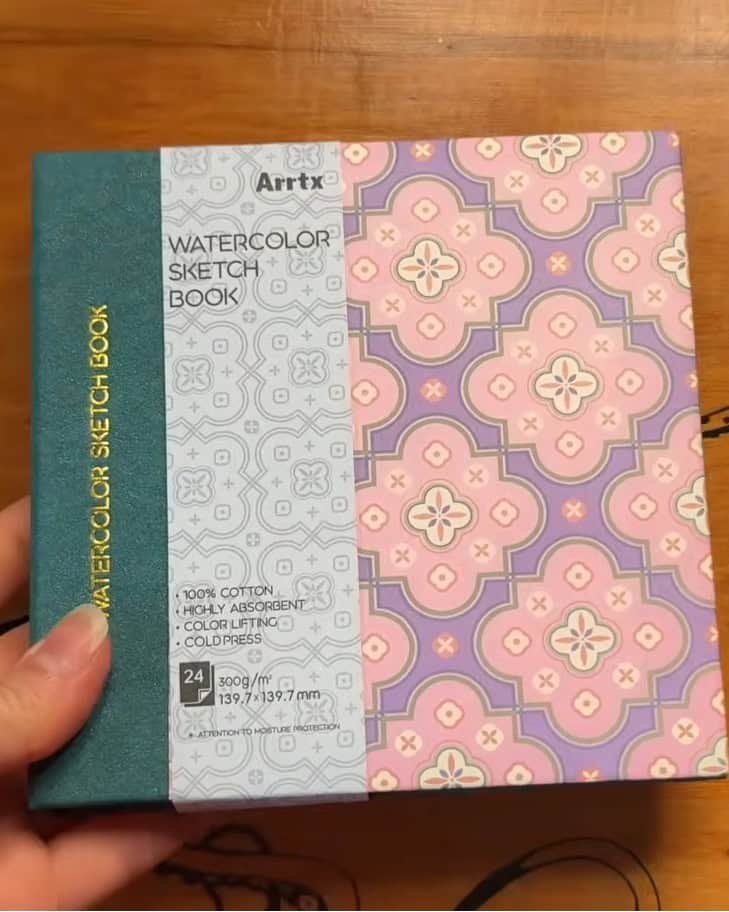
Why does this matter? Paper texture and weight affect how paint behaves. A heavier paper, like 300gsm, handles multiple layers of paint and water without buckling.
Having both rough and smooth options lets you test how white watercolor reacts differently.
For your setup, gather:
- White watercolor paint (Titanium White or Chinese White)
- Optional: White gouache for stronger opacity
- A palette with your regular watercolor paints
- A set of watercolor brushes
- Water jars and paper towels
Now, let’s explore the first forbidden technique.
Technique 1: Mix White Watercolor to Save Money on Paint
You might think white paint is unnecessary, but it can actually save you money. Leila Ataya highlights this as her first reason for adding white to the palette.
She explains that many commercial watercolor colors already contain white pigment.
For example, Daniel Smith has recently released colors with PW6 (Titanium White) mixed in. If you already own white, you can recreate these shades yourself.
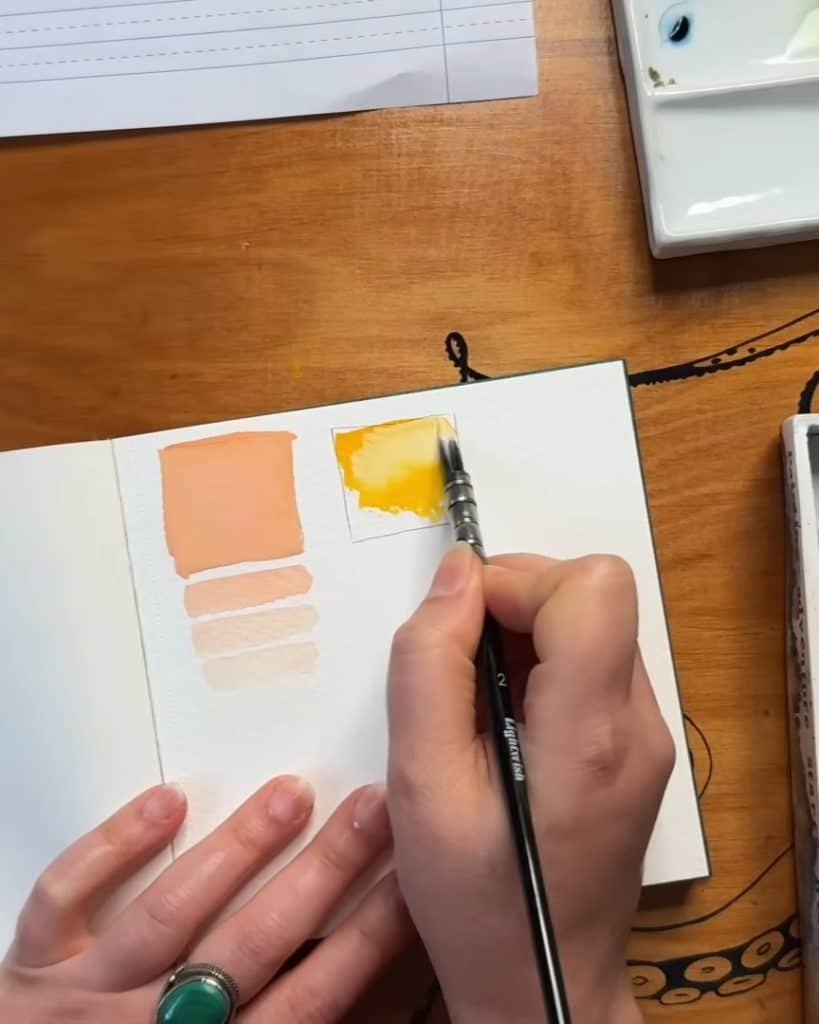
Leila Ataya gives practical examples:
- Mix PW6 (Titanium White) with PO73 (an orangey-red) to make a stunning pink.
- Mix PW6 with PY65 (Hansa Yellow Deep) to make a bright “June Brilliant” yellow.
By mixing, you don’t need to buy another expensive tube of premixed paint. You also save palette space.
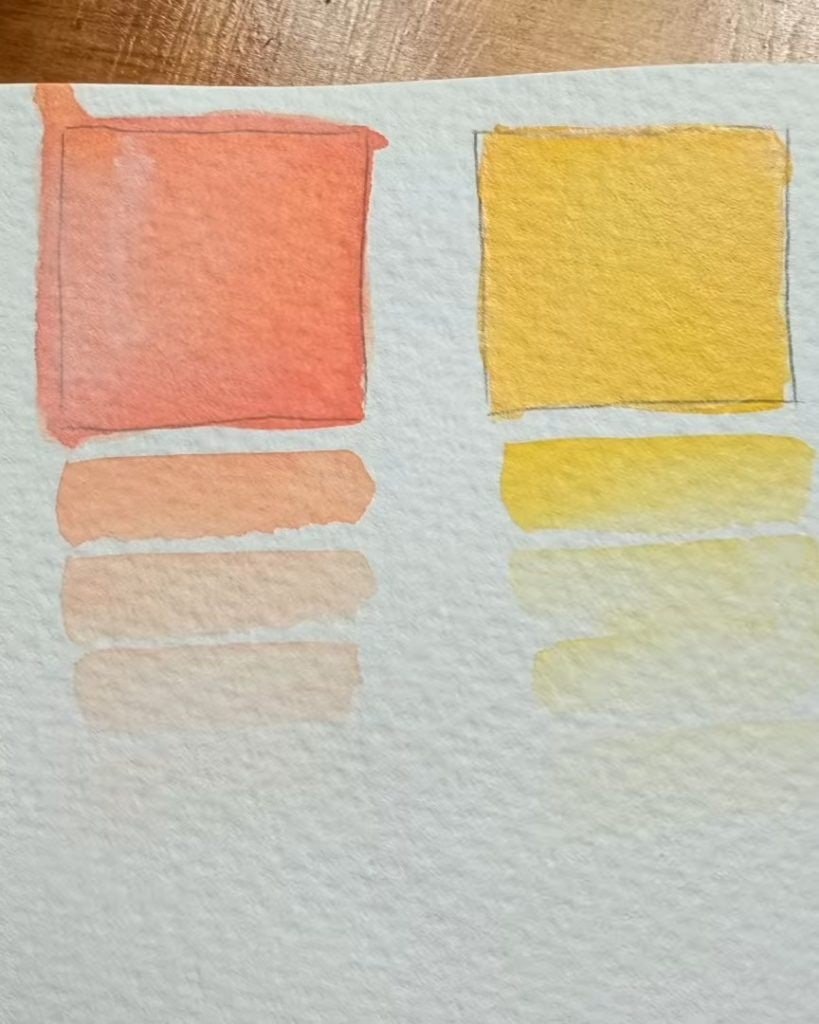
So if you already use colors that contain white pigment, you are technically already using white. Why not embrace it more intentionally?
Technique 2: Use White Watercolor for Fast Highlights
Creating highlights is a challenge in watercolor. Traditionally, you must carefully leave parts of the paper blank or use masking fluid. Both take time and limit your spontaneity.
Leila Ataya suggests using white watercolor to add highlights directly. This technique is faster and lets you work more loosely.
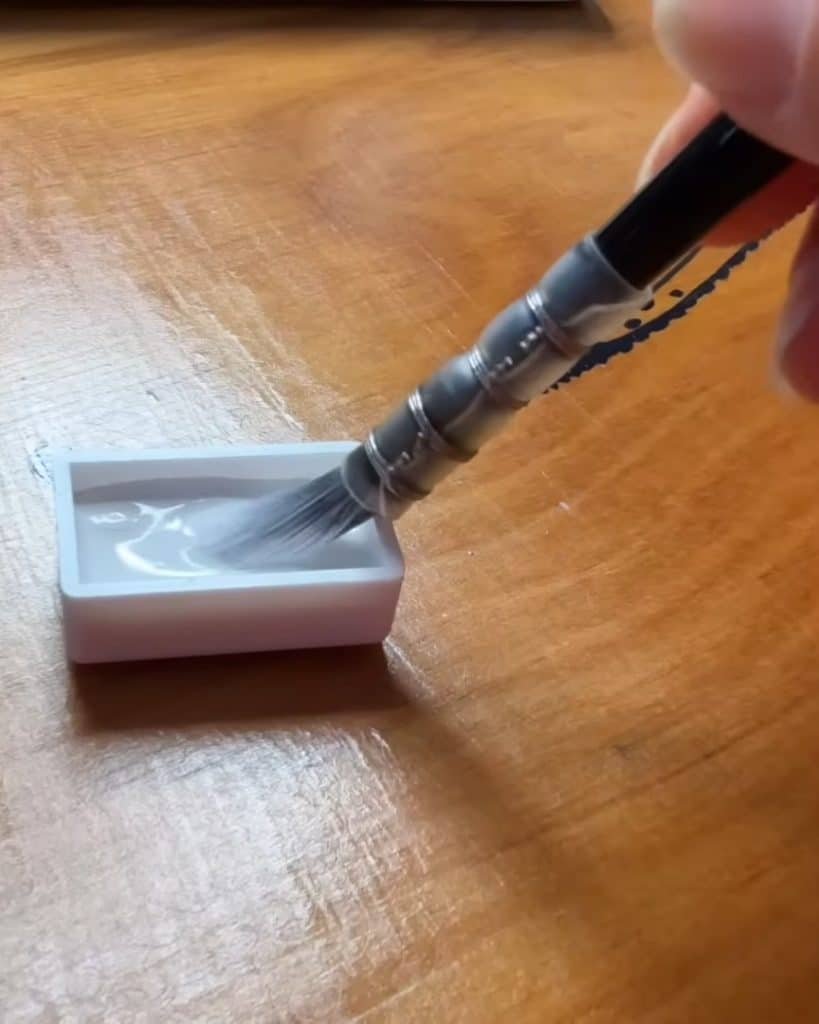
She recommends using paint straight from the tube without water.
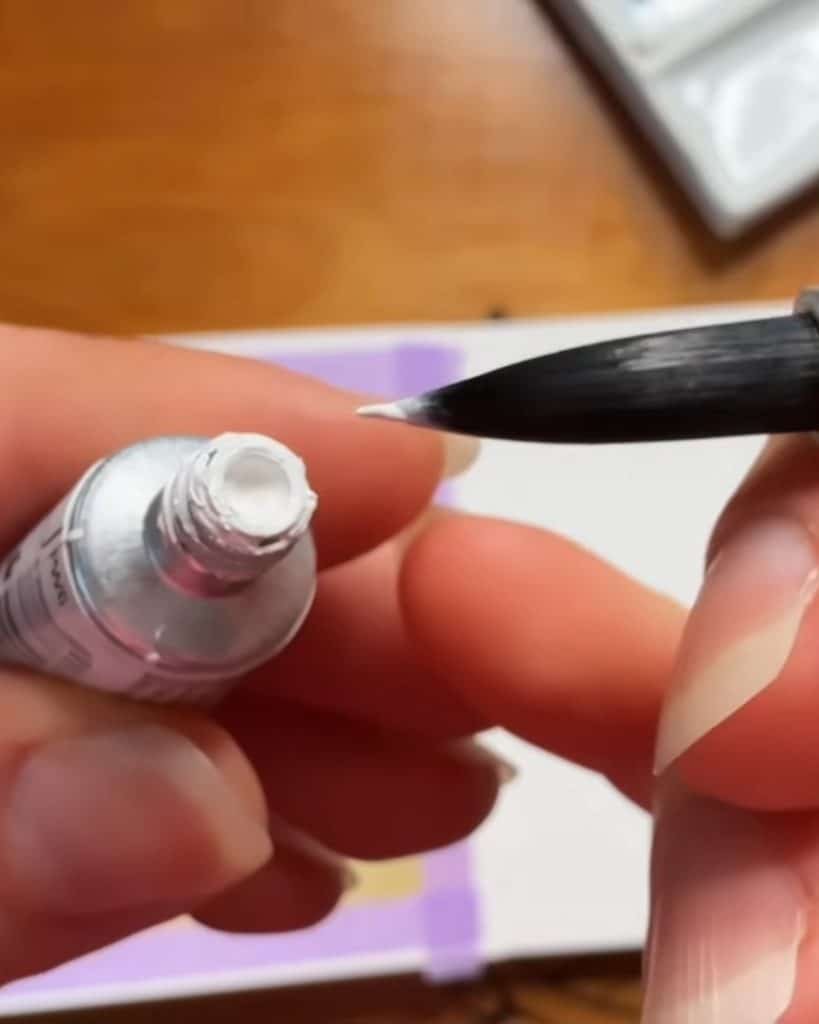
Thick white paint creates strong highlights on darker layers. White gouache works even better, as it is more opaque than watercolor white.
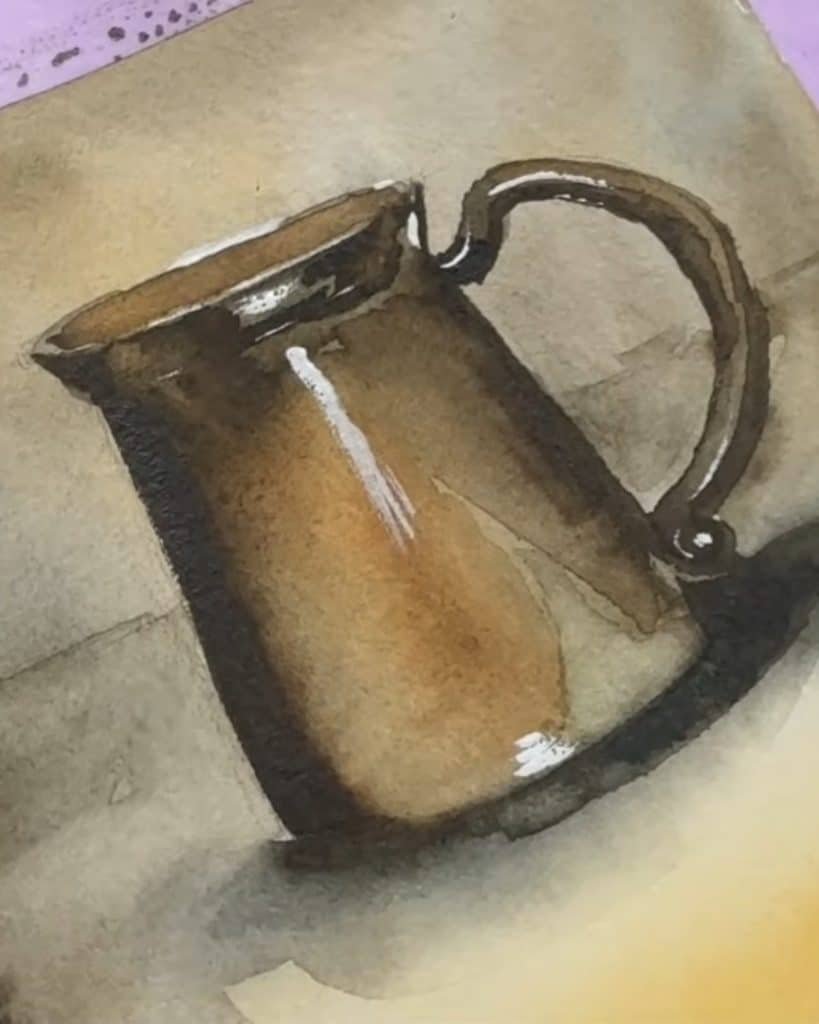
Here’s why this matters:
- You don’t need to wait for masking fluid to dry.
- You don’t risk losing flow in your underpainting.
- You can brighten areas instantly by painting over them.
Some colors may dull when the white dries. In that case, simply add a second layer. With this approach, you can create sparkling highlights that make your painting pop.
Technique 3: Blend Colors Smoothly with White Watercolor
If you’ve tried blending with only water, you know it can be tricky. Large washes sometimes leave blooms or unwanted edges. You may even end up scrapping a piece you liked.
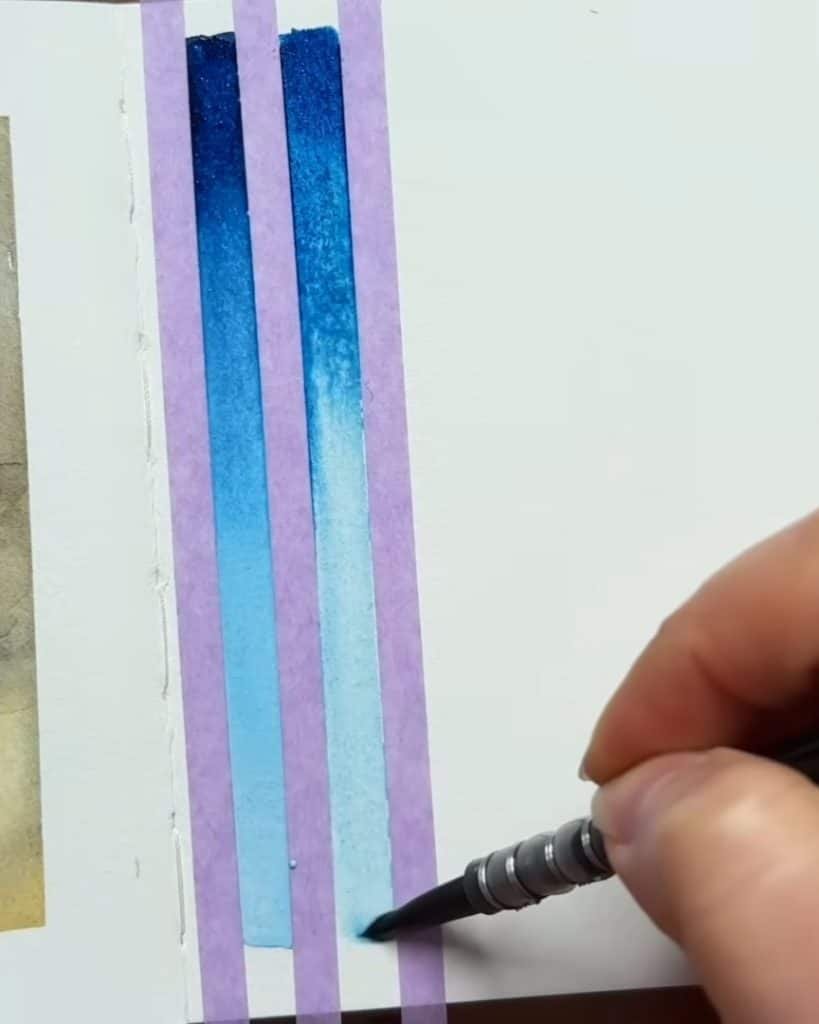
Leila Ataya shows how white paint can fix this. She uses Prussian Blue in a gradient. With only water, edges form unevenly. With white mixed in, the blend is smoother and softer.
She compares both side by side so you can see the difference. The white-mixed gradient looks more controlled and consistent.
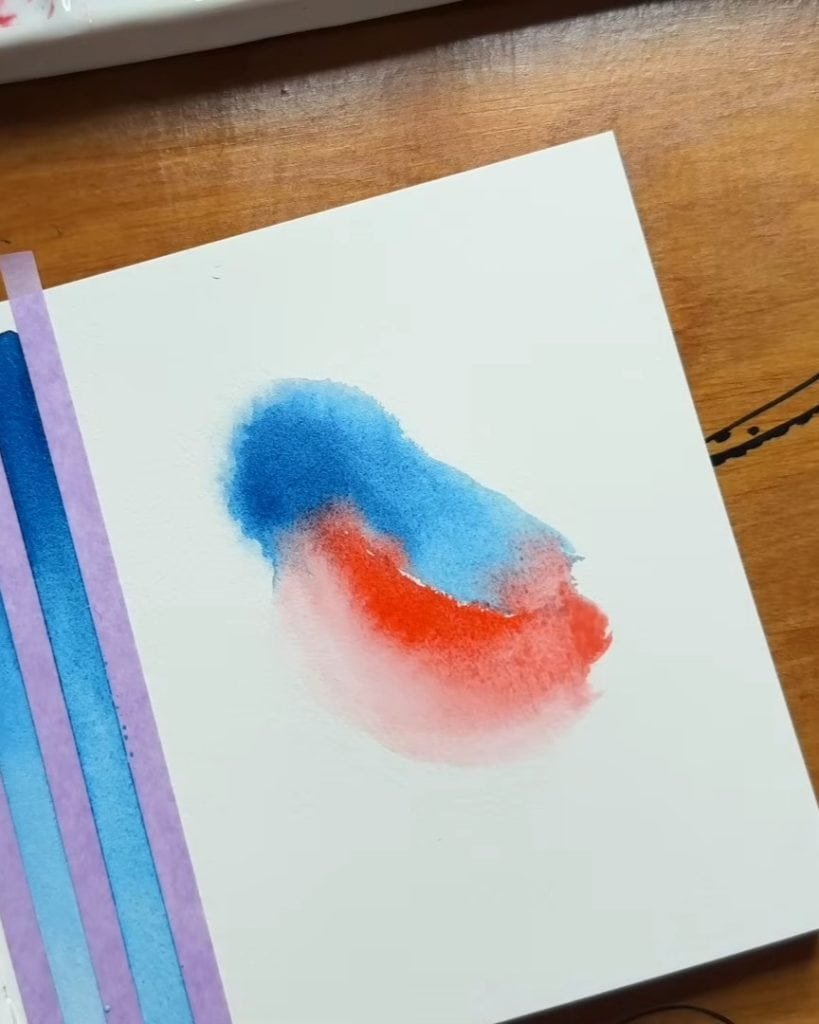
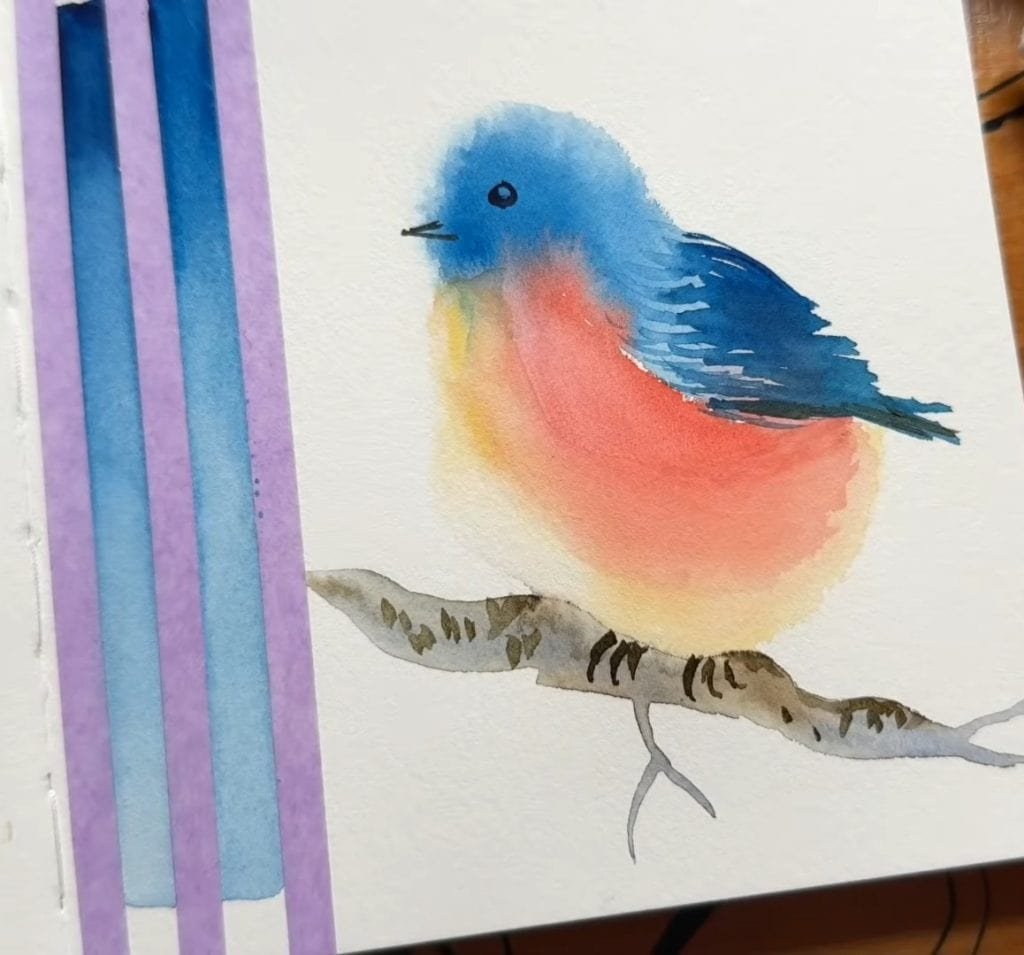
To show this in action, she paints a small bird. The belly is blended with a little white mixed into the red.
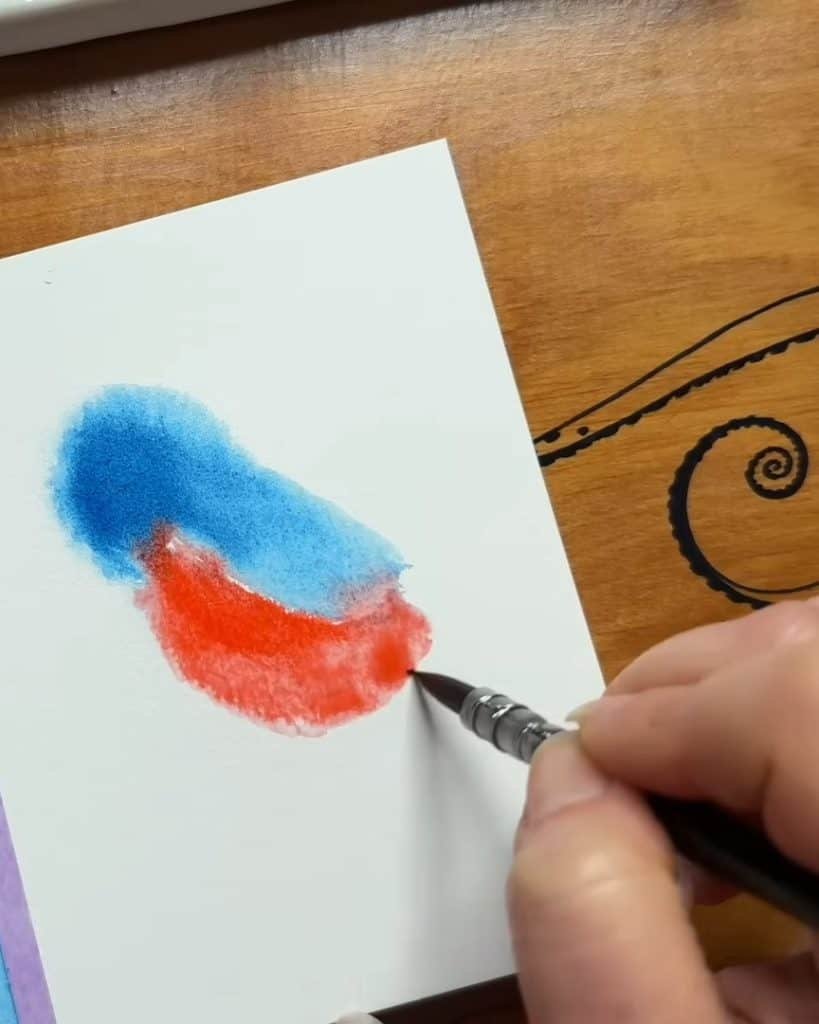
The result is a softer outer edge. The shape of the bird stays intact without bleeding.
This technique helps if:
- You’re new to watercolor.
- You come from other mediums like gouache or acrylic.
- You want smoother gradients without losing control.
By using white, you can create blends that feel effortless.
Technique 4: Create Depth and Focal Points with White Paint
Now that you know blending with white works, how about adding depth? Leila Ataya demonstrates this in a simple landscape.
She begins with a wash of greens, browns, and oranges to suggest a forest. When the wash dries, she adds details like branches and leaves.
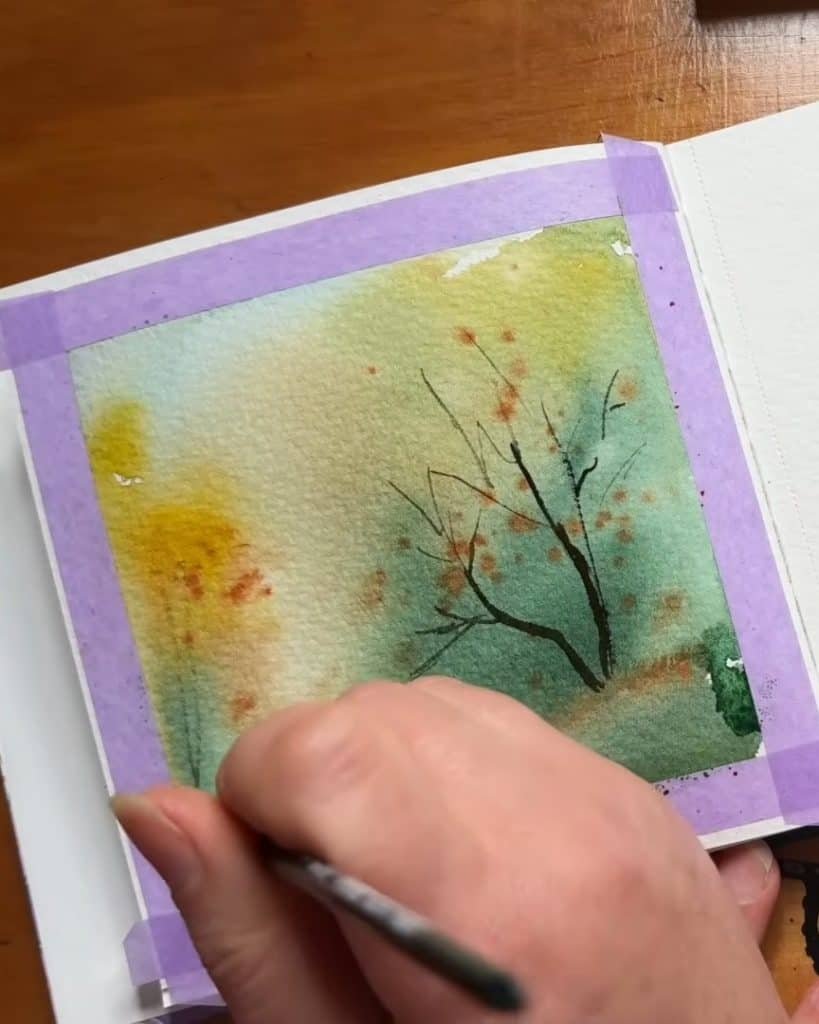
To bring parts of the foliage forward, she mixes orange with white. The result? Leaves painted with white mixtures look closer. They appear heavier and more solid, creating depth in the scene. Lighter touches of yellow mixed with white also draw the eye.
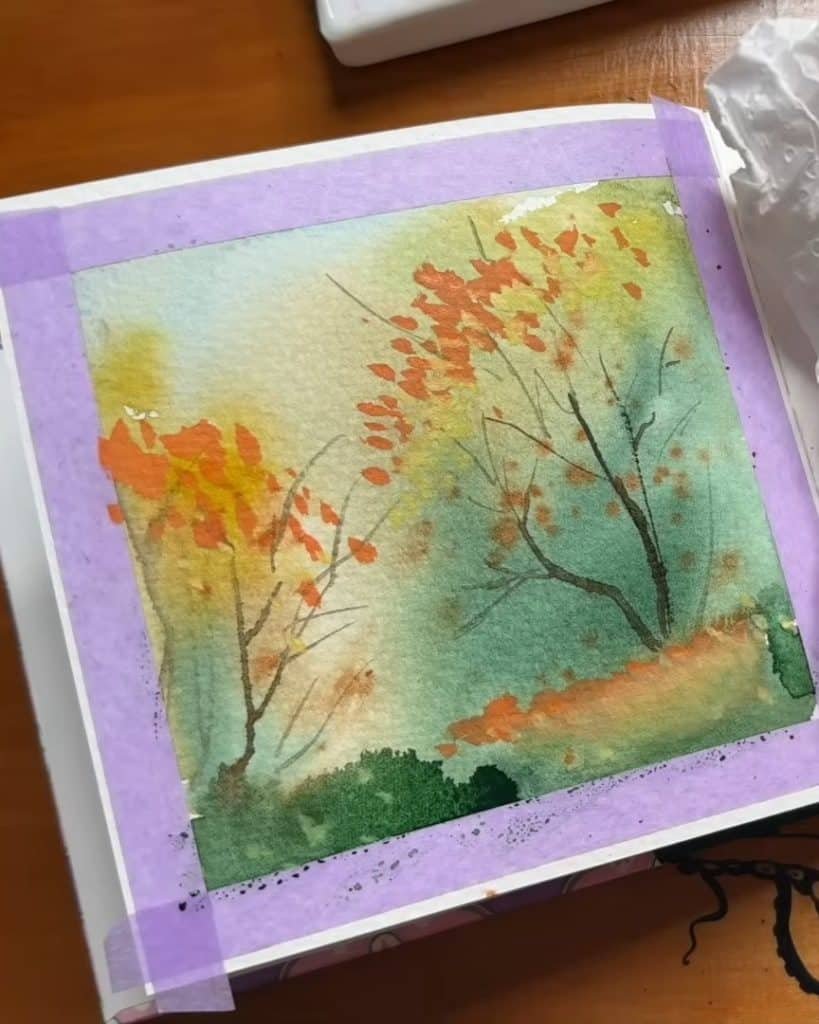
This technique works well when you want to:
- Emphasize a focal point in your painting.
- Make foreground objects stand out.
- Create depth in a quick sketch without masking.
Leila Ataya recommends this especially for artists painting on the go. It saves time and helps you capture attention in a simple way.
Technique 5: Paint Atmospheric Effects Like Fog and Smoke with White
Sometimes you don’t want bright colors. Foggy mornings, smoky skies, or soft misty landscapes require muted tones.
Leila Ataya shows how adding white paint creates these effects.
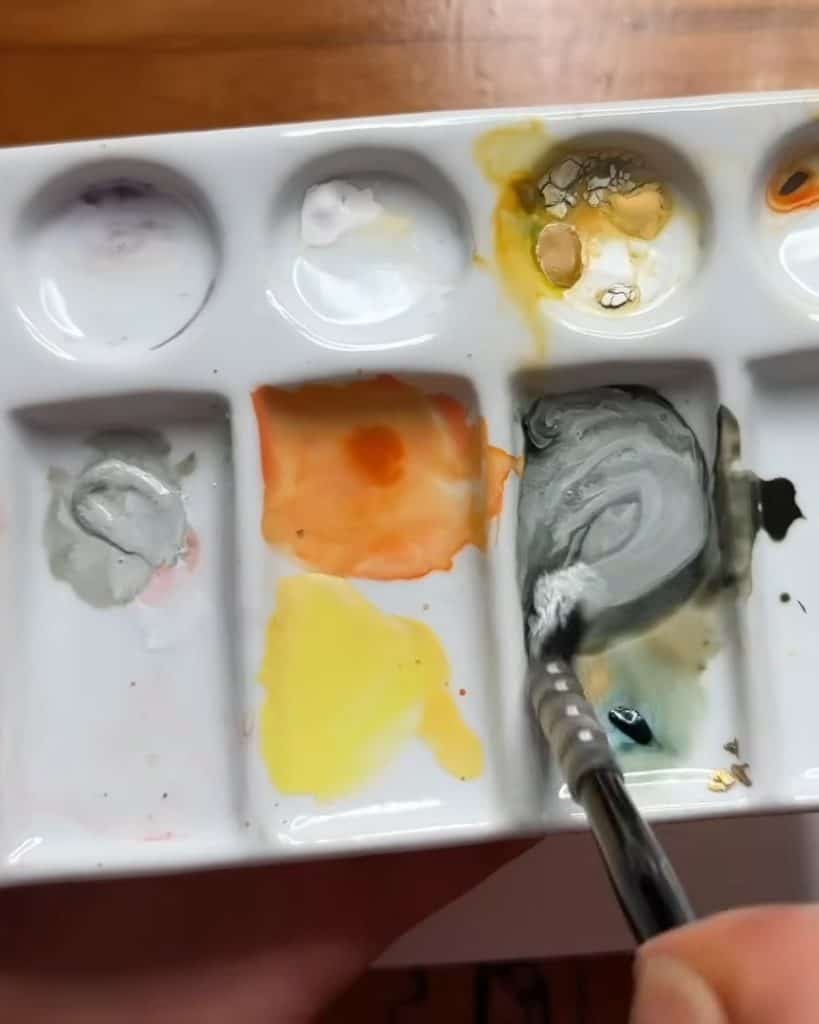
By mixing white into colors, she reduces their vibrancy. The result is a softer, hazier look.
She explains perspective, too:
- Objects closer to you look sharper and more colorful.
- Objects farther away appear blurrier and lighter.
With white paint, you can make distant areas look foggy and soft. You can also reabsorb some paint with a damp brush and paper towel to lighten areas further.
Leila compares this with her earlier highlight technique. Instead of small pops of white, this method uses larger areas of white mixing. It transforms the whole mood of a painting.
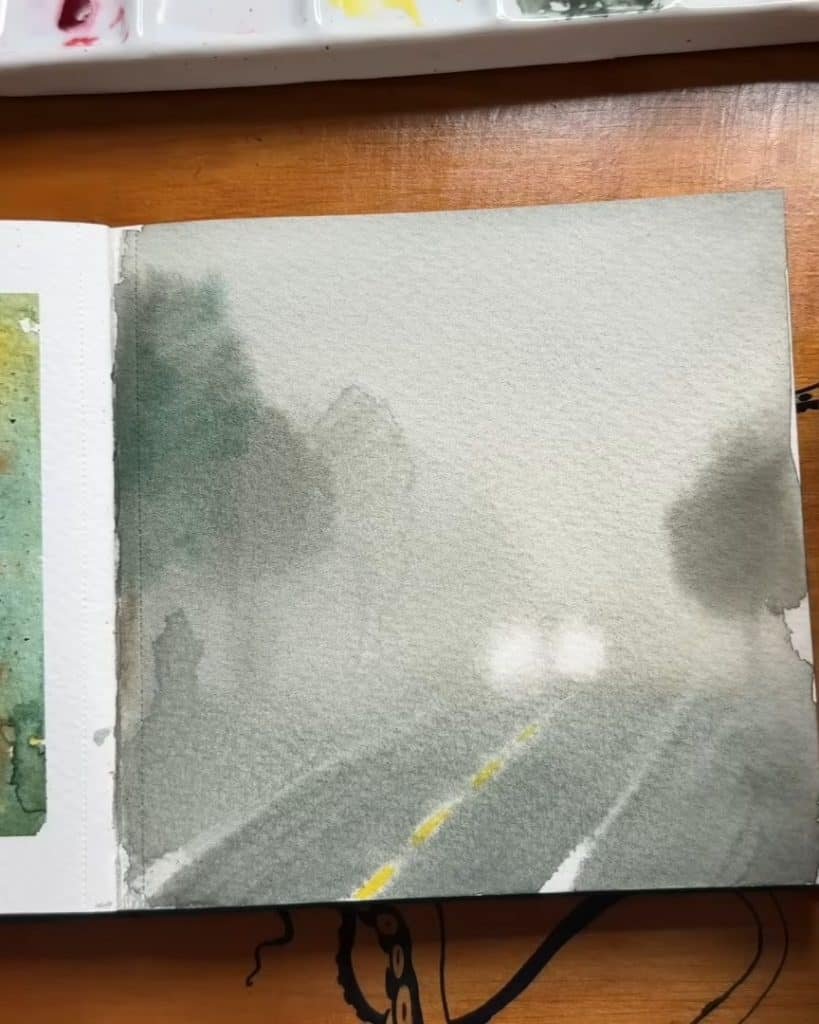
This technique is perfect for creating atmosphere and storytelling in landscapes.
Technique 6: Use White Watercolor on Colored or Off-White Paper
Most watercolorists paint on bright white paper. But what if your paper is off-white or toned? Without white, your highlights are gone.
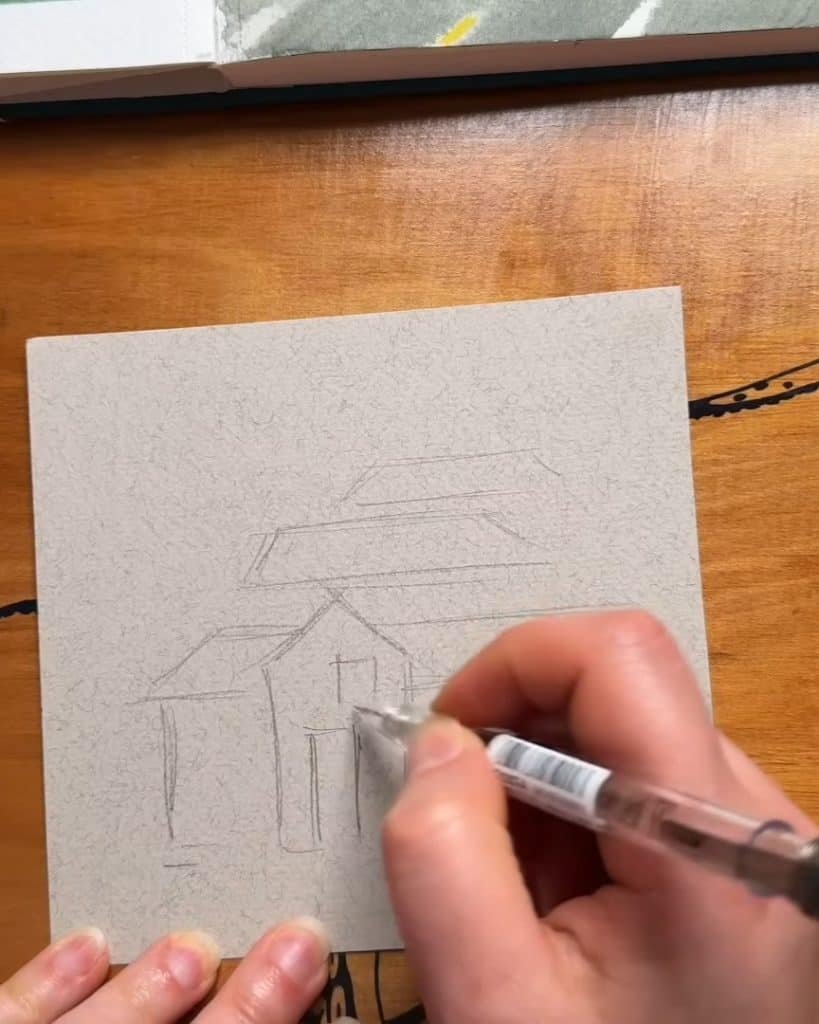
Leila Ataya suggests using white watercolor to bring light back. She demonstrates on non-white paper. First, she lays down a loose underpainting. Then she adds detail, including dense white highlights.
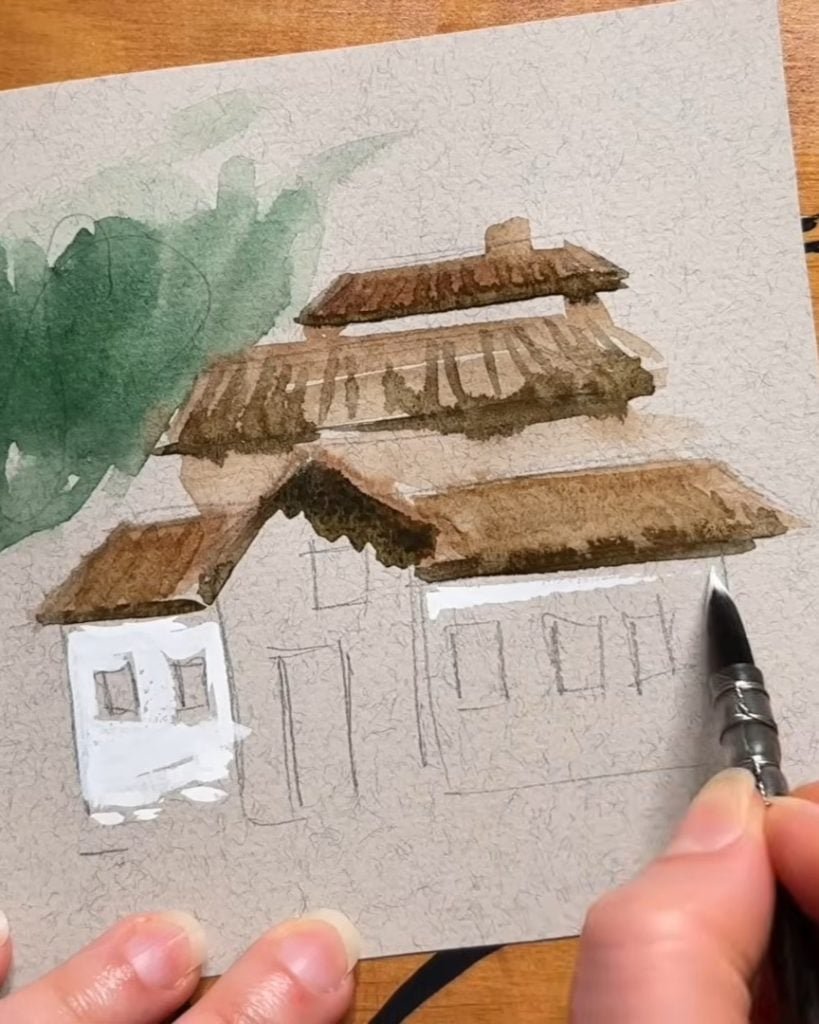
The difference is striking. White paint restores sunlight and brightness. It prevents the artwork from looking dull or washed out.
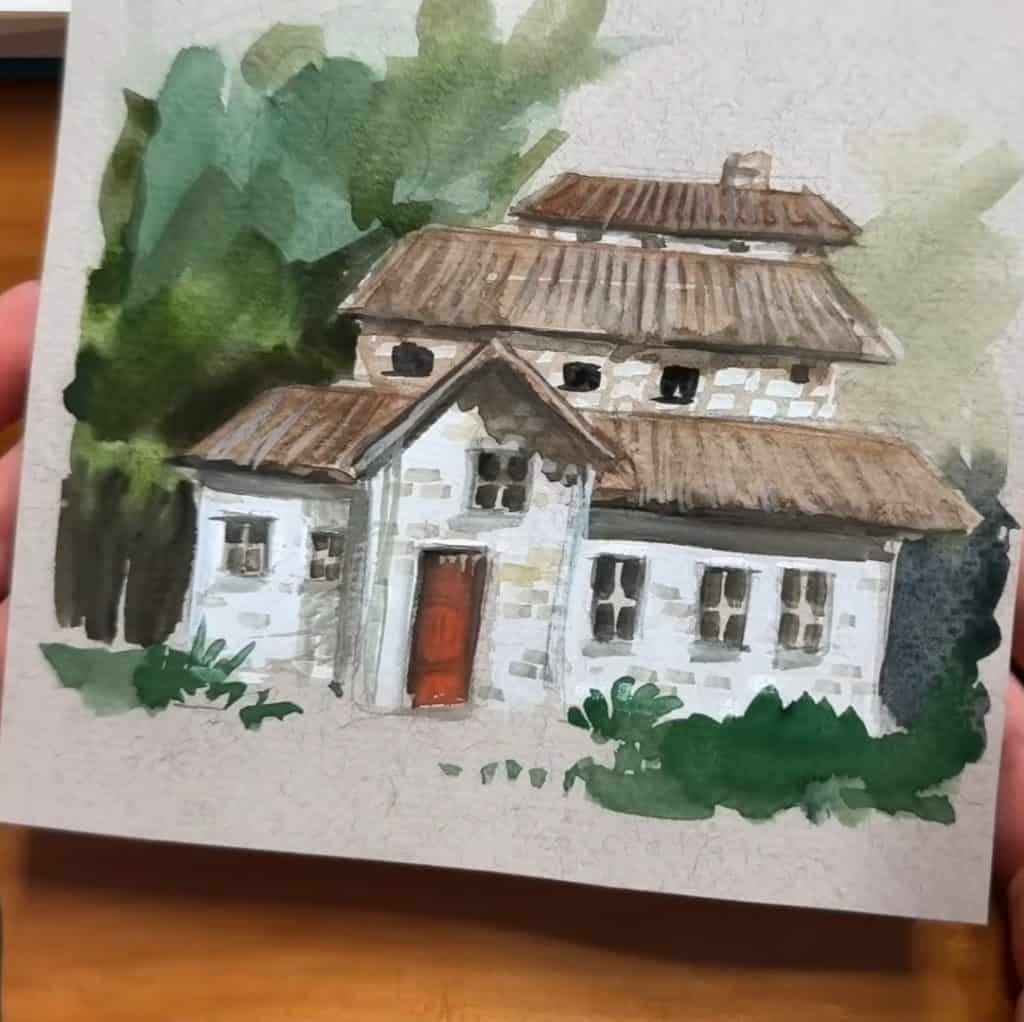
The method is especially useful if you enjoy:
- Urban sketching
- Manga or comics
- Mixed-media art
According to Leila, the technique helps create three-dimensional effects. You can build both shadows and highlights. As a result, your artwork will become more balanced and realistic.
Technique 7: Control Paint Flow with White Watercolor Dispersion
Watercolor is known for its flow and unpredictability. But what if you could control how paint disperses?
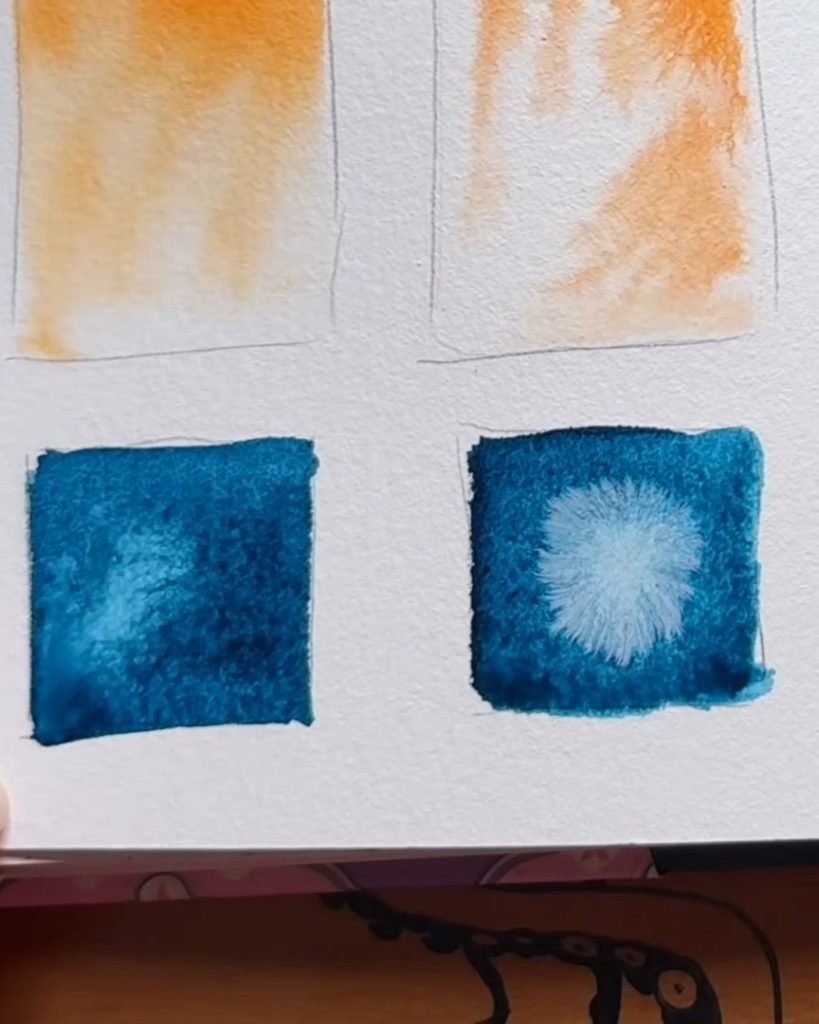
Leila Ataya explains that paint spreads differently in water compared to diluted white. She demonstrates by wetting a square with water, then adding color. The pigment flows freely, spreading in soft edges.
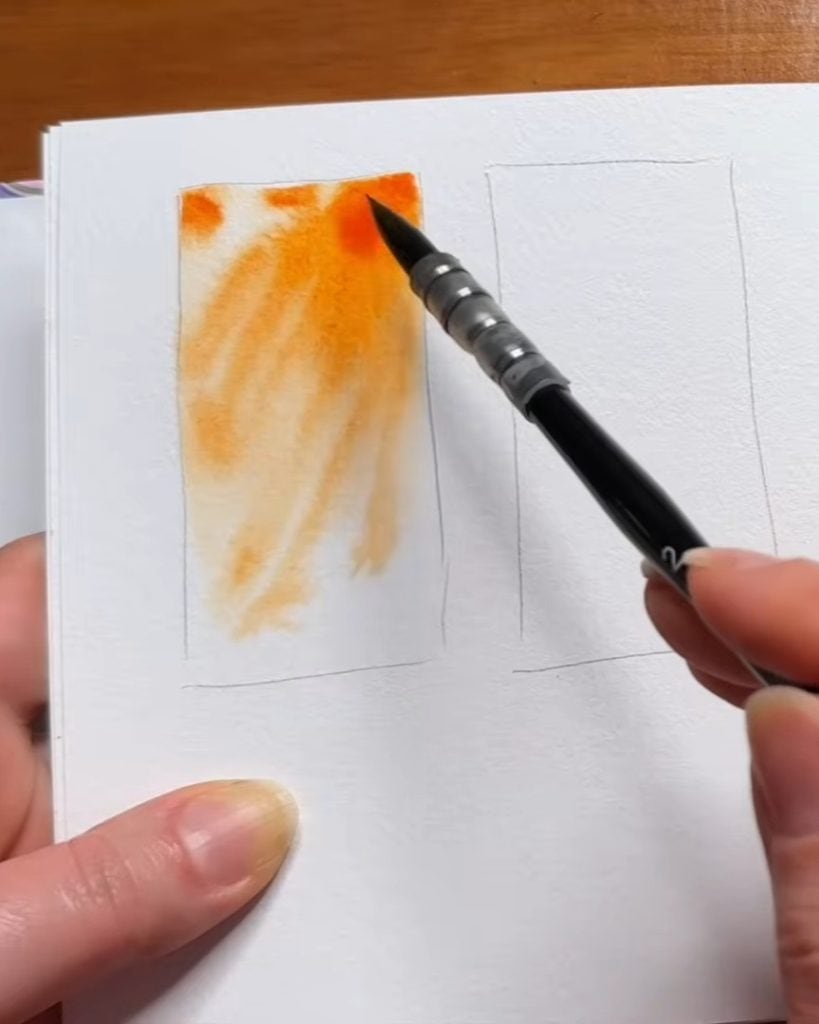
Next, she wets another square with watered-down white. The same pigment stays tighter. It resists spreading, creating a different texture.
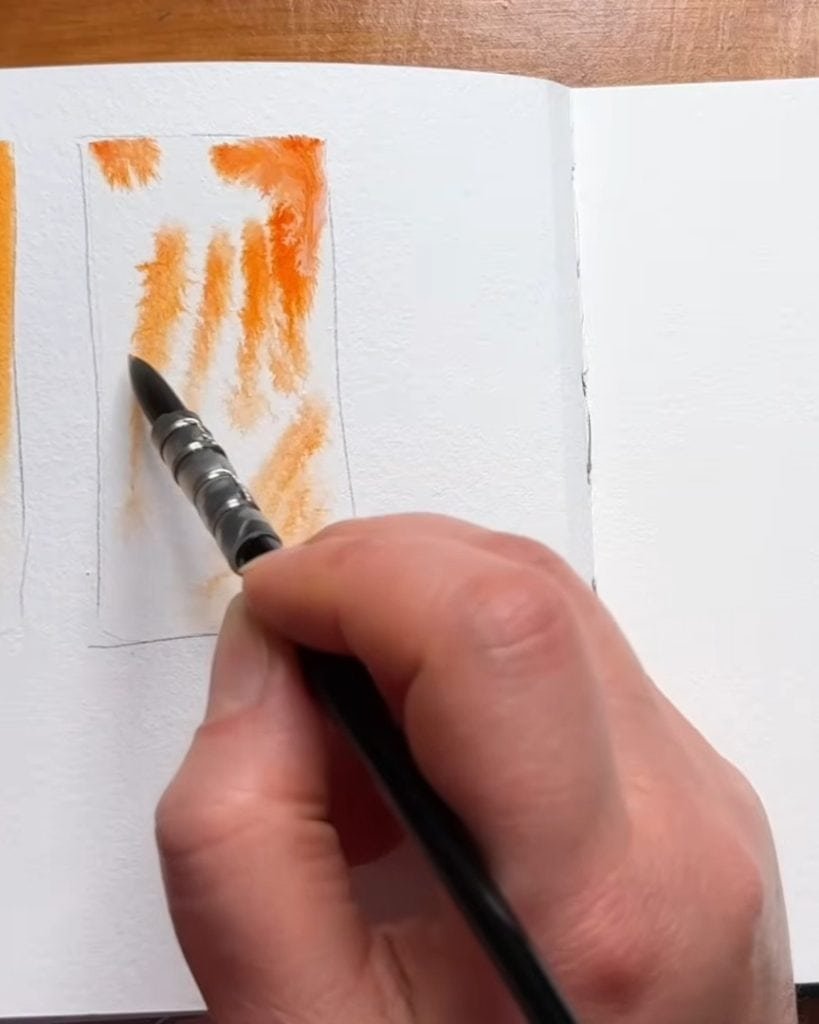
Here’s why:
- Water has no pigment, so paint moves easily.
- White adds thickness and fills paper pores, slowing dispersion.
This trick is especially useful with granulating colors. If you want them to stay flat, adding white helps.
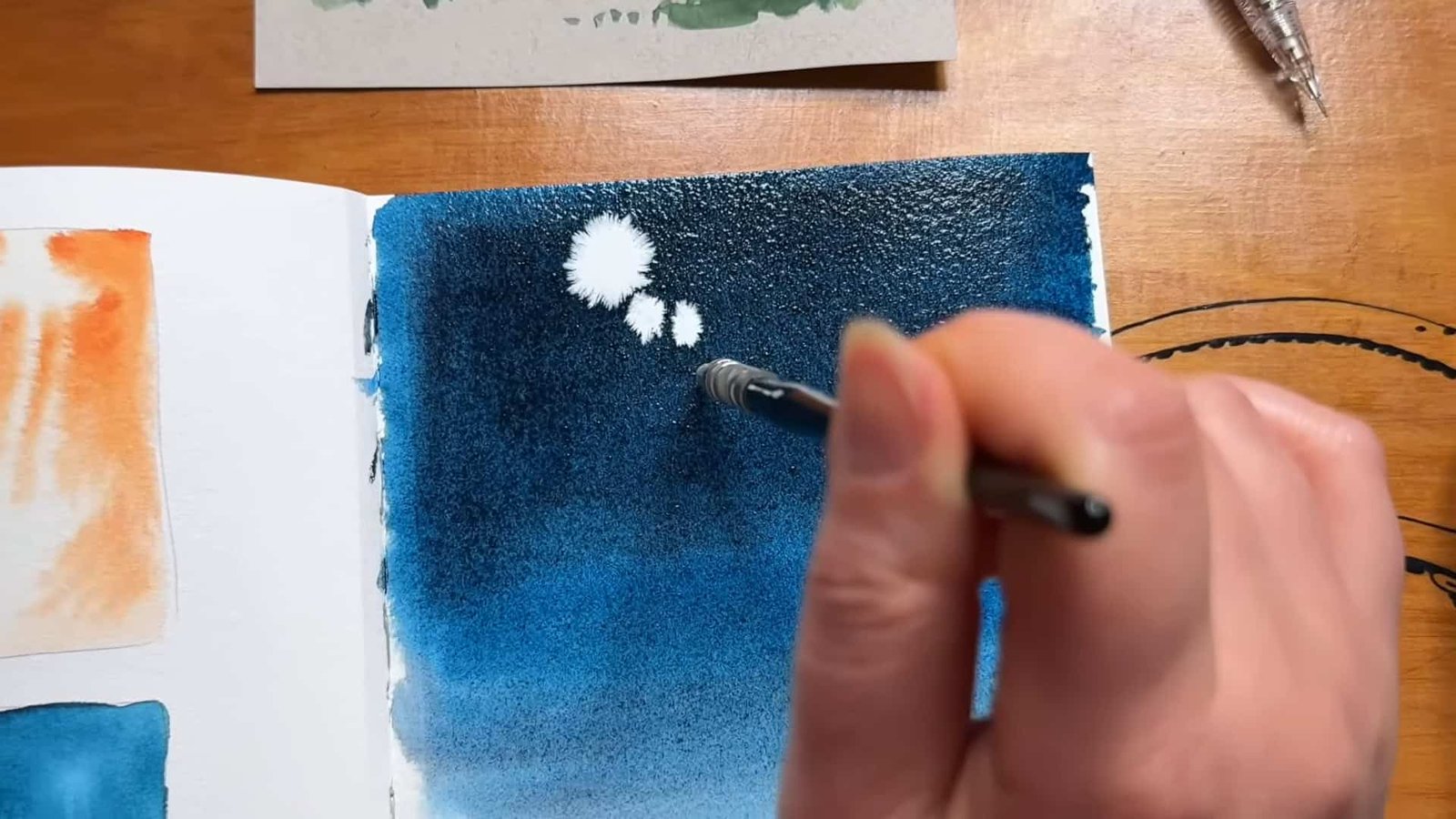
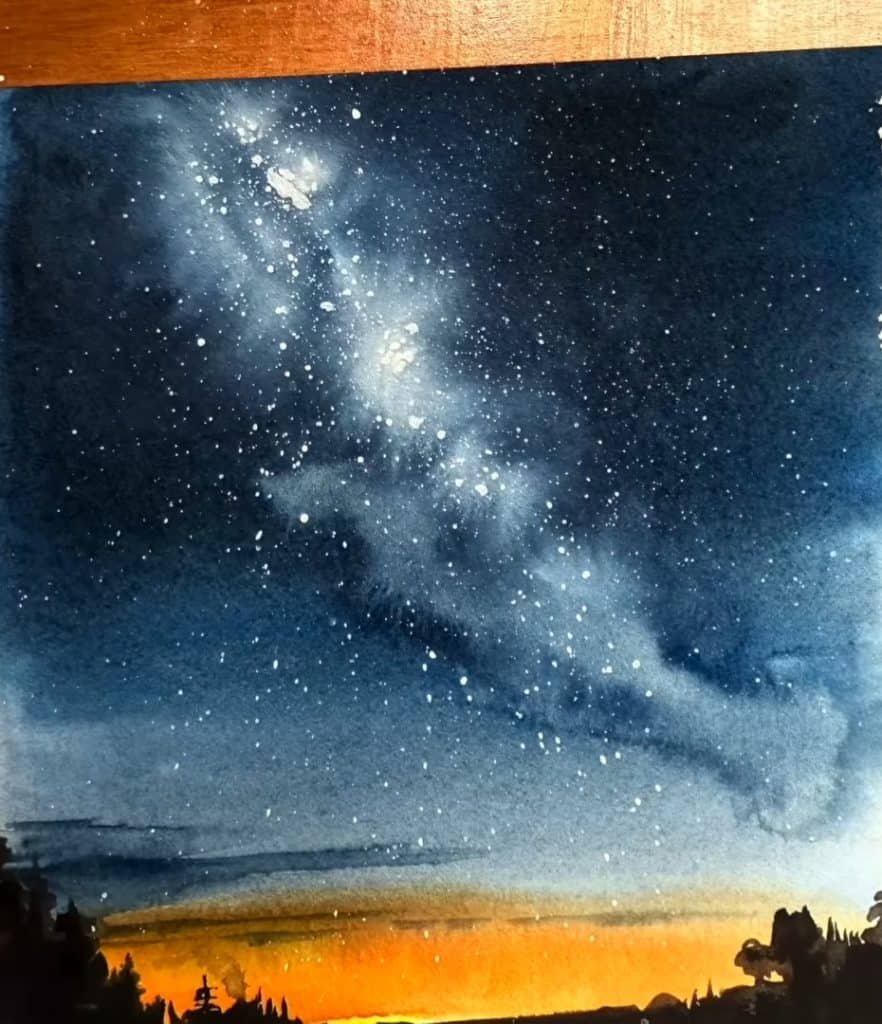
Leila applies this in a sky scene. She paints Prussian Blue, then dabs in white. The result looks like flowing clouds.
She builds the composition with darker blues and smoke from a small house. The effect is soft, controlled, and magical.
Titanium White vs. Chinese White in Watercolor Painting
Not all whites are the same. Leila Ataya explains the difference.
- Titanium White (PW6): Strong coverage, very opaque, perfect for highlights.
- Chinese White: Softer, more transparent, better for subtle blends.
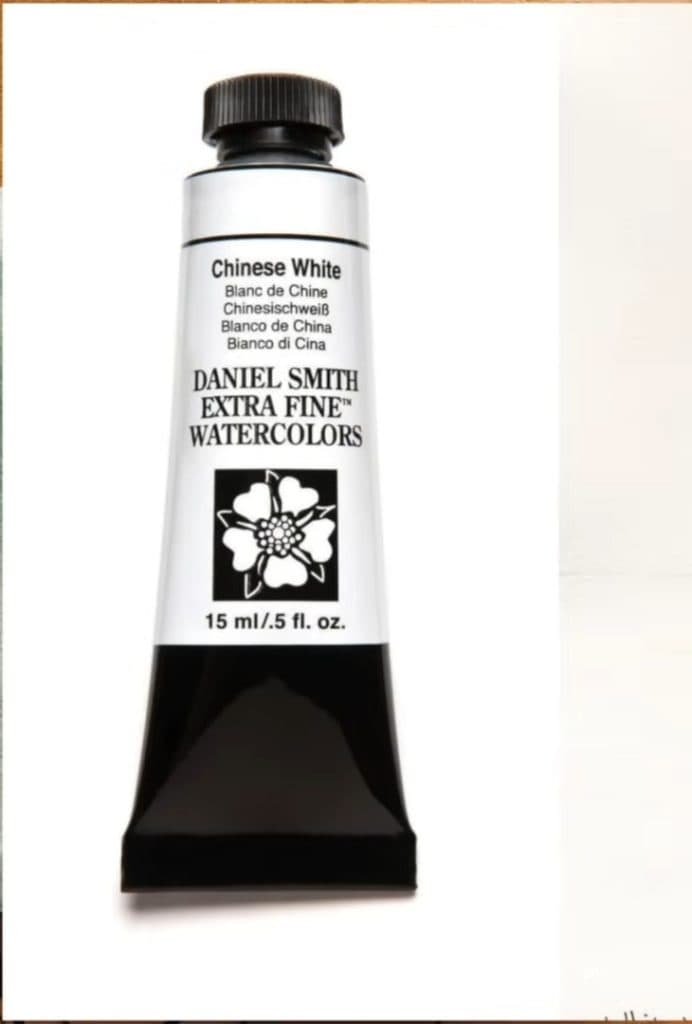
If you find Titanium White too harsh, try Chinese White. It can ease your transition into using white.
Leila also reminds you: white paper is always brighter than paint. If you want the brightest highlight, leave the paper untouched. White paint will always be slightly duller.
The key is balance. Use white only where it adds value. Not every painting needs it.
Pro Tips for Using White Watercolor Effectively
Leila Ataya shares extra advice for working with white paint. These tips will make your practice smoother:
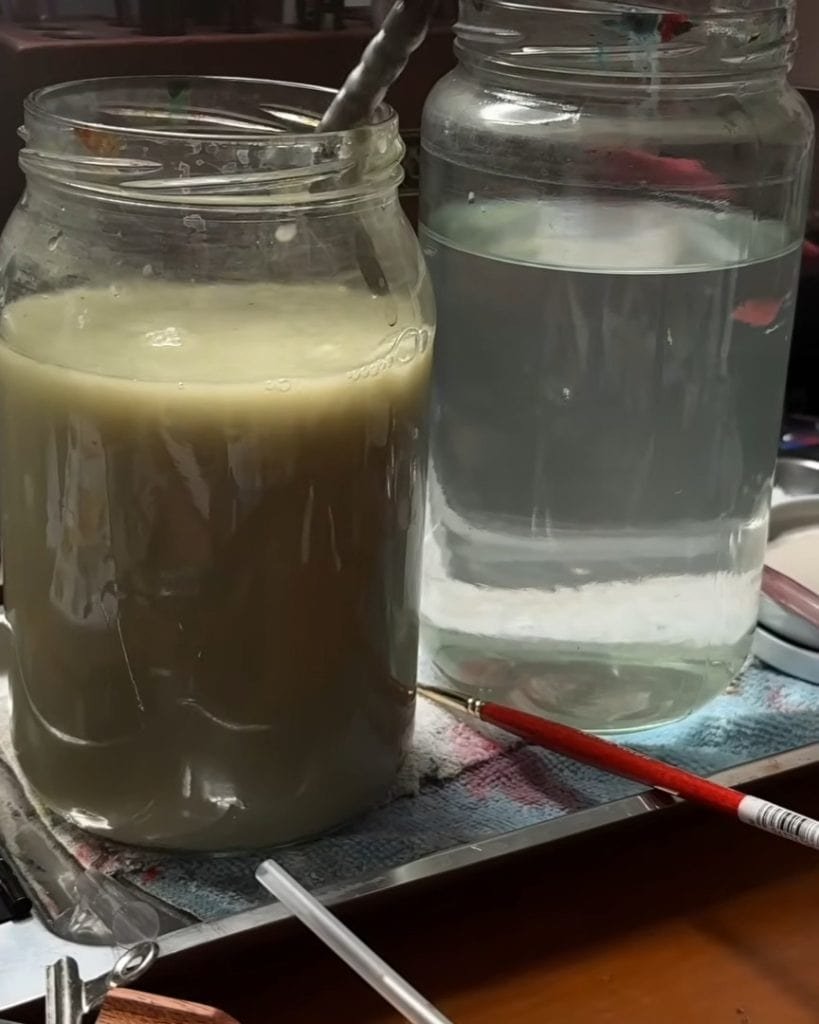
- Keep multiple water jars: White can make your rinse water cloudy. This affects your transparent colors. Use two or three jars to keep colors clean.
- Use paper white strategically: When you want maximum brightness, leave the paper bare. White paint can’t match it.
- Don’t overuse white: Apply it where it matters most, such as highlights, blends, or atmosphere.
- Think in highlights and shadows: White isn’t just for brightness. Use it alongside darks to create balance and depth.
These small changes can improve your workflow and prevent frustration.
In A Nutshell
You’ve now explored seven “forbidden” watercolor techniques that challenge old rules. White watercolor expands your creative range, from saving money on paints to painting fog, highlights, and clouds.
According to Leila Ataya, white is not a mistake but a tool. So, why not test it yourself? Try adding white to your palette and see how it transforms your watercolor practice. What will you create today? Share below!