At some point, every painter reaches a stage where progress seems to slow down. I’ve experienced it myself — painting consistently yet feeling as though nothing is changing. The work starts to look familiar in an uncomfortable way, and no matter how much effort you put in, improvement feels just out of reach. Moments like this are often where intentional practice becomes most important.
More often than not, the problem isn’t a lack of dedication. It’s uncertainty about what needs improvement. When weaknesses remain unclear, it’s hard to move forward. But once you begin identifying those gaps, growth tends to follow naturally.
If you have access to a mentor, take advantage of that guidance whenever possible. Honest feedback can accelerate learning tremendously. But even without a teacher, there are practical ways to challenge yourself and regain momentum. The exercises below are approaches I’ve found incredibly helpful for breaking through creative plateaus.
1. Step Outside Your Comfort Zone
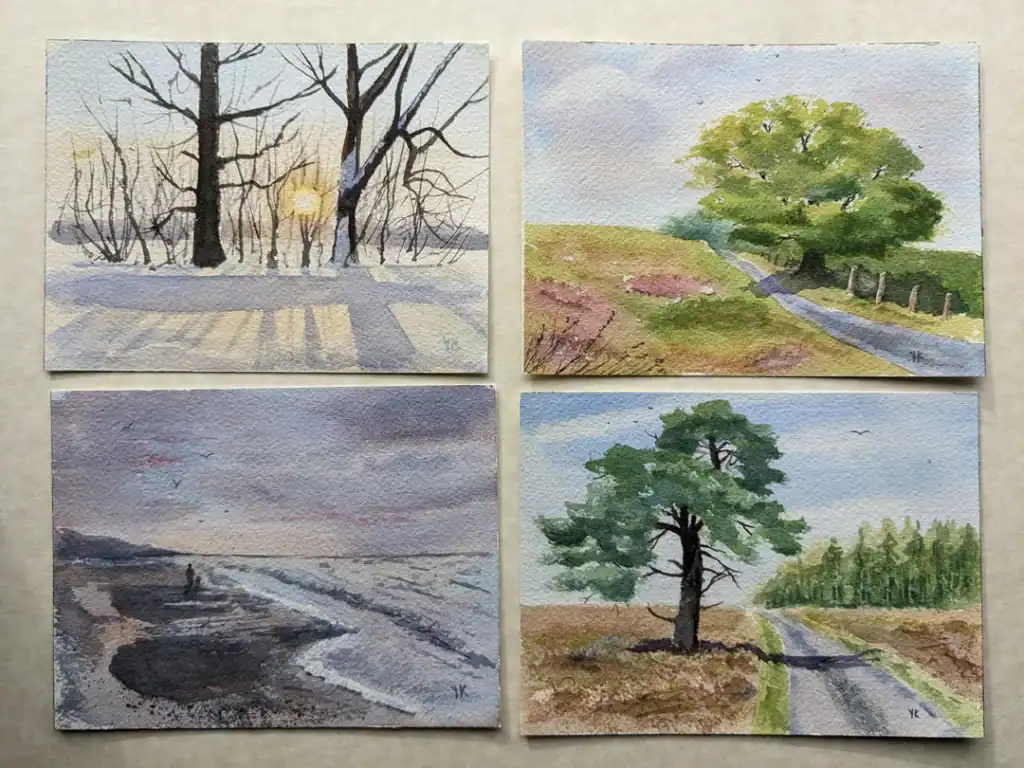
I like to ask myself: What habits do I rely on most? That’s usually where change needs to happen.
If you normally paint from photographs, try working directly from life. Painting outdoors or setting up a simple still life forces you to observe color, light, and value relationships more honestly than a photo allows. It strengthens decision-making based on real observation rather than interpretation of a flattened image.
If you usually work from life, try the opposite — paint from imagination. This can be surprisingly revealing. You quickly discover where your understanding of structure, color, and value is solid and where it needs strengthening. Experiment with simplifying forms, rearranging compositions mid-process, or inventing scenes entirely.
When I first began painting landscapes from imagination after formal training, I realized how forgiving and freeing the subject could be — and how much it revealed about my understanding.
Growth rarely happens when everything feels comfortable. Discomfort often signals learning.
2. Study the Masters — and Copy Them
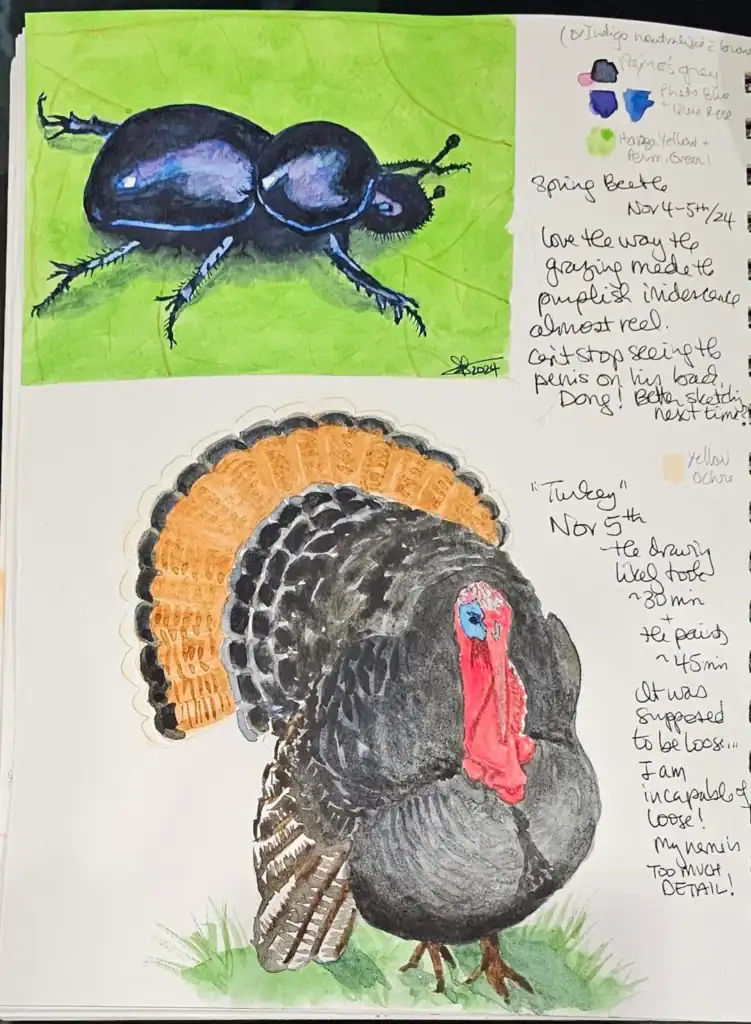
If you’ve followed my teaching for a while, you know how strongly I believe in master studies. Copying great paintings remains one of the fastest and most effective ways to learn.
Seeing art in person is invaluable, but today we also have extraordinary access to high-resolution museum collections online. In many cases, we can zoom in closer than we ever could in a gallery and study brushwork, edges, and subtle color shifts in remarkable detail.
Choose a painting that truly resonates with you and recreate it as a study. While working, ask questions: How were shapes simplified? How was light organized? How does harmony hold the painting together?
This process teaches lessons that reading alone cannot provide. And the key is repetition — not doing it once, but making it part of your regular practice.
3. Change Your Scale
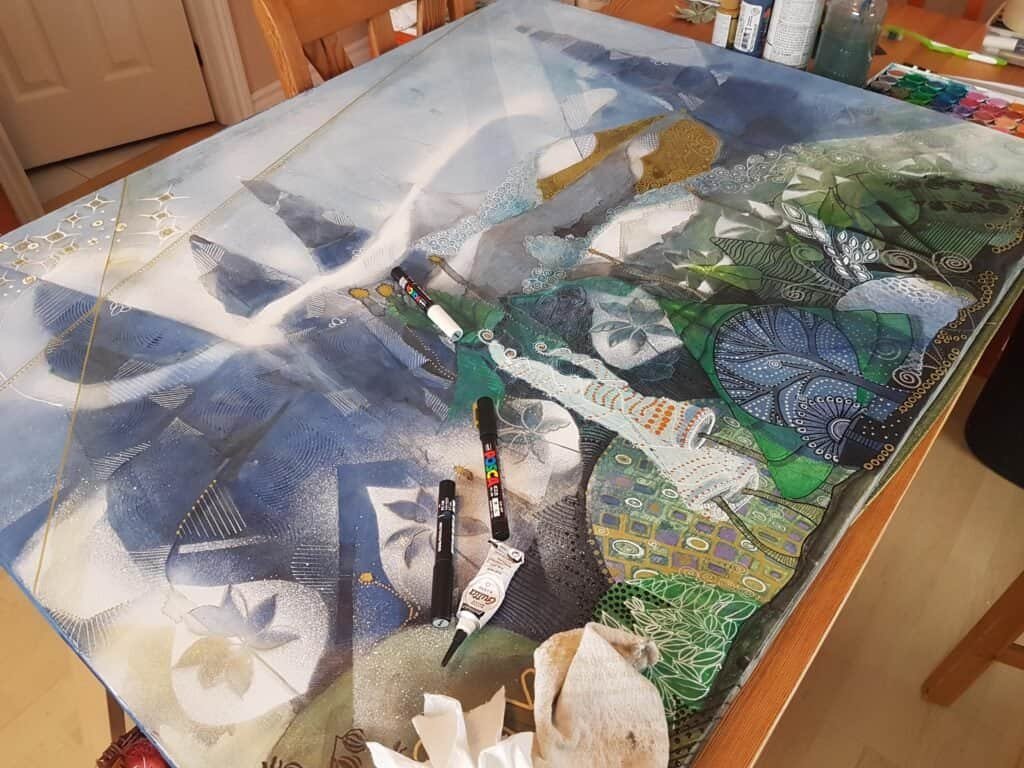
Altering the size you work at can completely shift how you think.
If you typically paint small, try working large. Bigger surfaces demand broader thinking, more confident gestures, and stronger compositional commitment.
If you usually paint large, switch to something small. Smaller formats require clarity and precision. Weaknesses in design and value structure become immediately visible.
Changing scale can feel intimidating at first, but it refreshes your habits and introduces challenges that spark new learning.
4. Explore New Techniques and Materials
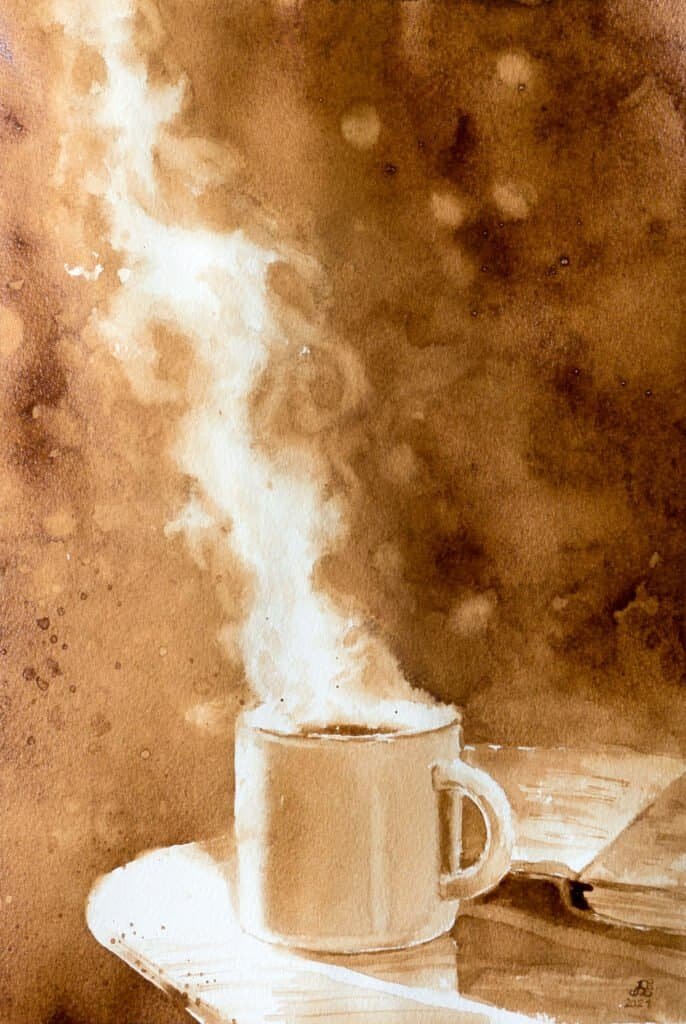
Sometimes progress slows simply because we stop learning new technical skills.
Try experimenting with techniques you’ve never explored — glazing, scumbling, or working with a limited palette. Even small technical shifts can open new ways of thinking.
You might also experiment with a different medium. Oil painters might try gouache or watercolor; acrylic painters might explore drawing materials. Each medium teaches something unique about edges, layering, and color relationships.
When you return to your primary medium, you often bring unexpected insights with you.
Curiosity is one of the most powerful tools an artist has. Treat experimentation as exploration rather than commitment.
5. Surround Yourself with Artists Who Challenge You
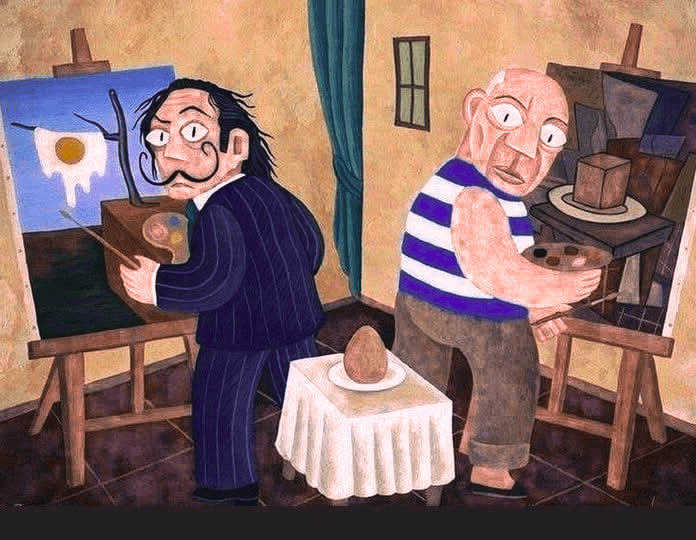
One of the greatest catalysts for growth is community. During my own training, I learned as much from classmates as I did from instructors. Sharing work, discussing struggles, and encouraging risk-taking created momentum that was hard to achieve alone.
If possible, connect with painters at a similar or higher skill level. Learn from one another and exchange honest feedback.
If a local group isn’t available, online communities or even a small circle of trusted artist friends can make a huge difference. Research consistently shows that working alongside supportive peers increases motivation and long-term consistency.
Painting may be solitary, but artistic growth rarely is.
Final Thoughts on Breaking Through Plateaus
Reaching a plateau doesn’t mean something has gone wrong — it usually means you’ve reached the limits of your current understanding. Every growing artist encounters these moments repeatedly.
The goal isn’t to avoid plateaus but to recognize them as invitations to explore something new.
When you begin experimenting again, studying deeply, and reconnecting with others, momentum returns. Progress in painting is rarely linear, yet every challenge adds depth to your development as an artist.
I’d love to hear from you — what challenge feels like the biggest obstacle in your painting right now?