One of the questions painters ask most often is also one of the hardest to answer: How do you know when a painting is finished?
I’ve found that this isn’t something that can be explained through a simple rule. The ability to recognize completion develops slowly through experience. Still, there are practical questions I return to again and again that help guide that decision.
For me, painting works best when it feels like an ongoing conversation. Finishing a painting isn’t a single moment — it’s the result of repeatedly stepping back, observing, and asking thoughtful questions. The following checkpoints help me evaluate whether a painting has truly come together.
1. Is There Tonal Unity? Is the Value Structure Clear?
This is always the first thing I look at — and honestly, it matters even more than color.
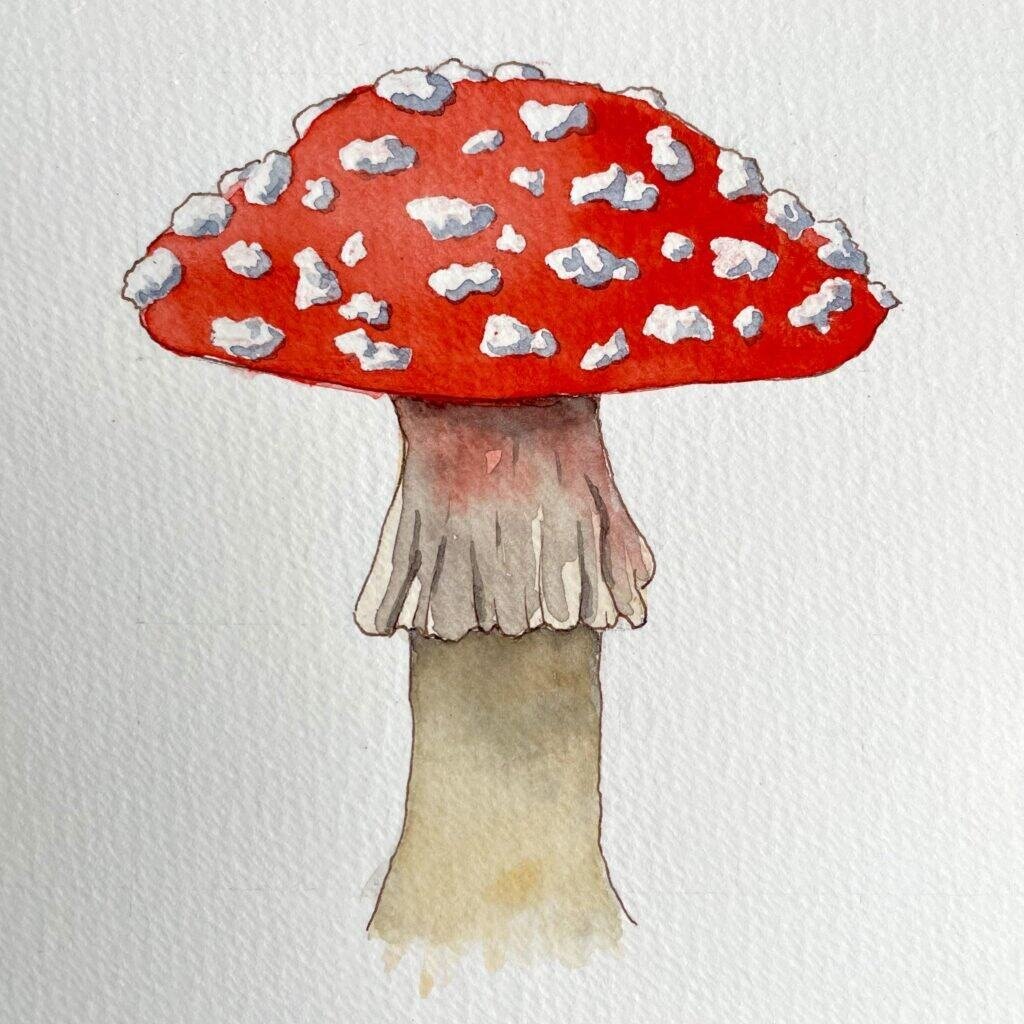
A painting can survive imperfect color if the value structure is strong, but beautiful color cannot rescue weak values. When I step back, I ask whether the light reads clearly. Can I immediately recognize the brightest area and the darkest area? Do the middle values connect them logically?
I try to simplify the painting into three or four main value groups: a clear light, a clear dark, and supporting middle tones. If these relationships feel muddy or uncertain, the painting usually needs more work.
Studying painters known for their mastery of value — artists like Corot — has helped me understand how clarity of light creates unity across an entire painting.
2. Does the Composition Feel Unified?
Next, I step back and consider whether all parts of the painting belong together.
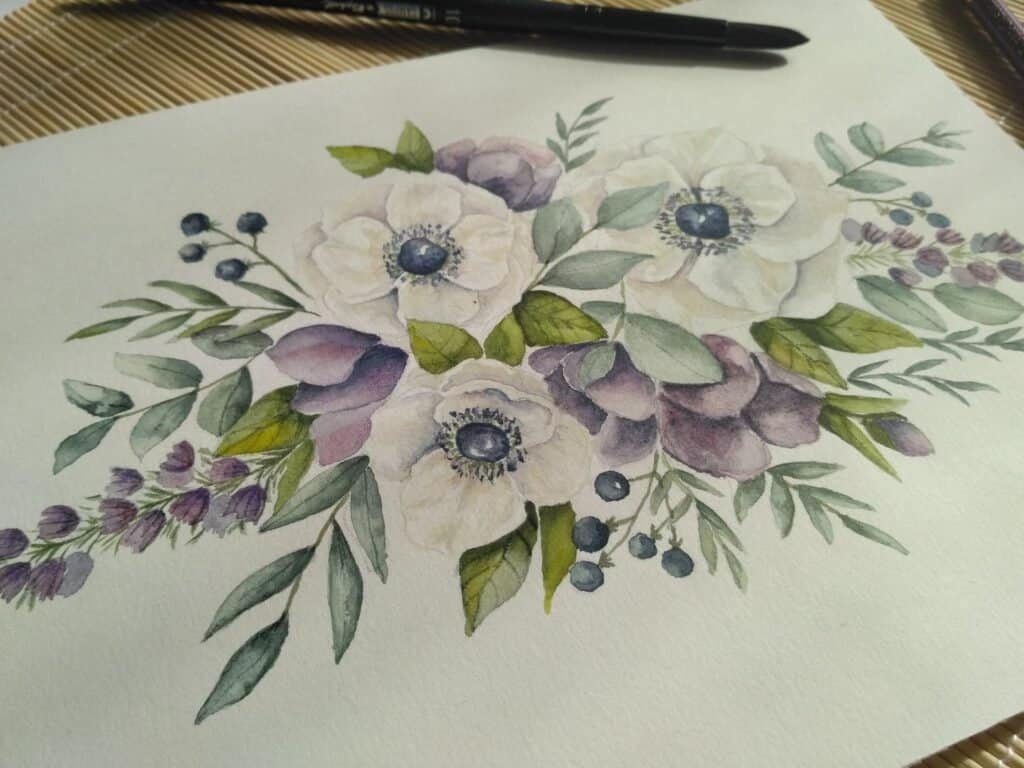
Does my eye move naturally through the image, or does it feel fragmented? A strong composition feels cohesive, as though every element supports the whole rather than competing for attention.
One trick I often use is photographing the painting and viewing it small on a screen. This makes compositional problems easier to notice. Sometimes solving them requires painting over areas I spent hours on — which can feel uncomfortable — but those moments often lead to the biggest improvements.
3. Is There Color Harmony?
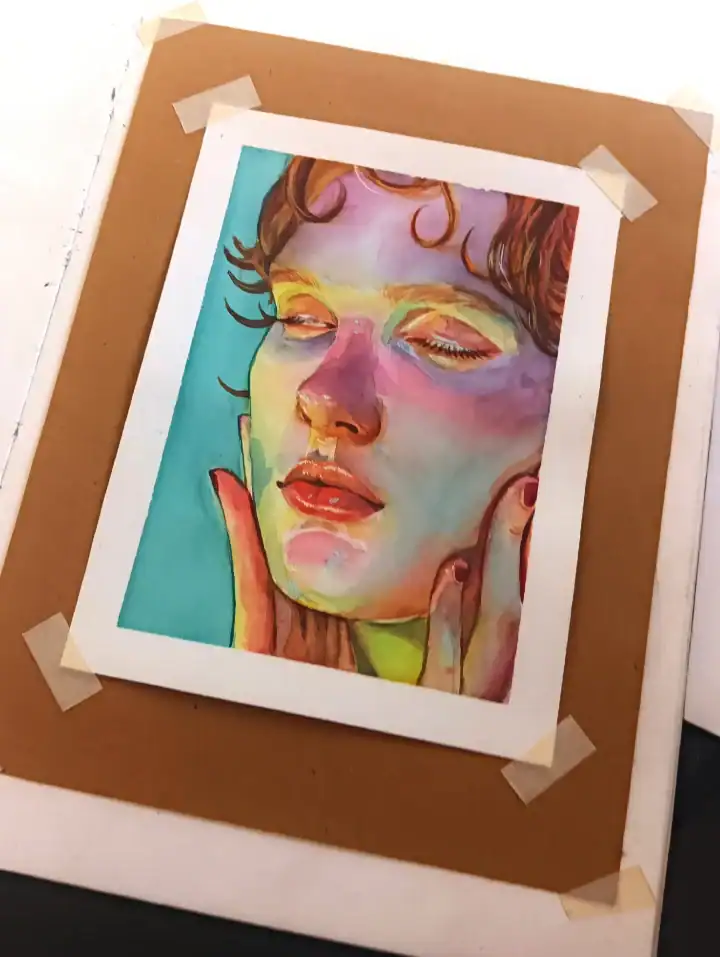
I then ask whether the colors feel related to one another.
Good color harmony doesn’t mean everything looks the same. Contrast and variation are important. But the colors should feel as though they exist within the same visual world.
For example, a highly saturated color placed inside an otherwise muted painting can feel disconnected. Brighter passages should still relate to the overall atmosphere of the piece — strong enough to stand out, but not so strong that they break unity.
Studying artists like Giorgio Morandi has helped me better understand how subtle relationships between colors create quiet harmony.
4. Does the Painting Have a Convincing Sense of Space?
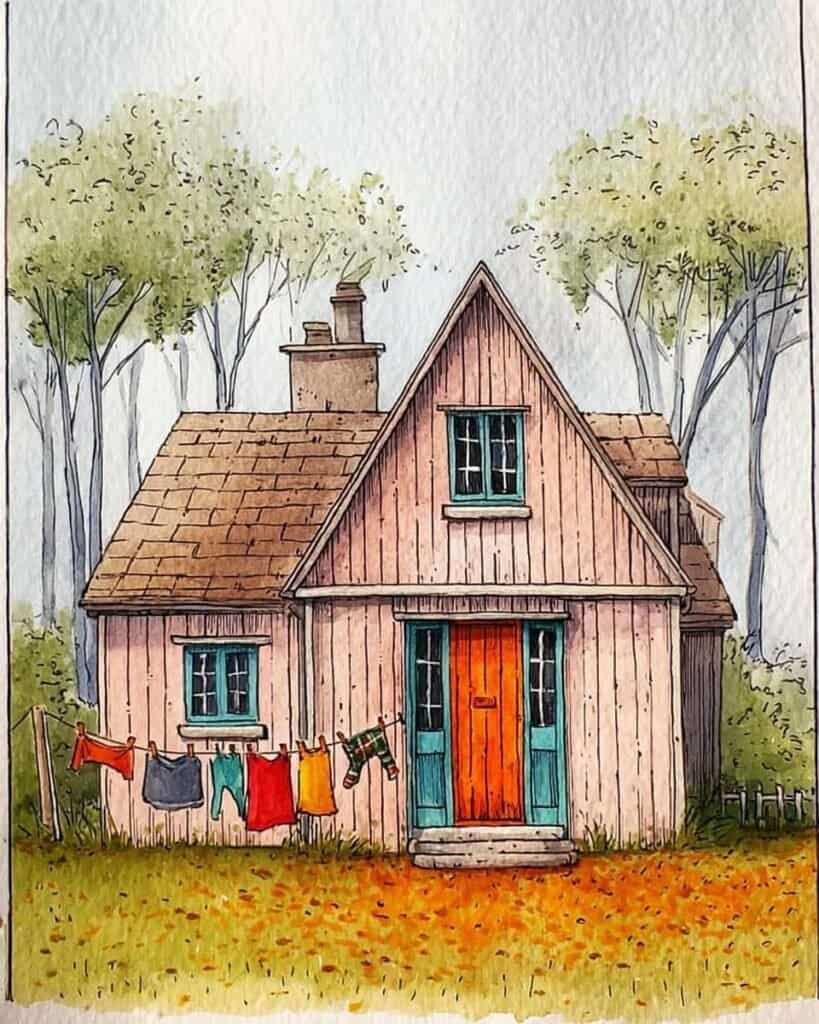
Unless I’m intentionally flattening space, I want to feel depth in the painting.
I ask myself whether the foreground truly comes forward and whether the background recedes naturally. If space feels unclear, I adjust a few key elements:
To bring areas forward:
- Sharpen edges
- Use warmer temperatures
- Increase color saturation
To push areas back:
- Soften edges gradually
- Shift toward cooler colors
- Reduce saturation
Small adjustments in edge quality and color temperature can dramatically improve the illusion of depth.
5. Are the Measurements Accurate?
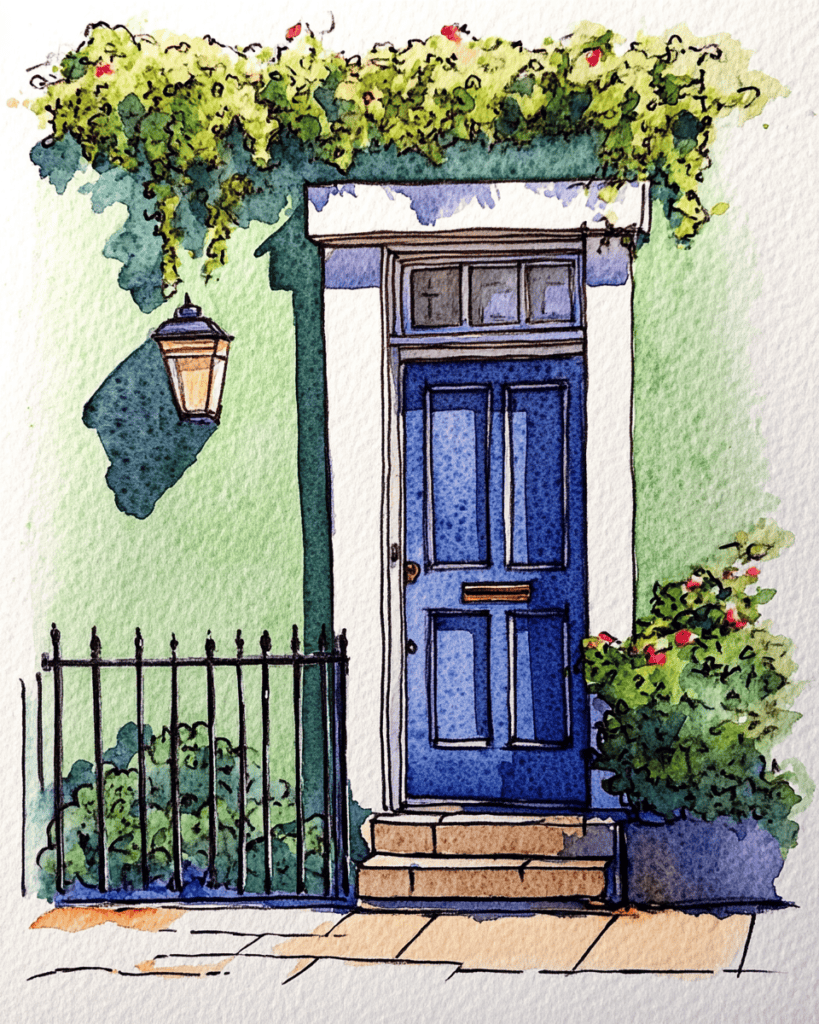
Finally, I return to drawing and structure.
Accurate relationships between shapes and proportions are essential, and I check them repeatedly throughout the process. Sometimes I use a simple stick or visual alignment to compare angles and distances.
Correcting drawing late in a painting can require bold changes, but I’ve learned not to avoid them. Strong painters throughout history — like Ingres — measured constantly, understanding that drawing continues even after paint is applied.
Finished vs. Complete
Over time, I’ve started to prefer the word complete rather than finished. A painting doesn’t need every inch of canvas covered to feel resolved. Sometimes a work is complete long before it looks polished.
Ultimately, the process matters more than the final surface. When I focus on observing, questioning, and responding honestly to the painting, completion tends to arrive naturally.
A beautiful result is often simply the byproduct of deep engagement with the process itself.