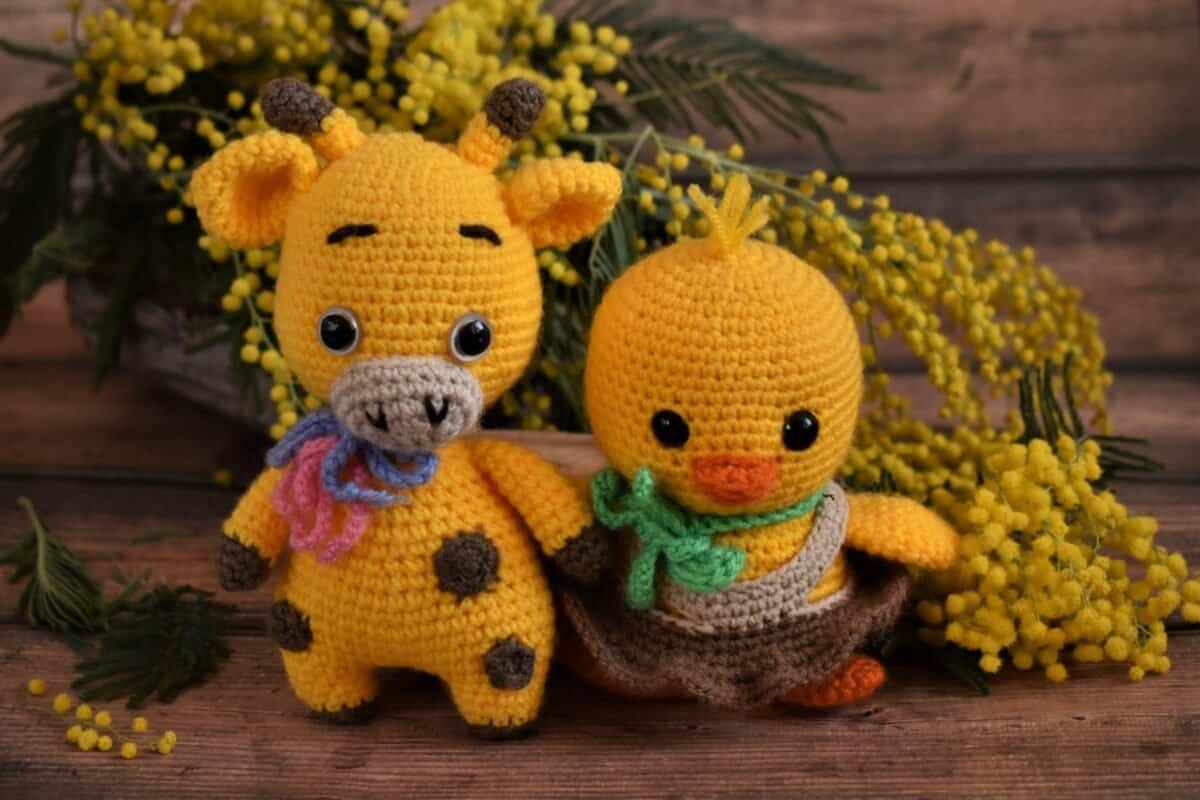
Few things in the fiber arts are as rewarding as finishing a three-dimensional crochet piece, only to set it on a shelf and watch it stand proud, upright, and perfectly balanced. Whether you are crafting a miniature woodland creature, an architectural toy, or a posable character with extended limbs, structural integrity is everything in amigurumi. When an amigurumi piece flops over, develops lumpy bulges, or sags under its own weight, the culprit is rarely your skill with a hook—it is almost always your yarn selection.
Creating a firm, structural piece requires a yarn with specific physical properties: high tensile strength, minimal elasticity, tight ply construction, and outstanding stitch definition. In this guide, we break down the best yarn types and fibers for crochet amigurumi projects that need to hold their shape through years of handling, display, and play.
The Science of Structure: What Makes Amigurumi Hold Its Shape?
In standard crochet garments or blankets, drape and elasticity are prized qualities. You want a fabric that swings, stretches, and contours to the body. Amigurumi requires the exact opposite. To create a crisp, self-supporting structure, the fabric must act more like molded canvas or soft sculpture than woven clothing.
Three primary yarn characteristics dictate how well your finished amigurumi will hold its shape:
- Fiber Elasticity: Fibers that spring back (like high-crimp animal wool) or stretch easily under tension can stretch out over time as polyfill pushes against the stitches. Low-elasticity fibers maintain their original perimeter regardless of internal stuffing pressure.
- Ply Twist and Density: A yarn spun with a firm, multi-ply twist creates clean, distinct single crochet posts. Loosely spun or roving-style yarns compress irregularly and yield mushy stitches that stretch unevenly.
- Fiber Friction: Yarns with moderate surface friction lock against adjacent stitches, preventing the individual loops from shifting or sliding when the finished piece is squeezed or posed.
1. 100% Cotton and Mercerized Cotton: The Gold Standard for Rigidity
When professional toy designers need razor-sharp stitch definition, structural stability, and crisp geometric edges, non-elastic cotton is nearly always the top choice. Cotton fibers have almost zero inherent stretch, meaning that the stitch size you create on the hook is the exact size it will remain forever.
Why Mercerized Cotton Excels
Mercerization is a chemical treatment that smooths the cotton fiber, swells the cell walls, and adds a slight luster. More importantly for amigurumi makers, mercerization compacts the strand, making it exceptionally dense and stiff. When worked into tight single crochet stitches, mercerized cotton creates a firm, almost armor-like shell that resists bowing even under heavy stuffing.
Best For
Small-to-medium toys, detailed miniatures, standing figurines, and structural accessories like hats, horns, and shoes. If you want crisp details, you can explore durable cotton yarns that provide the rigidity needed for intricate miniatures without splitting while you work.
2. Anti-Pilling Acrylic: Lightweight Firmness Without the Heavy Pull
While cotton offers unmatched firmness, it comes with a trade-off: weight. Large cotton toys can become surprisingly heavy, causing long necks and tall torsos to buckle under their own mass. Traditional acrylic yarns, on the other hand, can sometimes stretch over time and become fuzzy with frequent handling.
Premium anti-pilling acrylic bridges this gap brilliantly. Specially treated acrylic fibers resist the friction that causes surface fuzz, preserving the clean definition of your stitches. Acrylic is also significantly lighter than plant fibers, allowing medium-to-large amigurumi to stand upright without putting excessive downward pressure on their legs and base.
Tension and Hook Sizing Are Key
Because acrylic has slightly more give than cotton, the secret to structural rigidity lies in working with a hook that is one to two sizes smaller than recommended on the label. This forces the acrylic yarn to pack tightly together, creating a rigid wall that prevents stuffing from showing through. To create large plush figures that maintain their shape over time, browse anti-pilling acrylic options that resist stretching and fuzz while offering the structural bounce needed for long-lasting displays.
Best For
Medium-to-large amigurumi, standing animals with longer legs, nursery toys that require gentle machine washing, and projects where cotton would simply be too heavy.
3. Cotton-Acrylic Blends: The Ergonomic Compromise
Crocheting with pure cotton at tight tensions can be tough on your wrists, fingers, and hands. If you love the rigid silhouette of cotton but experience hand fatigue, a 50/50 or 60/40 cotton-acrylic blend is an outstanding alternative.
These blends capture the best attributes of both materials: the cotton content provides dimensional stability and crisp stitch lines, while the acrylic provides lightness, subtle softness, and just enough give to make tight amigurumi stitches glide smoothly off the hook. Projects made with cotton blends retain their posture remarkably well and do not sag over time, provided you maintain tight, uniform tension.
Best For
Makers with repetitive strain sensitivity, medium-sized toys, and pieces that need a balanced, matte aesthetic without extreme stiffness.
Yarns to Avoid When Structure Is Your Priority
Not every popular amigurumi yarn is suited for projects that need to hold an exact shape. While trendy, some yarn types will work against your structural goals:
- Chenille and Velvet Yarns: While incredibly soft and popular for chunky plushies, chenille yarns lack internal structural support. The fluffy fibers disguise stitches, compress dramatically, and will flop or sag over time unless stuffed to the point of popping the underlying thread.
- Single-Ply Roving: Single-ply or loosely spun roving has no internal twist to resist stretching. As you stuff the toy, the individual stitches will stretch out of proportion, creating gaps where stuffing peeks out.
- Pure Bamboo or Viscose: Bamboo yarn has gorgeous shine and an exceptionally fluid, heavy drape. While wonderful for garments, that heavy drape makes it entirely unsuited for standing or upright amigurumi, as the fibers will naturally pull downward.
Essential Tips for Maximizing Structural Support
Choosing the right yarn is half the battle; the rest comes down to technique and preparation. Keep these practical practices in mind during construction:
Downsize Your Crochet Hook
Always drop down 1.0 mm to 2.0 mm from the hook size recommended on the yarn band. For example, if a worsted weight acrylic suggests a 5.0 mm (H-8) hook, try a 3.5 mm (E-4) or 3.75 mm (F-5) hook. This eliminates air pockets between stitches, transforming flexible yarn into a sturdy, cohesive fabric.
Stuff Firmly and in Small Increments
Never shove large fistfuls of polyester fiberfill into your amigurumi at once. This creates uneven density pockets and forces individual stitches to stretch sideways. Instead, pull small, walnut-sized tufts of fiberfill, rolling them lightly between your palms before pushing them into the corners and limbs of your piece.
Support Slender Limbs and Necks
Even the stiffest yarn cannot defy gravity if a heavy head rests on a narrow neck. When you prepare your next project, take time to find the right crochet supplies to ensure your stuffing tools and notions match your yarn weight. Consider reinforcing slender sections with tight silicone structural tubing, craft wire encased in tape, or tightly rolled craft foam inserts to provide an internal skeleton.
Summary: Which Yarn Should You Pick?
If your project must stand freely on a tabletop, feature crisp geometric angles, or retain miniature details, choose 100% mercerized cotton worked with a small hook. For larger, display-worthy sculptures that need to remain lightweight without sagging or pilling, opt for a dense, anti-pilling acrylic. And for long marathon crocheting sessions where your hands need a break from stiff plant fibers, reach for a cotton-acrylic blend. By pairing low-stretch yarns with tight tension and deliberate stuffing techniques, your amigurumi will keep its intended silhouette for years to come.
Disclosure: This post contains affiliate links. If you click through and make a purchase, we may earn a commission at no additional cost to you. We only recommend products or services we believe add value to our readers.