Art often helps you pause and enjoy the moment. Bubble watercolor painting brings playful textures and unexpected effects to your paper.
Asia Marquet from Lemon Creation ART shares her experience of experimenting with the method in her own way. She shows how simple tools can turn into creative results.
Try the bubble watercolor technique today and discover what patterns you can create.
Contents
- 1 Overview of Bubble Watercolor Painting
- 2 Why Bubble Watercolor Painting Is So Relaxing
- 3 Essential Supplies for Bubble Watercolor Art
- 4 Creating the Watercolor Base Layer
- 5 Step-by-Step Bubble Watercolor Technique
- 6 Common Bubble Watercolor Mistakes and Fixes
- 7 Beautiful Bubble Watercolor Effects
- 8 Creative Ideas for Bubble Watercolor Backgrounds
- 9 Final Thoughts on Bubble Watercolor Technique
Overview of Bubble Watercolor Painting
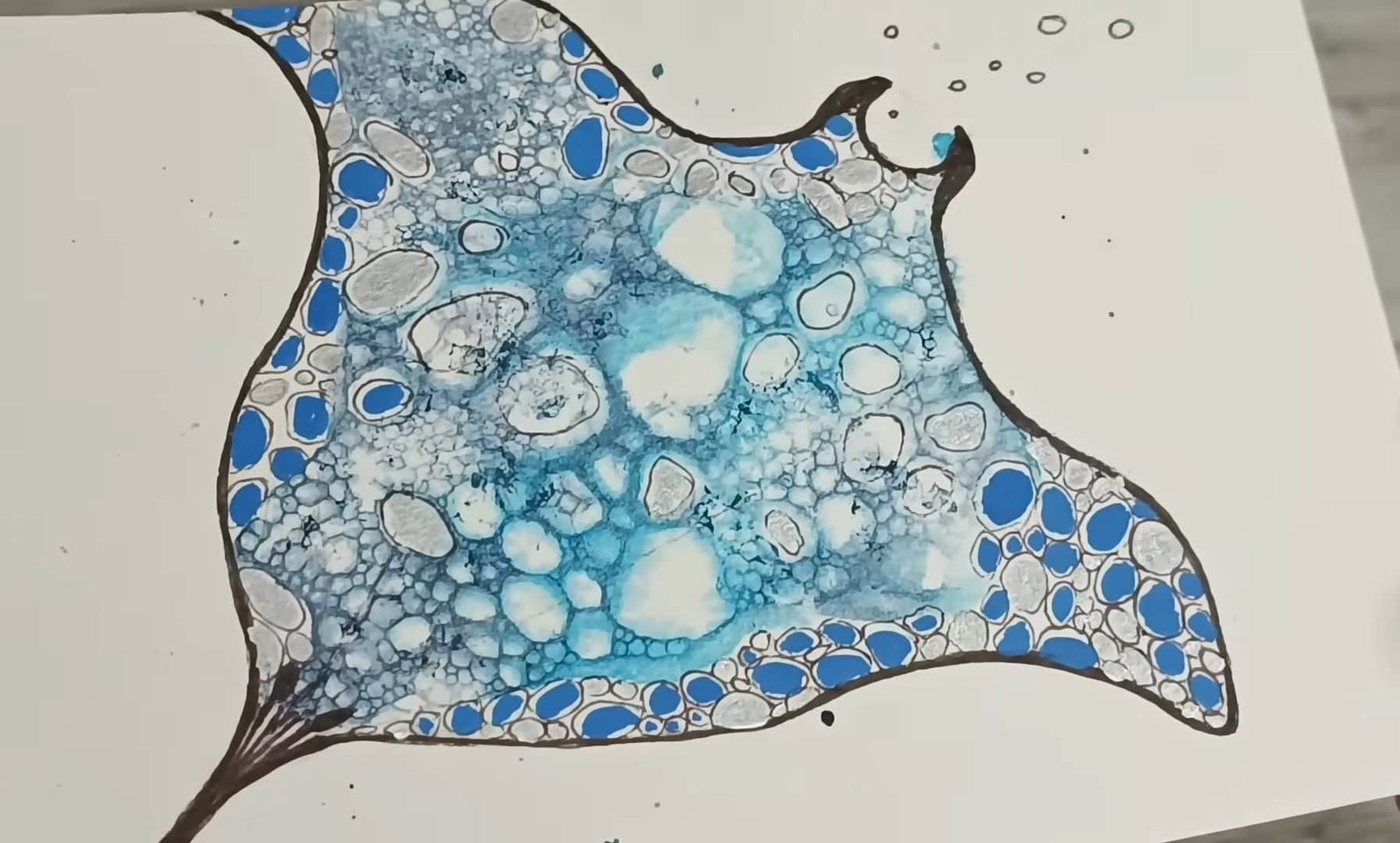
Bubble watercolor painting is an art method that blends soap bubbles with watercolor pigments. The bubbles leave unique textures and shapes on paper. Each attempt creates a different effect.
According to Asia Marquet, she sees this technique on Instagram and Pinterest before she tries it herself. She decides to work without tutorials, so she experiments directly.
Her goal is simple: test the idea, experiment freely, and see what could happen. You can do the same without much preparation.
Why Bubble Watercolor Painting Is So Relaxing
Asia highlights how bubble watercolor painting feels light and stress-free. You blow bubbles, watch them settle, and let the colors form on their own.
You do not control the outcome completely, and that makes the process meditative. She encourages artists of all skill levels to enjoy the imperfections. For her, the beauty lies in surprises.
Essential Supplies for Bubble Watercolor Art
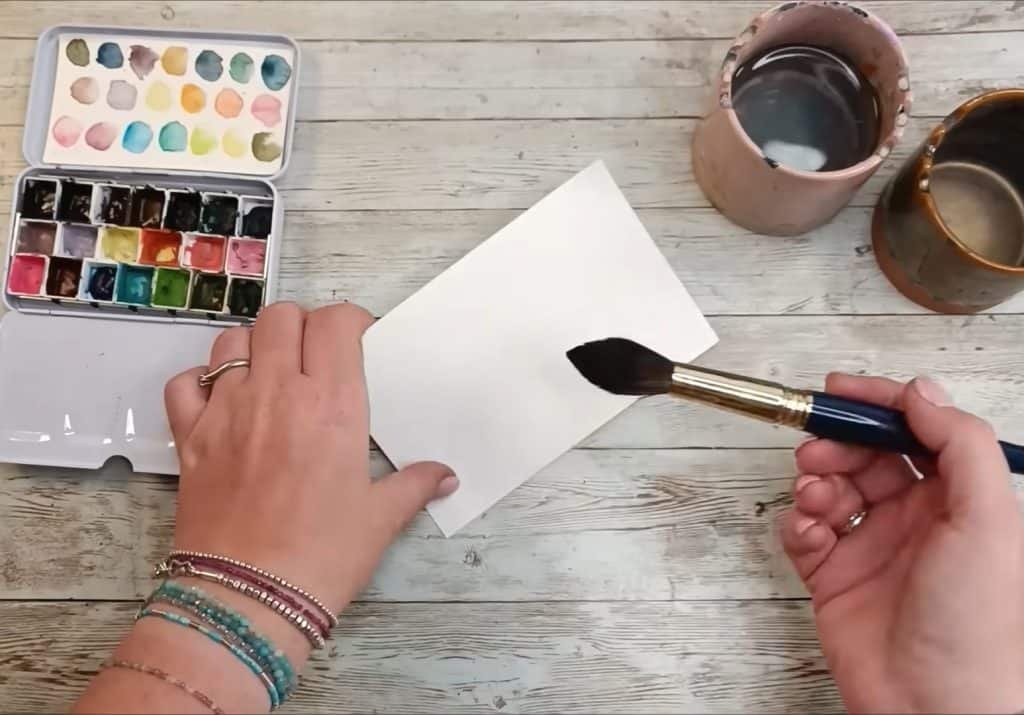
Before starting, you need the right tools. Each item plays a role in shaping the outcome.
Asia Marquet prepares:
- Watercolor paper
- Homemade earthy-tone paints
- Bowls and a straw
- Children’s bubble toy
She notes that you can also use dish soap or regular soap. Adding glycerin or even baking soda helps make the bubbles stronger.
Creating the Watercolor Base Layer
To start, apply a little paint and water on your paper. Asia Marquet suggests keeping it simple, with a loose oval shape in the center. Nothing needs to look perfect.
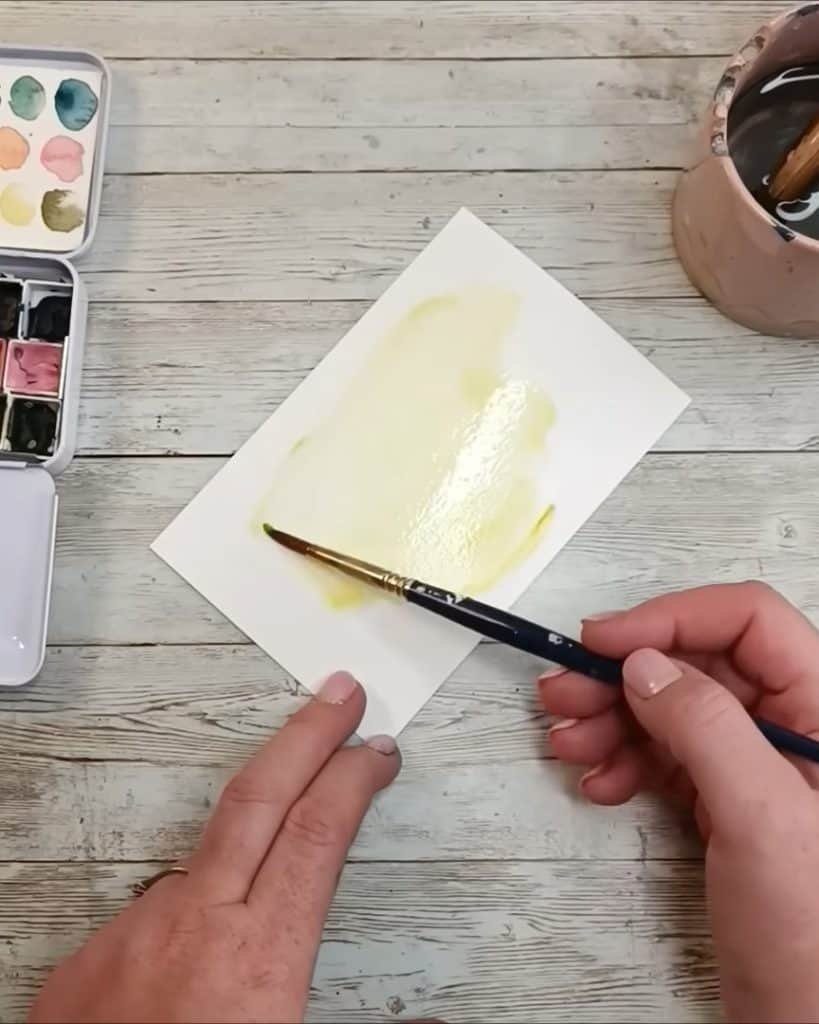
She explains that drying time is important. If the layer is too wet, bubbles slide off instead of staying on the surface. A slightly dry background works better. So, give your first layer a short pause before adding bubbles.
Now the paper is ready for bubble textures.
Step-by-Step Bubble Watercolor Technique
Asia Marquet shares how to build bubbles, apply them, and add color. Let’s go step by step.
How to Make Bubble Mixture for Painting
You need a soapy liquid. Asia uses her child’s bubble toy, but dish soap or normal soap also works. Pour the soap into a bowl, add some water, and stir gently.
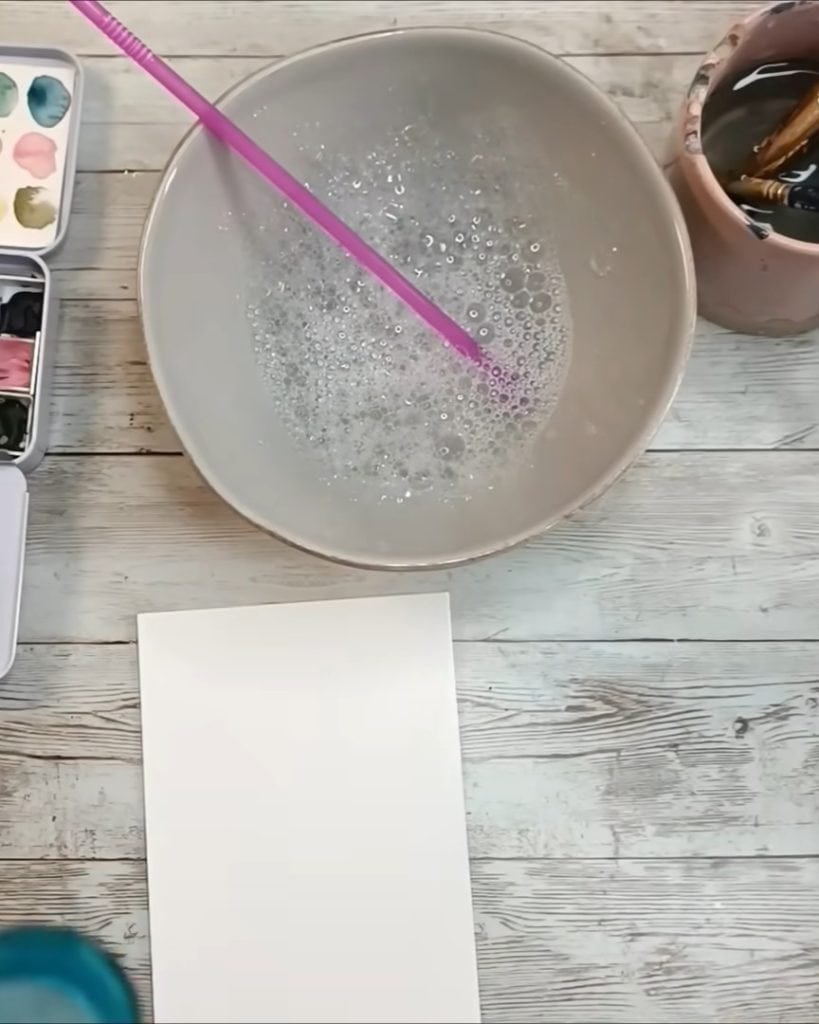
Next, use a straw to blow into the mixture until you create a cluster of bubbles. This will be your “brush.”
From here, you can apply bubbles directly to the page.
How to Apply Bubbles on Watercolor Paper
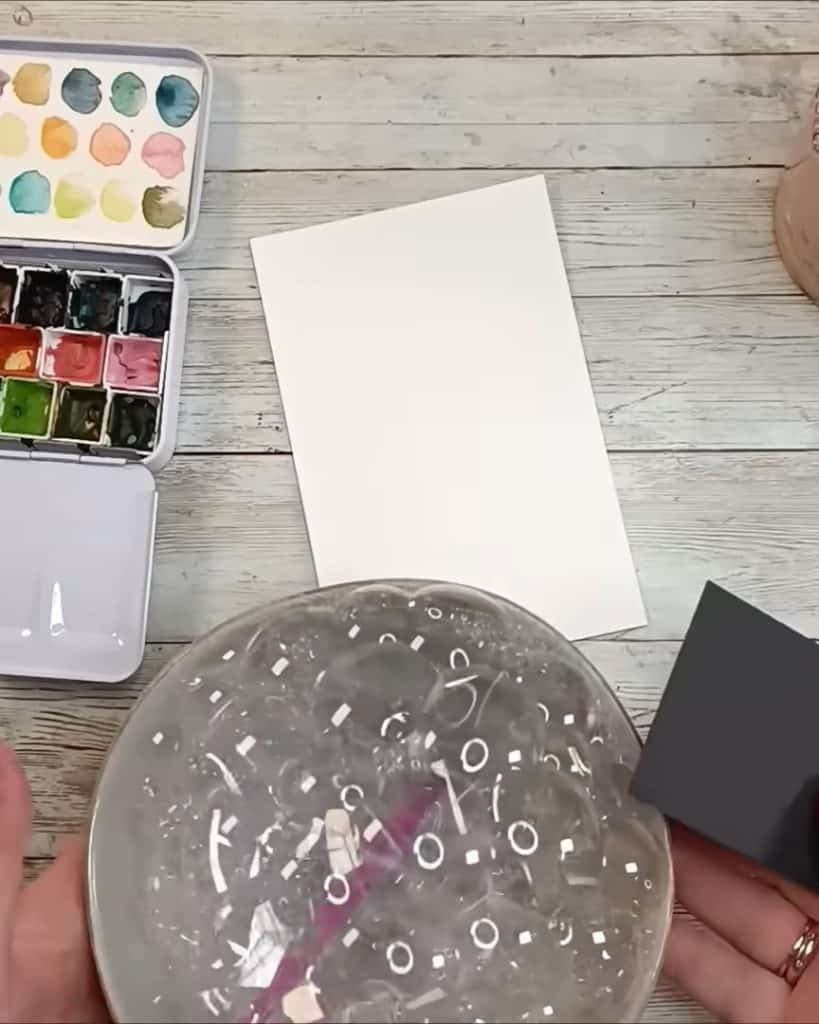
Placing bubbles onto the page is part of the fun. You can:
- Transfer them directly from the bowl
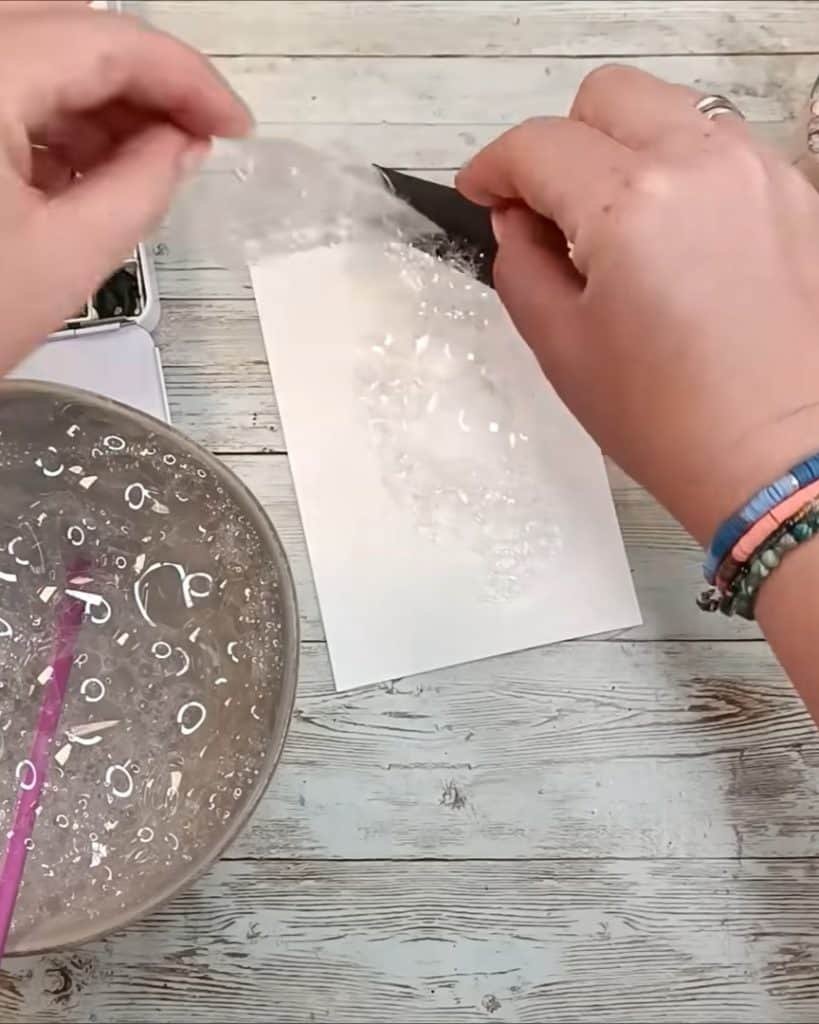
- Use the paper to pick them up
- Place them with a tool like a palette knife
Asia Marquet notes that transferring is not always easy. Bubbles often break or shrink into smaller ones.
If they touch the paper’s edge, the design changes. You may prefer to move them carefully with another tool to control placement.
How to Add Color to Watercolor Bubbles
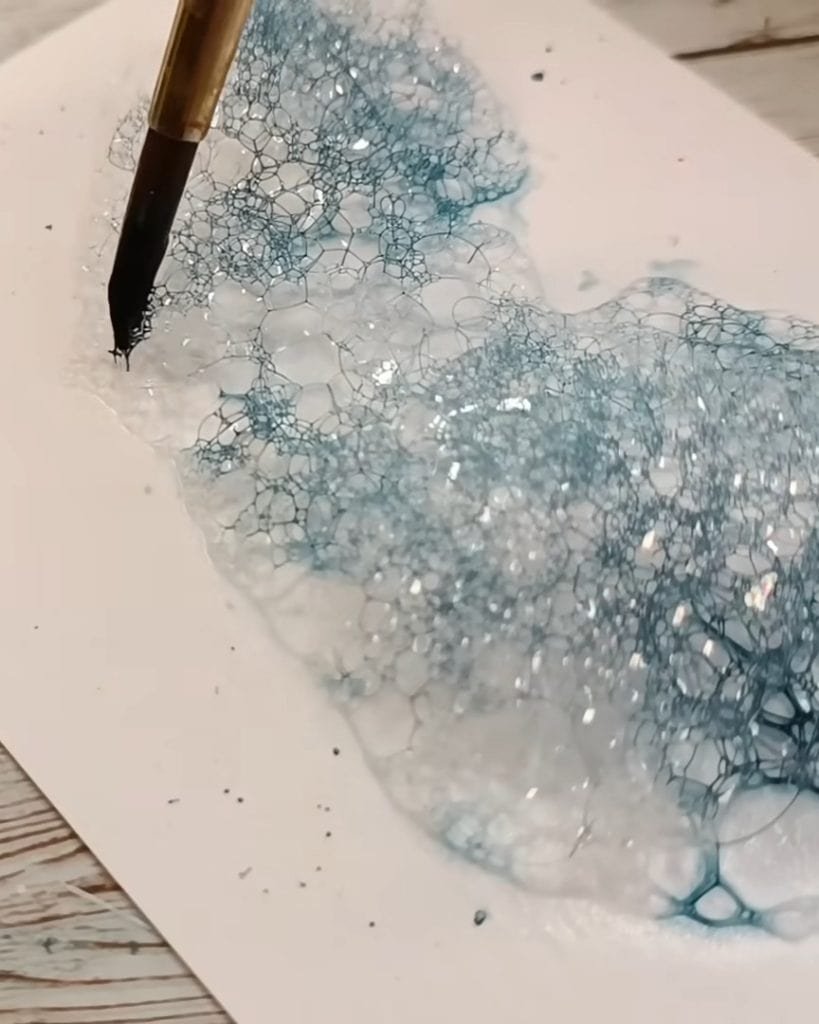
The next step is to add color to the bubbles. It changes everything. Asia dips her brush into watery paint and applies it directly to the bubbles. She also experiments with Dr. Ph. Martin’s liquid watercolors.
You can:
- Mix watercolor paint directly into the bubble solution
- Use both solid and liquid paints together
- Add stronger color for more vivid results
Sometimes the first trials look transparent, but with more paint, the colors start showing clearly. Each combination gives a new surface effect.
Common Bubble Watercolor Mistakes and Fixes
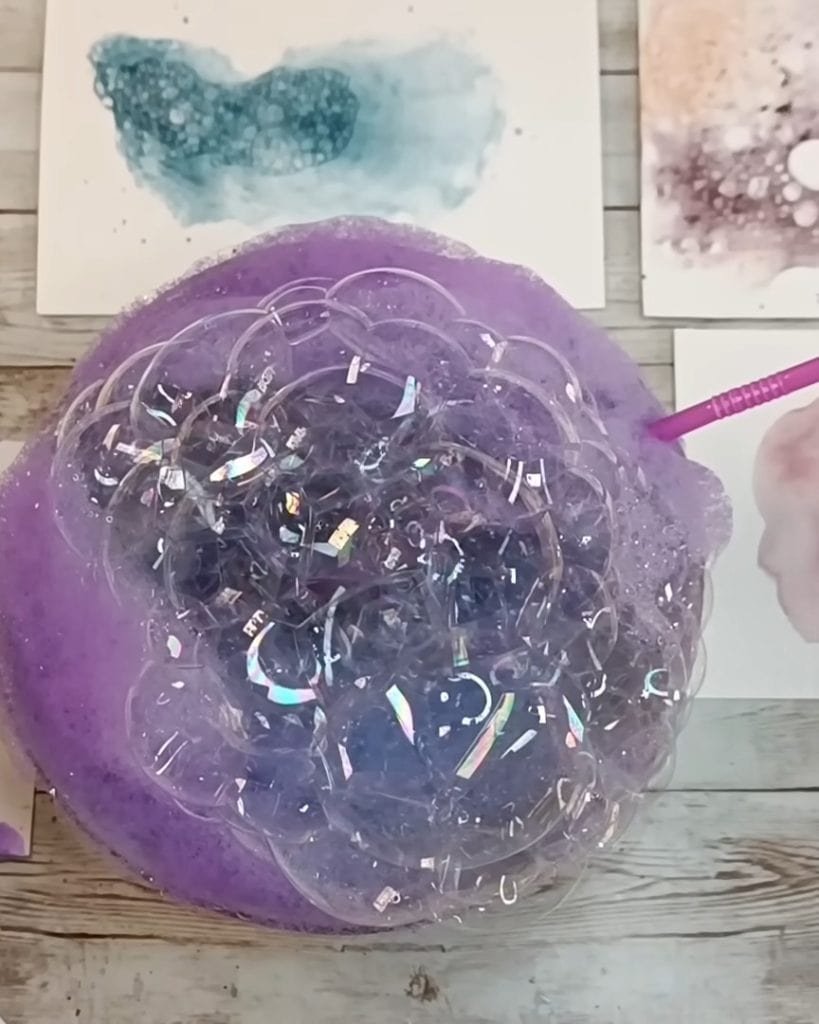
Not every attempt works perfectly. Asia Marquet admits she makes mistakes.
When the Paper Is Too Wet
If the base paint is wet, bubbles slide or disappear. Asia admits that one of her first tries failed because of this.
Her advice: Before you want to add bubbles, always wait until the paper is almost dry.
Overly Wet Paper and Failed Attempts
Sometimes, dipping the page directly into the mixture soaks it too much. Asia shows that this method did not work, and one page went straight into the bin.
Don’t worry. Mistakes are part of experimenting.
Struggles with Large Watercolor Bubbles
Big bubbles can look amazing, but they are tricky. Asia tried many times to place large bubbles onto paper. Either they popped, or they shrank into tiny ones.
She notes that wind and open windows can also make bubbles vanish. Additives like glycerin may help in future experiments.
For now, she suggests focusing on small and medium bubbles.
Beautiful Bubble Watercolor Effects
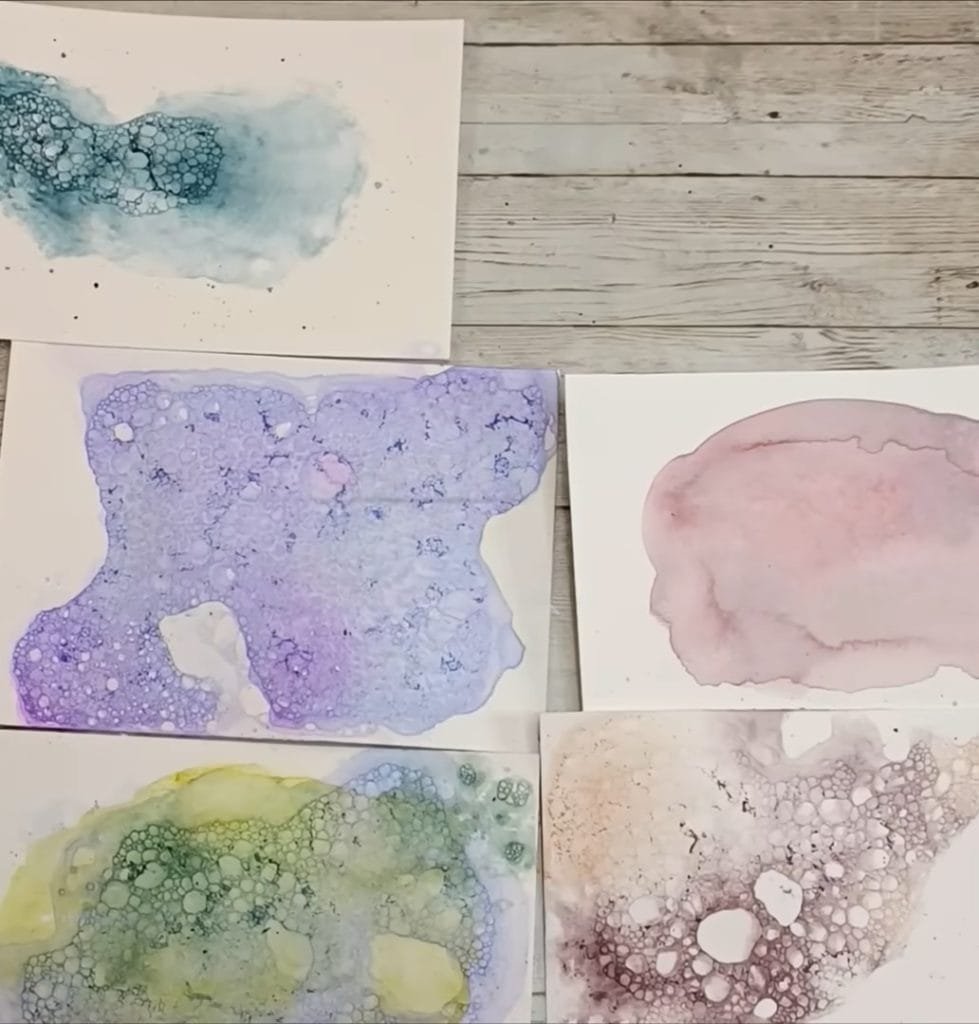
When everything works, the results look wonderful. As you can see, some of Asia’s pages came out full of color and texture. Others had delicate, soft marks.
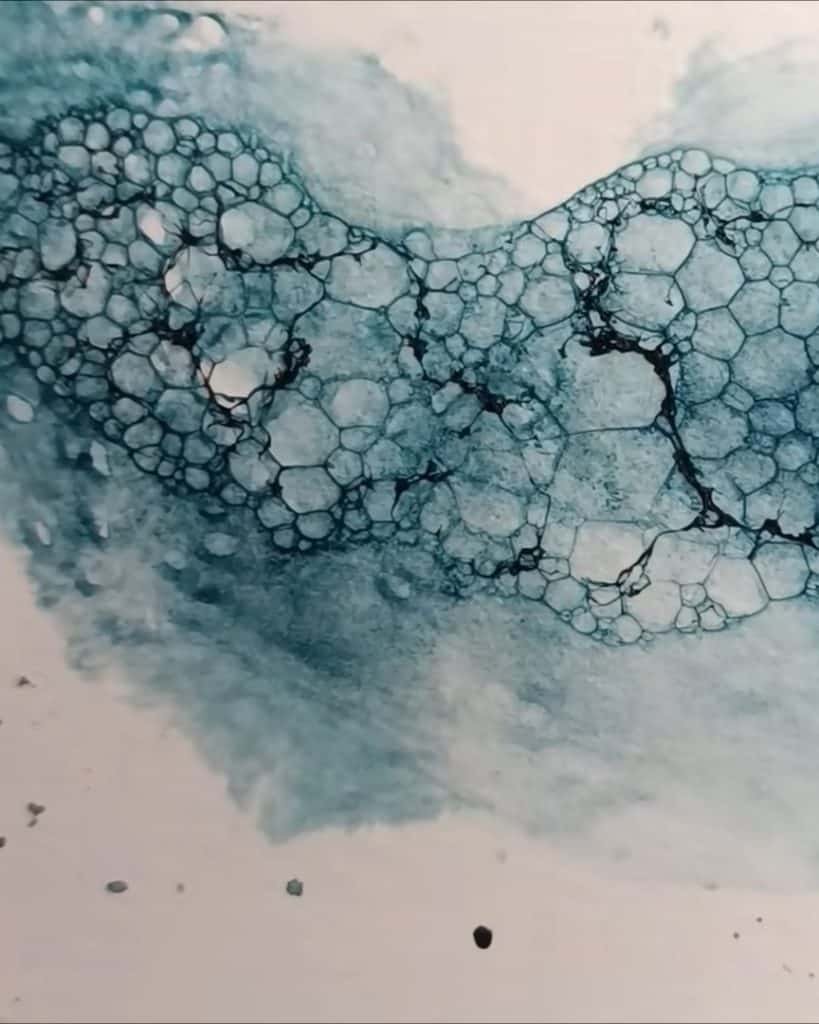
The beauty of bubble watercolor is that every page is unique. No two outcomes are the same, and surprises make the process rewarding.
Creative Ideas for Bubble Watercolor Backgrounds
Once your pages dry, you can leave them as abstract art or add details. Asia recommends many ways to use bubble textures creatively.
Doodling on Bubble Textures
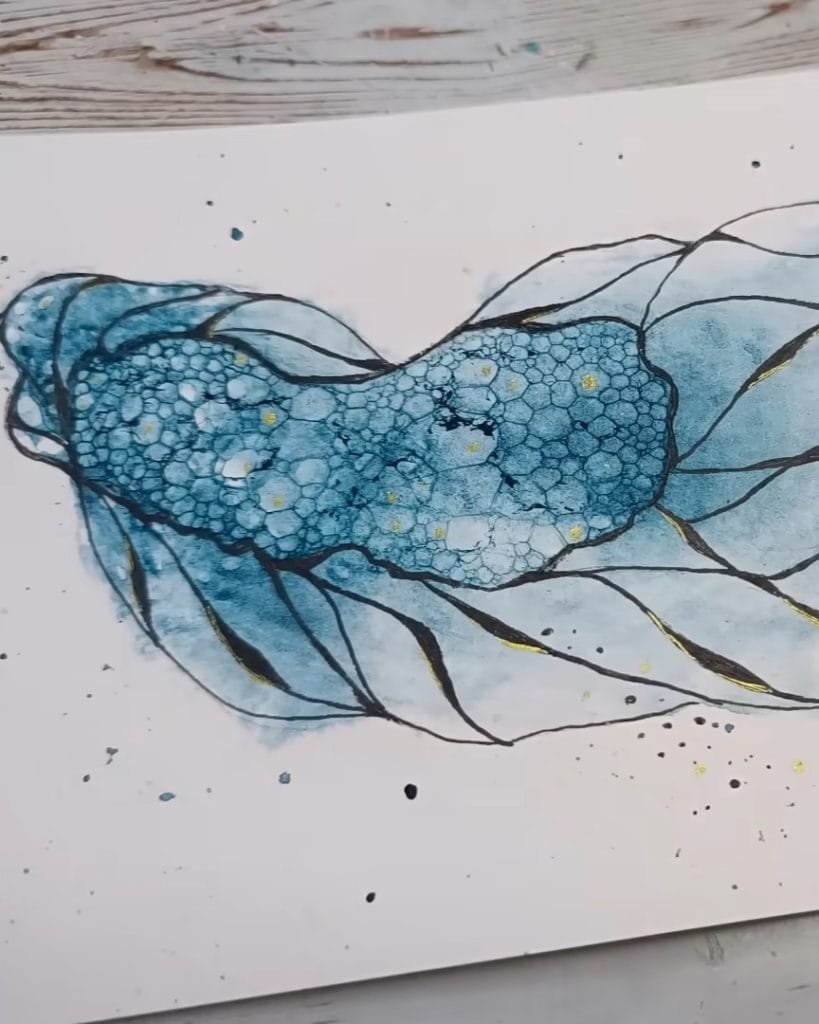
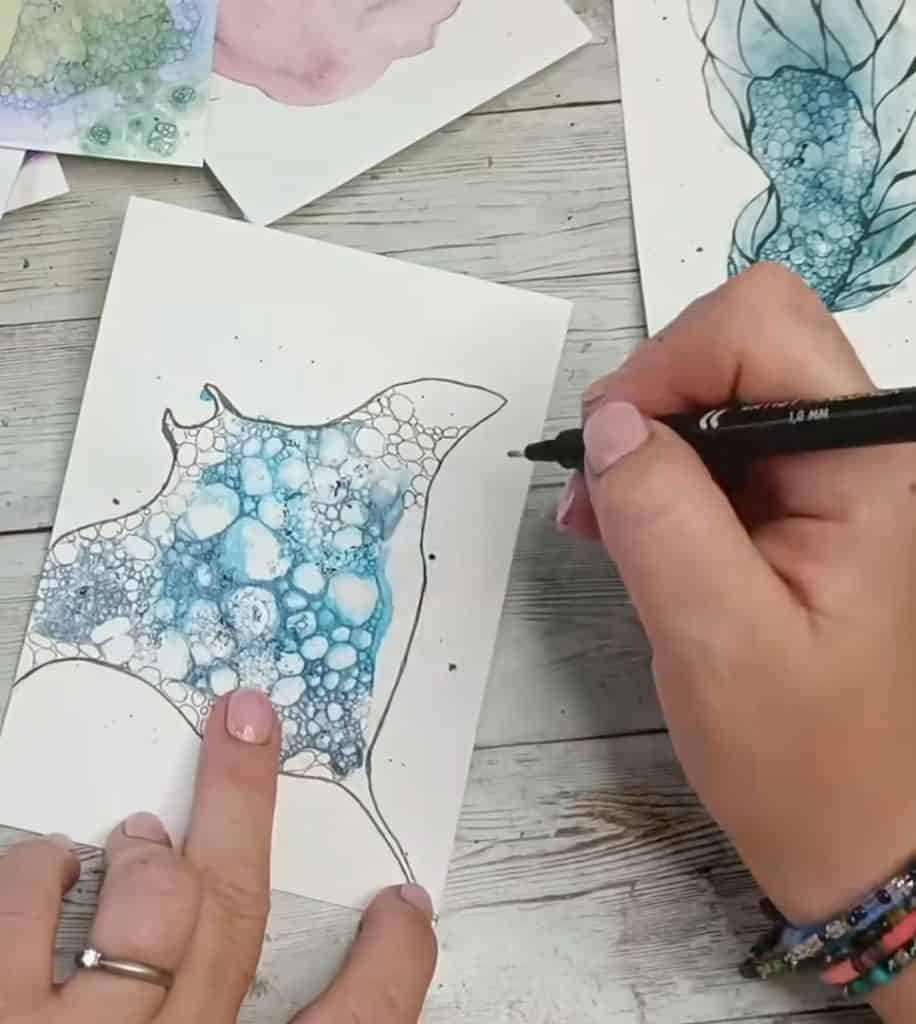
She looks at her bubble prints and imagines shapes. On one page, she sees a fish with a large tail. She begins with pencil sketches, then adds golden accents.
For her, starting with a pencil helps avoid mistakes. Gold highlights bring elegance to the designs.
Using Rubber Stamps with Bubble Watercolor
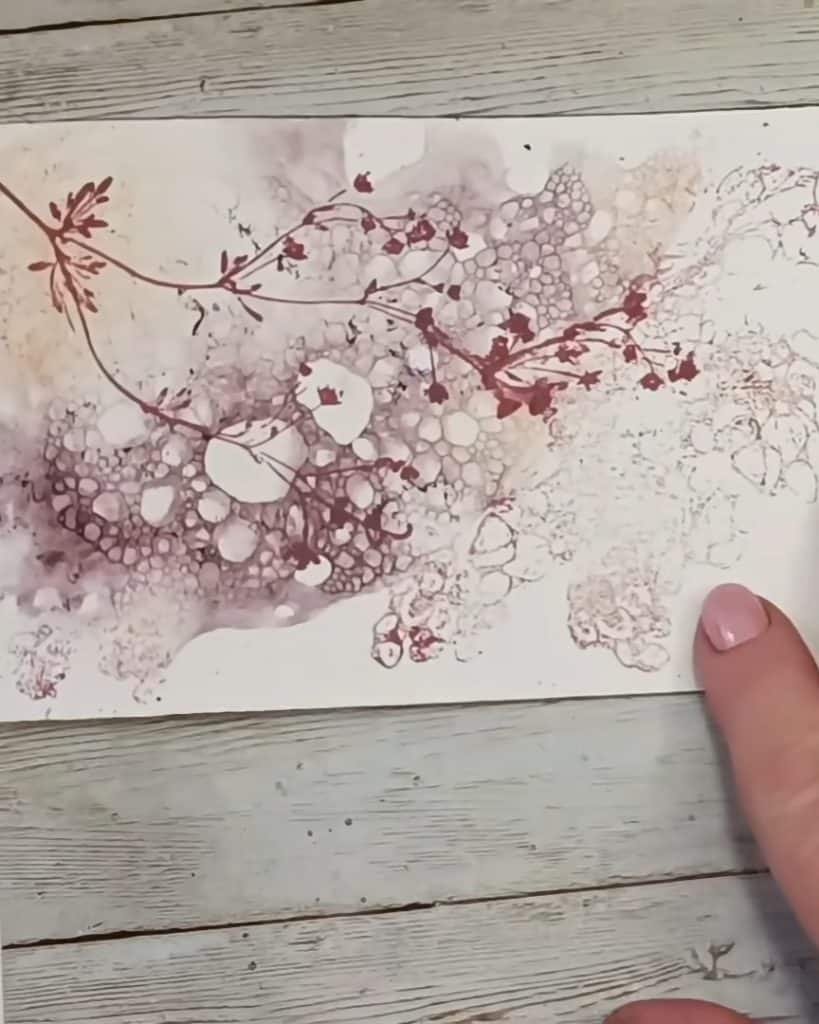
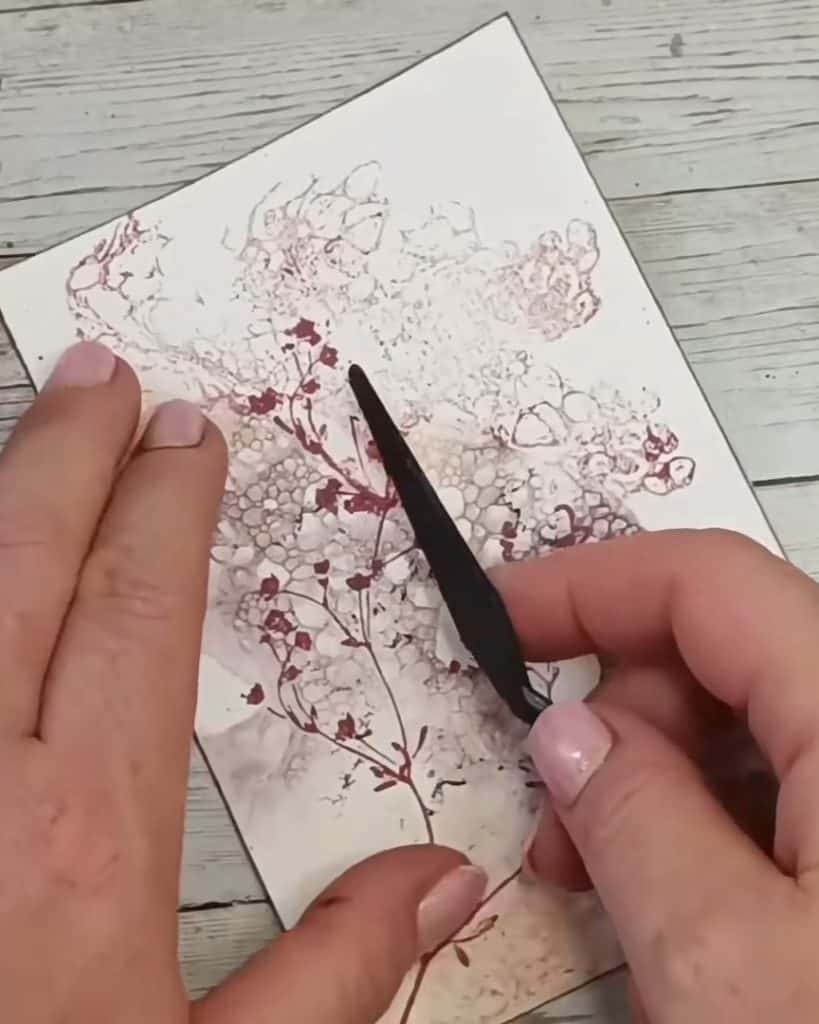
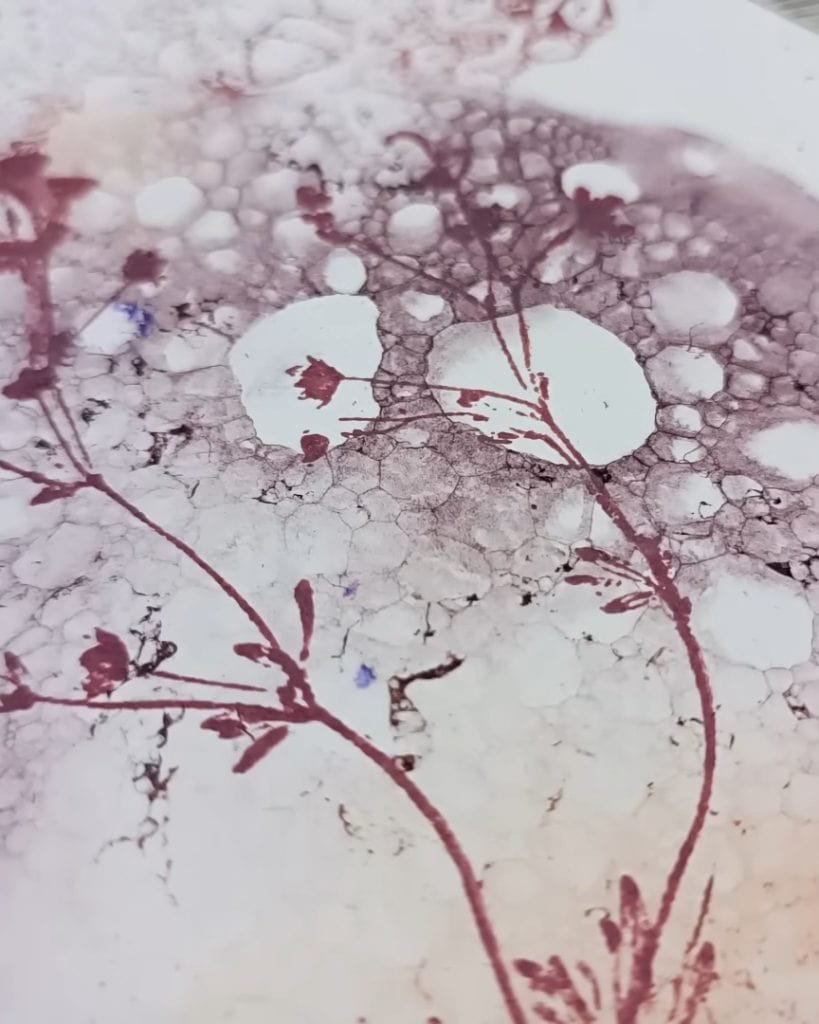
Asia tries combining her bubble backgrounds with stamping. She uses distress ink and rubber stamps. She selects floral and branch motifs to layer over the textures.
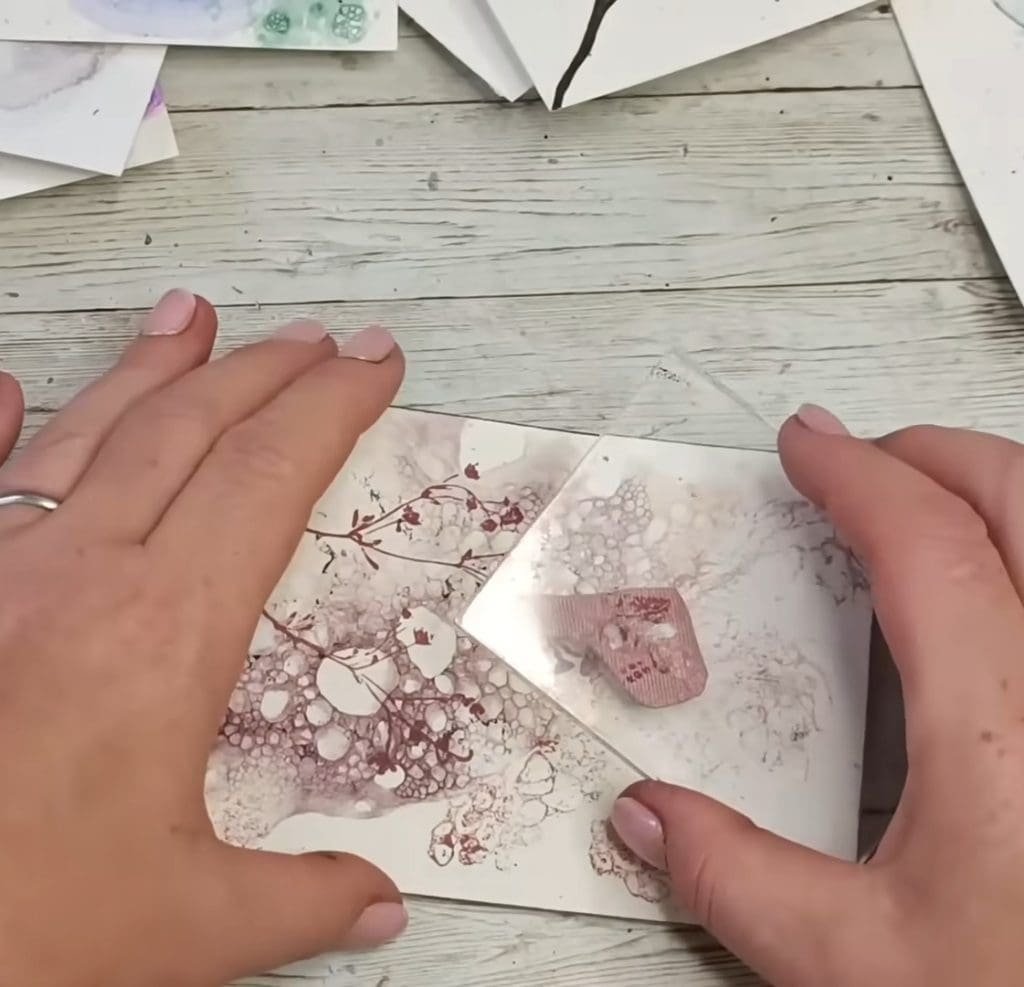
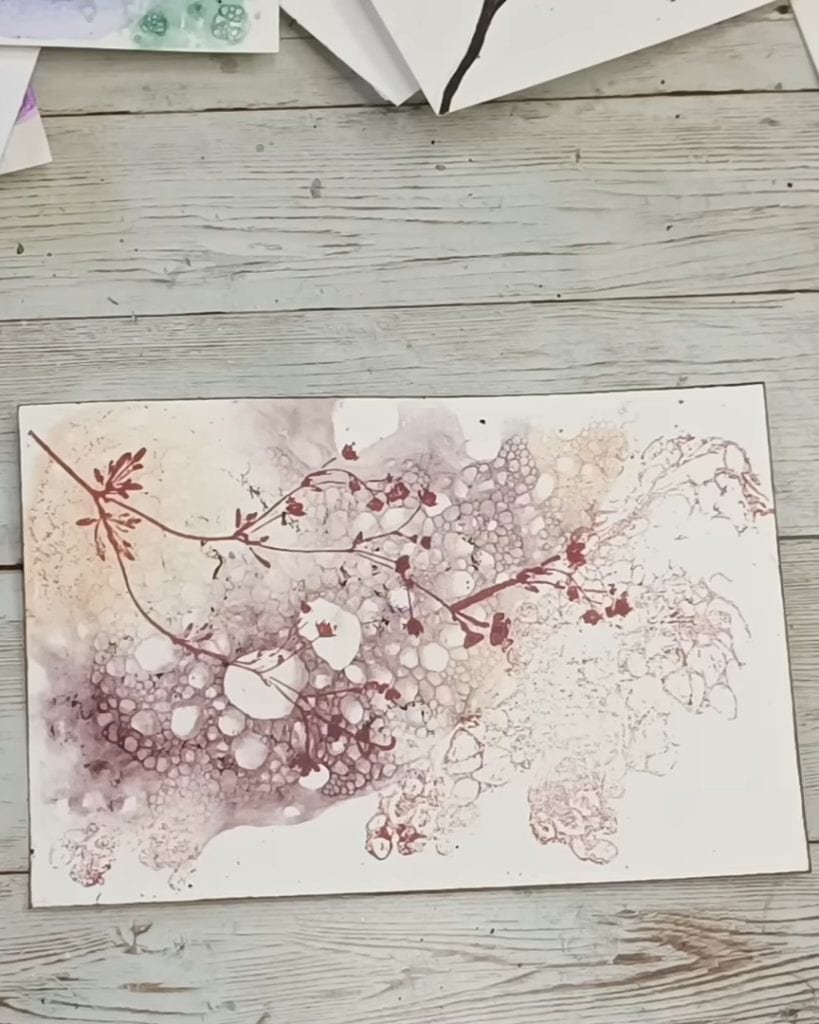
At times, the stamping feels too strong. She fixes mistakes by erasing ink or covering areas with new branches.
She even uses a palette knife and acrylic markers to balance the page.
Final Thoughts on Bubble Watercolor Technique
Asia Marquet shares that bubble watercolor art is straightforward and full of surprises. You can give it a try. Don’t worry about mistakes. Even failed pages teach you something.
If you enjoy playful experiments with watercolor, bubble painting offers endless possibilities. Pick up your paper, add soap bubbles, and see what textures you can create today.