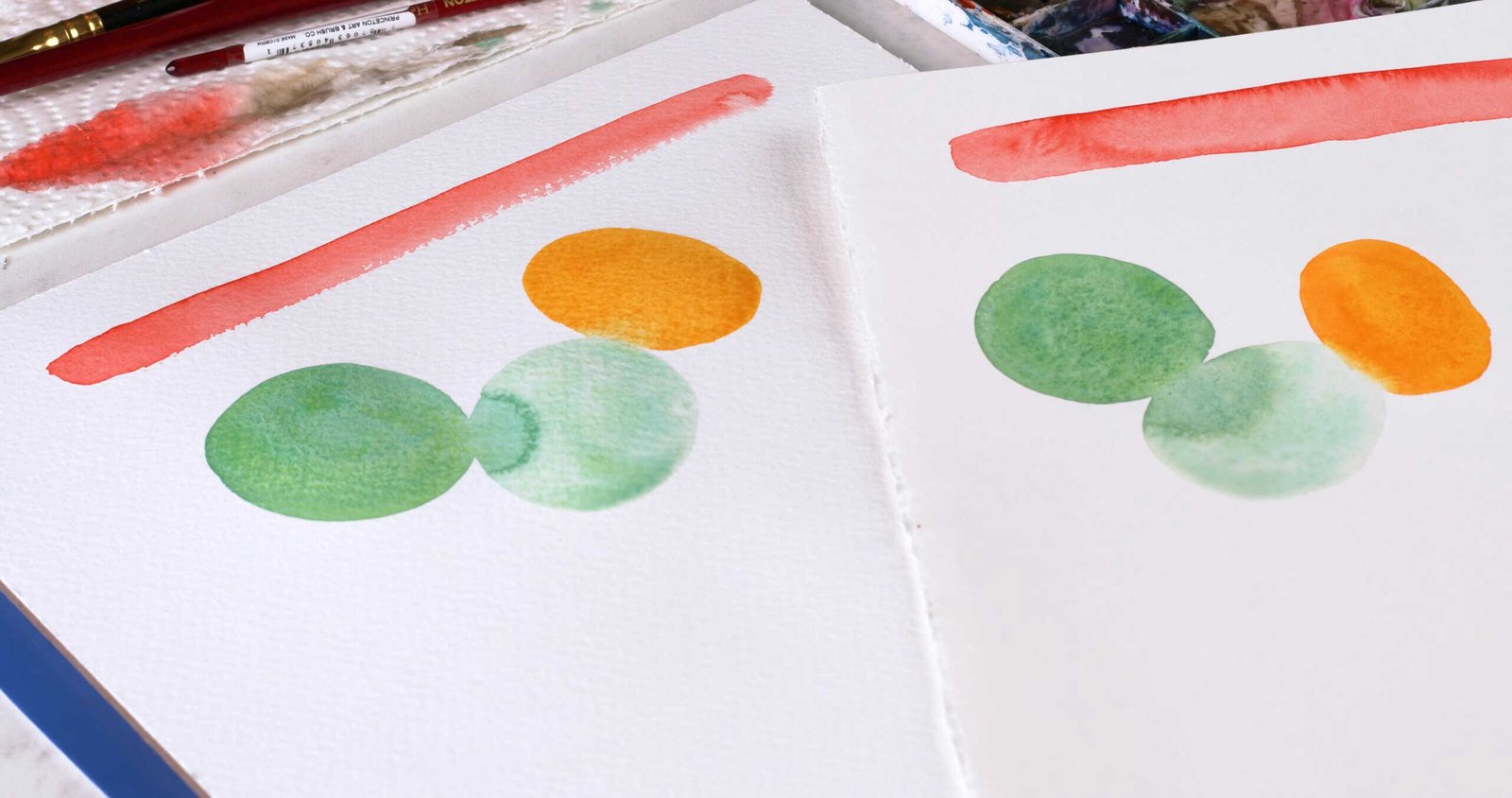
What really separates cold press watercolor paper from hot press? Artist Jenna Rainey from JennaRaineyChannel explains this in detail, showing the same brand of paper in both versions side by side.
She walks through texture, blending, blooms, and even how strokes dry differently. Let’s explore her insights together and find out which one might suit your art best.
Contents
Understanding Watercolor Paper Types
Before comparing, it helps to know what each type of paper is like.
What Is Hot Press Watercolor Paper?
According to Jenna Rainey, hot press paper has a completely smooth surface. It is pressed with heated rollers, so the texture disappears. This creates a flat surface where strokes glide easily. Artists who like precise details, ink, or calligraphy find this surface helpful.
What Is Cold Press Watercolor Paper?
Cold press paper, as Jenna highlights, is more textured and toothy. The paper is pressed without heat, so it keeps its grain. This texture grabs pigment and water, holding them while drying.
For watercolor artists who prefer mixing colors and building layers, this texture is a strong advantage.
Comparing Cold Press and Hot Press Watercolor Paper
Now that the basics are clear, Jenna demonstrates the main differences in practice.
Surface Texture
She shows that cold press has a rougher feel. This helps capture pigment, making strokes look textured.
Hot press, on the other hand, feels smooth. Lines remain clean, and strokes do not break with tooth.
Each surface creates a very different look.
Color Mixing and Washes
Jenna explains that cold press lets artists mix washes more smoothly. Colors blend into each other without leaving many hard edges.
Hot press, however, creates sharper lines where pigments meet. It requires more attention when blending.
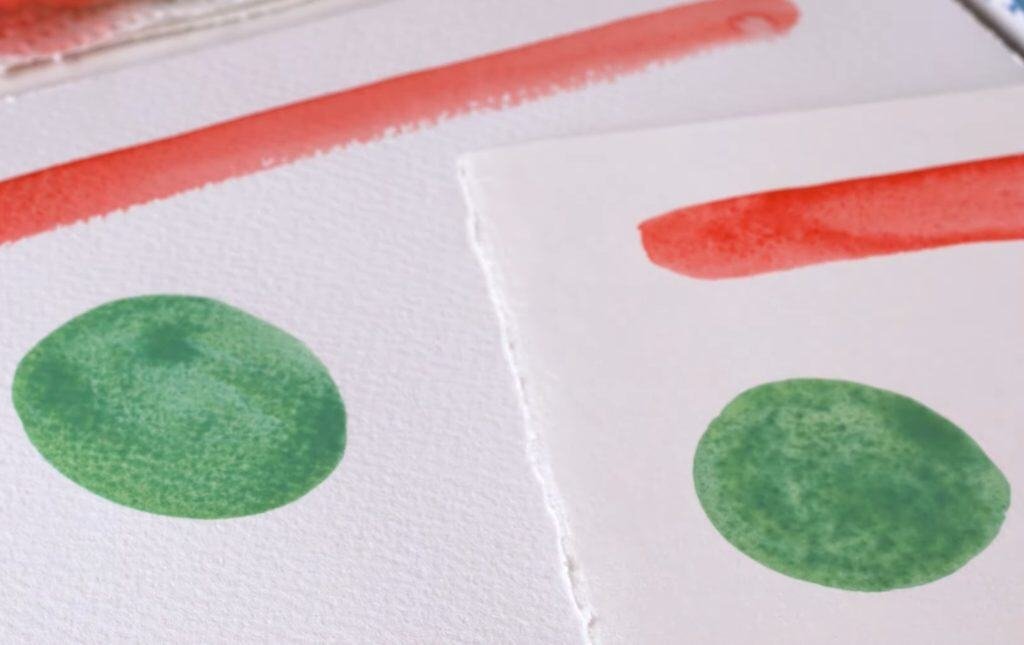
Brush Strokes and Coverage
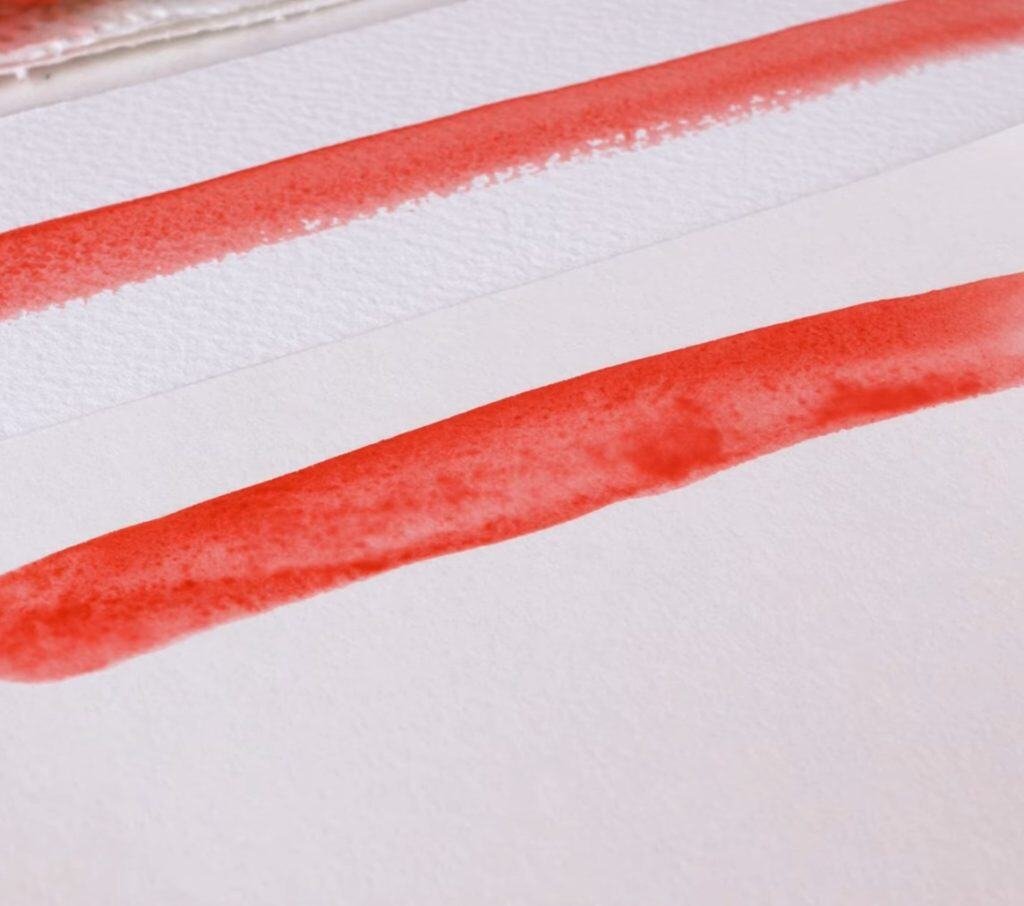
When she makes a stroke on hot press paper, Jenna notices areas where lines dry quickly and create edges. The smooth surface shows sleek strokes but less blending.
On cold press, the stroke looks softer and more even. The texture allows pigment to settle smoothly across the wash.
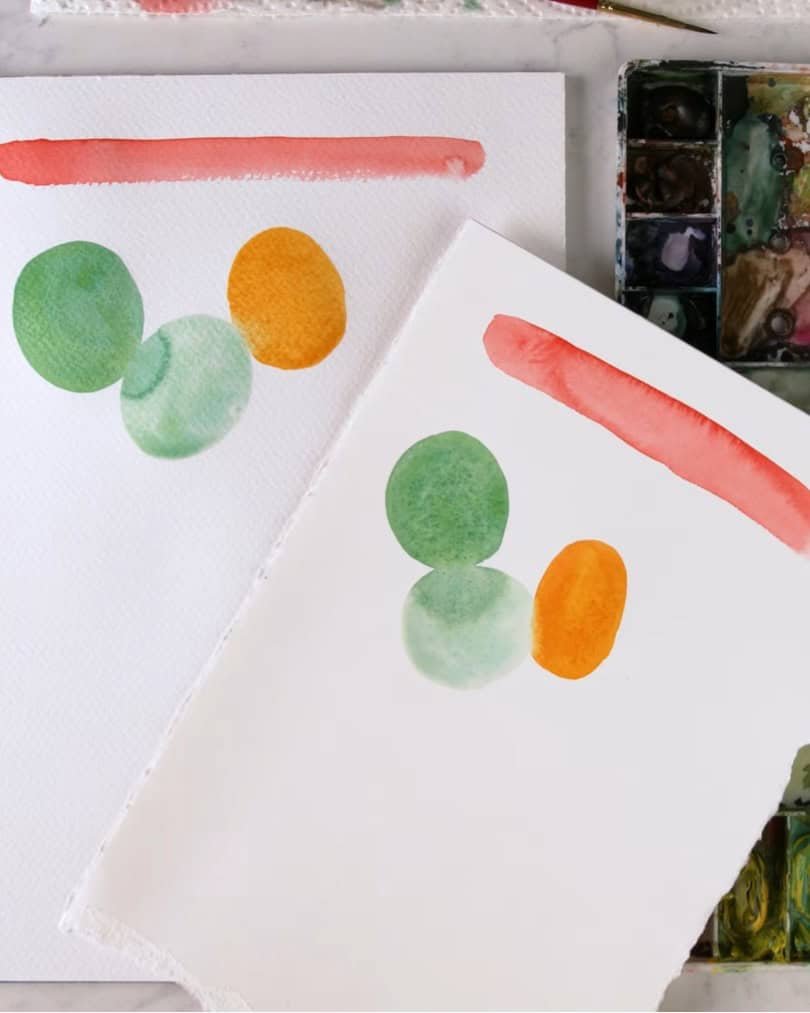
Wet-on-Wet and Bloom Effects
Jenna demonstrates wet bleeding on both papers. On cold press, blooms and gradients spread beautifully, giving soft, organic results.
On hot press, strokes form spiderweb-like textures instead. She notes that these veins are interesting but create a flatter look with less bloom.
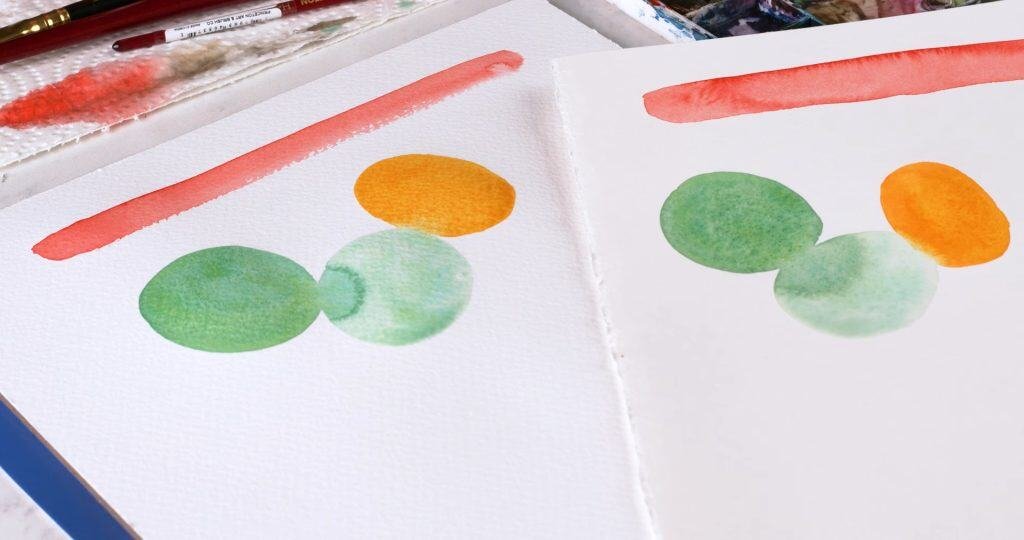
Drying and Pigment Behavior
She observes how drying changes the appearance. The cold press holds water longer, giving time for colors to mix.
Hot press dries faster, locking pigments in place. According to Jenna, it can be helpful for control but limits blending.
When to Use Cold Press vs. Hot Press
The two types of paper have strengths, so the choice depends on the project.
Best Uses for Cold Press Paper
Jenna Rainey recommends cold press for expressive watercolor. It is perfect for:
- Large washes
- Mixing multiple colors
- Creating blooms and textured strokes
She enjoys how pigments spread across the textured surface.
Best Uses for Hot Press Paper
Jenna shares that hot press is better for projects where smoothness matters. It is ideal for:
- Ink and watercolor together
- Calligraphy or pen drawings on watercolor
- Clean botanical illustrations
The flat texture makes linework easier and prevents pens from skipping.
Artist Preferences and Personal Experiences
Jenna shares her own opinion honestly, noting why she prefers cold press.
Why Many Artists Prefer Cold Press
In Jenna’s view, cold press is popular because of its forgiving texture. It lets artists layer colors, mix washes, and enjoy blooms without too much effort.
Jenna loves how it grabs pigment and holds water while drying, making her painting process feel natural.
When Hot Press Wins
Still, she admits hot press has its charm. The smooth surface creates unique spiderweb-like effects and crisp strokes.
For artists who enjoy clean detail or plan to add ink, hot press is very practical.
Jenna’s Personal Preference
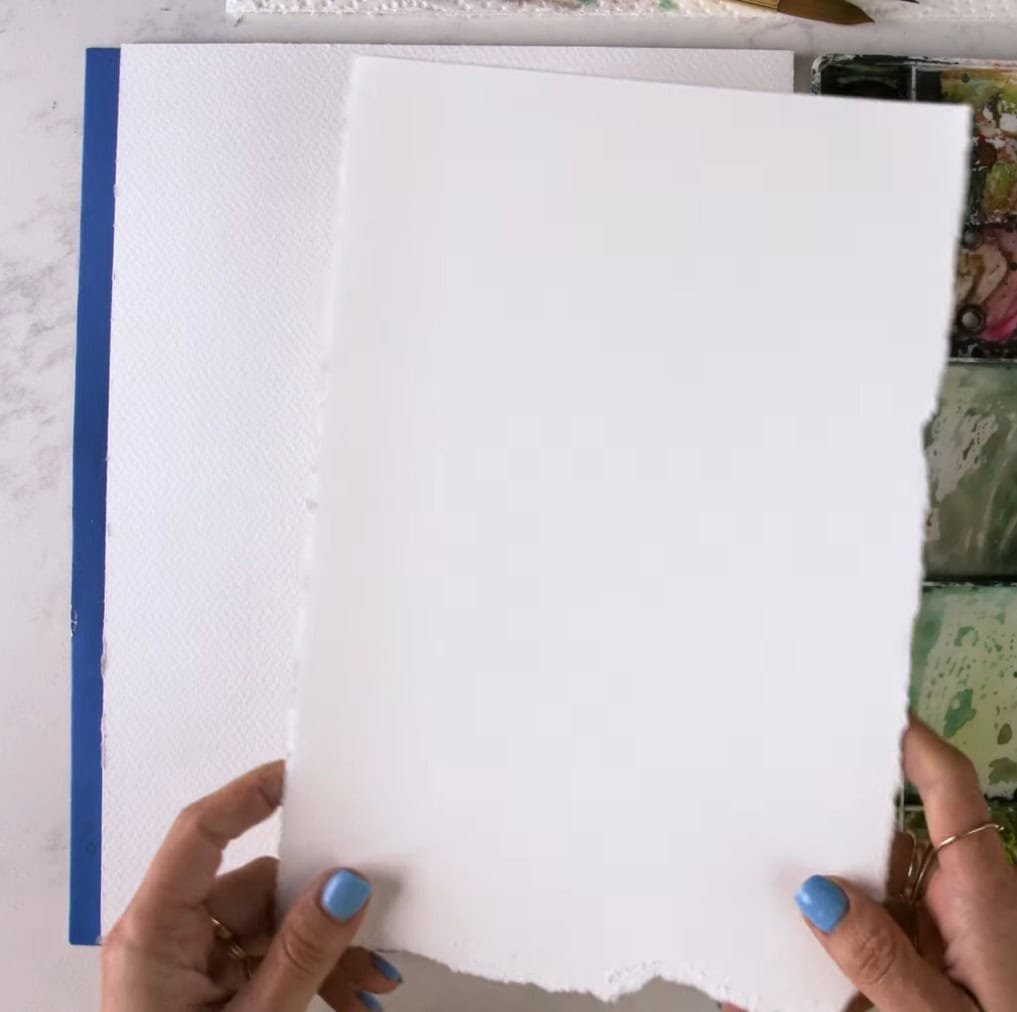
Jenna Rainey herself chooses cold press most of the time. She says it feels smoother to blend colors on it compared to hot press. The natural blooms that appear on cold press match her watercolor style.
She explains that although both types are helpful, she personally connects more with the texture of cold press paper.
Practical Tips for Choosing Paper
With so many choices, testing is essential. Jenna offers advice for trying both papers.
She suggests using the same brand in both hot press and cold press. This way, artists can clearly see how surface texture alone changes results.
Jenna recommends practicing side by side with:
- Single strokes
- Washes
- Color blends
- Wet-on-wet techniques
By comparing how each dries and blends, artists can see which effect they like better.
She reminds artists to choose based on the outcome. If a project needs smooth lines, hot press is better. If soft blending and texture are key, cold press is the way to go.
In A Nutshell
Hot press and cold press watercolor papers both offer unique qualities. Jenna Rainey shows how texture, blending, and strokes differ between the two, while also explaining her own choice. Cold press supports blooms and mixing, while hot press is better for smooth coverage and detailed linework.
Which one fits your style best? Try both, explore the effects, and find the paper that brings your watercolor art to life.