
Mistakes are part of learning watercolor, but some problems show up again and again for artists of every level. Jenna Rainey from JennaRaineyChannel shares the five biggest errors she sees in watercolor painting and explains how to fix them.
These tips apply to both beginners and advanced painters. By understanding these mistakes and practicing the solutions, any artist can see better results. Let’s explore the mistakes Jenna highlights and learn how to avoid them.
Mistake 1: Using Cheap Watercolor Supplies
Jenna begins with what she calls the most critical mistake: poor-quality supplies. She explains why cutting corners on paper, brushes, or paint holds artists back.
Many people think cheap supplies save money. However, they create dull colors, weak blends, and frustrating results. Good supplies are an investment. They make painting enjoyable and encourage practice.
The Role of Watercolor Paper
Paper is the foundation of watercolor. Jenna points out that cheap paper often makes colors look faded. It also buckles or warps because it cannot absorb enough water.
She recommends 100% cotton paper because it is sturdy and absorbent. With this kind of paper, artists see brighter colors and smoother washes. Warping is less of a problem, and blending becomes easier.
The Importance of Brushes
Cheap brushes are often stiff, frayed, and hard to control. They do not hold water well and make strokes messy.
Good brushes, on the other hand, are flexible and absorbent. They create smooth strokes and make painting easier. Jenna herself uses Princeton brushes and finds them reliable.

Choosing Quality Paints
Paints matter too. Many people spend all their budget on paint but forget brushes and paper. Still, cheap paints with weak pigments limit results.
Professional brands, such as Winsor & Newton, Holbein, or Da Vinci, create vibrant colors that blend beautifully.
Jenna uses Winsor & Newton paints and loves their brightness. She encourages you to try different brands and find what feels best.

Mistake 2: Puddling from Too Much Water
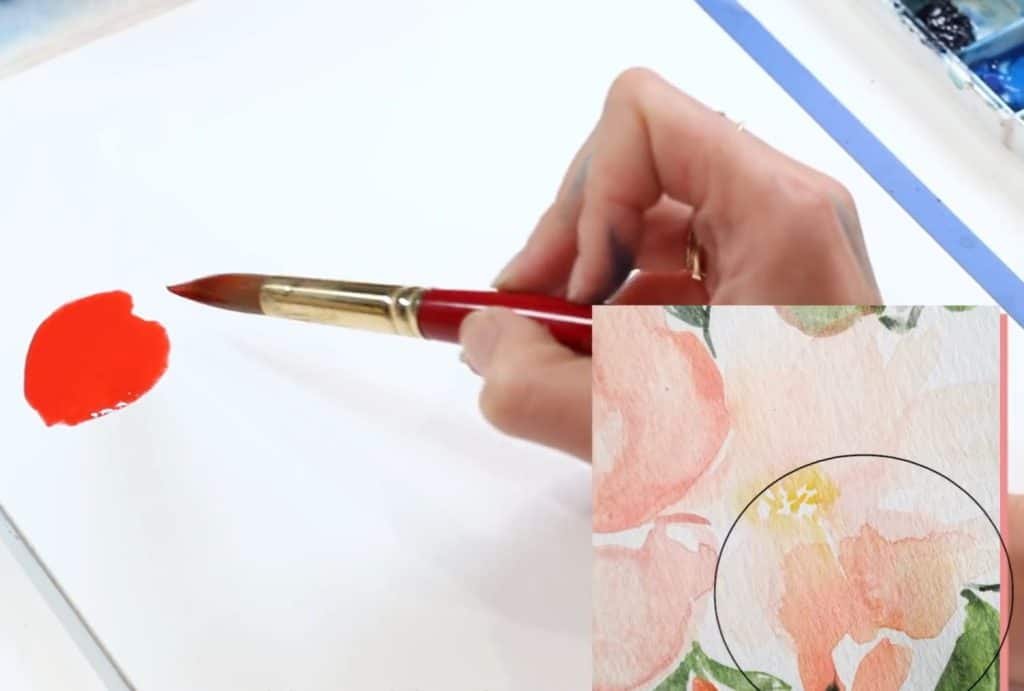
The second mistake is puddling. Jenna explains that this happens when artists use too much water on their brushes.
When paint sits on the paper like a dome, it dries slowly. Pigment gets pushed to the edges, leaving harsh outlines. Beginners often get frustrated with these marks, not realizing water control is the issue.
How Puddling Ruins Blends
Puddles act like a wall. Instead of smooth blending, the water blocks pigment from spreading. Wet-on-wet techniques fail because the area is too flooded.
This makes it hard to paint petals, leaves, or swatches evenly. The color does not flow naturally across the page.
Tips to Fix Watercolor Puddling
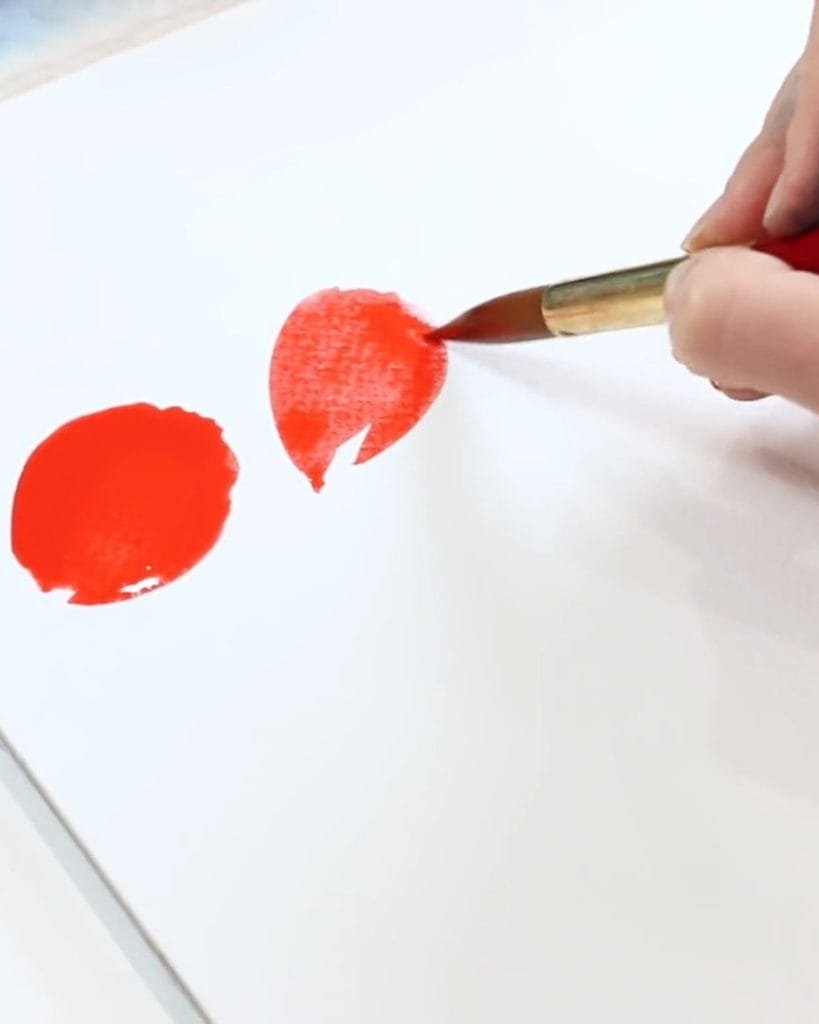
So how can artists avoid puddles? Jenna suggests aiming for a light sheen of water instead of a thick dome. The paper should look wet but not overloaded.
She also advises adjusting the water to the size of the area being painted. A small petal needs less water than a large wash. Watching the brush load before touching the paper is key.
Mistake 3: Giving Up on a Piece Too Soon
The third mistake Jenna notices is quitting too early. Beginners especially give up when they dislike one part of their painting.
She reminds artists that watercolor allows layers and corrections. With patience, many pieces can be saved.
Fixes to Save a Painting
There are simple tricks to fix mistakes. For example:
- Lift the color with a paper towel while the paint is still wet.
- Add layers of color to cover or adjust areas.
- Work slowly and allow sections to dry before reworking.
Jenna compares watercolor to oil or acrylic, where layers build depth. Giving the piece time often leads to surprising results.
Building Confidence Through Practice
Beginners, especially, may feel discouraged by a single mistake. Jenna encourages artists to stick with a piece and experiment with recovery methods.
Confidence grows with practice, and mistakes turn into opportunities to learn. Patience often transforms a painting that felt “ruined” into something beautiful.
Mistake 4: Starting Too Dark Too Soon
The fourth mistake Jenna shares is starting with paint that is too dark. She emphasizes that watercolor is a medium that rewards layering.
Benefits of Starting Light in Watercolor
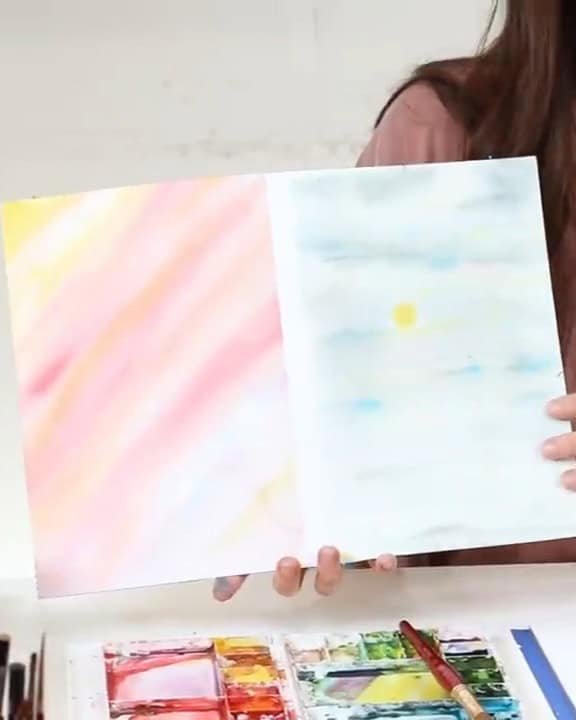
Jenna points out that watercolor dries lighter than it appears when wet. Because of this, artists should always begin with lighter washes.
Dark tones can be added later, but once a section is too dark, it is difficult to reverse. Starting too dark limits the depth and flexibility of the painting.
Layering Techniques for Watercolor Depth
Layering is the best way to add depth and realism. For example, when painting skies, Jenna recommends beginning with soft, pale washes.
Once the sky is dry, the artist can return to add darker clouds, mountains, or other background details. This gradual approach creates dimension. It also prevents skies or landscapes from feeling heavy or flat.
Mistake 5: Using Too Little Water

The final mistake is the opposite of puddling. Some artists use too little water and overload their brush with pigment.
When Dry Brush is a Useful Watercolor Technique
Jenna notes that a dry brush does have its place. It works well for adding crisp outlines or detailed textures. When a hard edge is needed, strong pigment with little water is effective.
Balancing Water and Pigment for Better Results
However, using this approach for large areas creates problems. Landscapes, skies, and broad strokes need water for smooth coverage. Without enough water, strokes appear broken and uneven.
Jenna stresses that watercolor is all about balance. The ratio of pigment to water changes depending on the effect.
Sweeping strokes for skies need more water. Fine outlines need less. The key is learning to control this balance and adjust as needed.
Final Thoughts
Watercolor is full of surprises, but many frustrations come from a few common mistakes. Jenna Rainey highlights five big ones: cheap supplies, puddling, quitting too soon, starting too dark, and not using enough water.
Each has a simple fix that helps artists grow. Which of these mistakes do you see in your own work? Try Jenna’s tips, and let the next painting be your best one yet.