In the world we live in now, images never really leave us alone. Every day, I scroll past countless pictures without even realizing how many I’ve seen. With the internet, I can instantly look at more paintings than artists centuries ago could encounter in a lifetime. Sometimes I think about the old masters and how rare it must have felt to stand in front of a great work of art — how different their visual world was from ours.
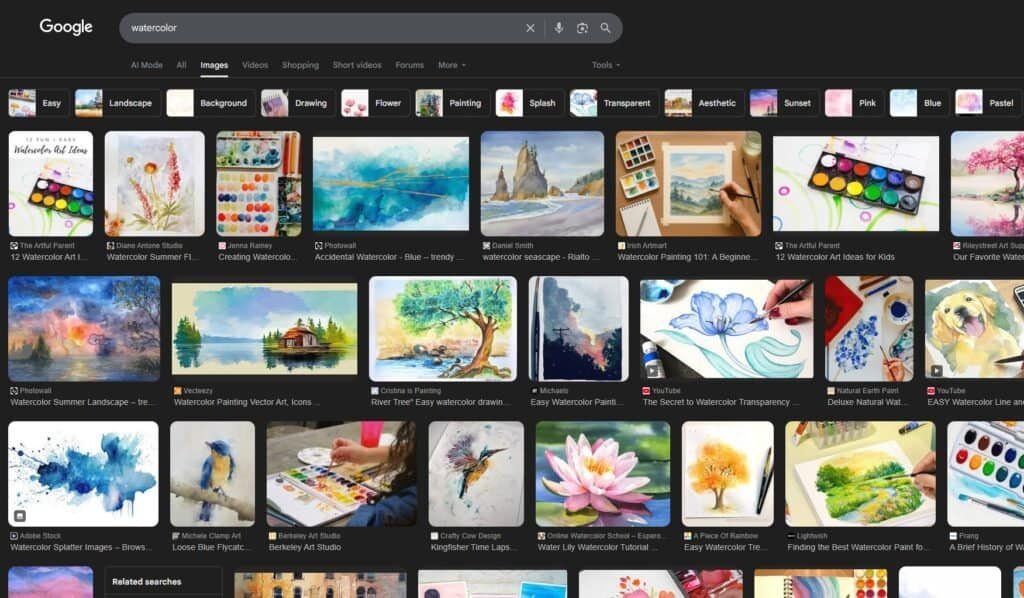
Because I’m constantly surrounded by imagery, the boundary between being inspired and simply repeating what I’ve seen can feel uncertain. At some point, almost every artist asks the same uneasy question: Is this part of learning, or am I just copying someone else?
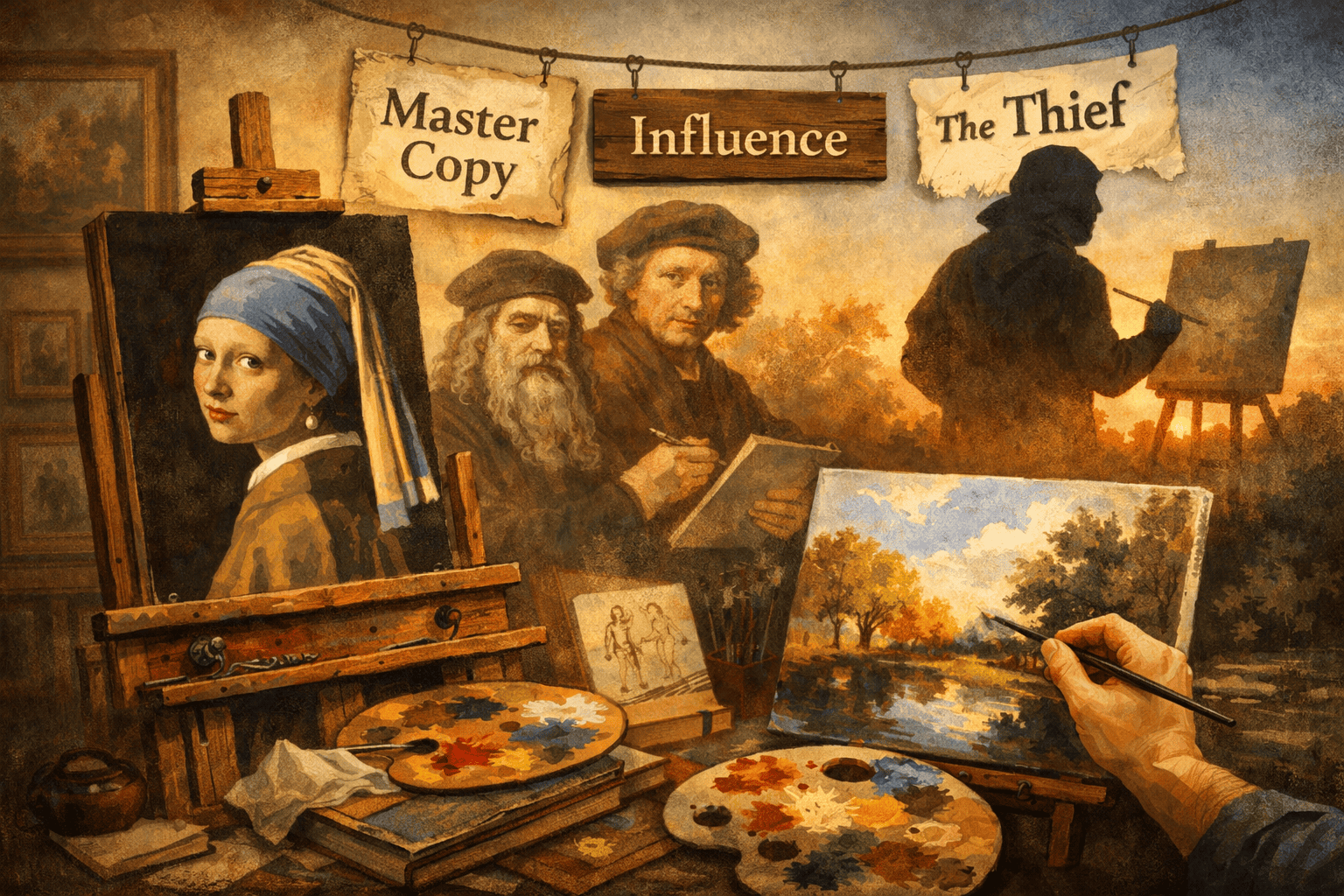
Over time, I’ve found it helpful to separate artistic borrowing into three very different categories:
- The Master Copy
- The Influence
- The Thief
Contents
1. The Master Copy: An Ancient Education
I want to start by saying something clearly: making master copies has always been a legitimate — even essential — way to learn.
For generations, students have been trained by carefully reproducing great paintings. I often imagine young artists setting up their easels in museum halls, patiently studying works by Leonardo, Rembrandt, Velázquez, or Sargent. The purpose wasn’t originality. It was understanding the mechanics of painting from the inside out.
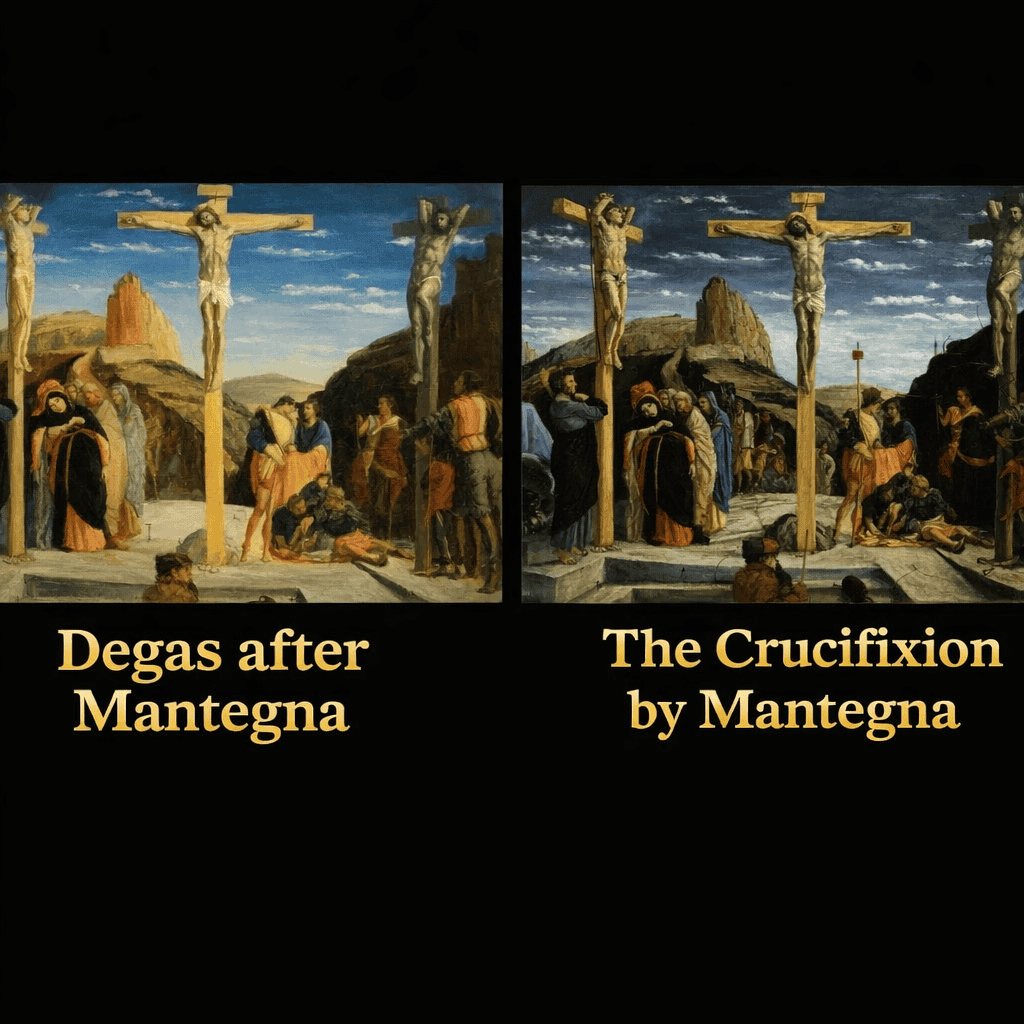
Whenever I attempt a master copy, it feels like uncovering the hidden structure beneath a finished work. Slowly, I begin to notice:
- How layers of paint were built over time
- How edges dissolve or sharpen to create focus
- How value and color quietly lead the viewer through the image
- How apparent complexity often rests on surprisingly simple decisions
The key idea is that a master copy is a learning exercise, not a personal creation. As long as I acknowledge the original artist and never present the work as my own invention, this practice remains one of the most sincere ways to improve.
That’s why these studies are traditionally labeled “After Vermeer” or “After Rembrandt,” a small but meaningful gesture of honesty.
Not All Old Master Inspiration Is “Copying Art”
Of course, influence from earlier artists doesn’t always mean reproducing their paintings directly.
Throughout art history, artists have borrowed ideas from one another — especially compositional ideas — while still producing deeply personal work. Painters of the Renaissance and Baroque periods frequently reused figure arrangements, lighting concepts, or structural layouts, reshaping them for new stories and new intentions.
In these cases, only a single element might be borrowed — a sense of harmony, rhythm, or balance — while everything else changes. To me, this feels less like imitation and more like an ongoing conversation between artists separated by time.
2. The Art of Influence: Making It Your Own
I’ve come to accept that no artist creates in isolation. Everything I’ve seen, studied, or experienced inevitably finds its way into my work.
Sometimes inspiration comes from another painter’s brushwork. Other times it comes from music, cinema, or the memory of a place that left an impression on me. Influence is unavoidable — and honestly, it’s part of what keeps art alive.
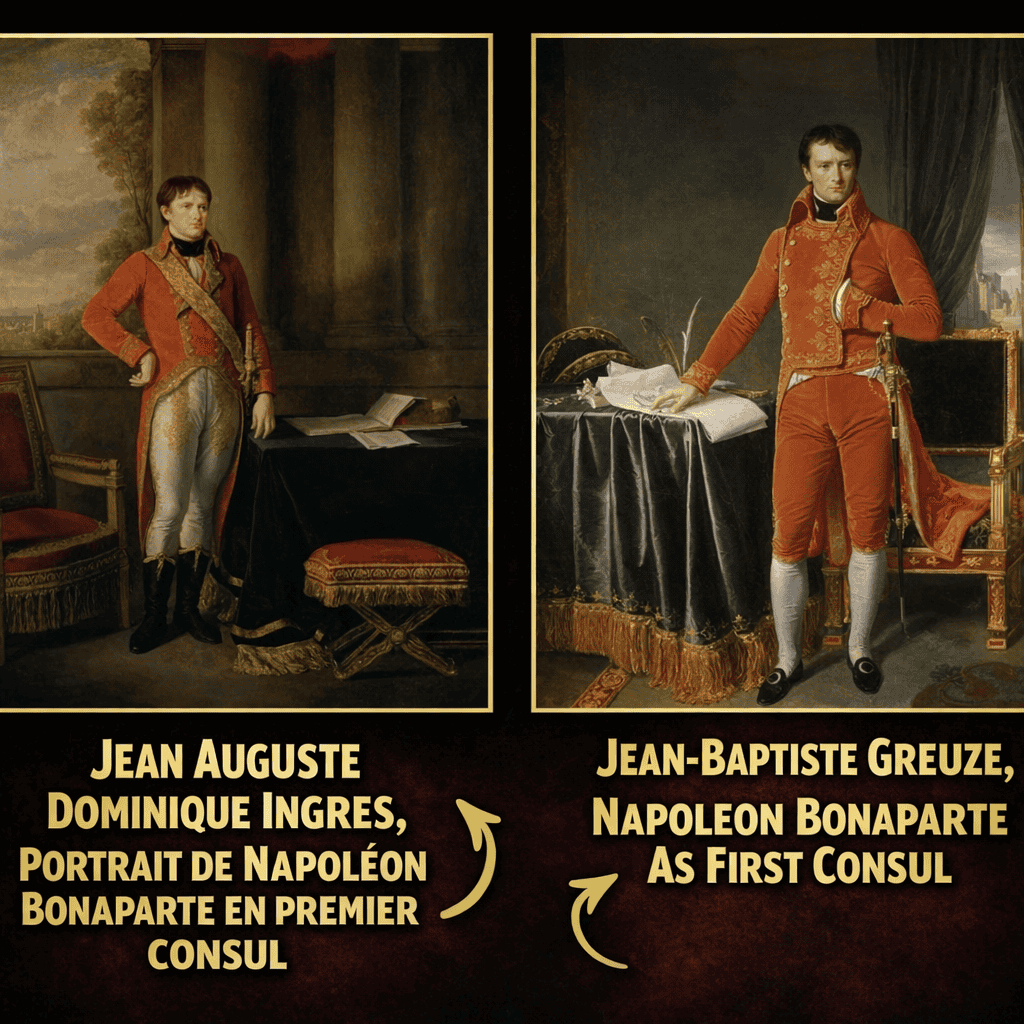
What separates meaningful influence from imitation is change.
Instead of copying what an artist painted, I try to understand what draws me to it. If I admire someone’s color choices, I avoid repeating their subject matter. Instead, I apply that color language to scenes connected to my own life.
I often think of influence like cooking: ingredients can be shared, but the final dish should still reflect the person making it.
Steal the Thinking, Not the Surface
In Steal Like an Artist, Austin Kleon talks about an idea that stayed with me: artists shouldn’t borrow appearances — they should borrow ways of thinking.
When I only imitate how something looks, the result feels empty, like a replica without a soul. But when I study the reasoning behind artistic decisions — why something was simplified, exaggerated, or repeated — I begin to understand a deeper mindset.
Take Monet, for example.
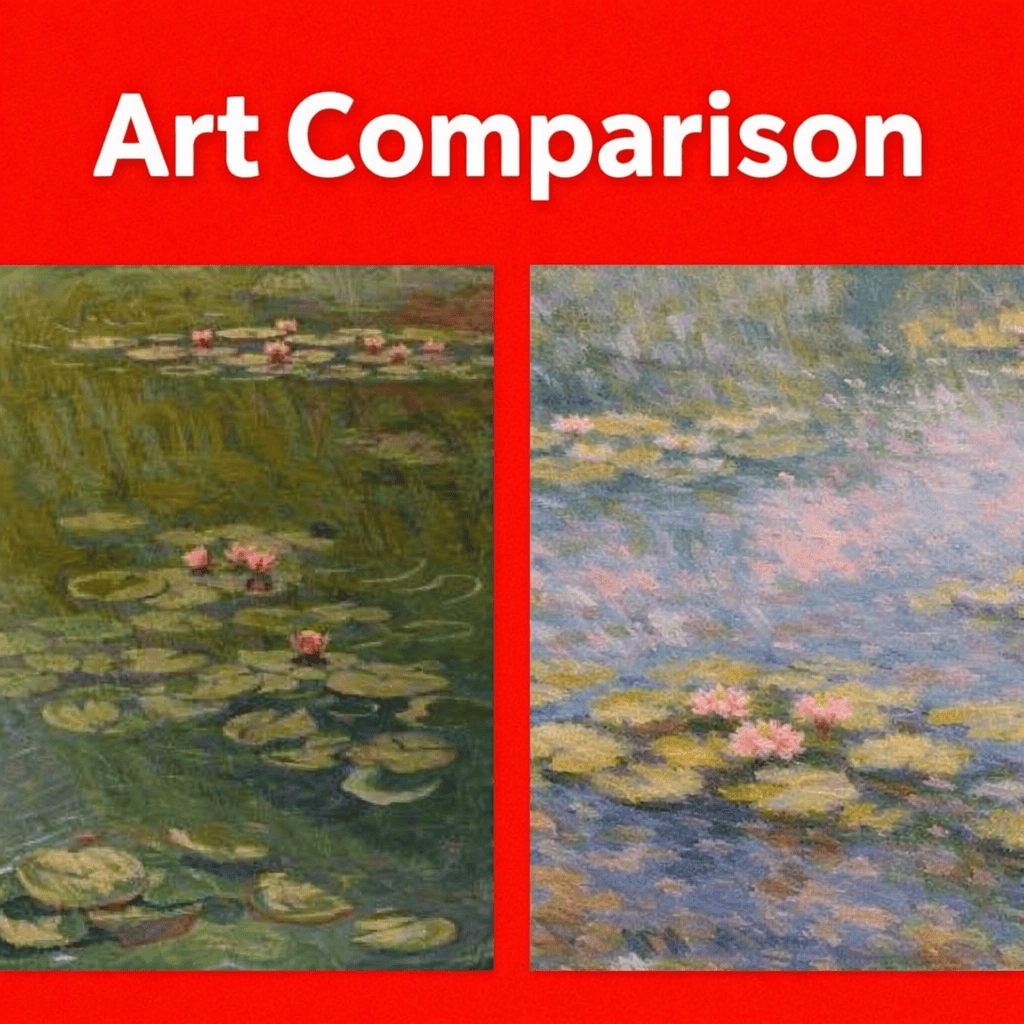
A superficial imitation would be painting a soft, pastel lily pond with loose brushstrokes and calling it original. Inevitably, it ends up feeling like a comparison waiting to happen.
But when I look beyond the surface, I notice Monet’s real fascination with changing light and fleeting time. He wasn’t focused on lilies themselves; he was chasing moments that disappeared almost as quickly as they appeared. He often worked on several canvases at once, moving between them as the light shifted.
If I apply that idea to my own practice, I might paint the same location multiple times throughout the day, observing how atmosphere transforms it. The subject may be entirely my own, yet the approach grows from understanding his thinking.
That, to me, is influence in its healthiest form.
3. The Line You Shouldn’t Cross
There’s an unspoken boundary in art that I’ve learned to respect:
Copying another artist’s recognizable style, composition, and subject matter — and presenting it as original — crosses the line.
Beyond ethical concerns, this kind of imitation ultimately limits growth. When I rely too heavily on another artist’s solutions, my work feels thin because it isn’t rooted in my own experiences.
More importantly, it prevents the discovery of something personal.
Art becomes meaningful when the world is filtered through my perspective — my memories, questions, struggles, and way of seeing — rather than through someone else’s voice.
The Bottom Line
I learn technique from the masters.
I allow inspiration to come from everywhere.
But in the end, I try to let my own perspective shape the final work.
What About You?
How do you personally feel about copying in art?
Have master studies helped you grow, or do you prefer figuring things out through experimentation? I’d love to hear your experience — let’s keep the conversation going in the comments.