Pencil lines often stay visible under your watercolor layers, and that can ruin the clean look of your painting.
Today, Margot Hallac shares a simple watercolor hack that changes the way you outline your sketches.
Instead of using graphite, she suggests switching to watercolor pencils. Her trick helps you eliminate unwanted marks and makes your work look polished.
Ready to see how it works? Let’s dive in!
Why Graphite Pencils Show Through Watercolor Paintings
When you begin any watercolor sketch, your first instinct may be to pick up a graphite pencil. It is the classic tool for artists.
Graphite pencils are trusted for their control, erasability, and tradition. Masters have used them for centuries.
However, as Margot Hallac highlights, they also come up with a problem that shows up clearly in watercolor.
The Problem with Using Graphite for Watercolor Sketching
The issue is that graphite leaves residue. Even after you erase the lines, they still peek through light washes. It is especially frustrating when you paint with pale colors.
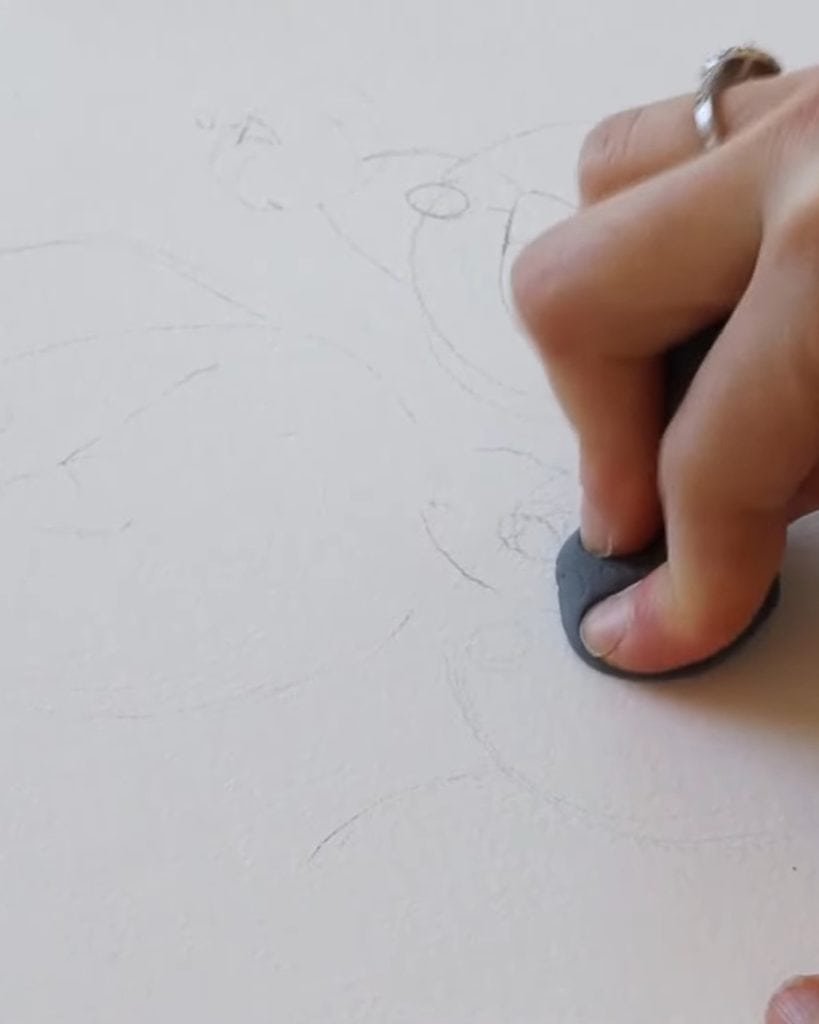
You can reduce marks with a kneaded eraser, but you cannot remove them completely. Softer pencils like 6B are even worse. They create greasy, dark lines that stay visible under the paint. So, what’s the solution?
Watercolor Pencils: The Best Hack for Clean Sketch Outlines
This is where watercolor pencils come in. These special pencils have pigment that dissolves when touched by water. That means your sketch lines melt into your painting as you add watercolor.
Margot Hallac explains that, unlike regular lead, watercolor pencils are made to behave like watercolors themselves.
Once you apply paint, the outlines disappear. The result is smooth, line-free artwork that looks clean and professional.
Choosing the Best Watercolor Pencils for Sketching
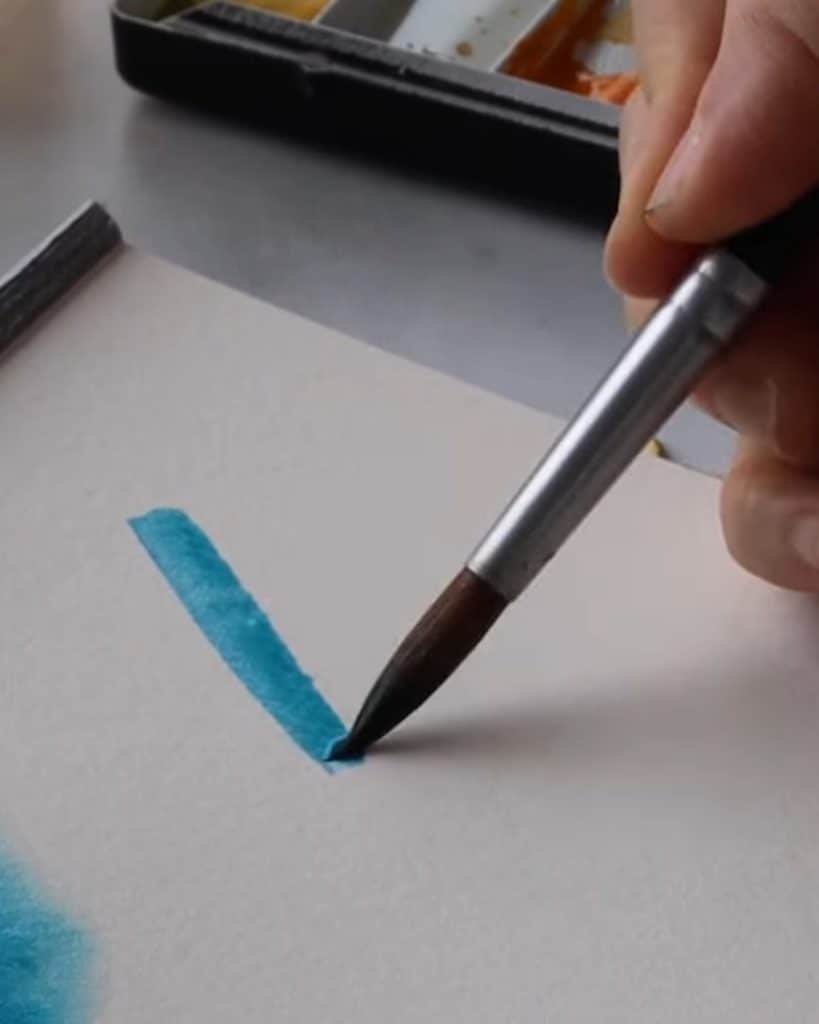
If you decide to try this, choose the right type. Not every colored pencil works this way. Look at the package and make sure it says “watercolor pencils.”
Margot uses Derwent watercolor pencils, but she points out that any brand is fine. If you cannot buy a full set, start with two:
- One warm color
- One cool color
With just those two, you can cover most situations. You can pick a pencil that blends into the same color family as your paints without muddying your washes.
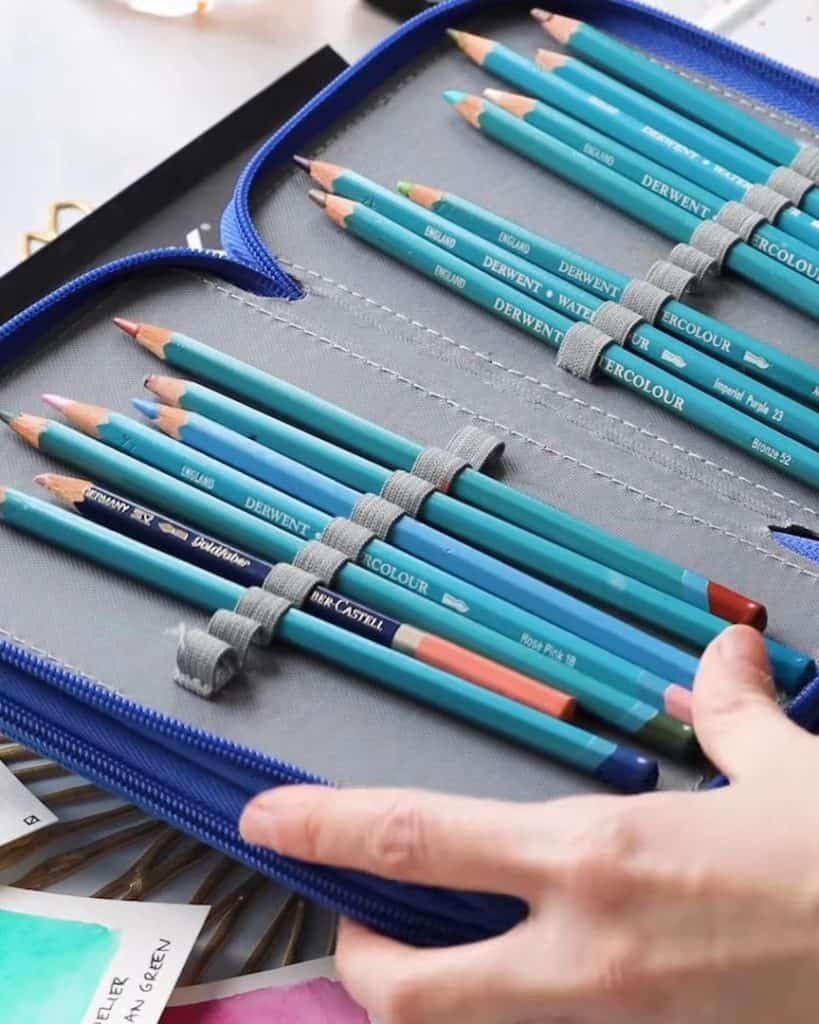
How to Pick Watercolor Pencil Colors That Blend with Your Paint
You may wonder why color choice matters, right? The answer is simple: if you sketch with a color that clashes with your paint, it may shift your hues in an unwanted way.
Margot suggests starting with warm and cool pencils because they blend with most palettes. By matching a warm pencil with warm paints and a cool pencil with cool paints, you reduce the chance of creating muddy colors.
She also recommends learning the basics of the color wheel. Knowing complementary colors helps you avoid mixing combinations that turn dull. By carefully planning your sketch color, you ensure the lines dissolve smoothly into your washes.
Graphite Pencil vs Watercolor Pencil: Comparison
Now let’s see the real difference. Margot Hallac demonstrates two sketches: one with graphite and one with a watercolor pencil. So, you can compare the results.
Testing Graphite Pencils in a Watercolor Sketch
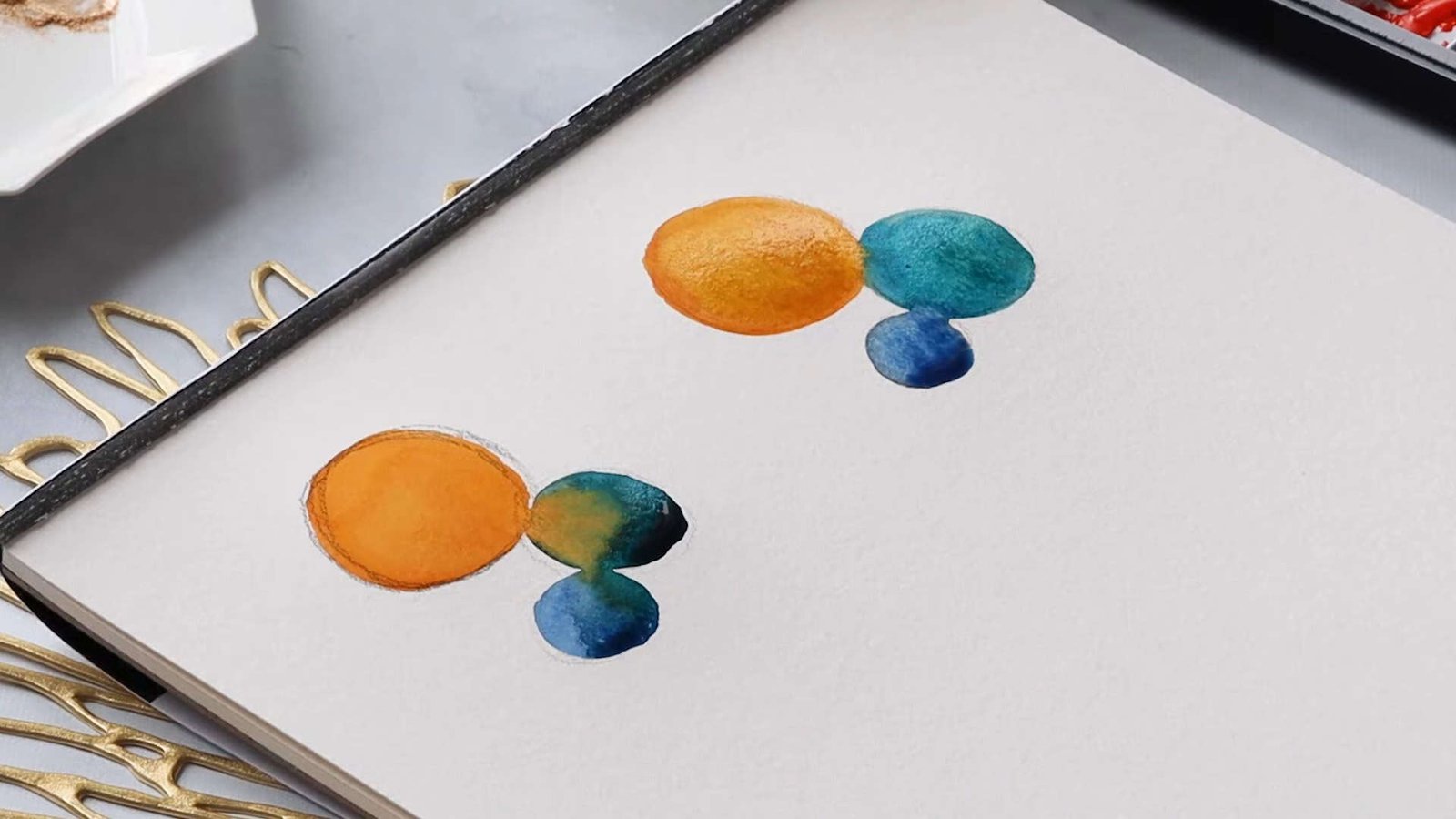
She begins with a watercolor pad and a 6B graphite pencil. She sketches overlapping circles.
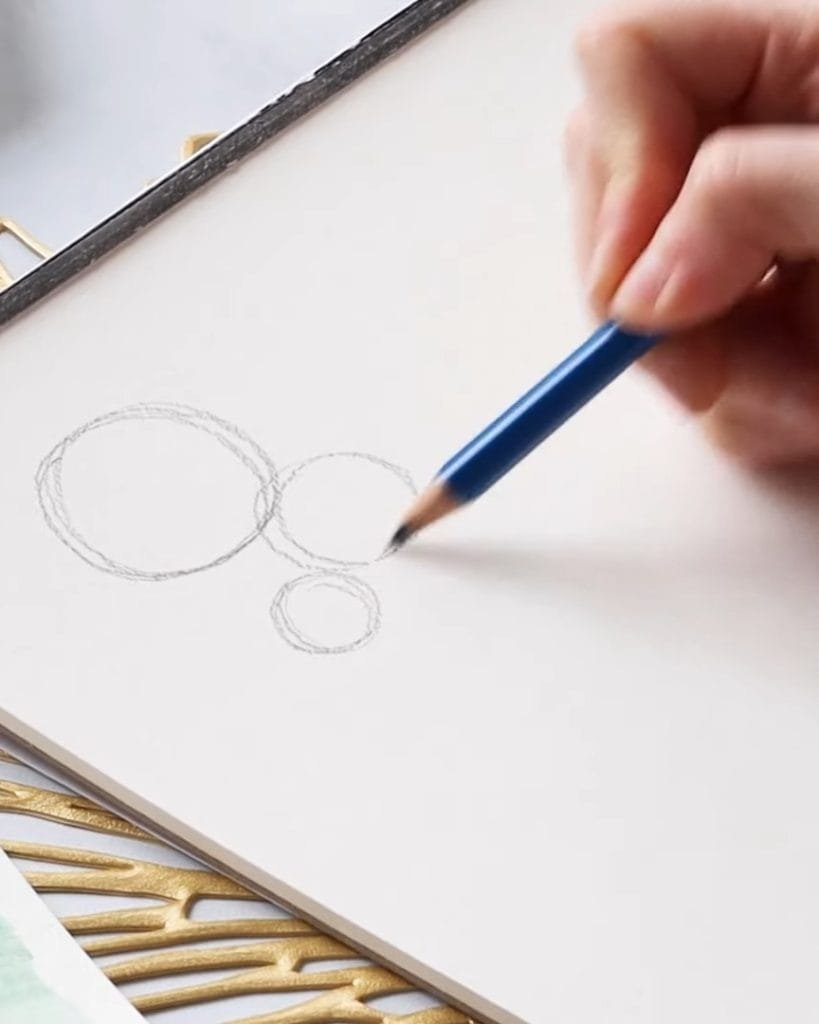
To prepare for painting, she erases some lines with a kneaded eraser, leaving others darker for contrast.
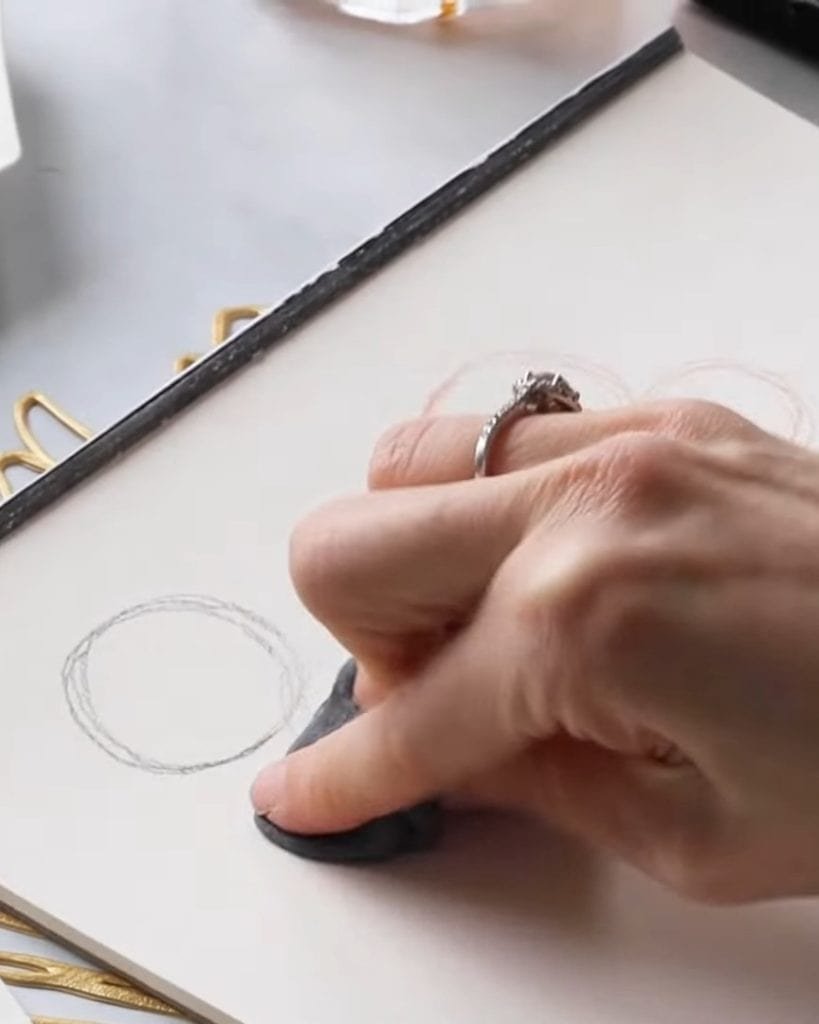
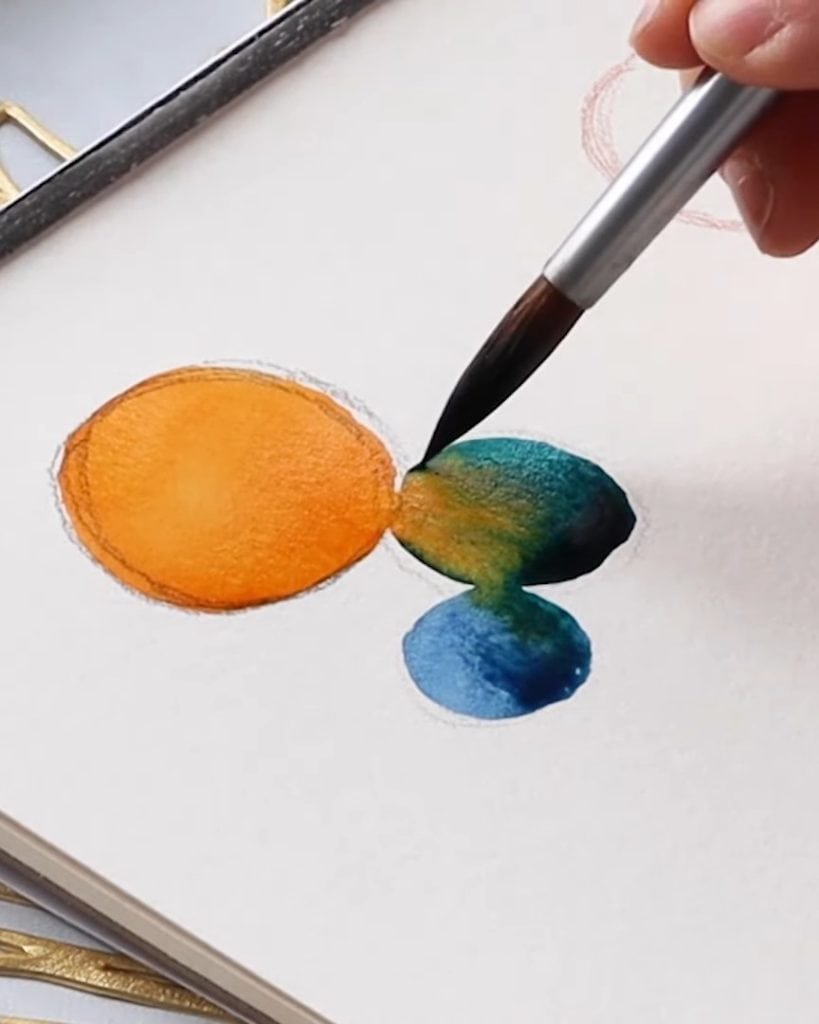
Then she applies watercolor paint. She fills one circle with burnt orange, another with a lighter shade, and the last with phthalo blue.
The result? The graphite lines remain visible. In the lighter washes, they show clearly.
Even when erased, the marks peek through. Darker paints hide them a little, but the outlines still exist.
Testing Watercolor Pencils for Outlining a Watercolor Sketch
For the second test, she repeats the sketch with a red Derwent watercolor pencil.
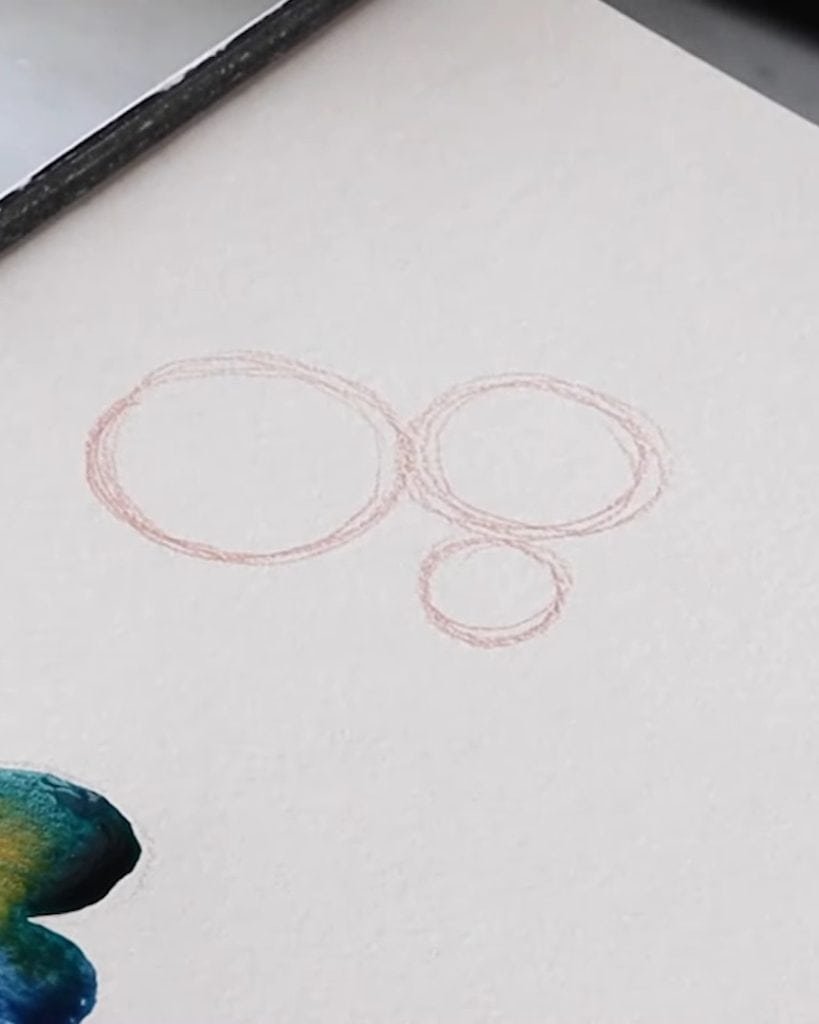
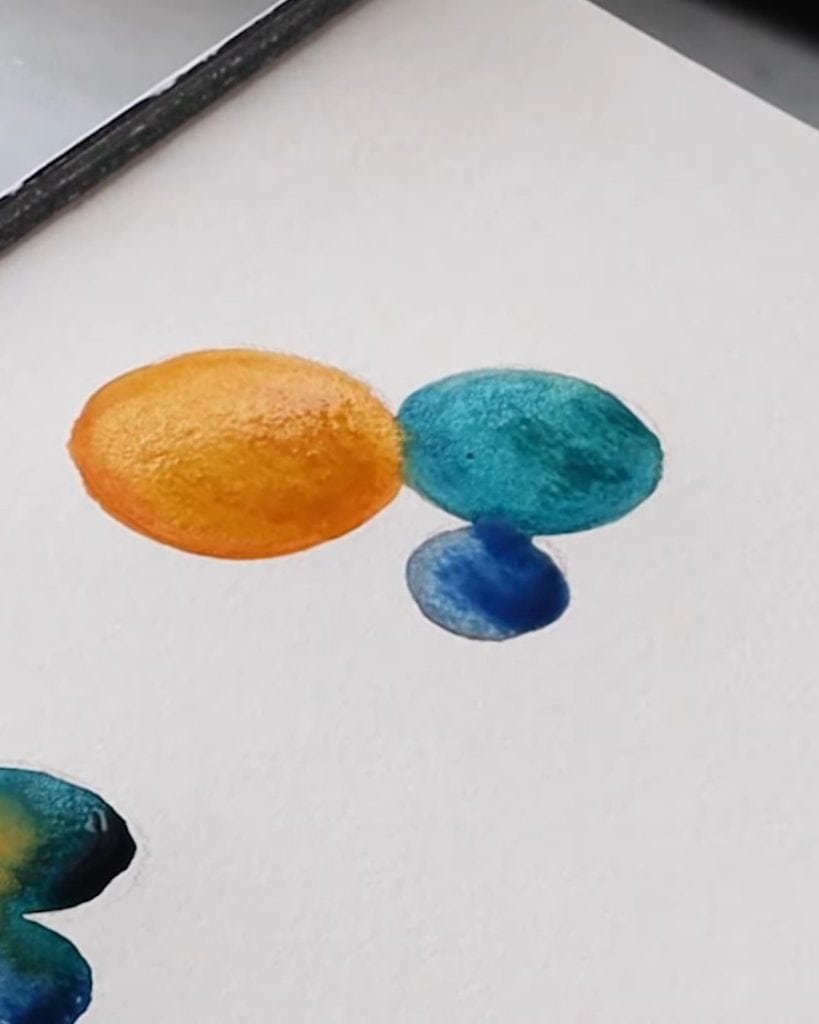
She paints over the circles using the same colors as before. This time, the lines dissolve right into the paint.
The more Margot Hallac brushes over them, the more they disappear. The sketch looks as if it was done freehand, with no visible outlines at all.
Even when the red pencil meets the blue paint, the difference is minor. If the sketch is done lightly and planned with color families, the outline blends in beautifully.
Benefits of Using Watercolor Pencils for Outlining Sketches
So why should you switch to watercolor pencils? The advantages are clear:
- No more ghostly pencil marks under your painting.
- Your sketch looks clean and polished.
- Outlines melt into washes instead of clashing with them.
- You can sketch confidently without worrying about leftover residue.
Margot Hallac explains that the first time she tried this, she was amazed. She felt it would change her process forever, and she hopes it does the same for you.
Practical Tips for Using Watercolor Pencils in Sketching
Before you start, here are a few tips that make this hack work best:
- Use light pressure when sketching. Heavy lines may still show.
- Match warm watercolor pencils with warm paint, and cool with cool.
- Test your pencil and paint combo on scrap paper before working on the final artwork.
- Practice on cheaper watercolor paper so you can experiment freely.
These steps help you avoid surprises and give you confidence when working on your finished sketches.
Wrapping Up
Graphite pencils leave marks that never fully disappear under watercolor, but watercolor pencils melt away. Margot Hallac’s hack shows that a small switch can make a big difference in your art. With just one or two watercolor pencils, you can eliminate outlines and create clean, polished results.
So why not try it in your next sketch? Grab a watercolor pencil and see the transformation for yourself.