One of the most important forces shaping a painter’s growth isn’t a new brush, medium, or technical breakthrough. In my experience, it’s curiosity.
We often connect artistic progress with discipline, repetition, or natural talent. Those things certainly matter. But what truly keeps improvement alive is the desire to understand what we’re seeing and why it works. Curiosity turns painting from a routine activity into an ongoing discovery.
Contents
Curiosity Teaches You to Truly See
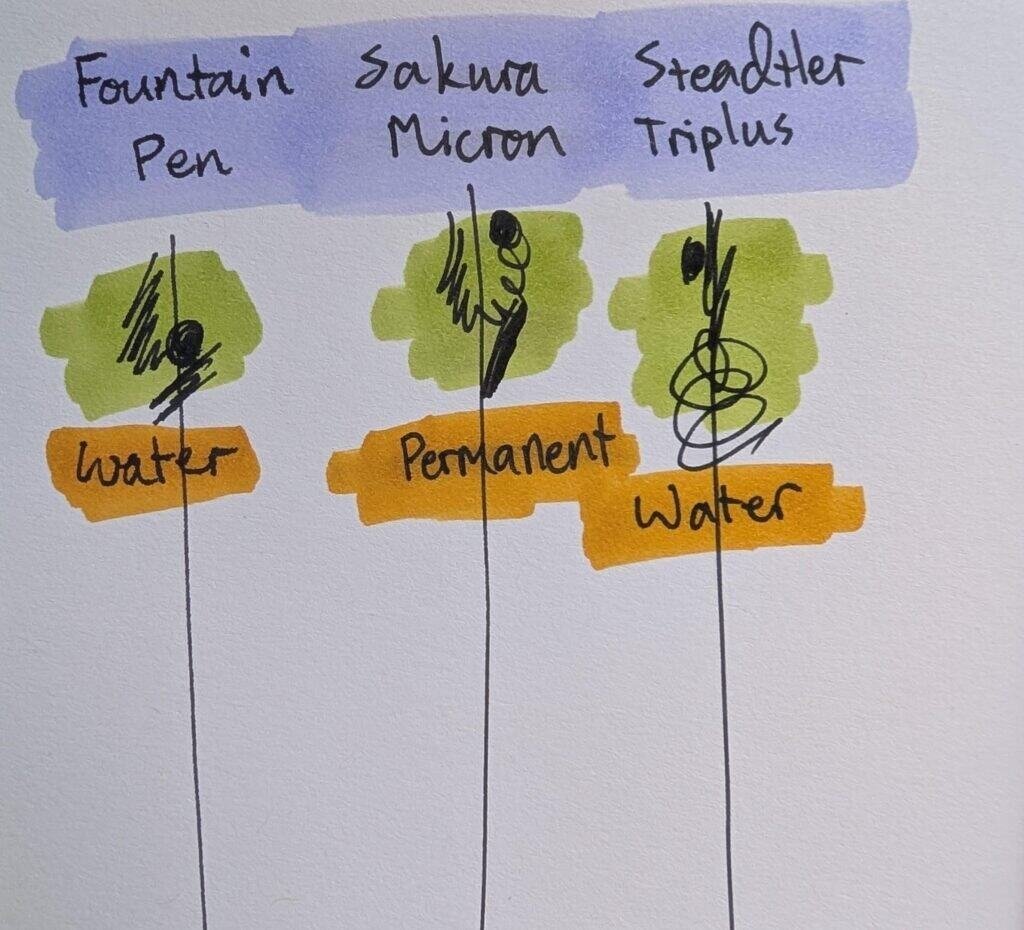
Painting begins with observation. The more carefully I learn to see, the more intentional my paintings become — and curiosity sharpens that awareness.
Instead of simply noticing that a tree is green, curiosity pushes me to ask deeper questions. Is the green warmer or cooler? Does it lean toward yellow or blue? How does its value compare to the sky? Is the light soft or sharp?
When I stop accepting quick answers, vague impressions transform into deliberate decisions. Each question builds a clearer understanding of form, color, and light. Over time, this questioning develops the analytical eye every painter depends on.
Curiosity is what transforms looking into seeing.
Curiosity Strengthens Visual Memory
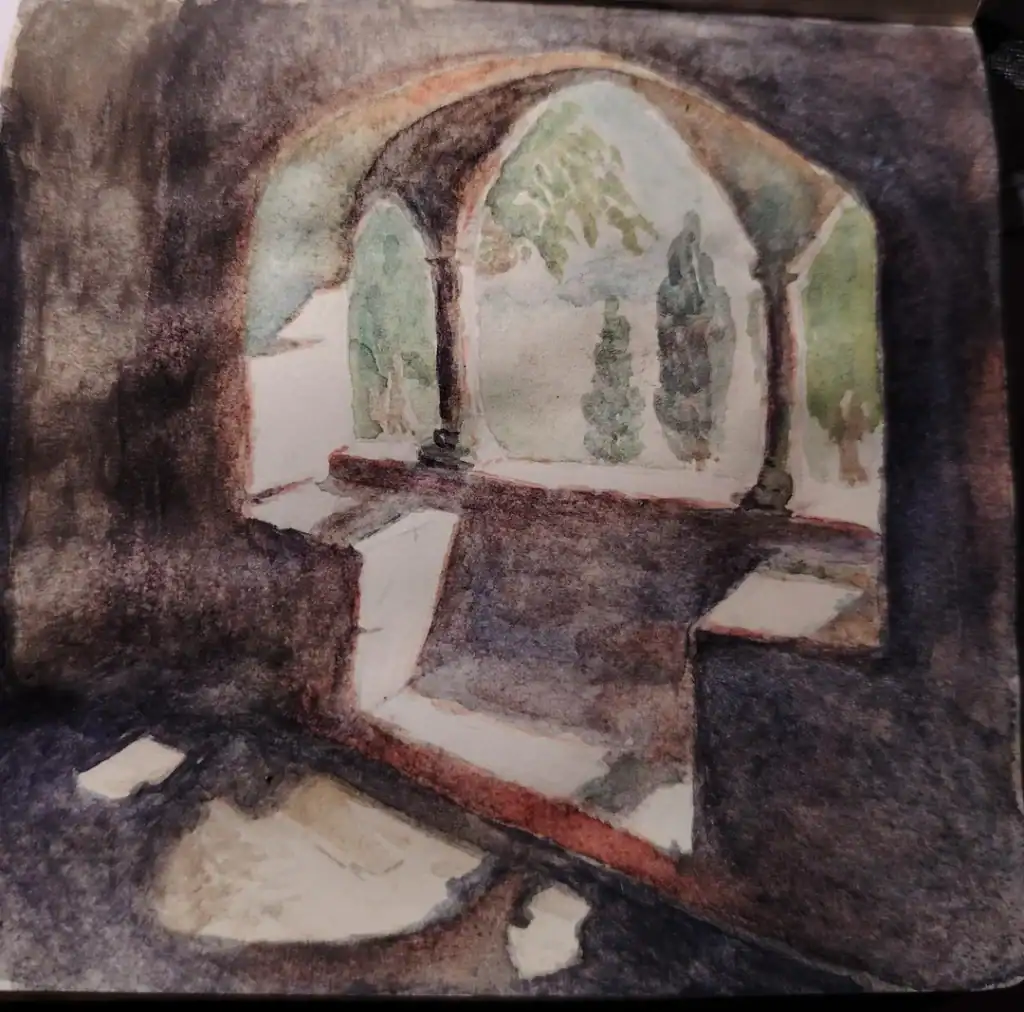
Asking these questions repeatedly doesn’t just help in the moment — it gradually builds memory.
The more I observe how light shifts across surfaces, how edges soften in shadow, or how complementary colors interact, the more familiar these patterns become. Eventually, they form an internal library of visual experiences.
This inner reference becomes invaluable when painting from imagination or memory. But it begins simply by staying curious enough to notice and investigate.
Curiosity Shapes Composition and Design
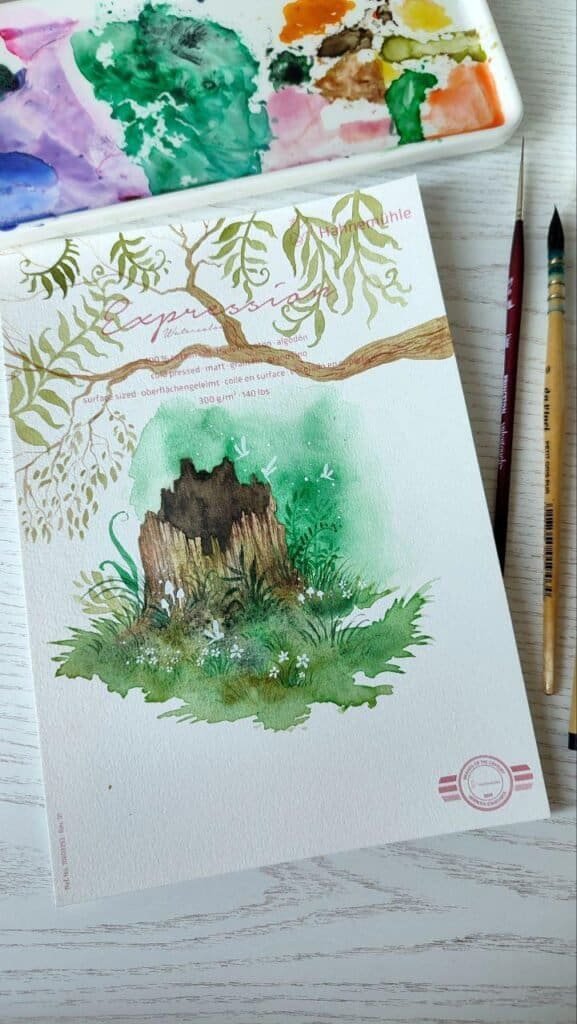
A successful painting isn’t only about accurate rendering — it’s about thoughtful design. I’ve seen technically skilled paintings fall flat because the composition lacked energy or intention.
Curiosity plays a role here as well. I often ask: What happens if I shift this element slightly? Would simplifying this area into shadow create stronger unity? Does the rhythm of light and dark feel engaging?
These questions lead to experimentation, and experimentation is curiosity made visible. Growth happens when we allow ourselves to test possibilities rather than repeat familiar solutions.
Curiosity Keeps You From Painting on Autopilot
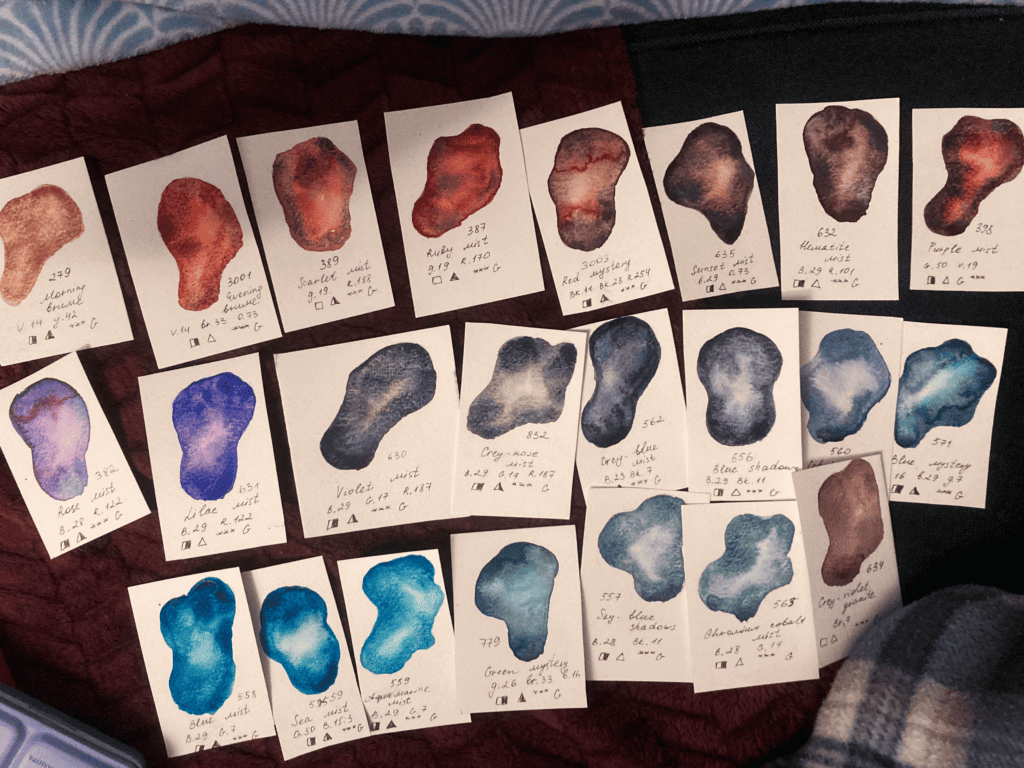
One of the quiet risks artists face is becoming too comfortable. After discovering techniques or color choices that work, it’s easy to repeat them without thinking.
Curiosity interrupts that pattern.
I try to ask: What haven’t I explored yet? What happens if I push this further? Even when experiments fail, they often reveal something valuable. Curiosity moves us beyond habit and back into learning.
How I Try to Nurture Curiosity in My Practice
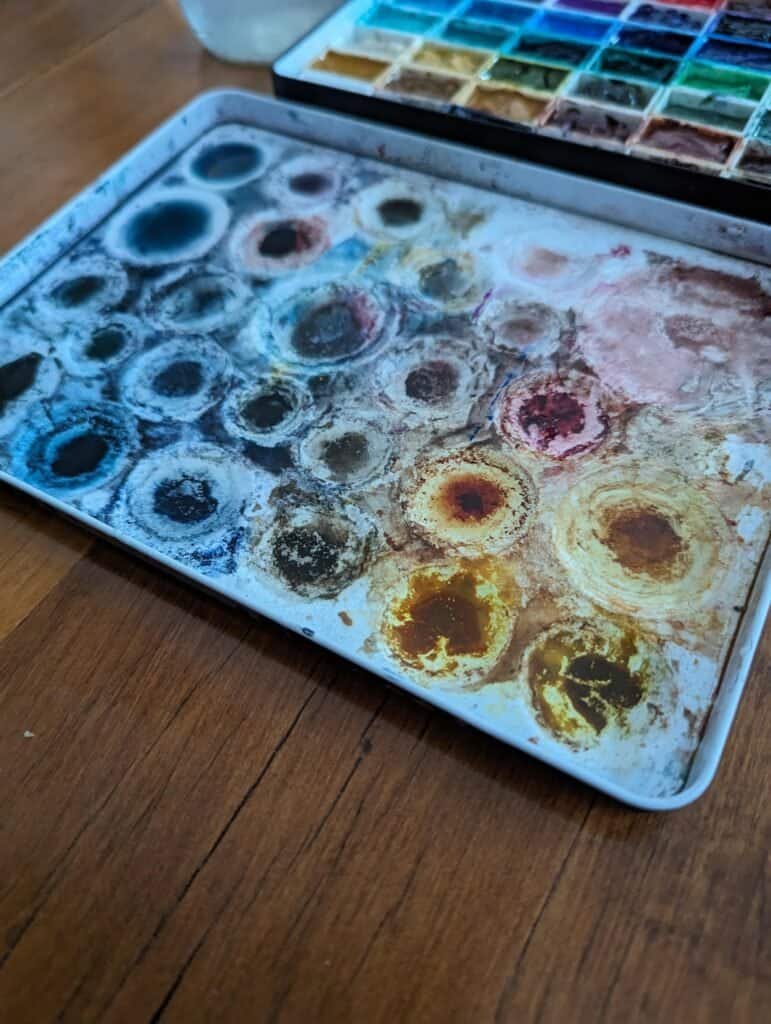
Curiosity is natural, but it can always be strengthened — especially in painting. When I intentionally cultivate it, my engagement with the work deepens. Here are a few approaches that help:
Slow down.
Before painting, I give myself time to truly observe. Productivity alone doesn’t lead to stronger work; thoughtful looking does.
Ask constant questions.
Painting feels less like executing and more like investigating — from subtle color shifts to large structural relationships.
Use a sketchbook as a place for inquiry.
I try not to treat sketches as finished products but as visual questions explored freely.
Study both life and masterworks.
Working from life offers endless discoveries, while master studies allow me to learn from the curiosity and decisions of artists before me.
Become comfortable with uncertainty.
Painting isn’t about already knowing the answers. Often, the questions themselves lead the way forward.
Summary
Curiosity is what keeps painting alive — always evolving, always inviting us to look again. I’d love to hear what has been capturing your curiosity lately in your own artistic journey.