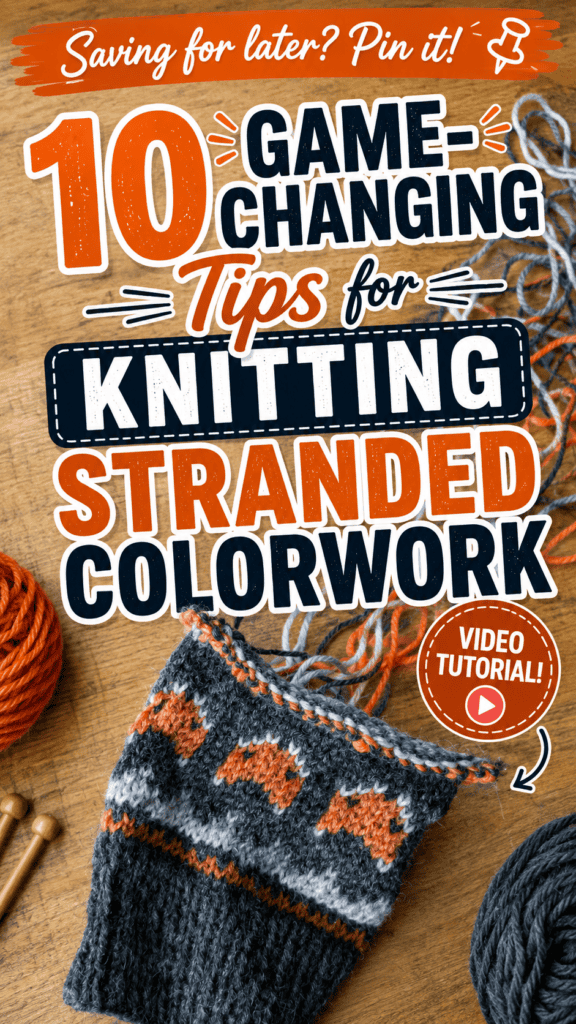
Stranded colorwork can transform a simple knitted fabric into something striking, detailed, and full of personality. But it also introduces challenges that are easy to underestimate. Uneven tension, floats that are too tight, colors that fail to stand out, visible yarn joins, and unexpected gauge changes can all affect the final result.
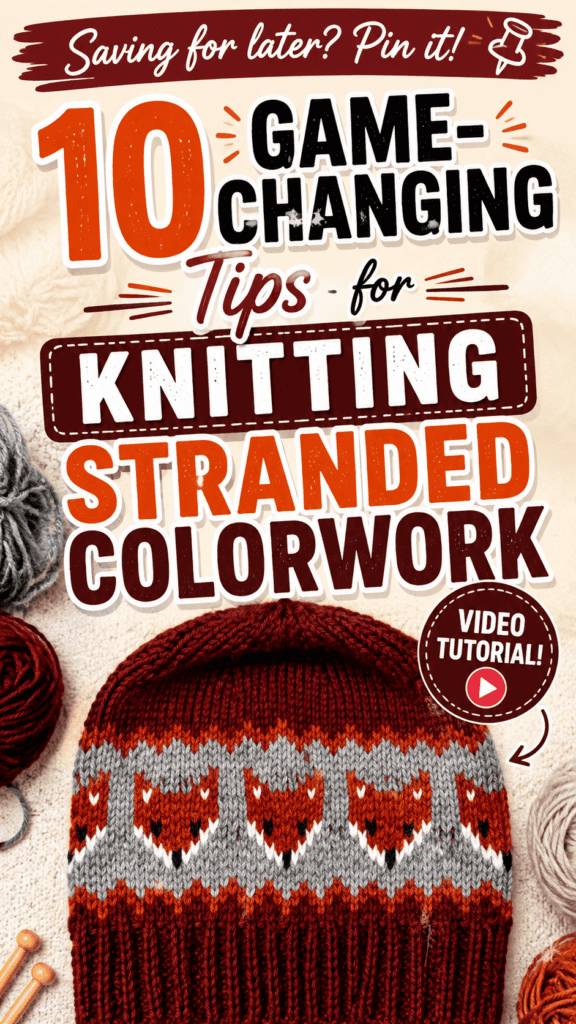
In his stranded colorwork guide, Norman from NimbleNeedles shares a collection of practical techniques designed to help knitters achieve cleaner, neater, and more professional-looking projects. While he demonstrates the tips on colorwork socks and swatches, many of the ideas apply broadly to stranded knitting.
From controlling floats to choosing yarn and swatching correctly, here are ten important stranded colorwork tips from his tutorial.
1. Use Traveling Magic Loop for Colorwork in the Round
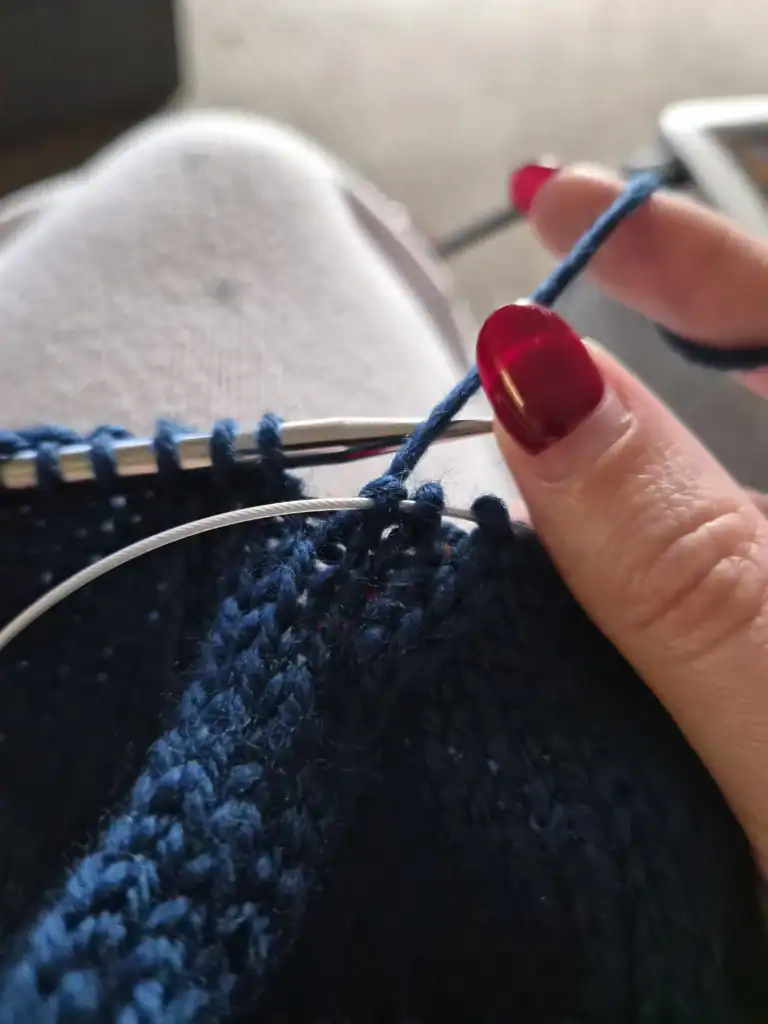
One of the biggest challenges in stranded colorwork is keeping the floats evenly tensioned.
Norman explains that even a single float that is too tight can negatively affect an entire project. When working stranded colorwork in the round, he recommends using circular needles together with the traveling magic loop technique.
Instead of pulling the needle completely out at the gap, Norman positions the transition point one stitch after the previous color change.
Why Traveling Magic Loop Helps
The benefit is that the previous stitch in the color about to be used is already sitting on the needle.
When Norman knits the next stitch in that color, he can deliberately stretch the stitches on the needle. This helps ensure that the float has enough length.
With a regular magic loop setup, the yarn may take a diagonal shortcut across the gap. That makes it much easier to accidentally create a float that is too short.
2. Try Knitting Stranded Colorwork Inside Out
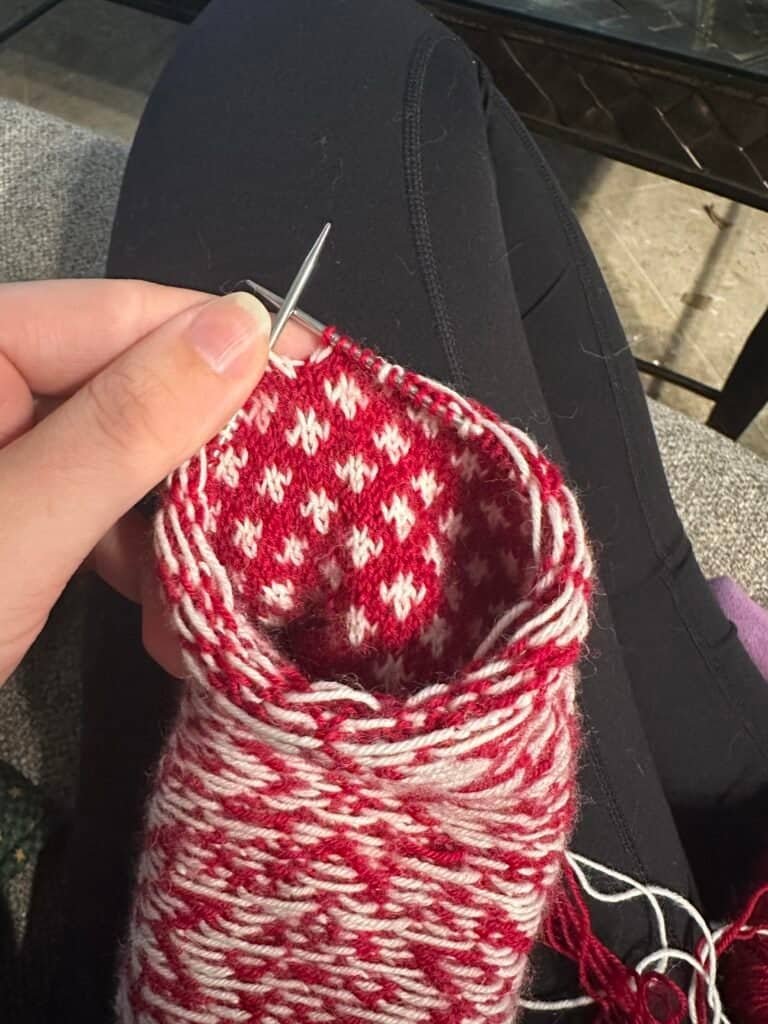
Another way to improve float length is to turn the project inside out while knitting.
This does not mean changing to purl stitches. Norman simply inverts the project so that the wrong side and the floats face outward while he continues knitting normally.
The advantage comes from the thickness of the knitted fabric.
When floats are carried on the inside, they travel around a smaller circumference. When the project is inverted, the floats travel around the outside of the fabric instead.
That outside path is slightly longer.
According to Norman, this can help prevent overly tight floats and may also improve the overall stitch definition and neatness of the fabric.
3. Be Careful When Catching Long Floats
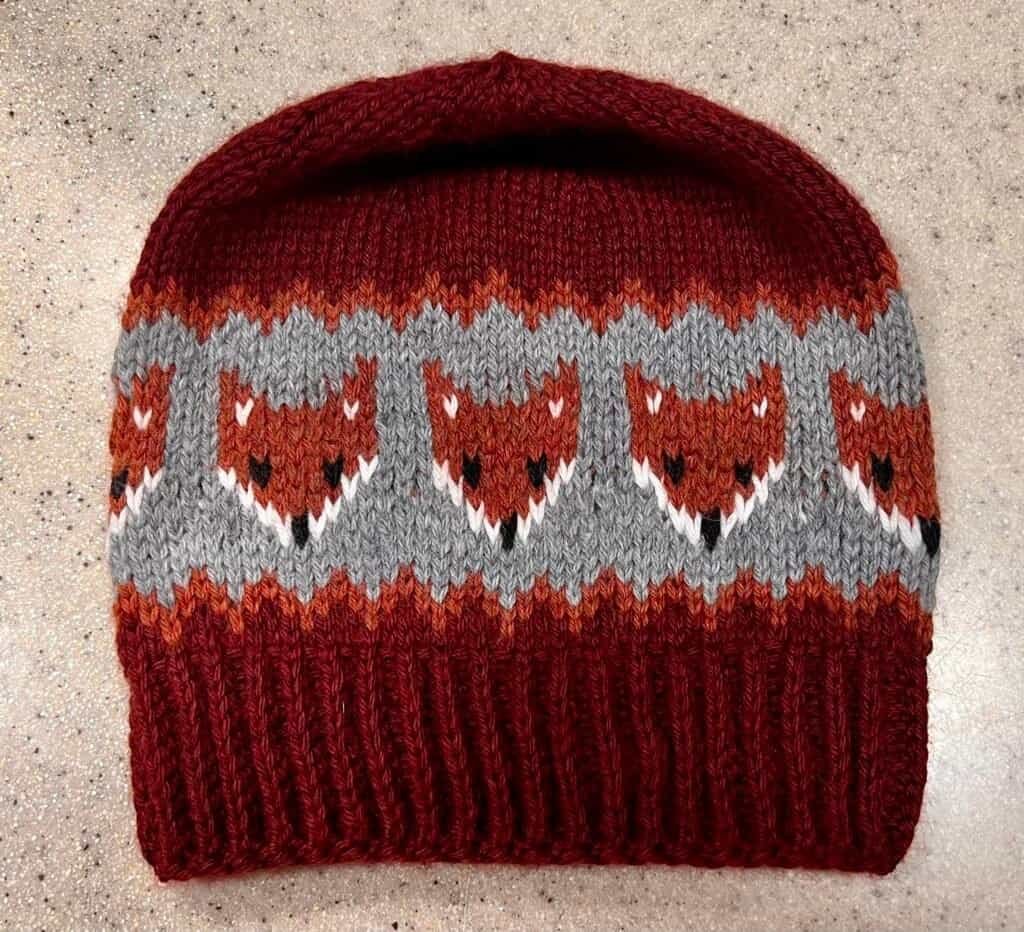
A common rule in stranded knitting is that floats spanning more than five stitches should be trapped.
Norman, however, says he personally tries to avoid catching floats whenever possible.
He demonstrates how floats can be trapped by changing the direction from which the working yarn is picked up. For a continental knitter, this means temporarily crossing the strands differently at the point where the float needs to be secured.
Why Norman Avoids Traditional Float Trapping
His concern is visibility.
When trapped floats repeatedly occur in the same location, they can be pushed toward the right side of the fabric when the knitting is stretched. The trapped sections may then become visible.
Instead, Norman prefers alternatives such as ladderback jacquard or adjusting the chart so that no color needs to travel across more than five stitches.
4. Use a Ladderback-Style Method to Hide Floats
Norman demonstrates a method that creates small ladder-like structures on the wrong side of the fabric.
After knitting several stitches in one color, he brings that color to the front and creates a yarn over with the other color. On the following round, he works that yarn over with the appropriate color before returning both yarns to the back.
The resulting structure secures the float without creating the same visible effect that can occur with traditional trapped floats.
He shows that the technique can also be used when working flat.
When the fabric is stretched, the secured floats remain hidden rather than peeking through prominently on the right side.
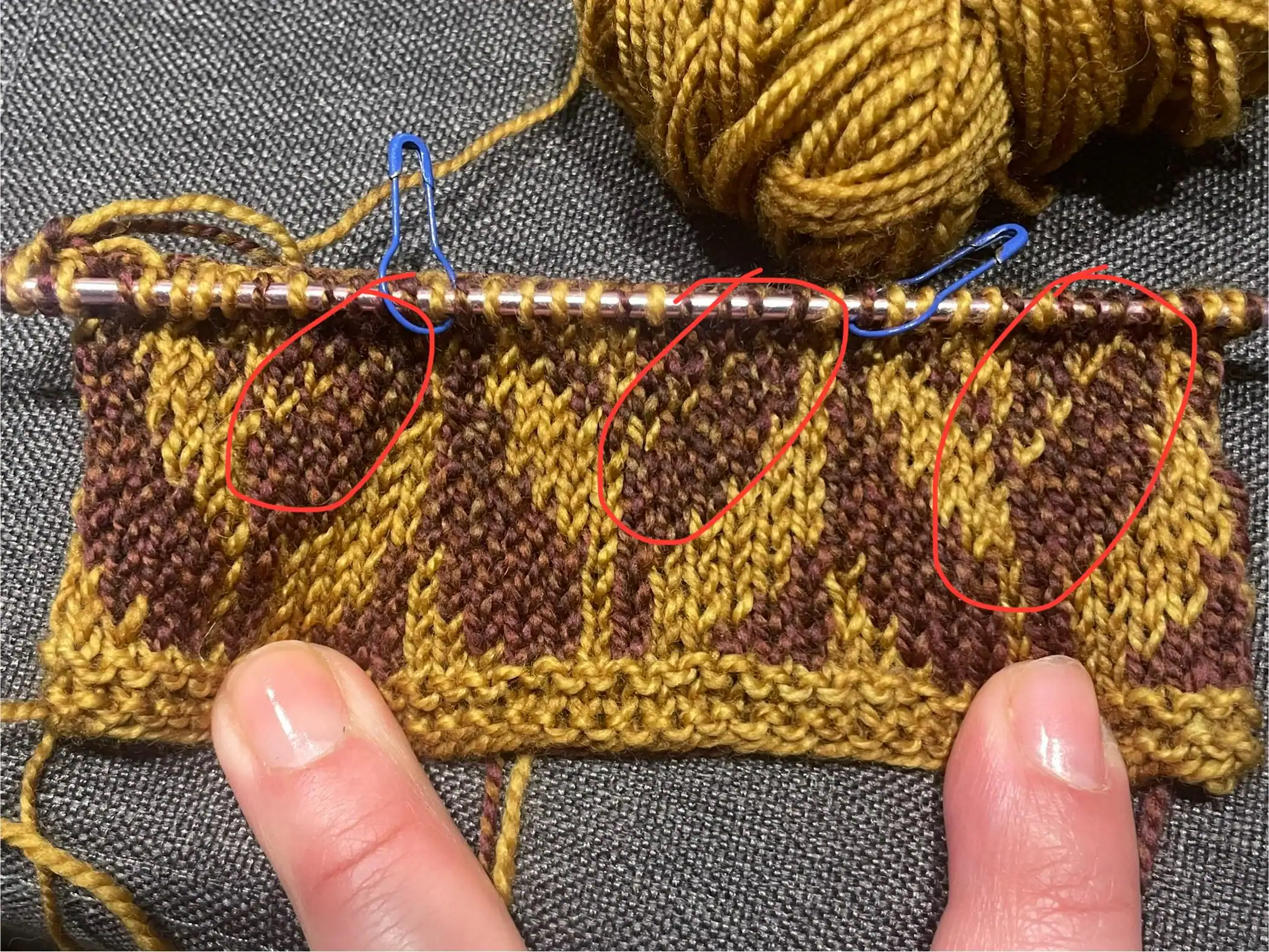
5. Understand Color Dominance
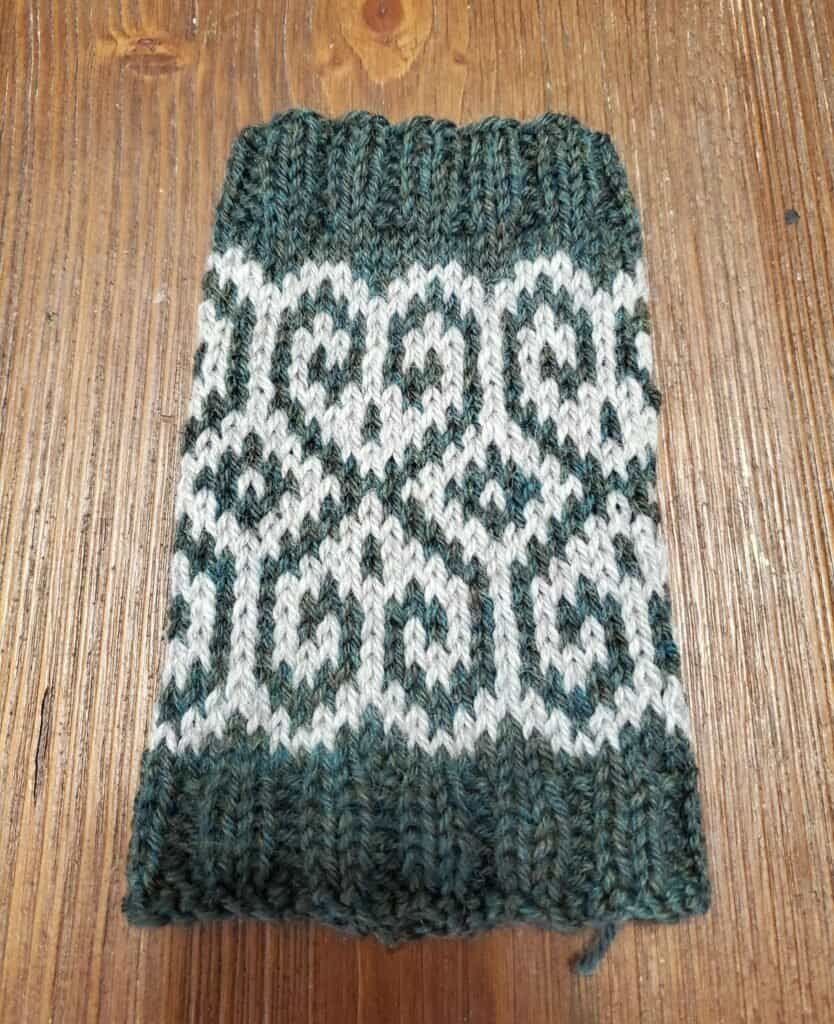
Color dominance is one of the most misunderstood ideas in stranded colorwork, according to Norman.
He demonstrates that the position of each yarn affects how prominently a color appears in the finished fabric.
When one yarn is consistently held on the left and the other on the right, the floats sit differently behind the stitches.
That difference affects the size and appearance of the visible knitted V.
Keep the Important Color on the Left
Norman’s summary is straightforward: study the chart and identify the color that needs to stand out.
Keep that color on the left.
For example, if isolated red stitches form an important part of the design, keeping the red yarn on the left can help those stitches appear more prominent.
He also discusses an alternative in which each new color is always picked up from either above or below. This can make the overall appearance more even, although neither color will dominate as strongly.
6. Weave in New Colors Before You Need Them
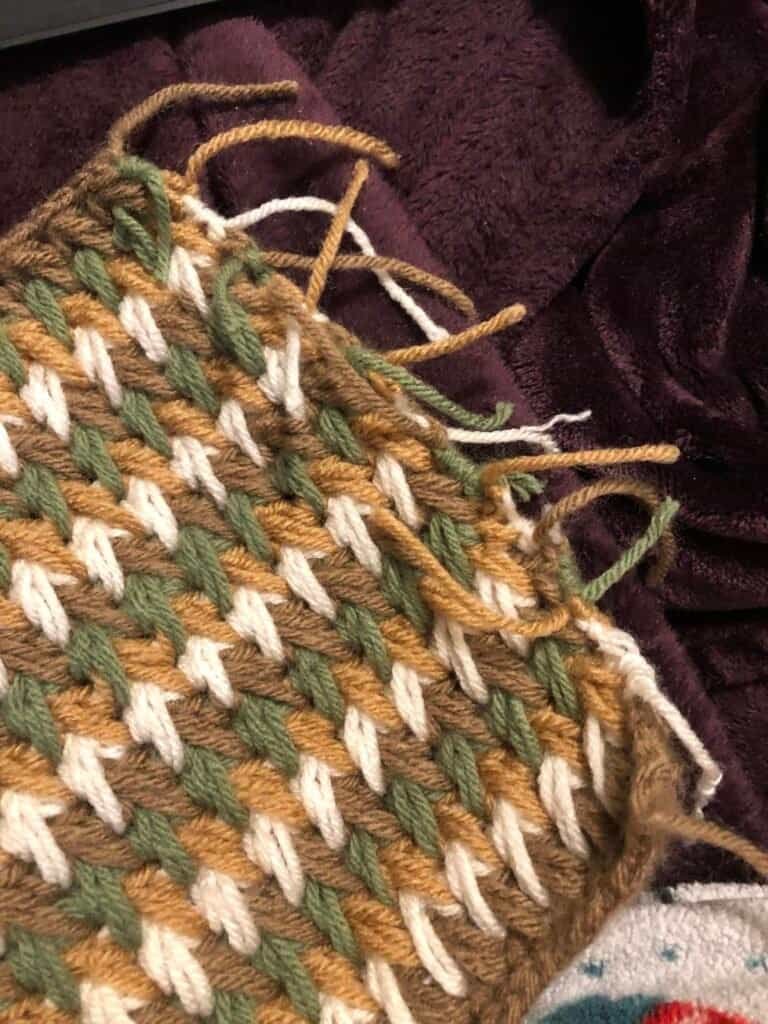
Joining new yarn is another major issue in stranded colorwork because projects can quickly accumulate many loose ends.
Norman’s preferred method begins several stitches before the new color is actually required.
About six to eight stitches in advance, he places the new yarn tail between the work and the working yarn.
As he continues knitting, he repeatedly wraps the tail around the working yarn.
This creates a small braided structure on the wrong side.
Once the tail is secured, the excess can be trimmed.
The Same Method Works When Finishing a Color
The technique can also be reversed when a color is no longer needed.
Norman continues working while wrapping the tail around the active working yarn or yarns for several stitches.
He also demonstrates that the same principle can be used when knitting flat, although manipulating a full skein can make the process a little more cumbersome.
7. Check Color Contrast in Black and White
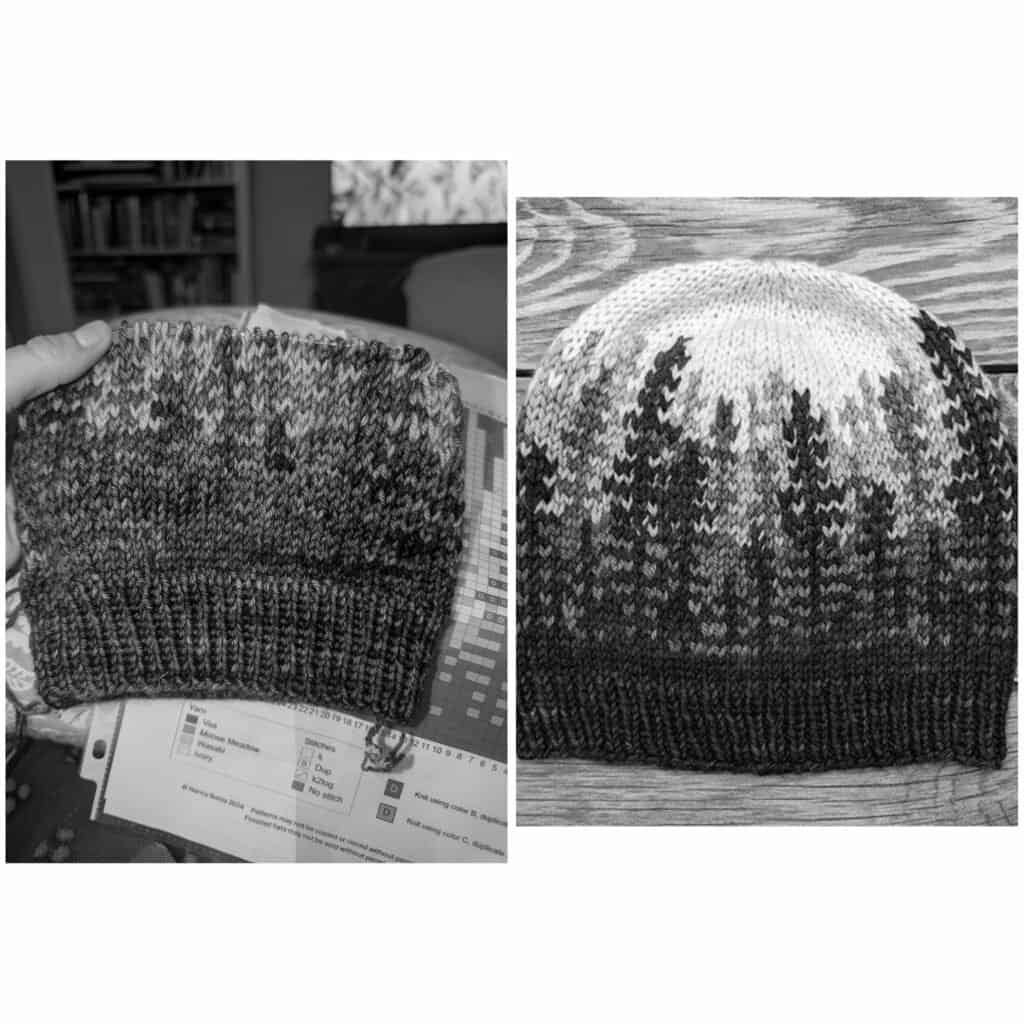
Beautiful colors do not automatically create effective stranded colorwork.
The design needs enough contrast for the pattern to remain clearly visible.
Norman suggests a very simple test: place the yarn colors next to each other, take a photograph, and convert the image to black and white.
If two colors become difficult to distinguish in grayscale, their contrast may be too low.
In that case, switching one of the colors may help the stranded design read more clearly.
8. Choose a Slightly Fuzzy Yarn
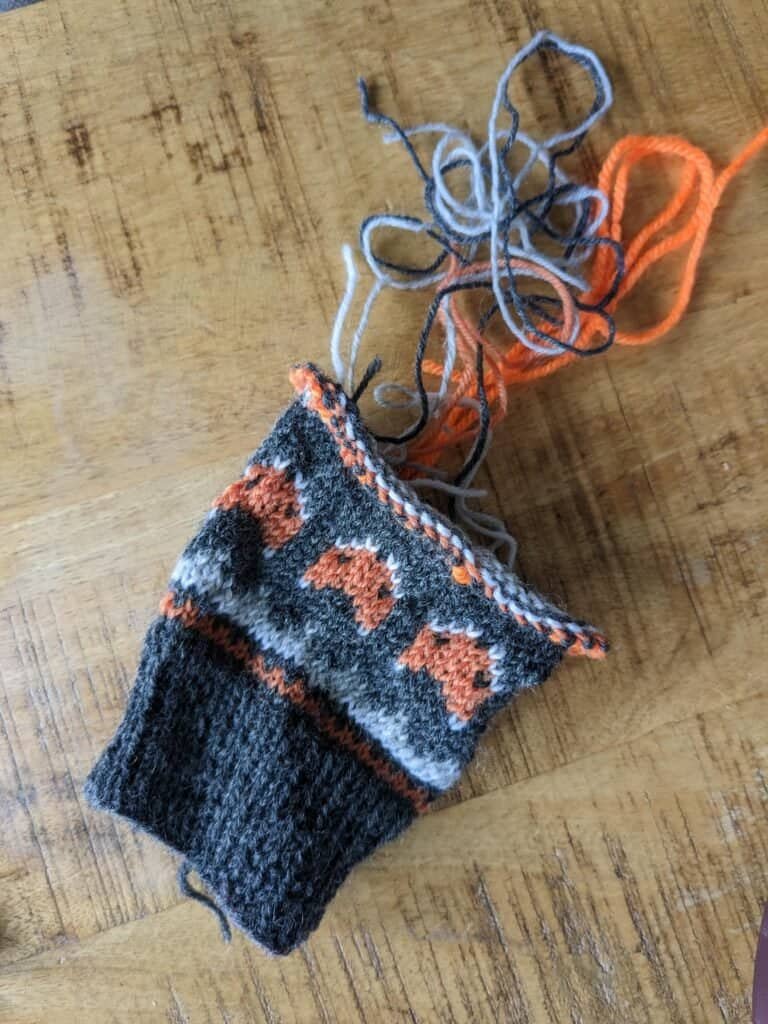
Fiber choice also plays an important role in stranded colorwork.
Norman recommends considering yarn that is somewhat fluffy, fuzzy, or rustic.
The reason is partly related to floats.
Floats can act as a reservoir of yarn. If the yarn is very smooth, neighboring stitches may pull yarn away from those floats, changing both stitch size and fabric stretch.
A fuzzier yarn has more friction, which makes this movement less likely.
Fuzzy Yarn Can Hide the Wrong Side Better
Rustic yarn may also bloom or slightly felt together after washing and blocking.
According to Norman, this can help lock the stitches into place.
The fibers can also fill small gaps, helping conceal floats, joins, and woven-in ends.
Smooth cotton or superwash yarn can still be used, but Norman notes that these fibers may make the challenges more noticeable, particularly after washing.
He also recommends considering relatively small needles so that the spaces between stitches do not become unnecessarily large.
9. Pay Attention to Dyed and Undyed Yarn
Norman points out that dye can change the physical structure of a fiber.
Because of this, undyed and dyed versions of a yarn may behave slightly differently in colorwork.
He notes that white or undyed stitches can sometimes look thinner or less substantial beside dyed stitches.
One strategy he uses is combining two strands of a lighter-weight white yarn to create a slightly thicker thread when necessary.
This requires testing and swatching.
Always Test for Color Bleeding
Swatching is also essential when combining strong dyed shades with undyed yarn.
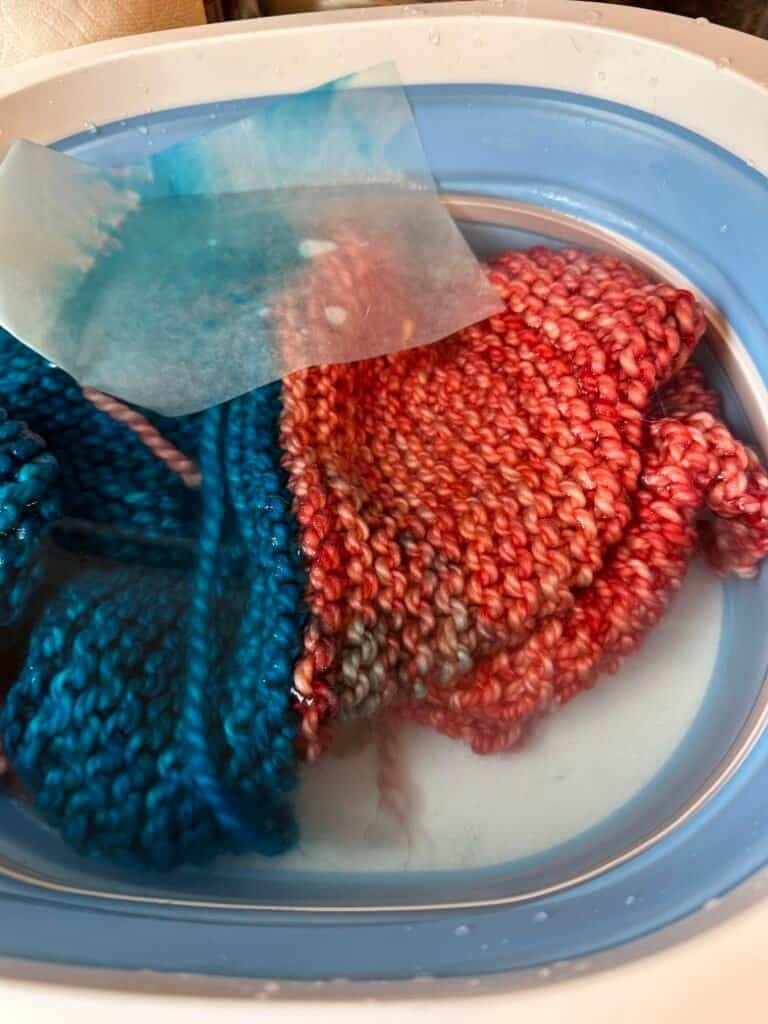
Norman warns that undyed yarn can absorb free pigment released by dyed yarn during washing.
He recommends soaking the swatch in lukewarm water for around two hours without soap and checking whether any of the colors bleed.
This is especially important when combining undyed yarn with heavily dyed colors such as red.
10. Swatch Each Stitch Pattern Separately
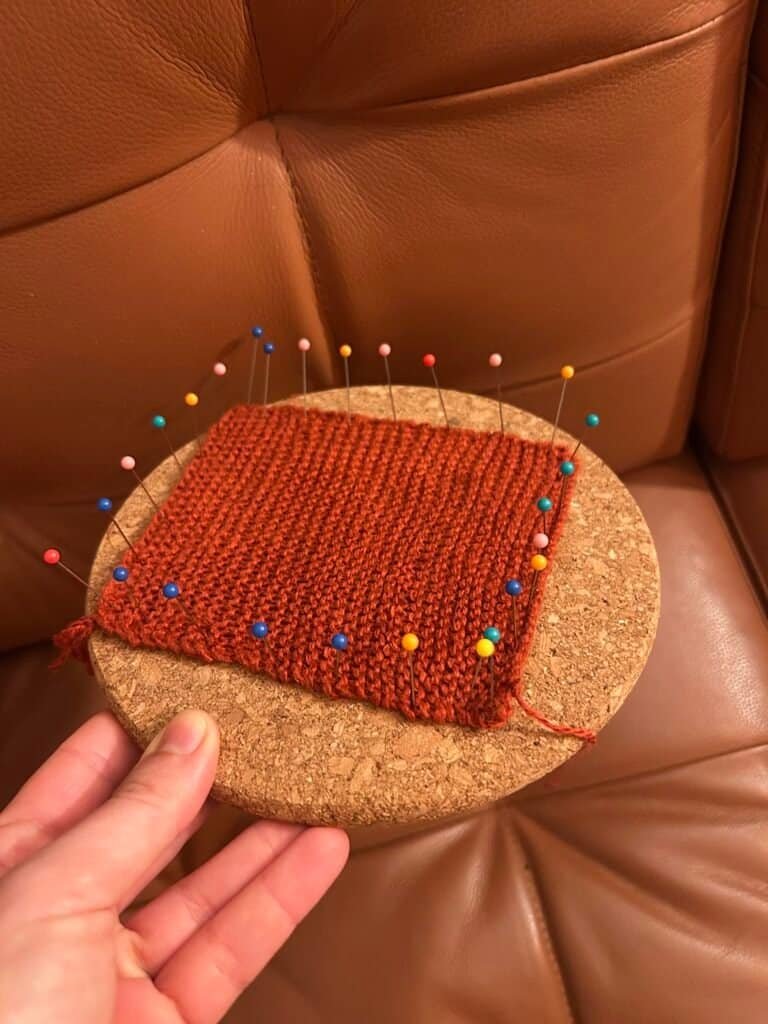
Perhaps one of the most important lessons is that stranded colorwork does not behave like plain stockinette.
Norman compares two swatches knitted with the same yarn, needle size, stitch count, and row count.
One is regular stockinette, while the other contains stranded colorwork.
The colorwork swatch is noticeably smaller and less stretchy.
This difference matters whenever a project changes between ribbing, stockinette, and stranded colorwork.
Adjust Needle Size and Gauge as Needed
Norman gives the example of a top-down sweater.
A knitter might use one needle size for ribbing, switch to a larger needle for the colorwork yoke, and then move to another size for the stockinette body.
In some situations, increases or decreases may also be needed.
There is no universal needle size that solves this automatically.
Norman emphasizes that the correct answer is to make multiple swatches—one for each stitch pattern—and determine what works for the individual knitter and project.
Conclusion
Stranded colorwork is about more than simply alternating yarn colors. The way floats travel, how the yarns are positioned, which fibers are chosen, and even how the project is held can significantly influence the finished fabric.
Norman from NimbleNeedles emphasizes several recurring ideas throughout his tutorial: keep floats long enough, understand color dominance, avoid unnecessary visible float trapping, choose yarn thoughtfully, and never underestimate the value of swatching.
Techniques such as traveling magic loop and knitting inside out can help with tension, while ladderback methods offer an alternative for managing long floats. Thoughtful yarn selection can improve stitch stability, and a simple black-and-white photo can reveal whether a color combination has enough contrast.
Most importantly, stranded colorwork requires attention to gauge. Because stranded fabric is typically less stretchy and can be smaller than ordinary stockinette worked with the same materials, testing each stitch pattern separately can prevent fitting problems later.
With careful tension, thoughtful color placement, and a willingness to swatch, stranded colorwork can become significantly cleaner, more consistent, and more rewarding.