
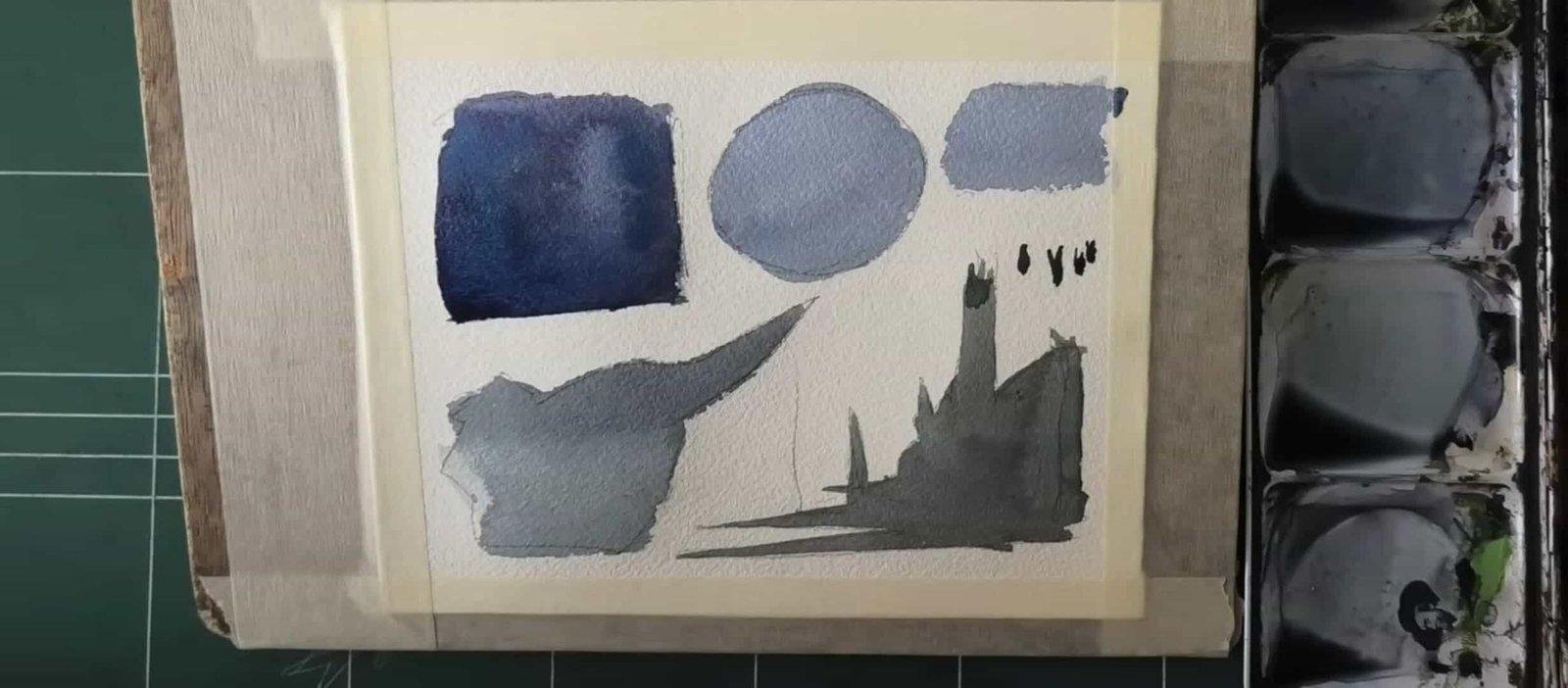
Why do your watercolor washes sometimes look dull instead of fresh? The problem often comes from overworking your paint.
In his guide, artist Liron Yan explains why this happens and shows clear steps to stop making this mistake. His approach helps you paint with confidence and keep your washes vibrant. Ready to improve your watercolor technique?
Let’s walk through his tips step by step and see how you can stop overworking today.
Contents
Common Watercolor Mistakes That Kill Freshness
Many watercolor problems start before the paint even touches the paper. According to Liron Yan, the issue often comes from mixing and water control.
Uneven Mixing of Paint on the Palette
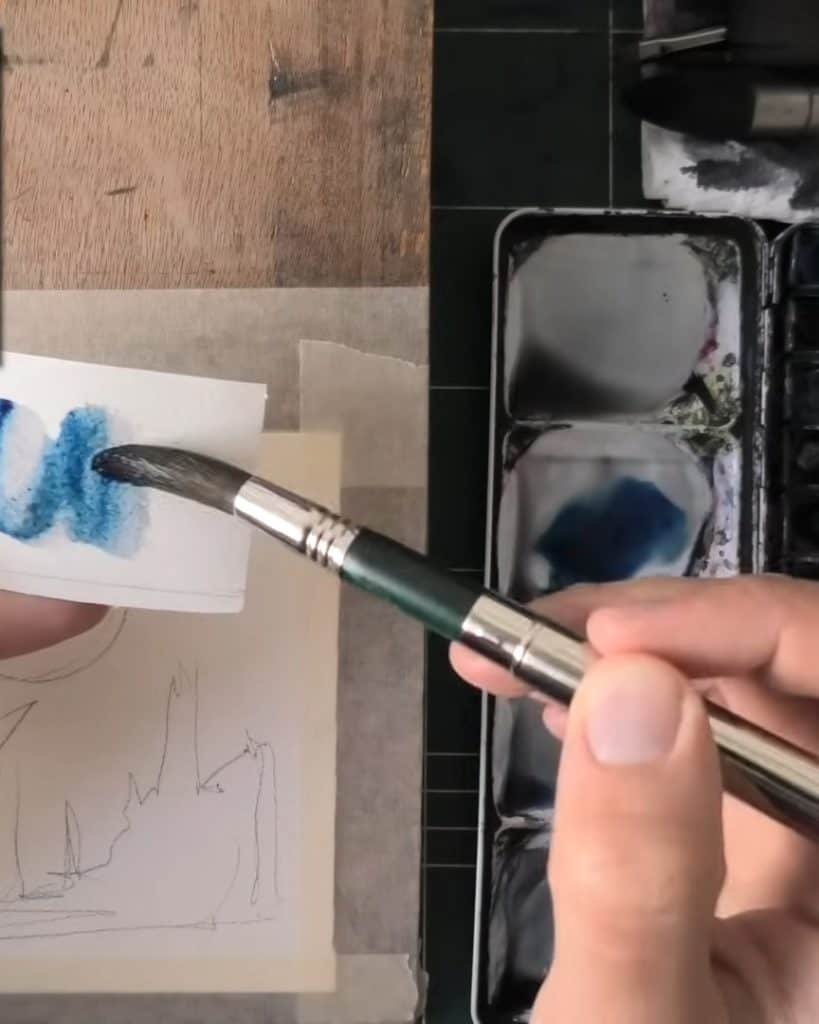
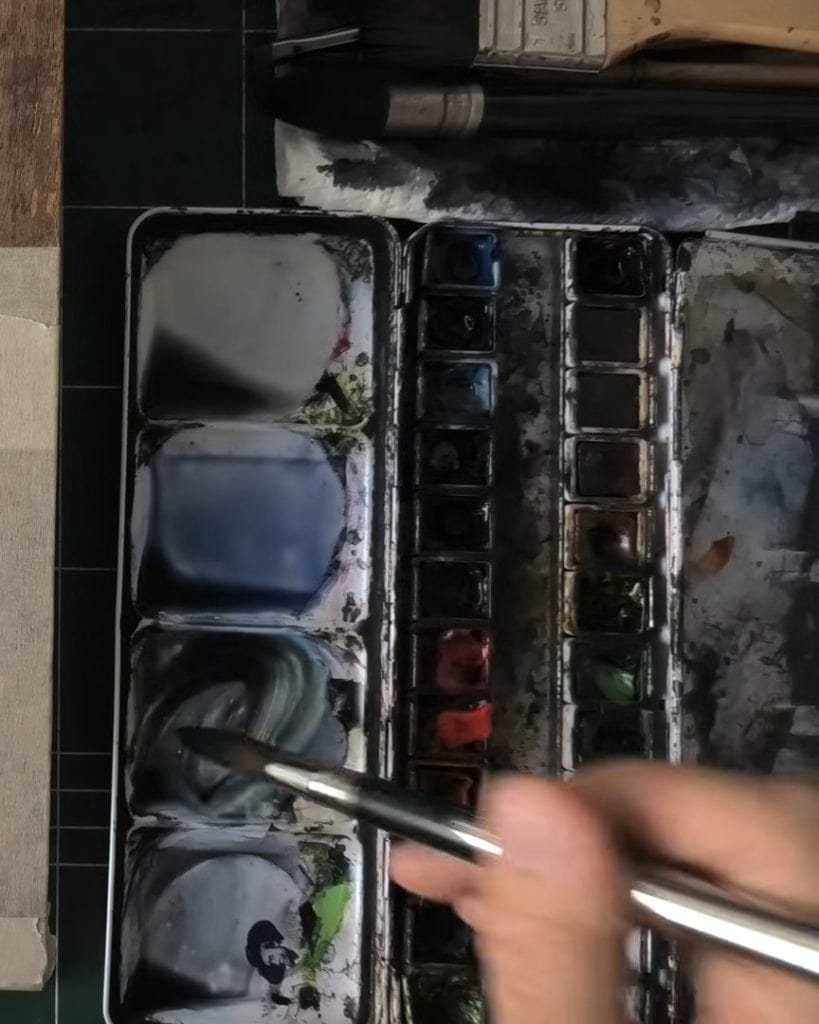
When you mix color using only the tip of your brush, the pigment does not spread evenly. This creates different ratios of water and paint inside the brush. The result is a wash that looks patchy.
Instead, Liron Yan suggests mixing until the wash is homogenous. You should use the whole brush and the full well of the palette. That way, your mix is consistent, and the color flows smoothly.
Not Using Enough Water in a Watercolor Wash
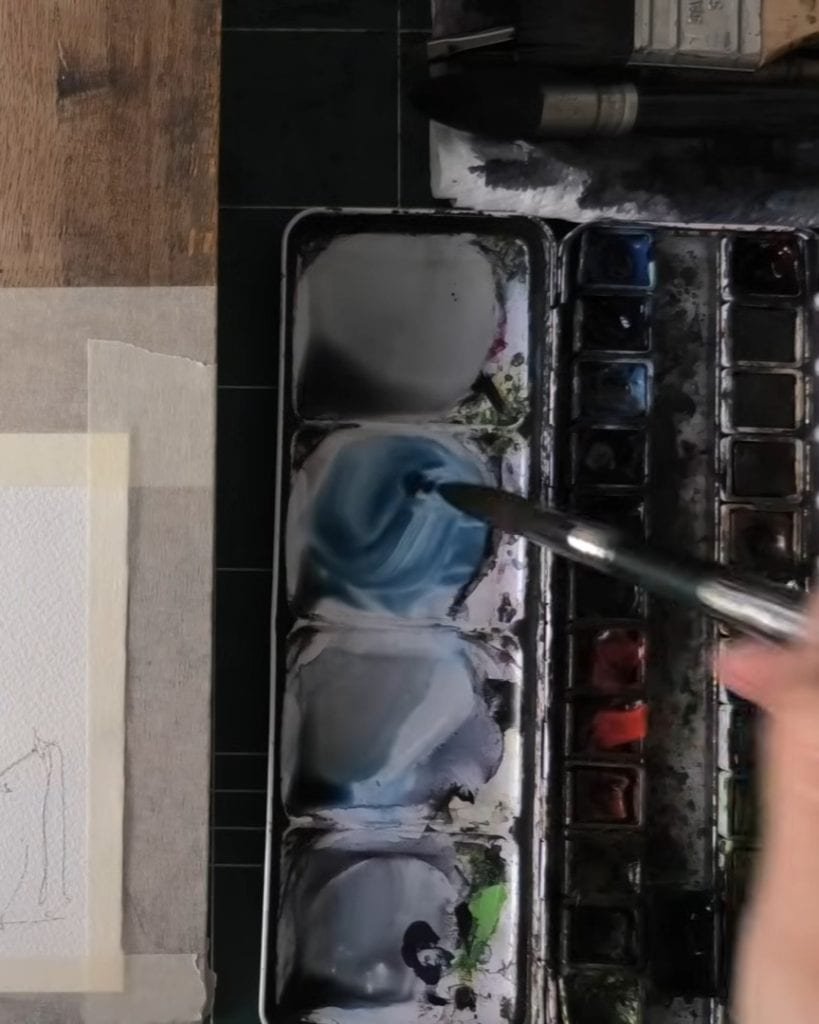
Another mistake happens when there is not enough water in the mixture. Without enough water, the wash dries too quickly and leaves streaks.
Liron Yan stresses that the wash should move easily on the palette. If it looks stiff or heavy, add water until it flows. A moving wash leads to a smoother result on paper.
How to Paint Simple Shapes Without Overworking
Let’s start with easy shapes. They may look simple, but mistakes can happen fast if you overwork them.
The Outline-and-Fill Mistake in Watercolors
Many people outline the shape and then try to fill inside it. Liron Yan explains that this is not a good approach.
By the time you fill in the shape, parts of it have already dried. This creates uneven patches and a stale look.
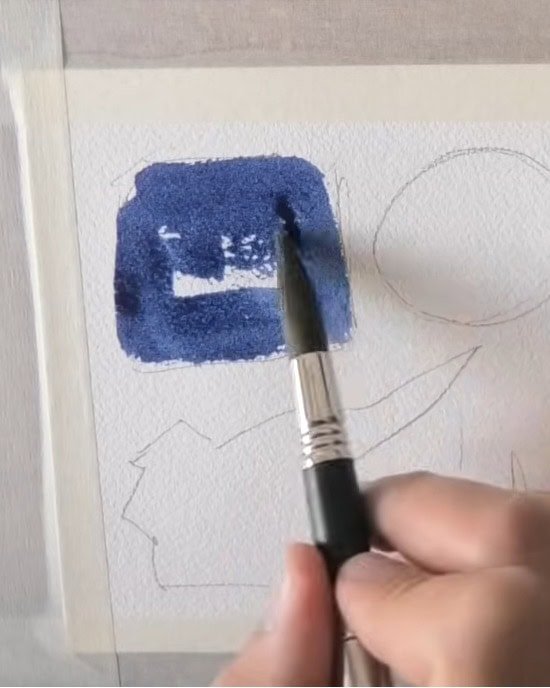
Instead of outlining, focus on covering the shape in one steady motion. Work with a flowing wash rather than piecing it together.
Fixing Edges: The Biggest Watercolor Painting Mistake
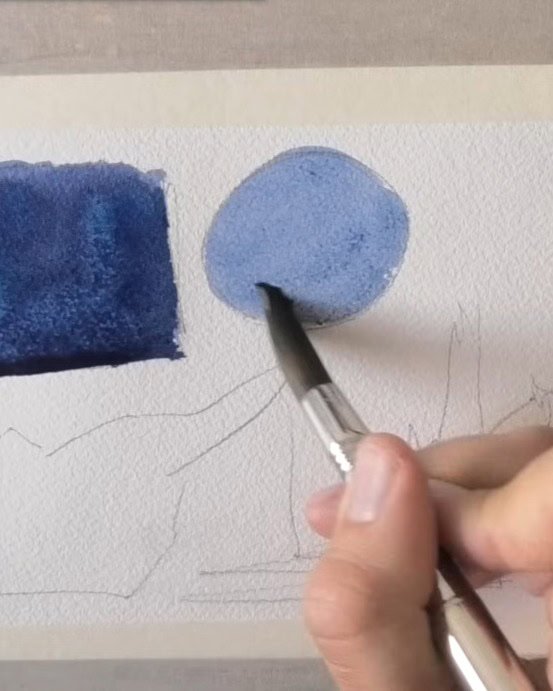
Do you ever miss a corner and feel tempted to fix it? Liron Yan warns that this is where overworking begins.
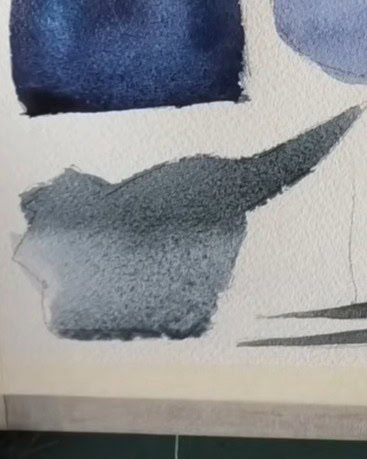
When you go back to touch up edges, the wash starts to dry. Adding fresh paint at this stage creates blooms and cauliflowers.
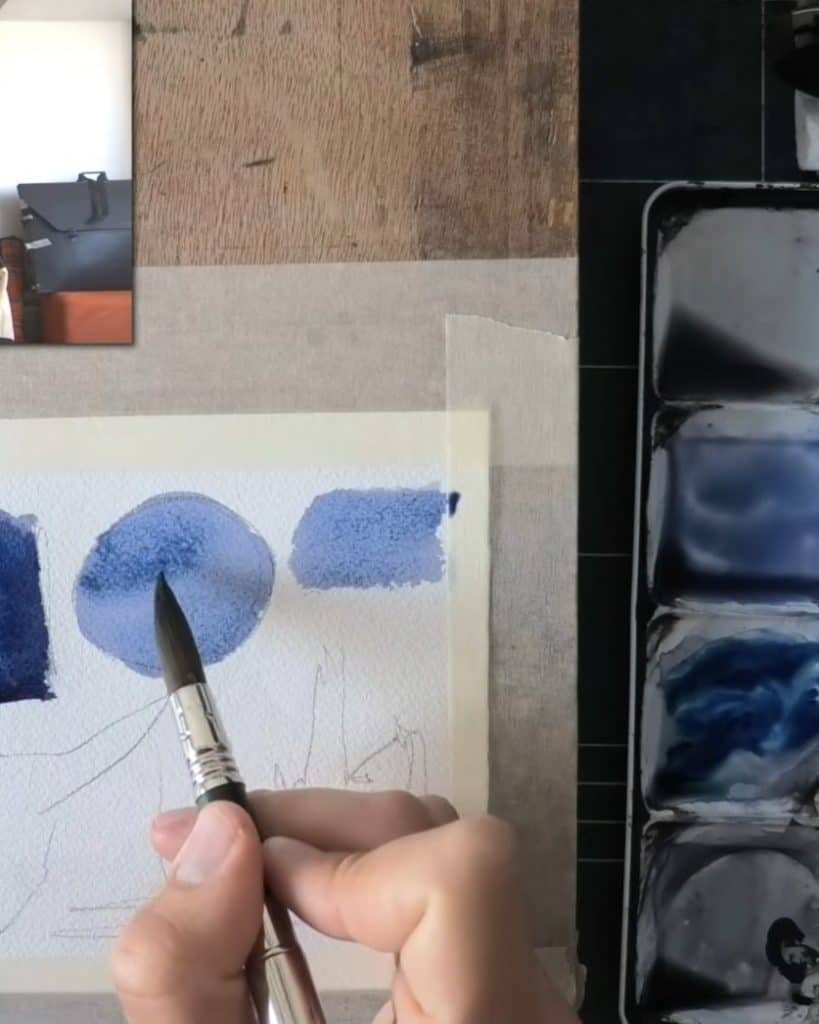
The more you “fix,” the worse it looks. Uneven textures appear, and the freshness disappears. He advises leaving small imperfections alone. They are less visible than you think.
Why Adding Darker Paint Too Late Fails
Another common problem is adding darker paint after the wash is already on the paper. Some people often grab thick pigment with just the tip of the brush and drop it in.
Liron Yan shows that this usually lifts the existing wash instead of darkening it. The paper becomes patchy. Instead of a smooth gradient, you end up with a messy area.
Techniques for Painting Complex Watercolor Shapes
The fact is that real paintings rarely involve only simple squares. Complex shapes are a real challenge. Here’s how Liron Yan handles them.
Preparing Enough Paint for Larger Areas
When painting a street, building, or large shadow, you need enough paint from the start. Liron Yan suggests mixing a generous amount of wash before touching the paper.
If you run out halfway, you risk creating streaks. A full mix keeps the wash consistent.
Painting Top to Bottom for Smooth Washes
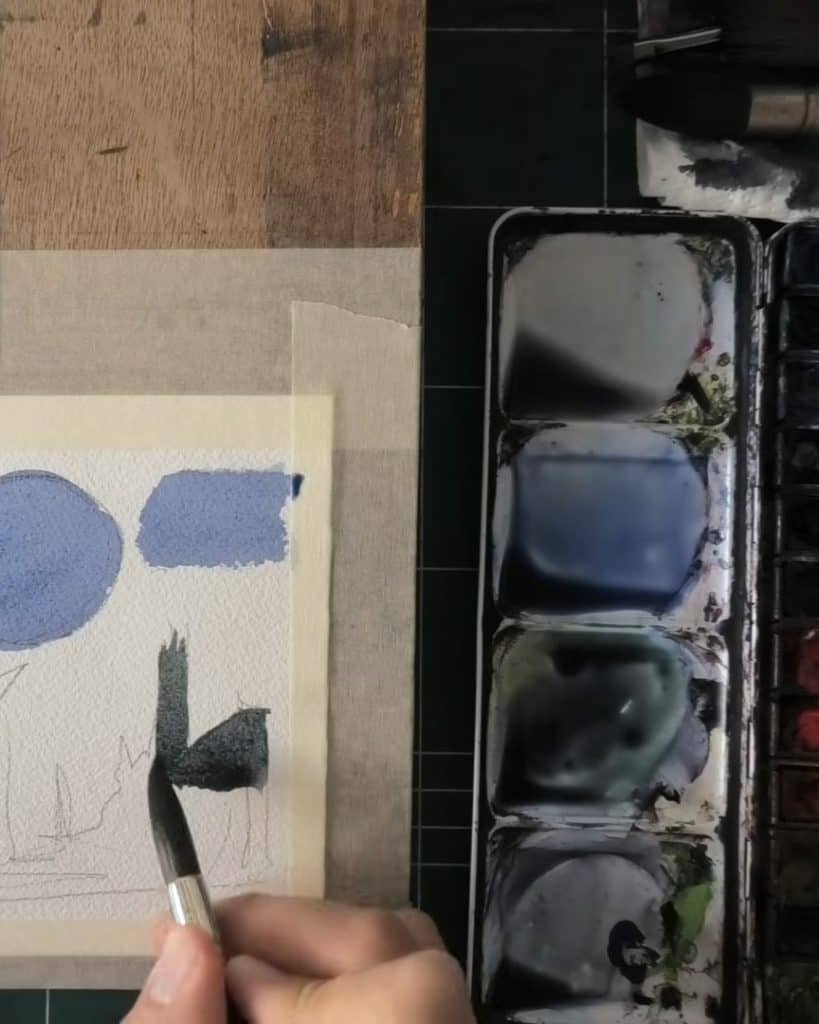
He also recommends painting top to bottom. Move steadily downward instead of outlining and filling. This method keeps the wash moving evenly and prevents dry spots.
When you avoid the outline-first approach, you avoid patchy results.
Brush Control for Accuracy in Watercolor Shapes
You may worry about edges. What if your line is not exact? Liron Yan reminds you that people see the overall painting, not every detail.
Improve your brush control so you can hit shapes accurately. But don’t obsess over tiny corrections. Uneven washes distract more than slightly imperfect edges.
Watercolor Wash Problems to Avoid
Even if your wash starts well, small mistakes can creep in. Let’s see what to avoid.
Adding Only Water Mid-Wash
Sometimes you may feel the wash is running out. You stop and add water to your palette. But if you add only water and not paint, you thin the wash too much.
This creates backruns. Water pushes pigment around, leaving unwanted textures. The solution? Add both paint and water when remixing. Keep the balance.
Paper Angle and Watercolor Wash Control
Liron Yan works with his paper at about a 15-degree tilt. This angle helps the paint flow downward in a controlled way.
If the paper lies flat, paint may backflow and cause cauliflowers. A slight tilt prevents this and keeps the wash even.
Focus on the Overall Watercolor Composition
Now let’s zoom out. Your painting is more than one shape. What matters is the overall impression.
Freshness Over Perfect Edges in Watercolor Painting
According to Liron Yan, viewers don’t notice small edge issues. What they notice is freshness, vibrancy, and flow. A lively wash is far more important than a perfect line.
So don’t chase minor corrections. Keep your energy on the big picture.
Why Obsessing Over Accuracy Ruins Watercolors
When you obsess over accuracy, you overwork your painting. Every touch lifts pigment and adds unevenness.
Liron Yan shows that leaving small imperfections creates a more natural look. Trust the overall composition.
How to Plan a Watercolor Wash Before Painting
Good washes begin before the brush even touches the paper. Liron Yan suggests a simple plan.
Defining the Shape Before Applying Paint
Take a moment to think about the shape. Know the borders and where the wash will flow. Even for complex shapes, a mental outline helps you paint confidently.
When you know where you’re going, you don’t need to stop midway.
Planning Values for a Stronger Watercolor Composition
Decide on the value. Is it light, medium, or dark? Planning helps you mix the right wash.
Liron Yan often recommends black-and-white practice. Thinking in values makes planning easier than thinking in colors.
Layering Washes for Darker Values Without Overworking
If you need a darker wash, don’t force it in one layer. Start light. Then add another wash later.
In this way, you can keep the flow natural and avoid muddy areas. By layering, you maintain freshness while still building depth.
Final Thoughts
Overworking is one of the easiest mistakes to make in watercolor, but also the easiest to stop. According to Liron Yan, freshness comes from mixing enough paint, working in one confident pass, and avoiding endless corrections. The next time you paint, plan your shape, value, and flow first.
Will you try Liron Yan’s tips today? Take out your brushes and paint a wash without touching it twice. You’ll see the difference right away.