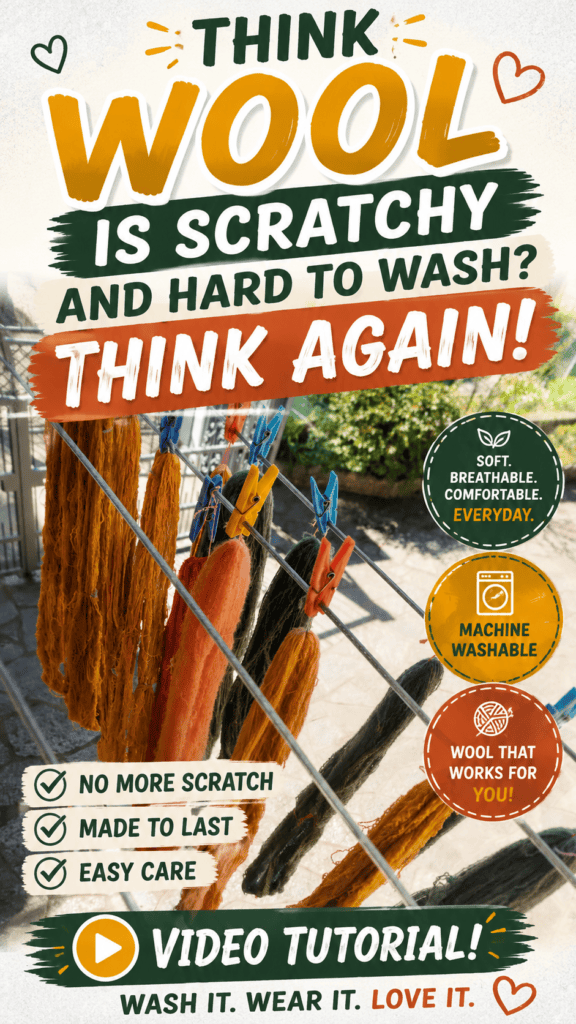
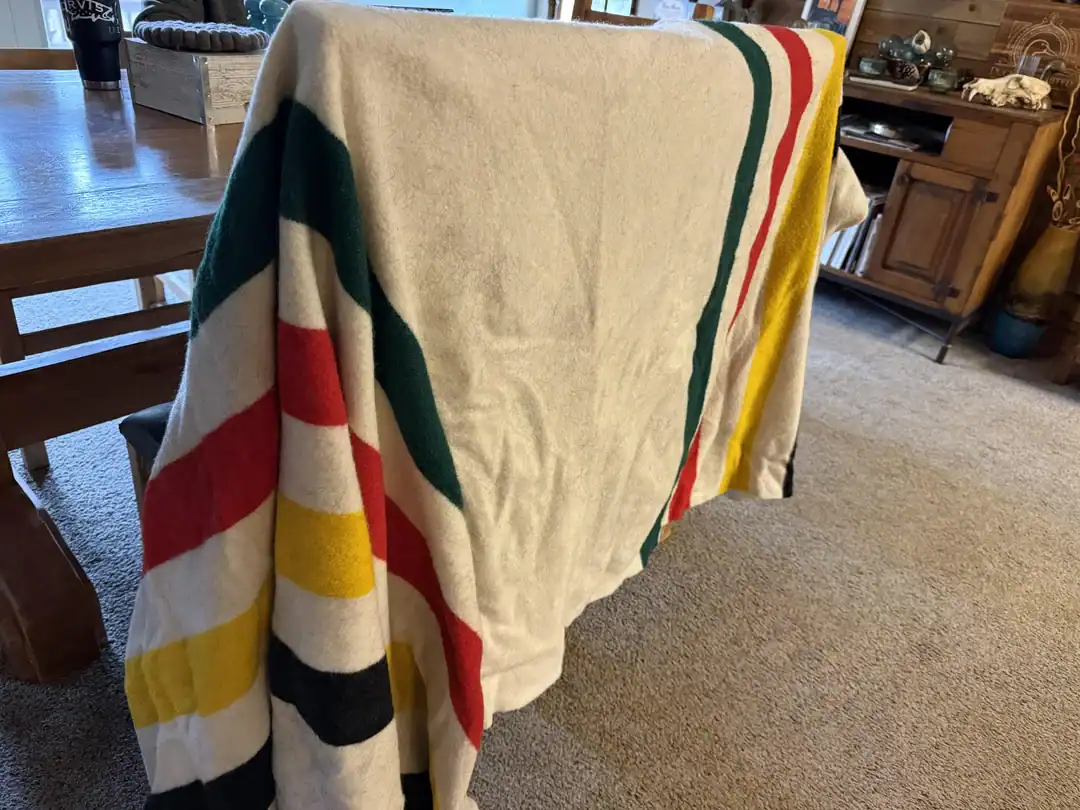
Many crocheters and knitters avoid wool because they believe it is always scratchy, difficult to wash, or likely to shrink. While those concerns can be valid for certain yarns, they do not apply to every type of wool. In her practical guide, Tuula Maaria from Crochet with Tuula Maaria explains how wool yarns differ, why some can be machine washed, and how to choose the right option for a project.
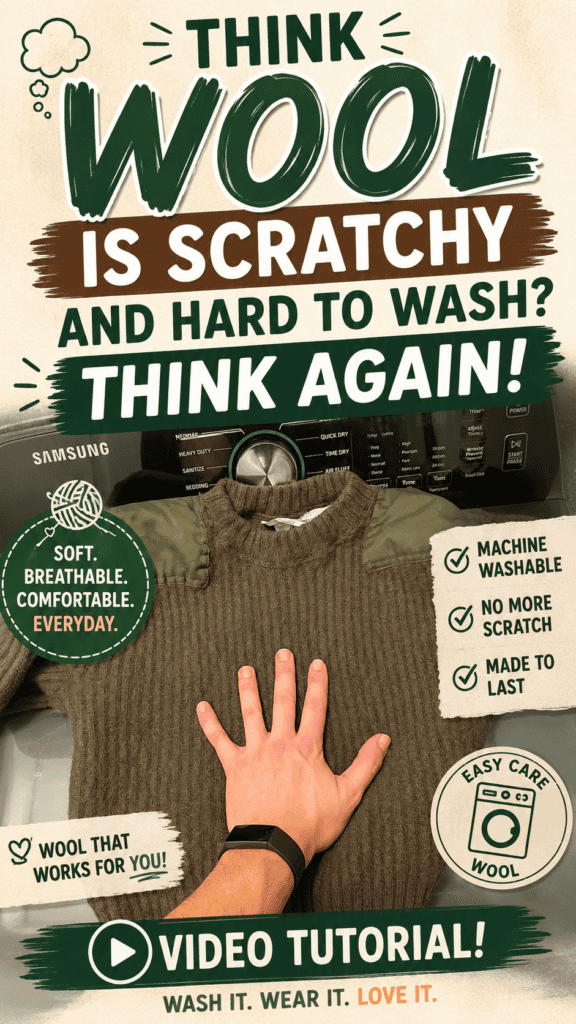
Her overview focuses mainly on sheep’s wool rather than fibers such as alpaca, camel, or angora. She also approaches the subject from a practical crafting perspective, helping makers understand how wool behaves in everyday crochet and knitting projects.
Not All Wool Yarn Is the Same
One of the biggest misconceptions about wool is that it belongs to a single category. In reality, wool yarn can vary greatly in softness, strength, washability, texture, and fiber content.
Some wool is untreated and suitable for felting. Other wool is specially processed so that it can be washed in a machine without shrinking. There are also wool blends designed for durability, lightweight garments, socks, baby items, and decorative projects.
Tuula divides wool yarns into several practical groups based on how they should be used and cared for.
Untreated Wool
Untreated wool is the type many people imagine when they think of traditional wool yarn. It is usually made from 100% wool that has not been processed to prevent shrinking or felting.
Why Untreated Wool Can Felt
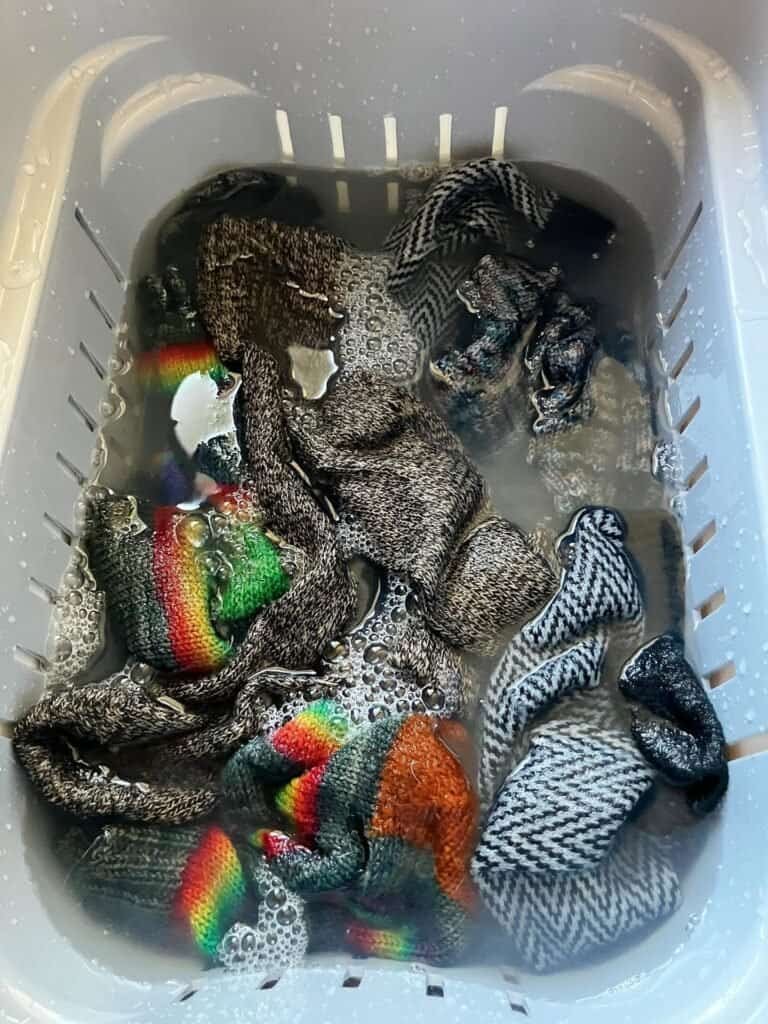
Natural wool fibers have a surface structure that allows them to lock together when exposed to moisture, heat, and agitation. As a result, untreated wool may shrink and become felted in a washing machine.
This behavior can be a disadvantage when accidental, but it can also be used intentionally.
For a felted project, the maker creates an item much larger than the desired finished size. The piece is then washed so that the fibers shrink and bond together, producing a dense felted fabric.
Untreated wool can work especially well for:
- Felted bags
- Slippers
- Baskets
- Potholders
- Decorative containers
Does Untreated Wool Need Frequent Washing?
Tuula points out that pure wool often needs much less washing than people assume.
A real wool sweater may only need to be washed once or twice a year, depending on how it is worn. In many cases, simply airing the garment outside helps freshen it.
Small stains can often be cleaned locally by hand instead of washing the entire item. This makes untreated wool more practical than it may first appear, especially for garments that are not worn directly against the skin every day.
Superwash Wool
Superwash wool is still real wool, but it has been treated so that it is less likely to felt or shrink.
This treatment makes the yarn easier to care for and more suitable for items that need regular washing.
Why Superwash Wool Is So Useful
Superwash wool can usually be cleaned using a washing machine’s wool cycle, provided the yarn label allows it. It maintains many of wool’s natural advantages while offering more convenient care.
This makes it a good choice for:
- Baby clothes
- Hats
- Socks
- Sweaters
- Cardigans
- Everyday accessories
Tuula highlights baby merino as a particularly practical option. Baby garments may require frequent washing, so a soft, machine-washable wool can offer both warmth and convenience.
Superwash Wool Comes in Many Forms
Superwash wool is not limited to one thickness or texture.
It may be:
- Fine or bulky
- Smooth or fluffy
- Tightly spun or loosely spun
- Single-ply or multi-ply
- Soft enough for sensitive skin
Some yarns are tightly spun, making them less likely to split while crocheting. Others may have a ribbon-like or fluffy structure that creates a very different finished fabric.
Merino Wool and Softness
Merino is often considered one of the softest types of sheep’s wool, although softness can still vary from one yarn to another.
Tuula frequently uses merino wool because it feels pleasant in the hands and works well for close-up crochet demonstrations. It can also be suitable for garments worn near the face, neck, or arms.
However, the word “merino” alone does not guarantee that every yarn will feel identical. Spinning method, fiber length, processing, and overall quality all affect the final texture.
Sock Wool Is Not Just for Socks
Sock wool usually contains mostly wool combined with a strengthening fiber.
The wool content is often between 70% and 85%, while the remaining portion may include polyamide, nylon, Tencel, or another durable fiber.
Why Sock Yarn Contains Other Fibers
Socks experience repeated friction and pressure, so pure wool may wear out more quickly in high-use areas. Added fibers help the yarn resist abrasion and last longer.
Although it is called sock wool, it can be used for much more than socks.
Tuula mentions using sock yarn for garments such as cardigans. Its warmth, durability, and machine washability make it suitable for many crochet and knitting projects.
Sock wool can be a practical choice for:
- Sweaters
- Cardigans
- Mittens
- Hats
- Children’s clothing
- Everyday accessories
Why Some Wool Feels Scratchy
Wool is often blamed for feeling rough, but there are several reasons why one yarn may feel scratchier than another.
Fiber Quality
Poor-quality yarn may contain short fibers that stick out from the strand. These loose fiber ends can create a rough or prickly sensation against the skin.
The way the yarn is spun also affects how it feels. A smoother, more evenly spun yarn may be far more comfortable than a coarse yarn made from shorter fibers.
The Type of Sheep
Different sheep breeds produce different kinds of wool.
Some breeds produce fine, soft fibers, while others create stronger and coarser wool. Rougher wool may still be valuable for outerwear or traditional sweaters designed to be worn over other clothing.
A sturdy wool does not need to feel soft against bare skin if the finished garment is intended to be layered.
Wool Blends Offer More Options
Wool can also be mixed with other fibers to change its performance.
One useful example is a cotton-merino blend. A yarn made with roughly equal amounts of cotton and merino can create a lighter fabric that still offers some warmth and softness.
This type of blend may be ideal for:
- Lightweight sweaters
- Transitional-season cardigans
- Indoor garments
- Soft accessories
Other blends may include acrylic, glitter fibers, or only a small percentage of wool. A yarn with 20% wool and a higher acrylic content will behave very differently from a 100% wool yarn.
What About Wool Sensitivity?
Some people are genuinely allergic or sensitive to wool, and their experience should not be dismissed.
However, Tuula suggests that some people who believe they cannot wear wool may only have encountered coarse or low-quality yarn.
Trying a softer option, such as fine merino or a cotton-merino blend, may produce a very different result. Any testing should be done carefully, especially for people with known skin sensitivities.
How to Choose the Right Wool Yarn
The best wool depends on the project.
For felted items, untreated wool is the natural choice. For baby clothes or frequently washed garments, superwash wool is more convenient. Sock wool offers extra strength, while merino and merino blends are often selected for softness.
Before beginning, makers should always check:
- Fiber content
- Washing instructions
- Recommended hook or needle size
- Yarn weight
- Intended use
- Desired softness and durability
The yarn label provides essential care information and should guide how the finished item is washed.
Conclusion
Wool is far more versatile than its reputation suggests. It is not always scratchy, and it is not always difficult to wash. Some wool is designed for felting, some is machine washable, and some is blended with other fibers for strength, softness, or lighter weight.
As Tuula Maaria from Crochet with Tuula Maaria explains, choosing wool becomes much easier once makers understand the main categories. By considering fiber quality, treatment, washability, and intended use, crocheters and knitters can find a wool yarn that is comfortable, practical, and perfectly suited to their project.