How small can a watercolor palette be while still being practical? Many artists search for tools that are light, portable, and easy to carry.
Jess Karp, a professional artist, recently tested a set of tiny watercolor palettes that claim to be both functional and adorable.
In this article, you discover her impressions, tips, and lessons from using them. Let’s see if they are worth adding to your art kit.
Contents
- 1 First Impressions of the Tiny Watercolor Palette
- 2 Why Choose a Compact Watercolor Palette?
- 3 Unique Design Features of the Tiny Watercolor Palette
- 4 Choosing Watercolor Pigments for a Travel Palette
- 5 Swatching and Testing the Tiny Watercolor Palette
- 6 Painting on Location with a Mini Watercolor Palette
- 7 Pros & Cons of Tiny Watercolor Palettes
- 8 Final Thoughts
First Impressions of the Tiny Watercolor Palette
When you first hear about a palette so small, you may wonder if it can hold enough paint. Jess Karp highlights her first thoughts on the design.
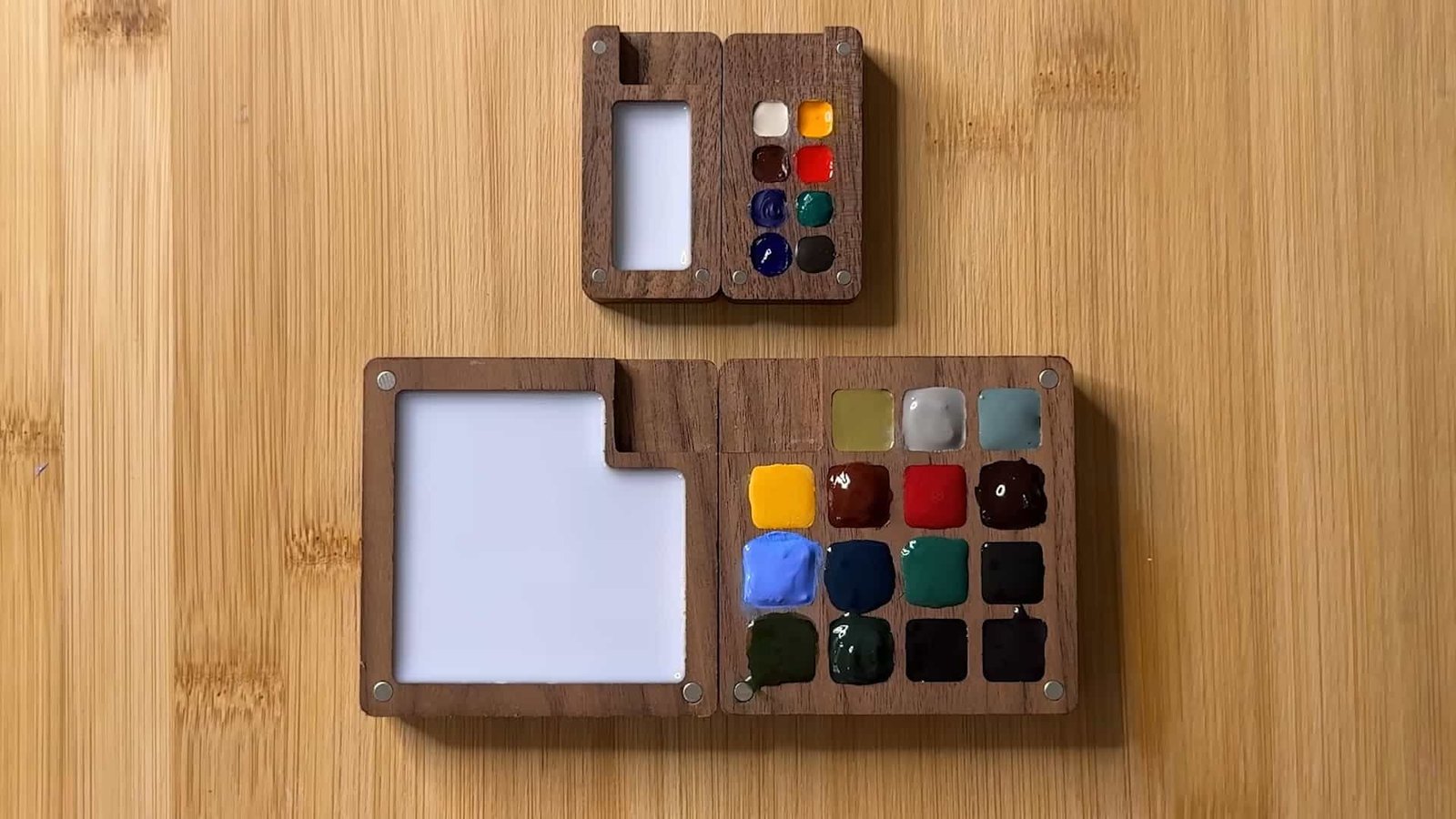
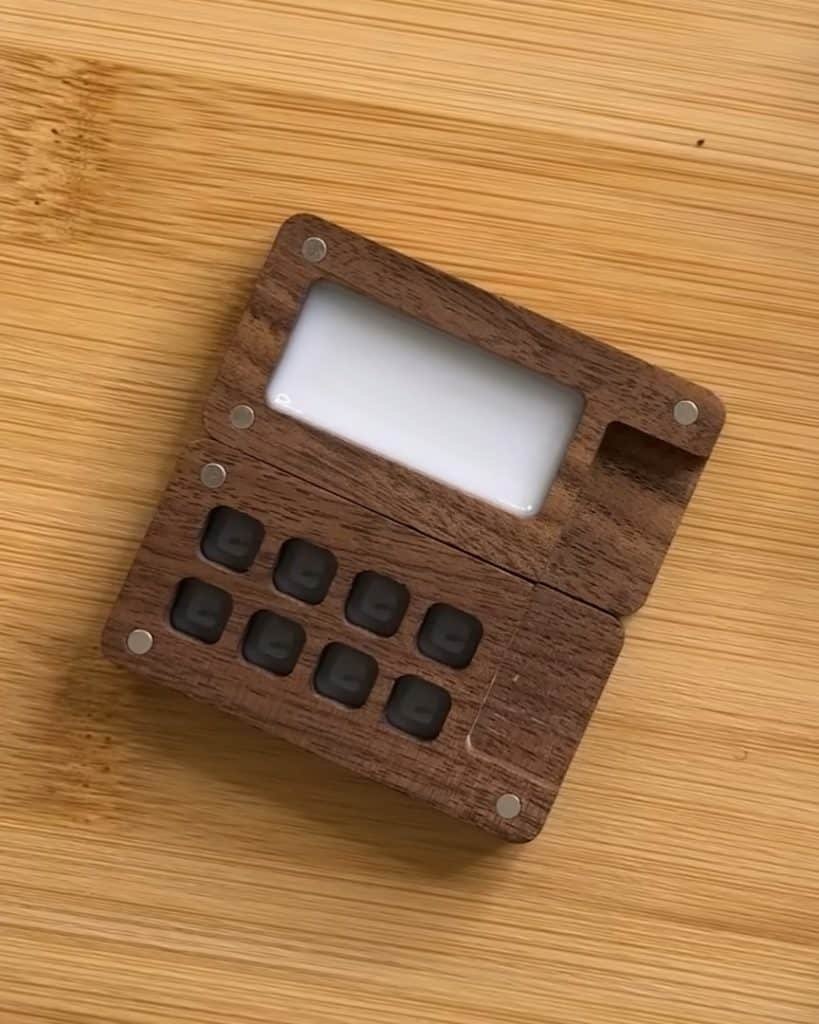
She notices that the palettes are ultra compact, lightweight, and wooden. The design uses clever magnets on the sides, making them simple to open and close.
She feels drawn to them immediately because they are not only functional but also aesthetically pleasing. According to her, their beauty makes you want to use them more often.
Why Choose a Compact Watercolor Palette?
Before going further into the details, it is important to understand why an artist would even consider switching to a tiny palette. Jess explains her reasons.
Tiny Palettes vs. Traditional Tin Watercolor Palettes
Many artists use the traditional tin palette with half pans. Jess Karp has relied on one for years.
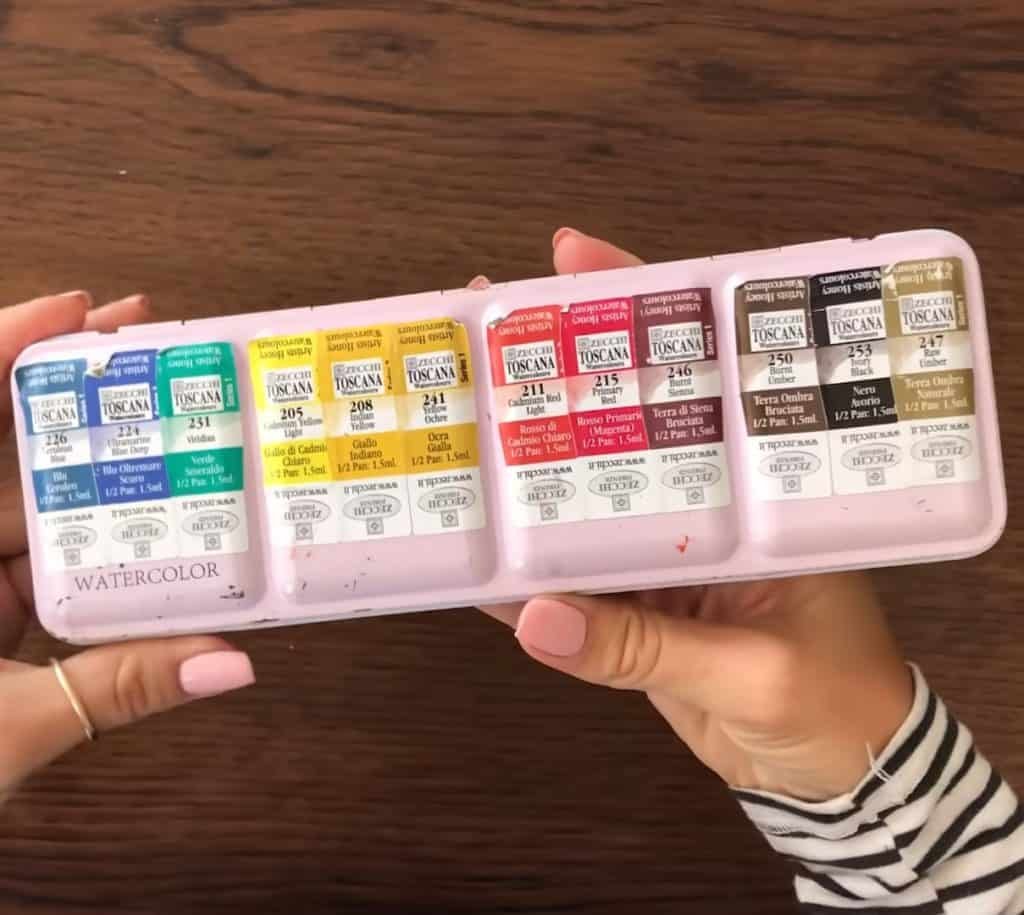
She has filled it with her favorite pigments and used it for countless sketches. However, over time, the palette began to feel worn out.
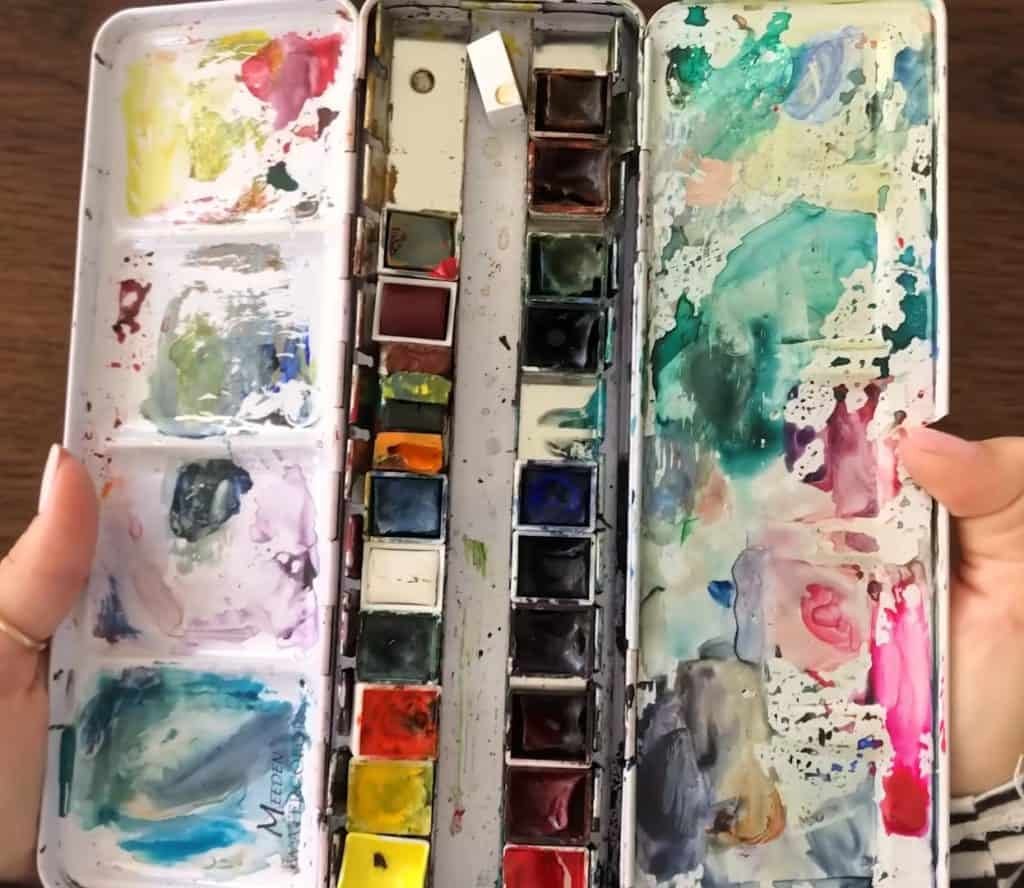
She also notices a limitation: tin palettes, while practical, are bulky for travel. For a long trip, especially by plane, carrying something so big is not convenient. It’s what makes a compact option so attractive.
Travel-Friendly Watercolor Setup for Artists
Jess shares that she has her first solo adventure ahead. Traveling by plane means she must keep her supplies light and minimal. A tiny palette seems like the right choice.
She explains that when you travel by car, packing extra art materials is easier. On a plane, every item must be carefully chosen. That’s when she decides to give this compact design a try.
Unique Design Features of the Tiny Watercolor Palette
Now that you know why Jess gives these palettes a chance, let’s look at what makes them different.
Wooden Watercolor Palette Construction
Unlike common palettes made of plastic or metal, tiny palettes are crafted from wood. Jess admires the natural look and the durability.
The material feels more unique and artistic compared to the standard tin palette.
Magnetic Watercolor Palette Clips
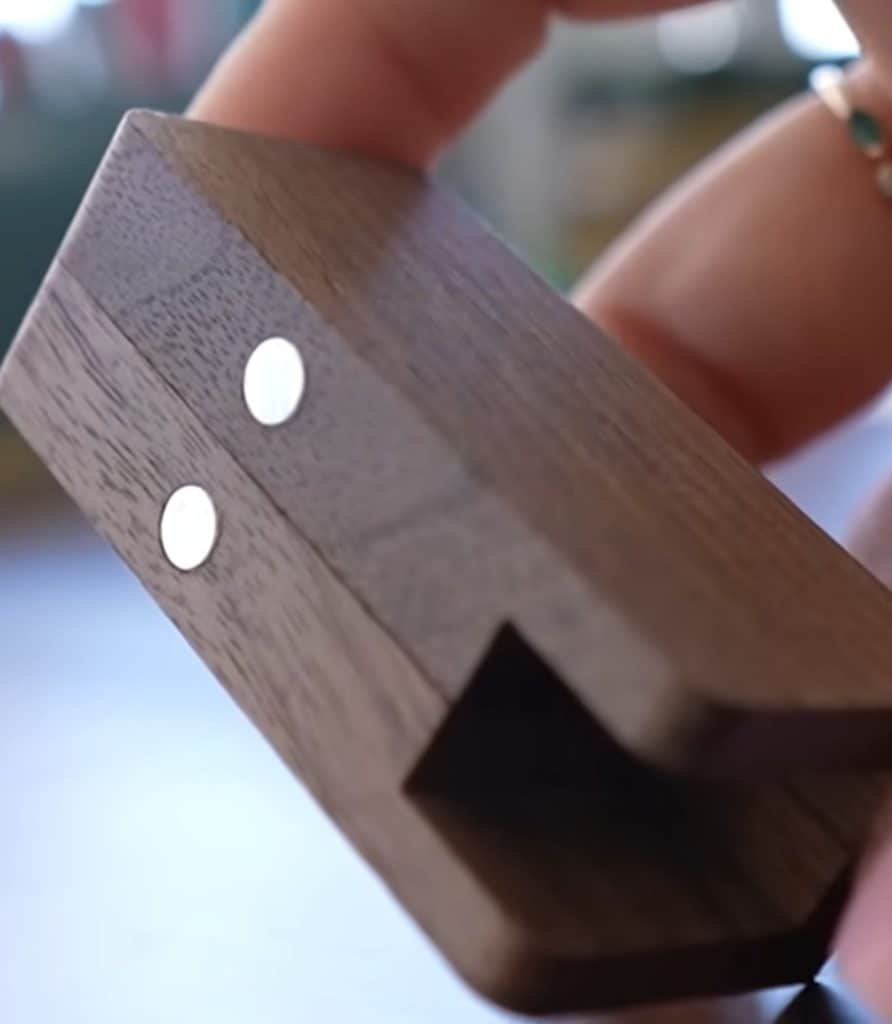
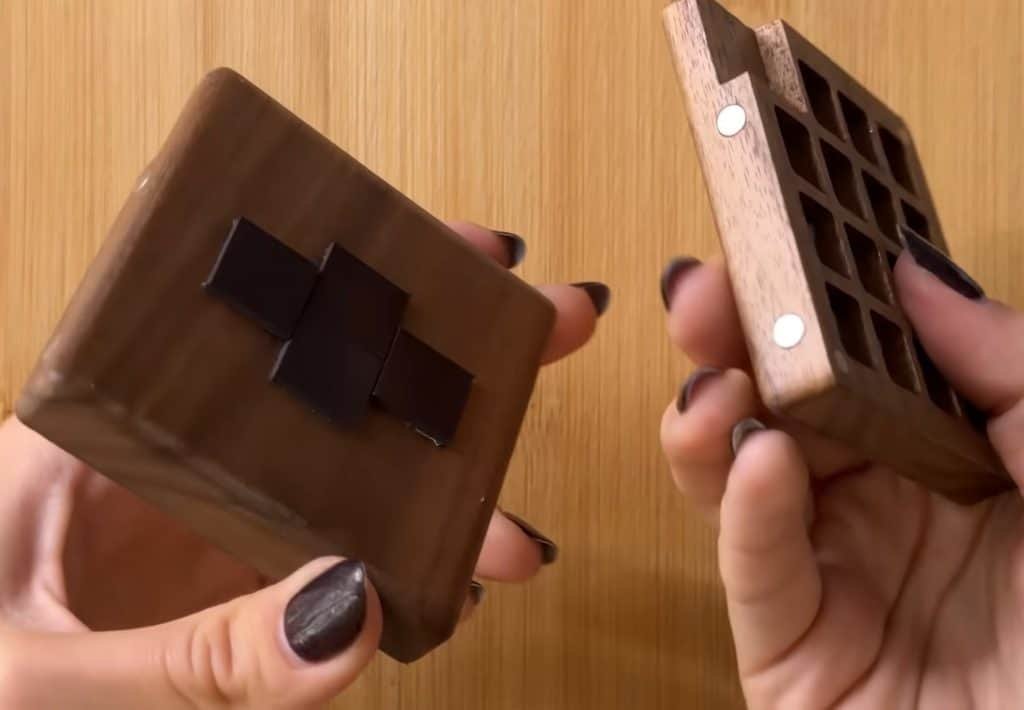
The palettes also use magnetic clips. They are helpful when you want to close or attach the palette to a sketchbook.
With magnets on the sides, the palettes open and shut with ease. From her experience, Jess finds the design clever and functional.
Small vs. Large Palette Options
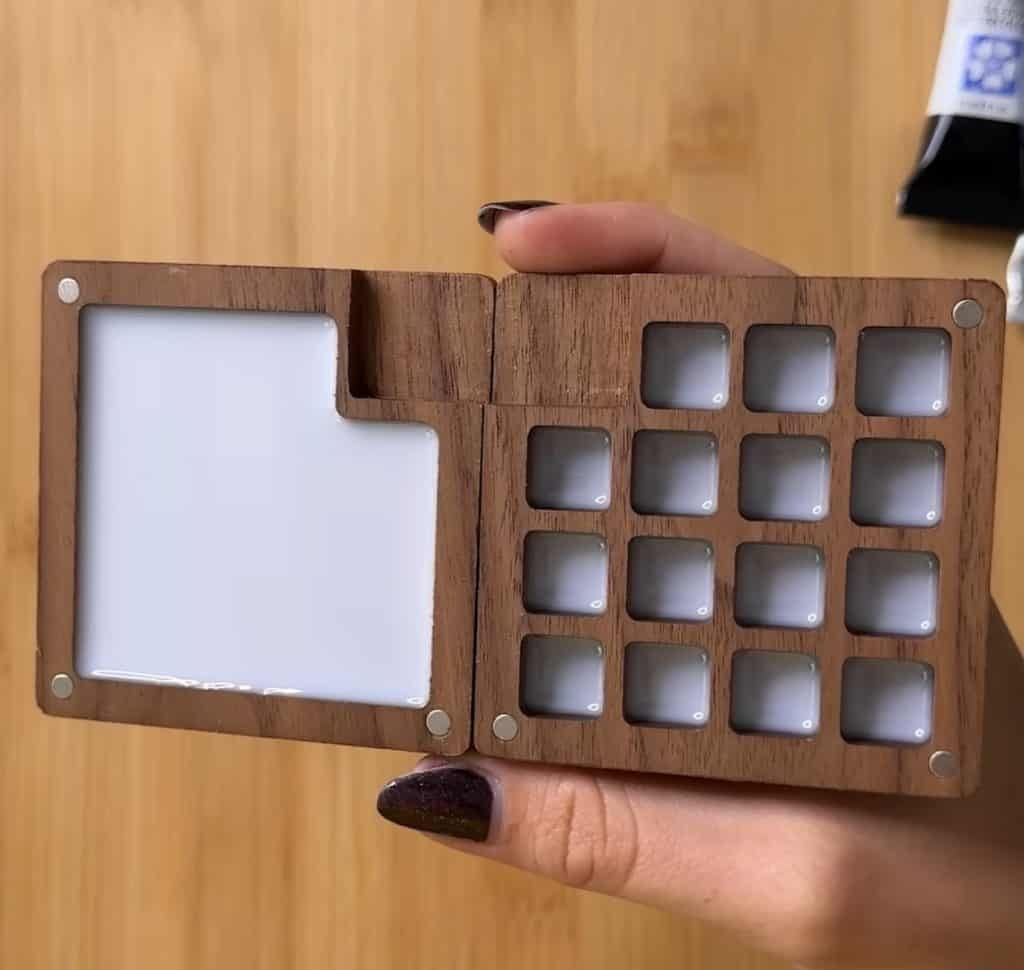
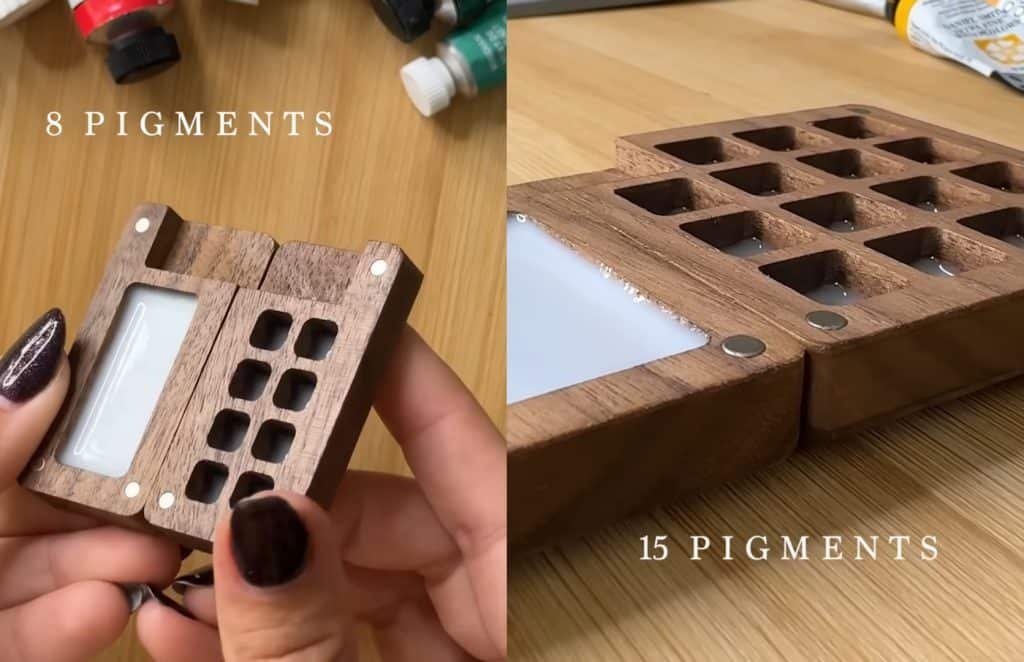
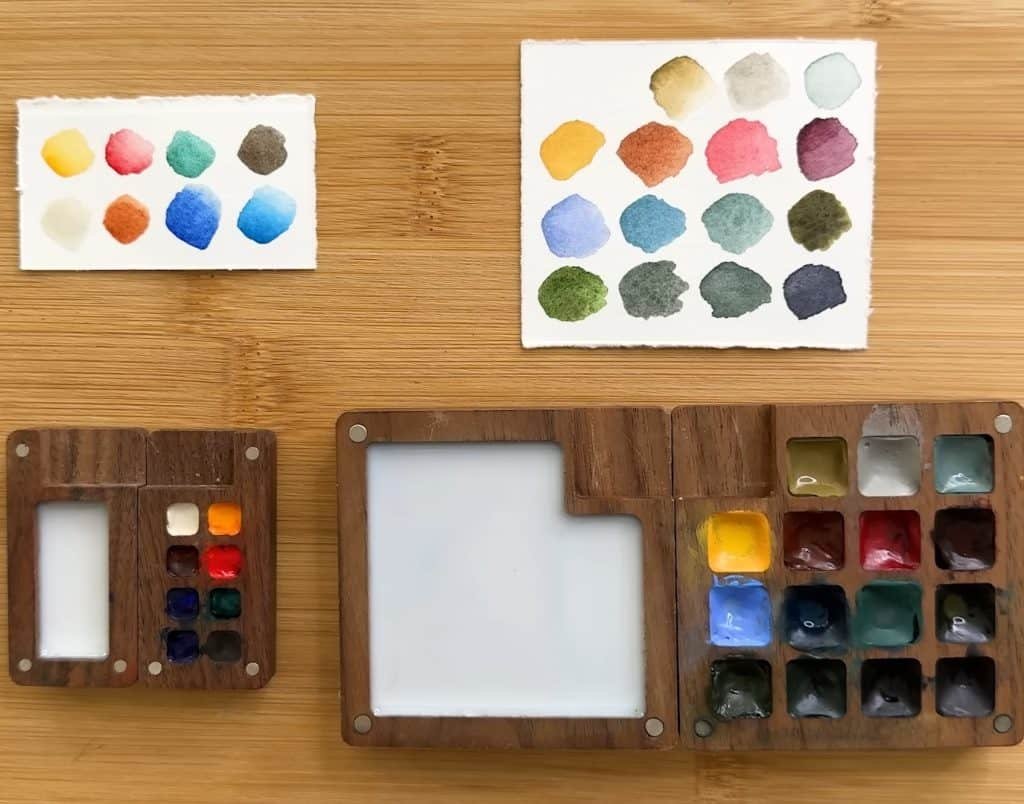
Jess finds that tiny palettes often come in two sizes:
- The tiny palette that holds 8 pigments.
- The larger palette holds 15 pigments.
Both are impressive in capacity compared to their size. She feels these options give artists flexibility depending on how many colors they want to carry.
Choosing Watercolor Pigments for a Travel Palette
Now comes the hard part: deciding which pigments to include. Jess shows her method step by step.
Building a Basic Travel Watercolor Palette
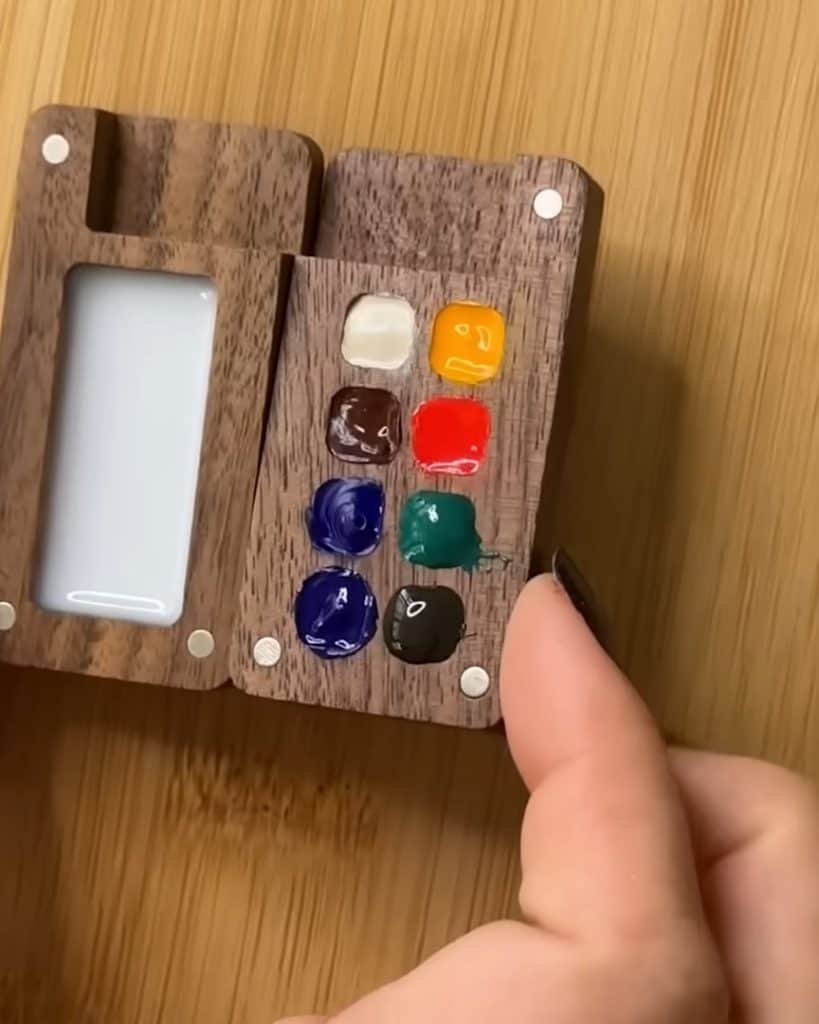
Jess starts with a basic palette. She includes warm and cool primary colors so she can mix many tones. Instead of bright lemon yellow, she picks new gamboge.
She also adds buff titanium for the first time. For earthy tones, she chooses transparent brown oxide, which fits her love for orangey browns.
She even experiments with mixing pigments. It is new for her, but she feels it adds flexibility.
Creating a Creative and Inspiring Palette
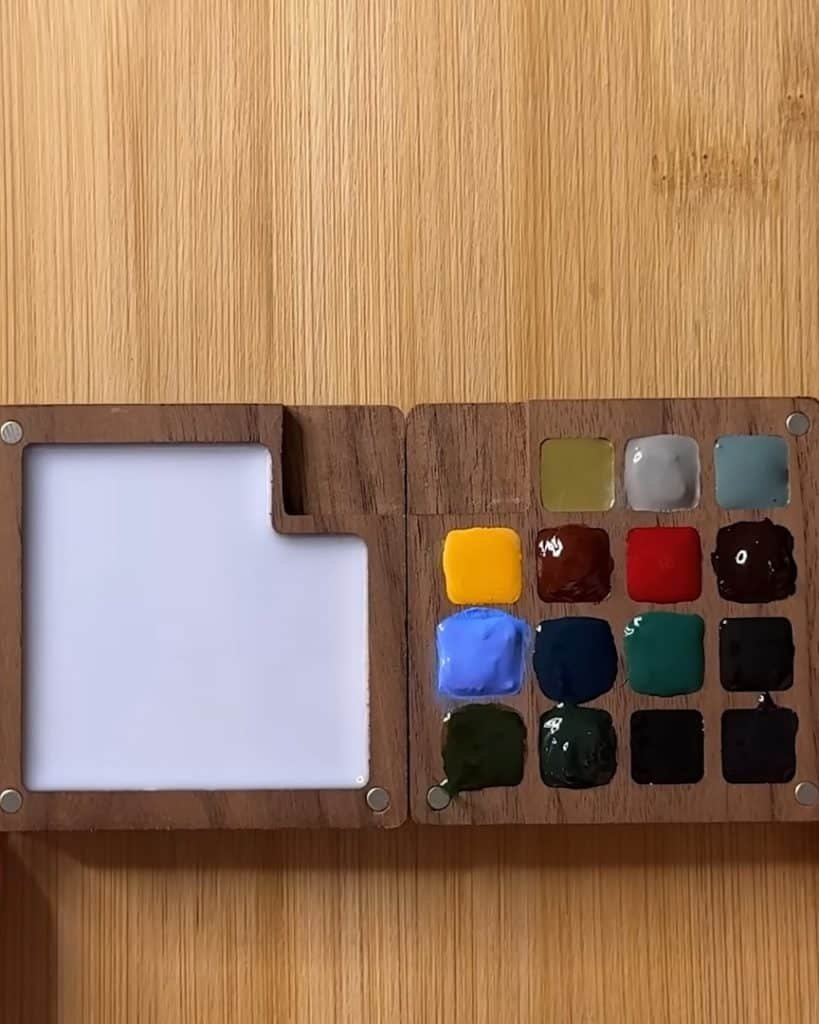
For her second palette, Jess takes a different approach. She uses colors from a recent art haul. The pigments are brighter and granulating, which adds texture to her paintings.
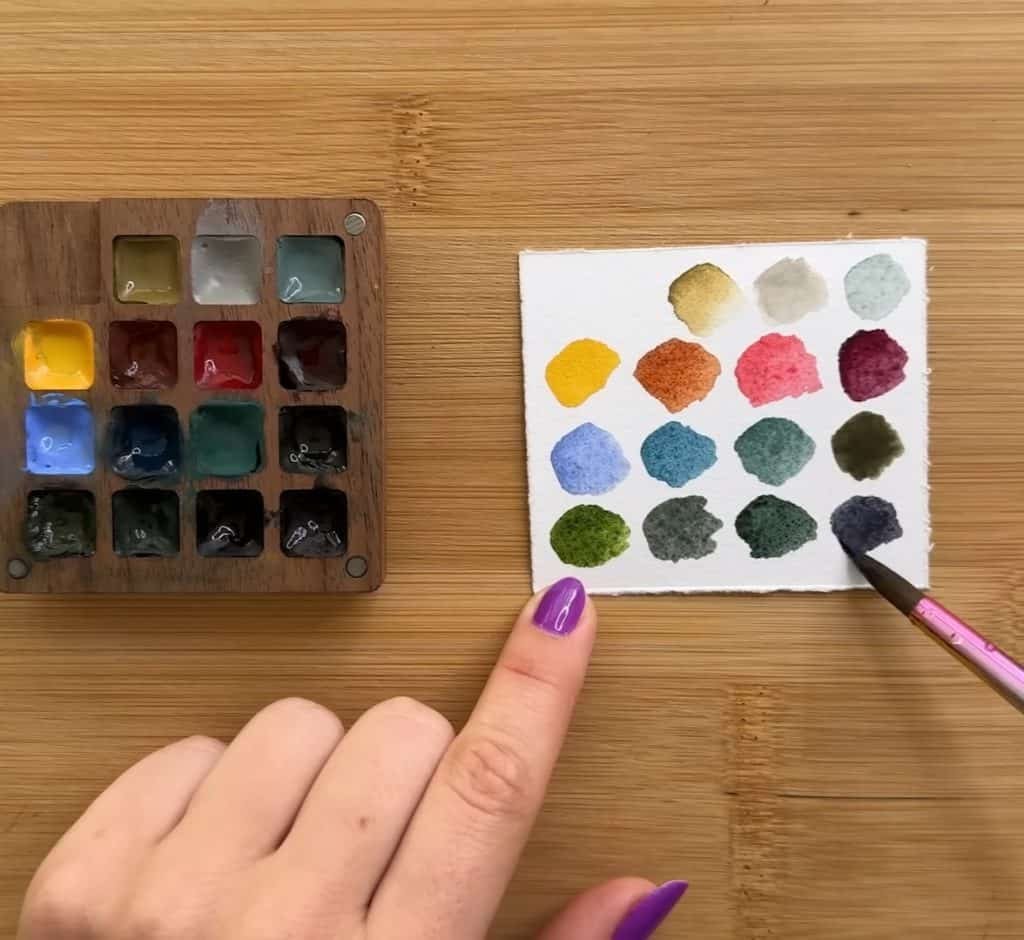
She spreads out all her swatches to compare them. She explains that making swatches helps you know your pigments better. It is not just practical; it also feels therapeutic.
Tips for Filling Watercolor Pans
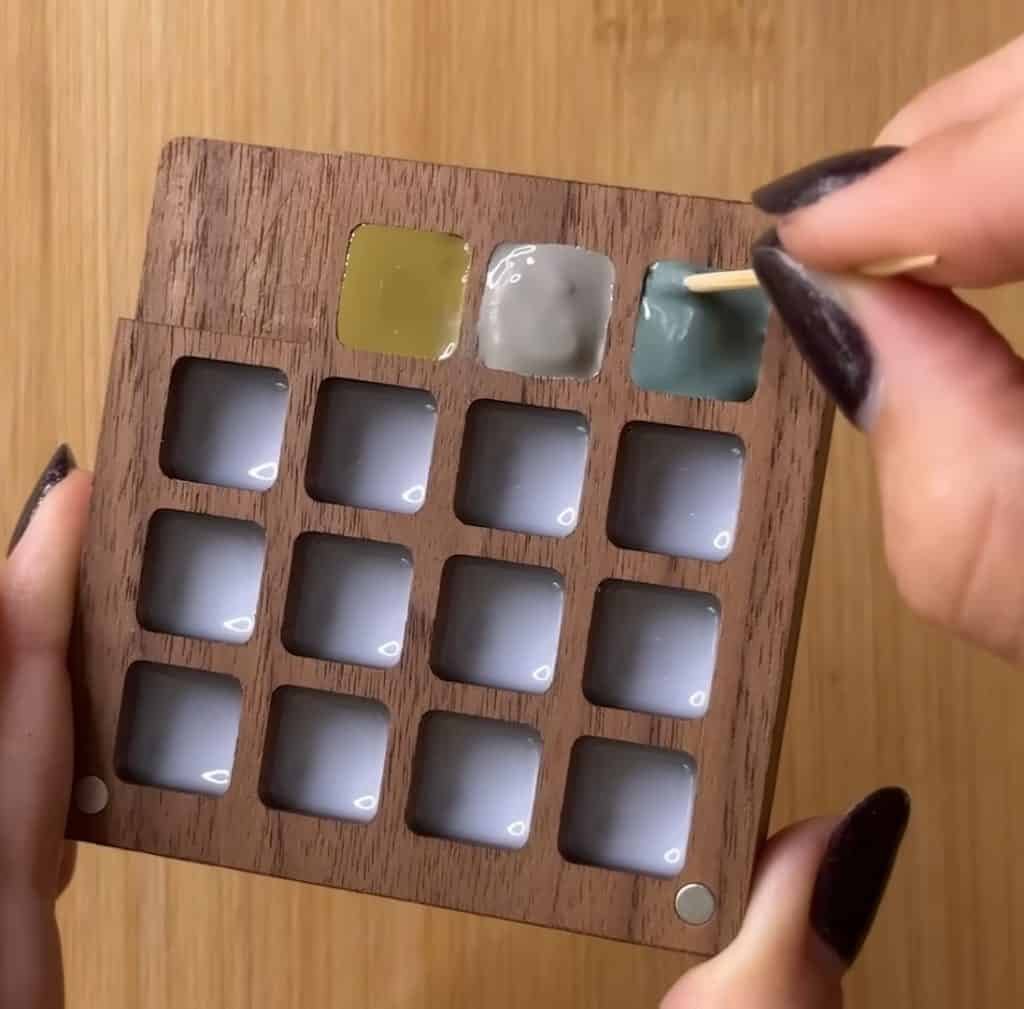
Filling pans requires patience. Jess recommends:
- Overfilling slightly since paint shrinks as it dries.
- Using toothpicks to remove air bubbles and spread paint evenly.
- Changing toothpicks to avoid mixing colors by mistake.
She reminds you to enjoy the process. Setting up a palette can feel like a creative ritual.
Swatching and Testing the Tiny Watercolor Palette
Once the palettes are filled, it’s time to test them. Here’s how Jess prepares and uses them.
Making Swatches to Test Pigments
She cuts small pieces of watercolor paper to match the palette’s size. Then she swatches each pigment to see the colors side by side. Hence, she can understand how they mix and flow.
Using the Tiny Palette During Travel: Honest Reviews
Jess brings the palettes along on her first solo trip across the country to Los Angeles.
She uses her new palettes while painting on location and also while attending Lightbox Expo. She finds that traveling with the palettes proves they are practical in real conditions.
Painting on Location with a Mini Watercolor Palette
Traveling with a palette means adapting to different spaces. Here’s how Jess sets up and paints outdoors.
Setting Up a Travel Watercolor Workspace
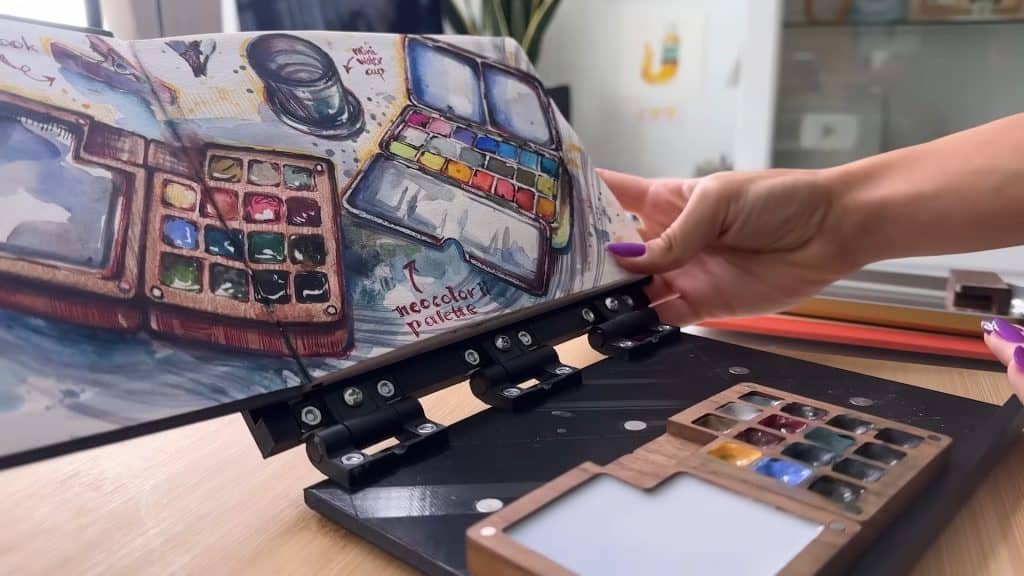
She customizes her easel with her dad’s help. With magnets on both surfaces, she snaps the palette and sketchbook together.
This setup works well in cafés, outdoor spaces, and even at events. Jess emphasizes the importance of functionality and good workflow.
Sketching and Painting Outdoors
Jess fills her first sketchbook pages with simple drawings of her supplies. She says this is a good way to overcome the “blank page” fear.
She paints the Hollywood sign and even challenges herself with panoramic landscapes. For her, painting outdoors brings both fun and new learning experiences.
Combining Watercolor with Other Tools
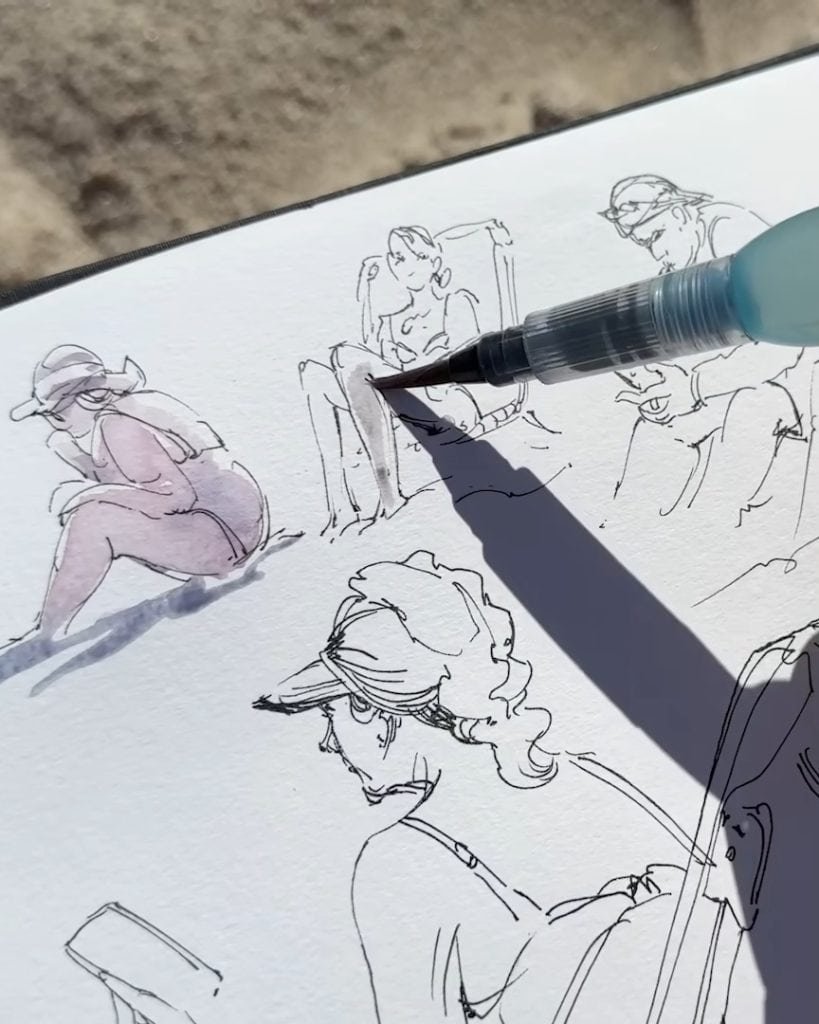
Jess often pairs her watercolors with ink. Grays in her palette provide perfect washes over ink outlines.
She also uses a water brush for fast, controlled washes.
Pros & Cons of Tiny Watercolor Palettes
Are you wondering whether tiny watercolor palettes are right for you? Let’s go through the advantages and drawbacks before deciding.
Pros
After testing tiny watercolor palettes, Jess highlights the benefits:
- Ultra-compact size and easy portability
- Holds up to 15 pigments despite being tiny
- Adorable, aesthetic wooden design
- Perfect for washes and sketchbook studies
Cons
Jess also points out many cons:
- Small mixing areas
- Shallow wells that hold less pigment
- Colors are fixed, unlike interchangeable half pans
- Can get messy with large brushes
- Requires more cleaning and maintenance
Final Thoughts
In general, Jess Karp’s review shows that tiny watercolor palettes can be both charming and functional, but they come with limits. They shine for travel and quick sketches, but they may not suit every project.
Do you value portability and intentional color choices? Tiny watercolor palettes can be a wonderful addition to your toolkit.