
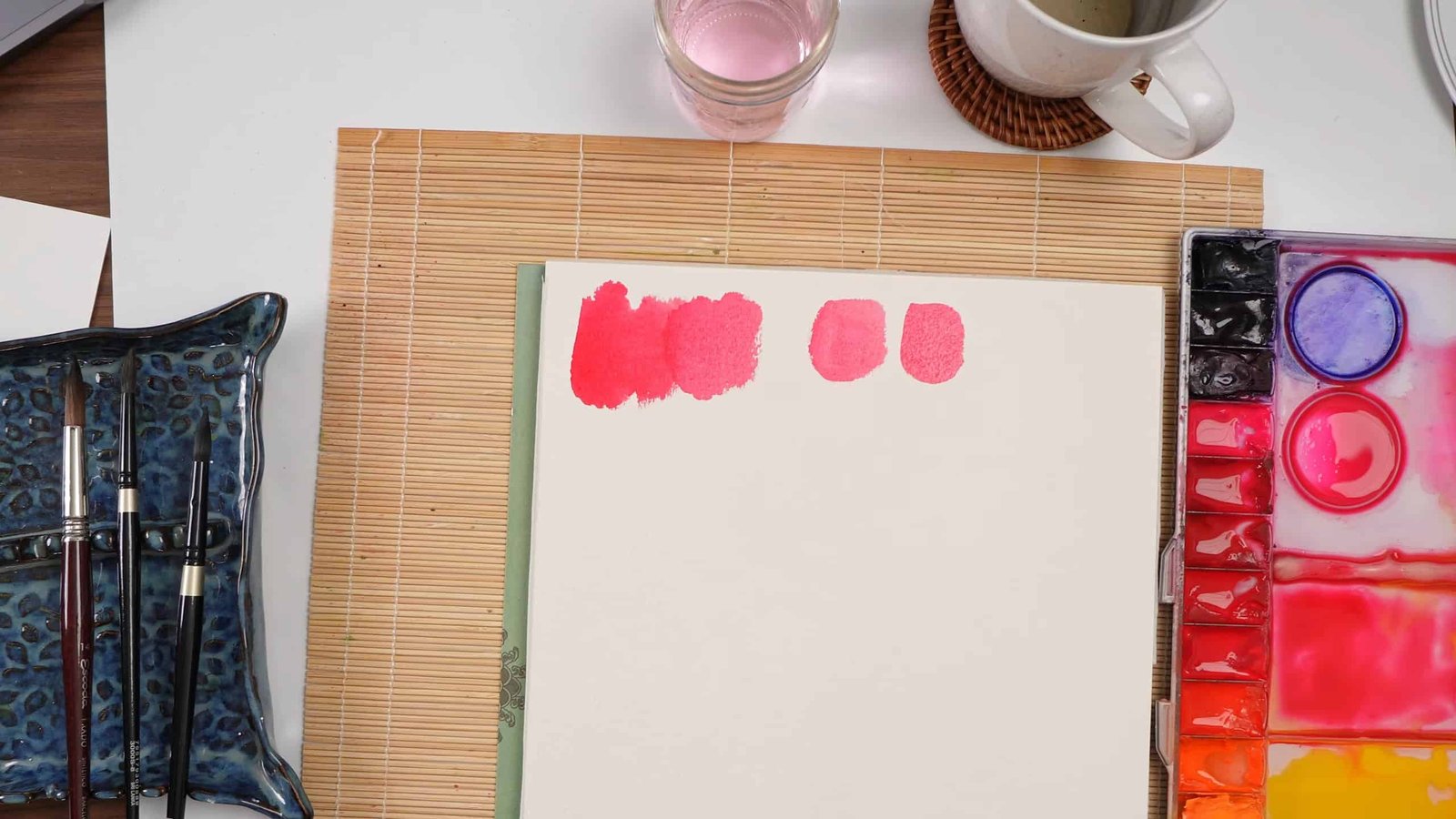
Do you feel like your watercolor paintings never come out quite right because the water just won’t behave?
Controlling water is one of the biggest challenges in watercolor painting—and Beala Art has been there too.
Today, Beala Art is sharing five bad habits that might be secretly ruining your water control, along with how she fixed each one for smoother, more predictable results every time.
Full video: https://www.youtube.com/watch?v=0igv8Q7XImA
1. Overflooding the Palette with Water
One bad habit the artist used to have was flooding the palette with too much water. When a large amount of water sits in the pigment wells, control is lost immediately.
The artist prefers having plenty of water in the mixing areas—it helps create smooth blends.
But when the pigment wells are filled with excess water, achieving the right paint consistency becomes difficult.
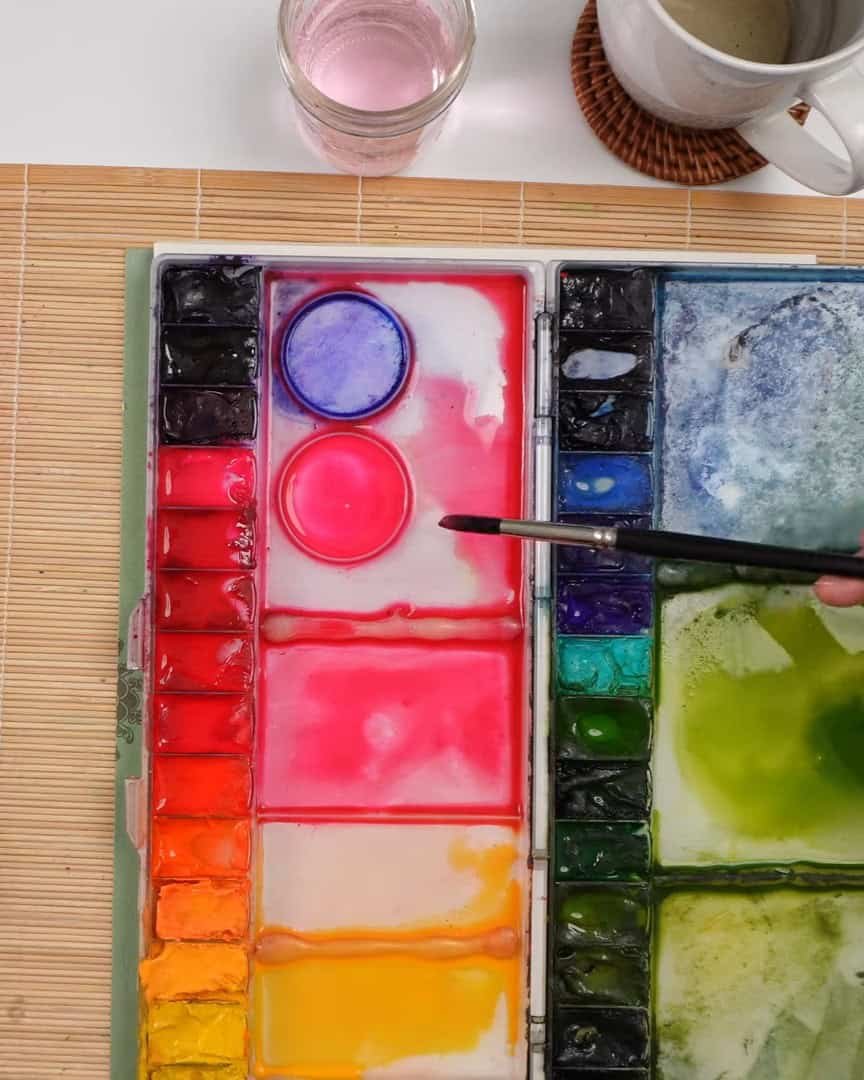
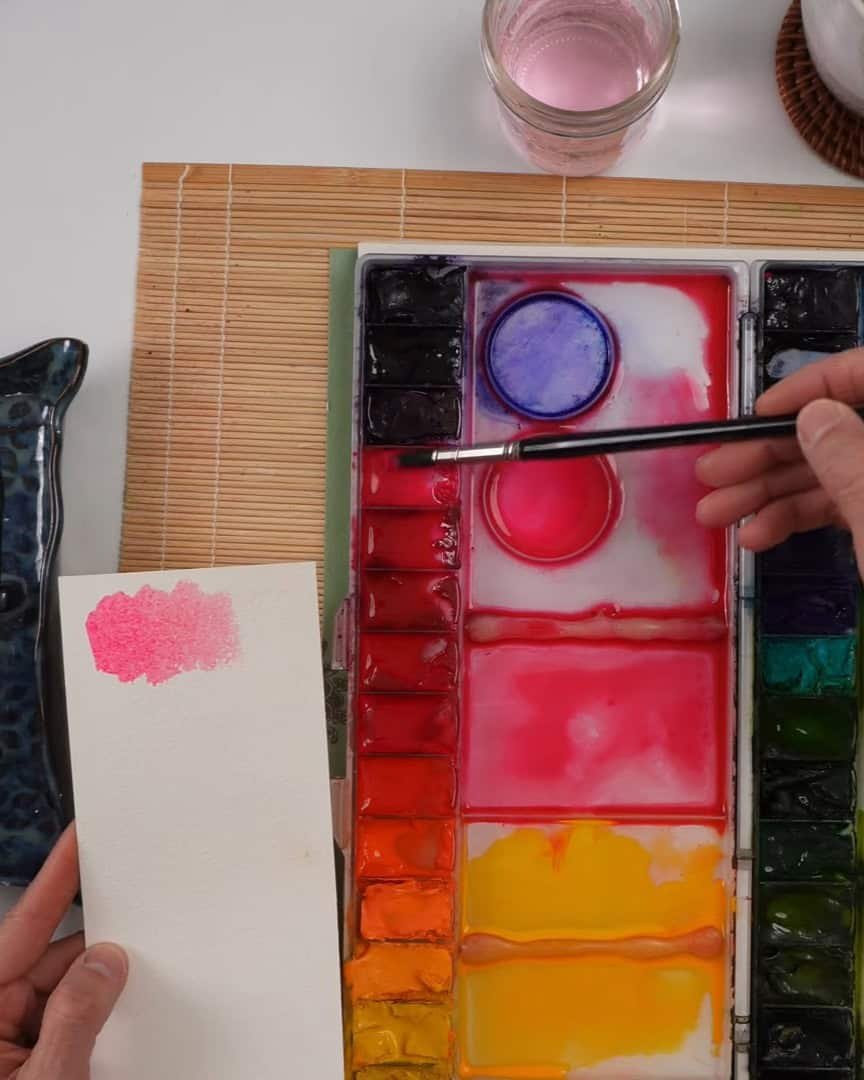
Instead, the artist lightly spritzes the paint in the wells, which creates a creamy, easy-to-use pigment. Then, just enough water is added to reach the desired consistency.
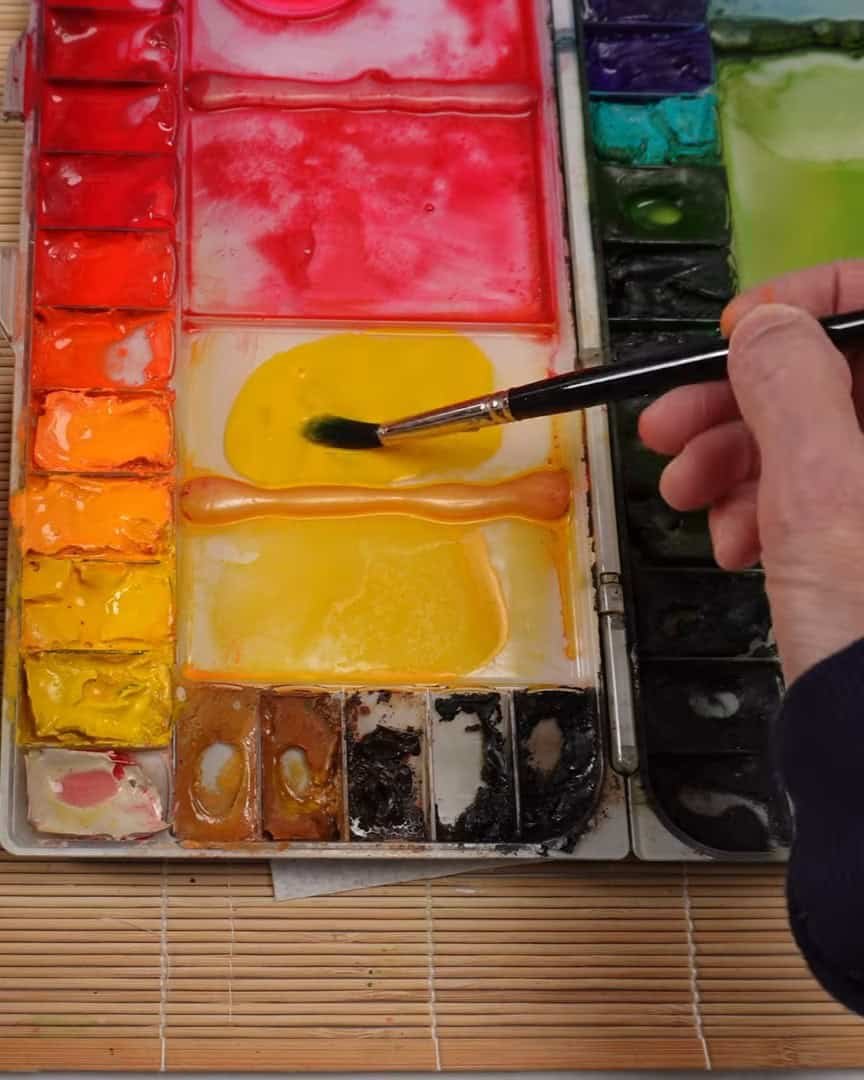
When water in the palette is excessive or uncontrolled, managing water on the paper becomes much harder.
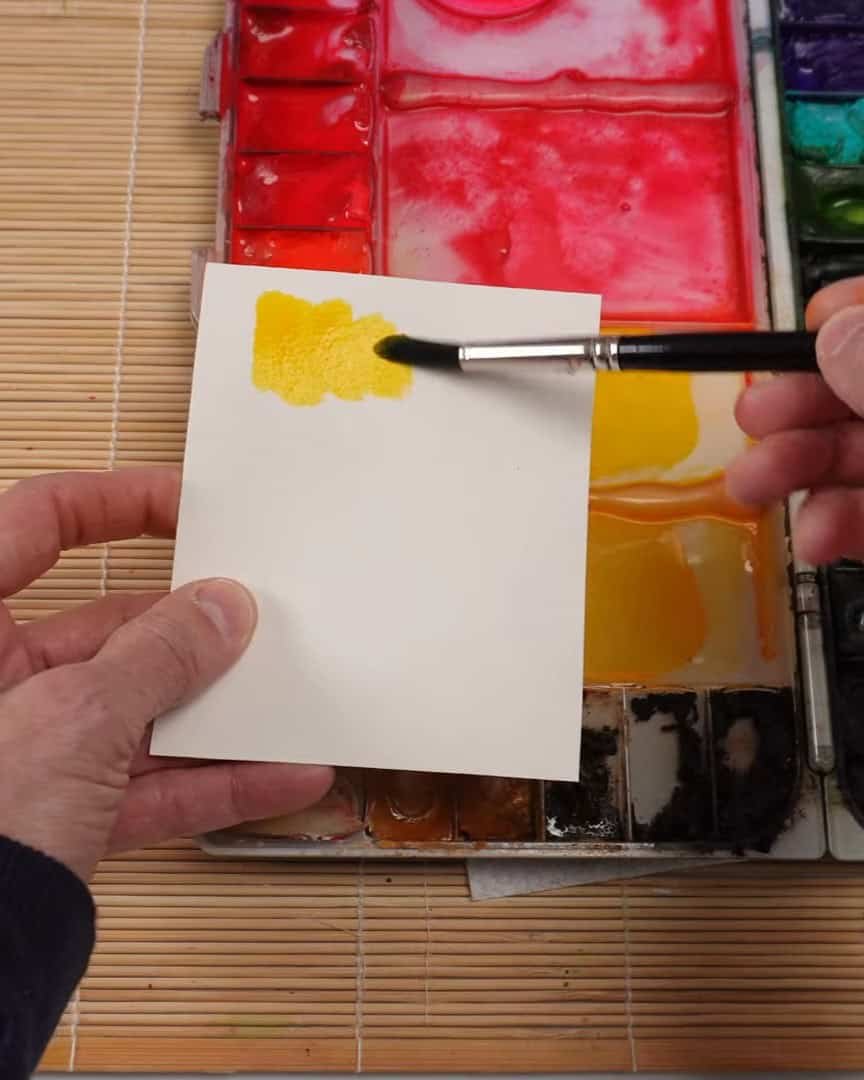
Let’s move on to mixing the right amount of paint.
#2. Not Mixing Enough Paint at the Start
Another habit the artist had to break was failing to mix enough paint at the beginning. It’s difficult to predict exactly how much will be needed, but mixing a little extra saves a lot of trouble.
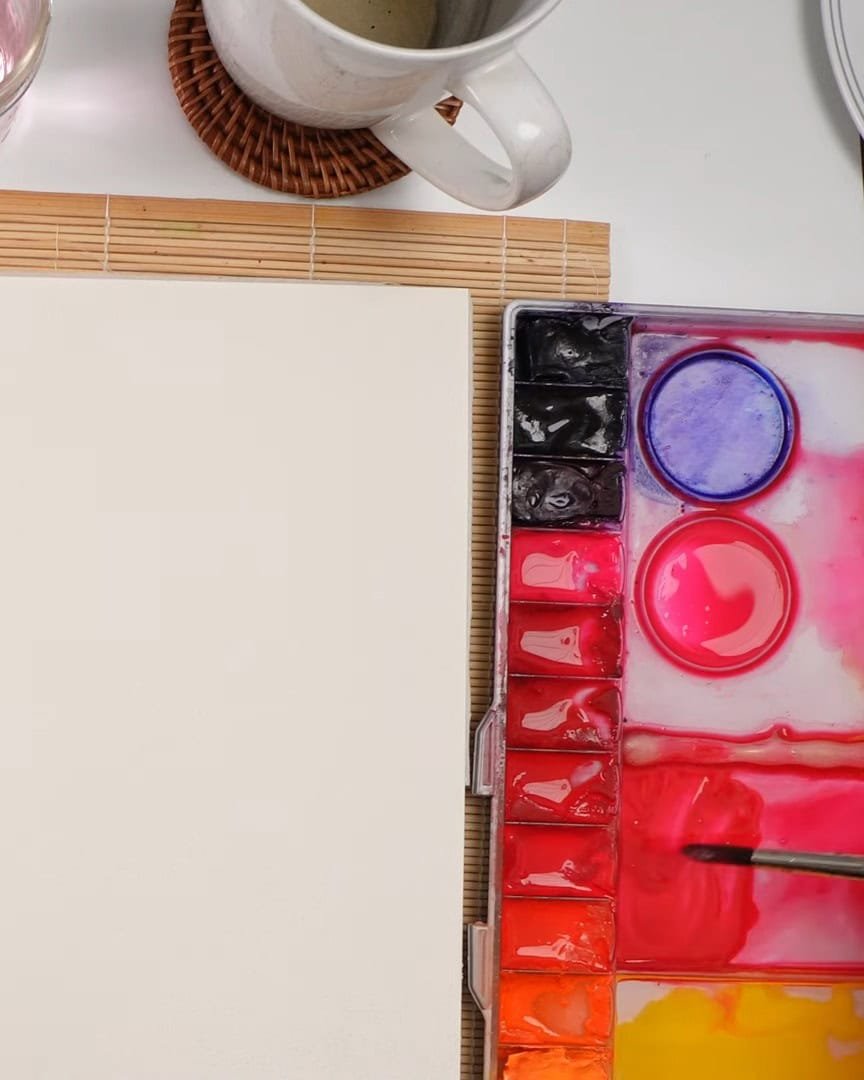
Running out of paint mid-project means remixing, and matching the original color and consistency is challenging.
If previously applied paint has begun to dry during remixing, blooms or hard lines can appear where the new paint overlaps the old.
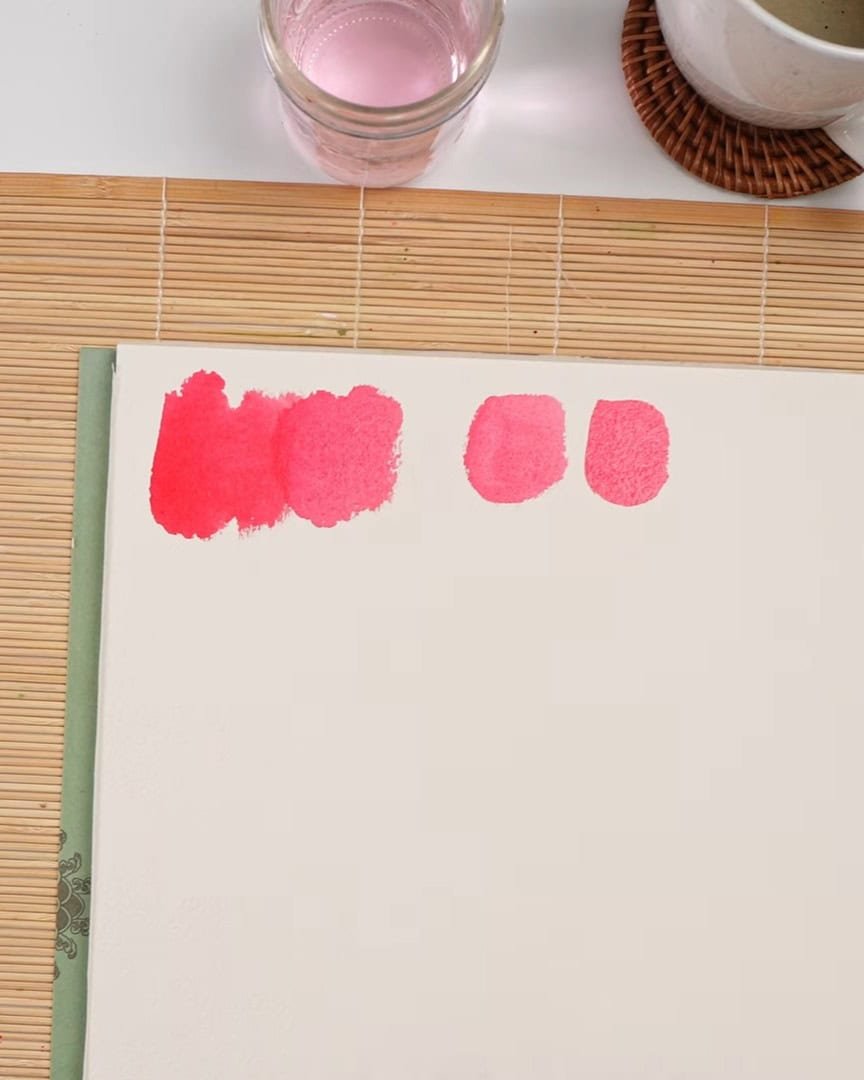
Mixing more paint than expected prevents interruptions and keeps colors smooth with soft edges.
#3. Not Drying Off the Brush Ferrule After Water Dipping
This habit may seem minor, but it makes a difference.
When the brush is dipped into the water jar and swirled around, water often climbs up into the ferrule—the metal part that holds the bristles. Small droplets sometimes form there.
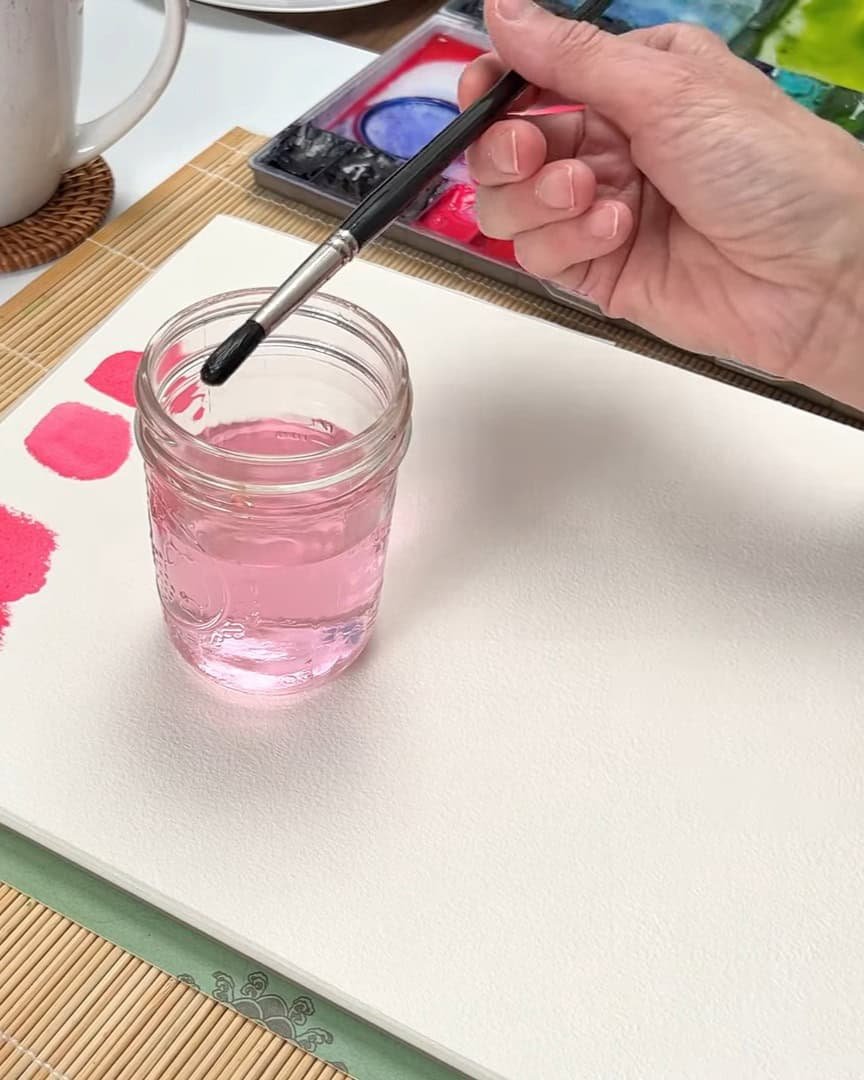
These droplets can drip into the brush while painting and change the water-to-pigment ratio without the artist noticing.
Sometimes, a droplet even falls onto the paper, creating an unwanted water spot.
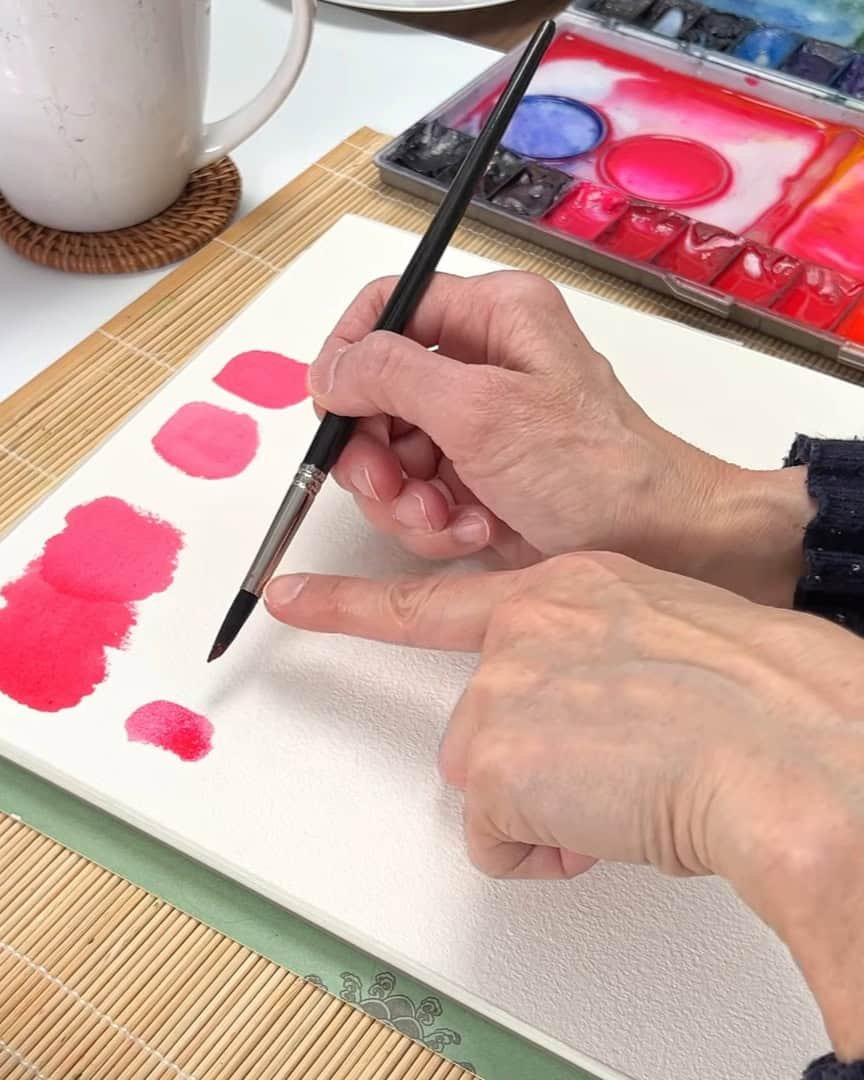
To prevent this, the artist simply wipes the ferrule with a paper towel before continuing to paint.
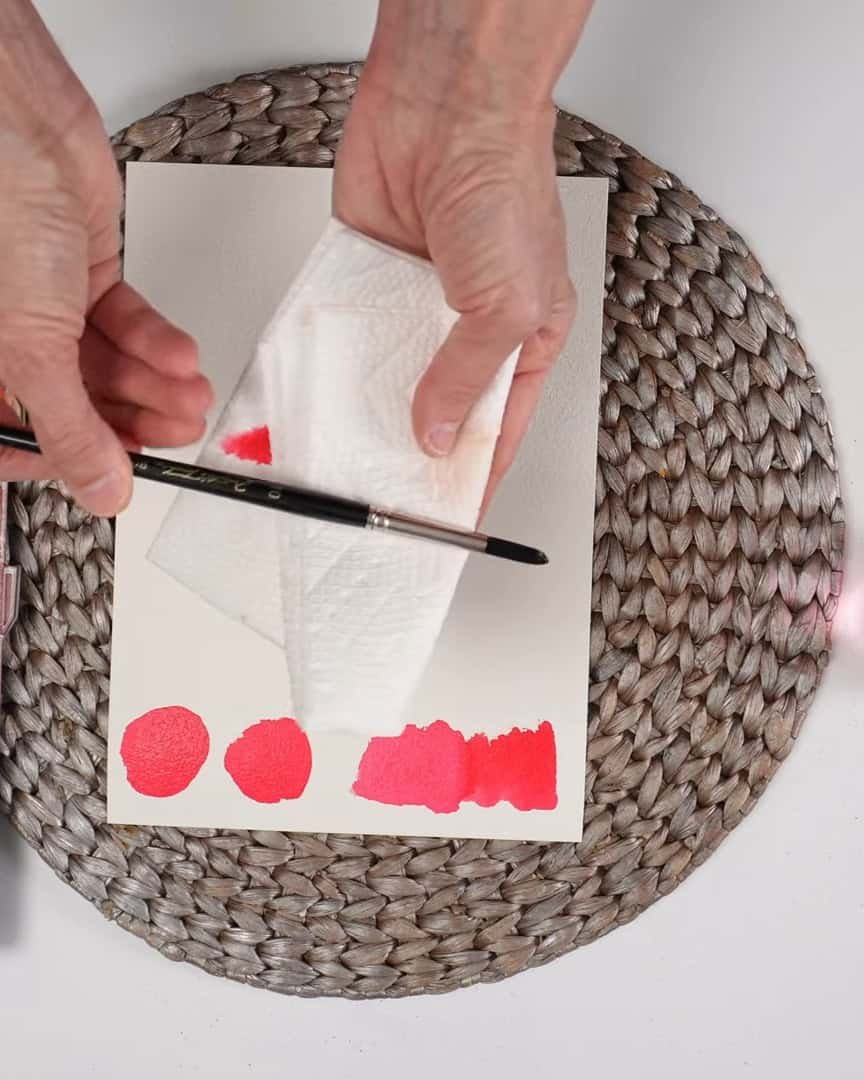
It’s an easy step that makes a big difference in keeping the artist’s water control consistent.
#4. Ignoring Water Puddles and Other Issues While Painting
Sometimes, too much water ends up on the brush or paper, creating puddles. The artist enjoys working loose and wet, so puddles don’t always cause concern. But there are times when control is needed.
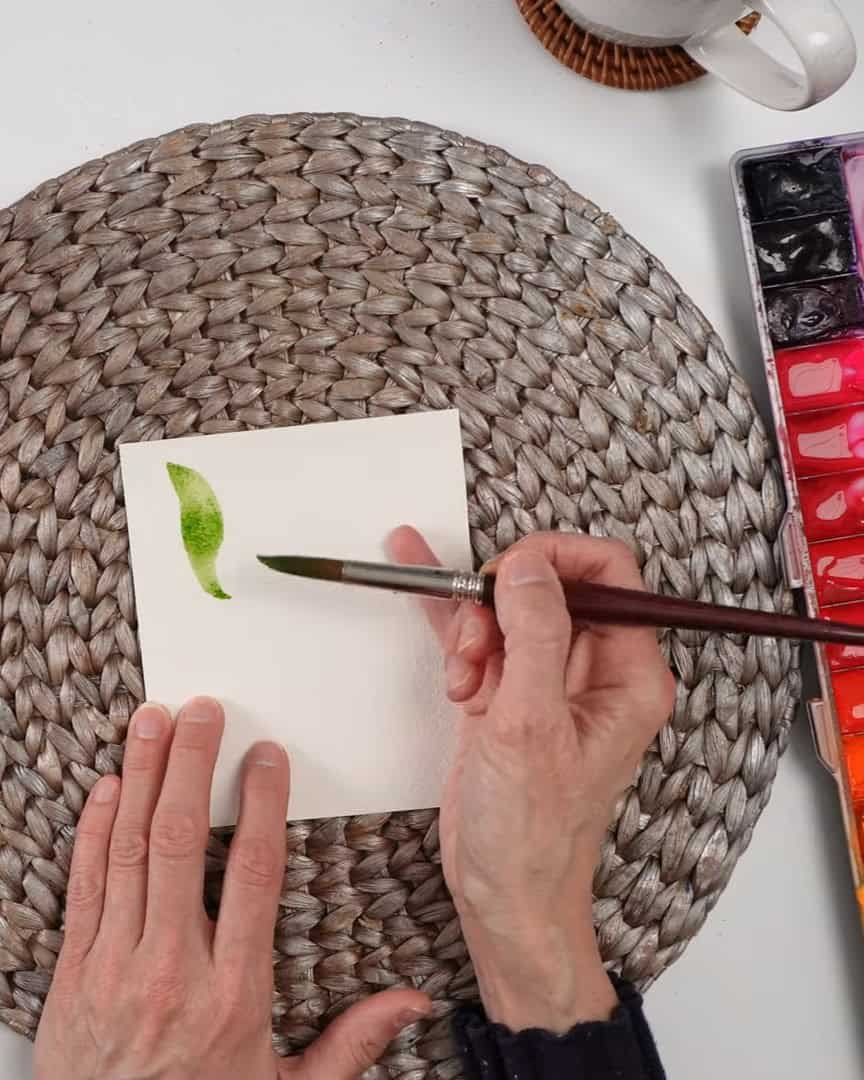
If a puddle forms while the paint is still wet, there’s no need for panic. The best way to fix it is to spread the water and pigment evenly across the entire area.
This prevents puddles from drying into unwanted spots.
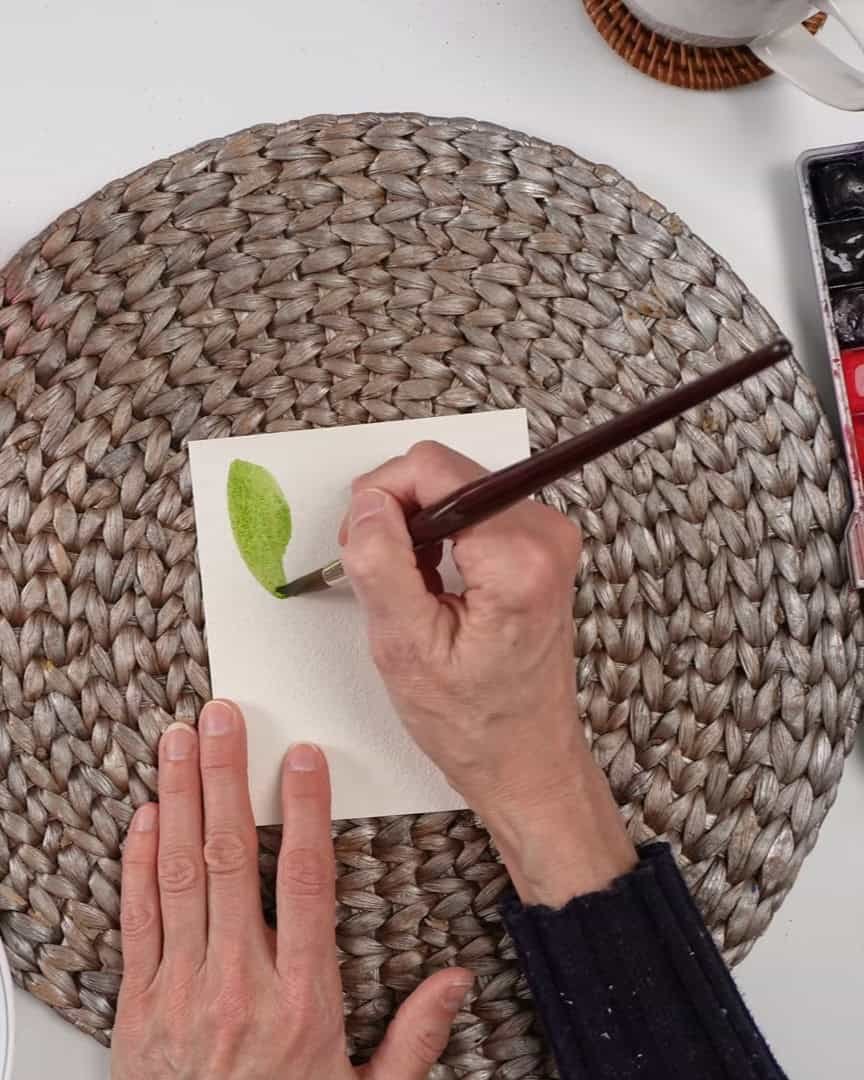
If needed, the artist also dabs with a paper towel and wipes the area gently. Then, excess water or pigment is lifted until the result looks right.
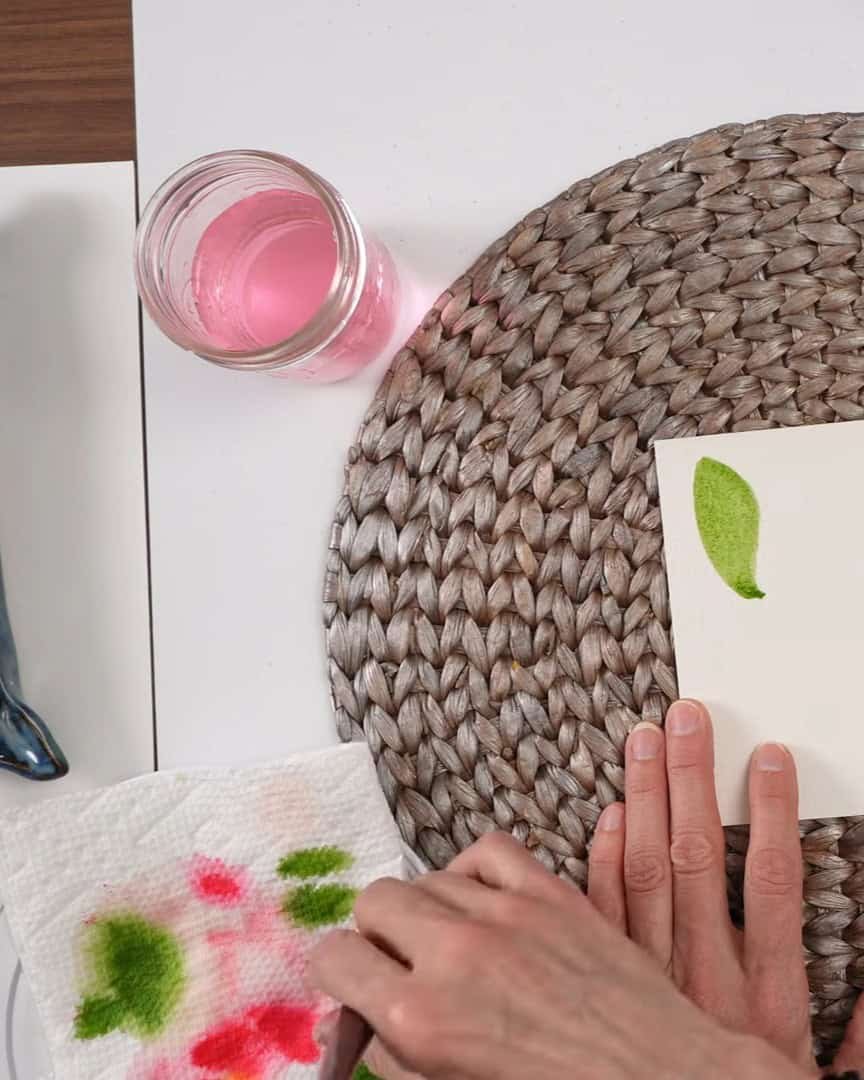
Taking time to fix these issues during painting keeps the work clean and smooth, rather than dealing with hard lines or blooms later.
#5. Not Using 100% Cotton Paper
Finally, here’s one significant factor that can drastically improve water control: the paper being used.
It’s often said—and true—that 100% cotton paper can solve many water control problems. The artist was slow to try it because a preferred non-cotton paper seemed to work well enough.
After reviewing different papers, the artist switched to using 100% cotton paper regularly. The difference was surprising.
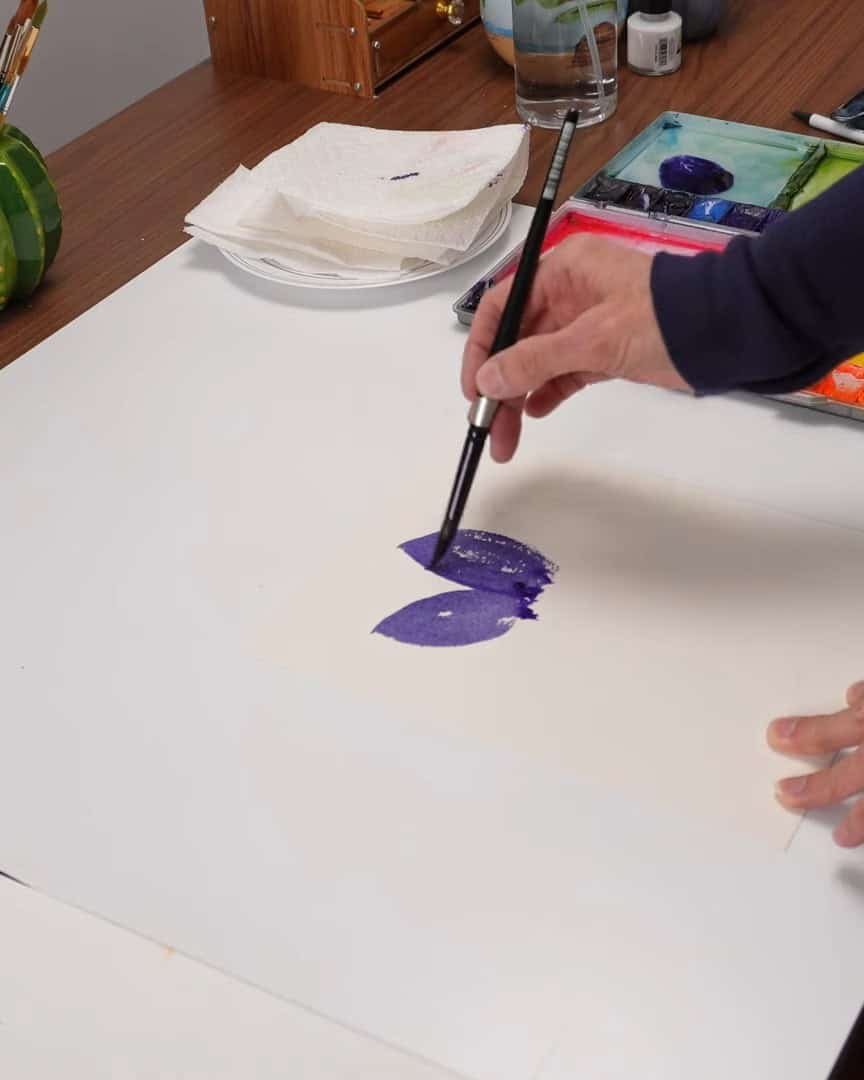
The pigment reacts far better with cotton. It handles water beautifully and makes controlling washes much easier.
It became clear that non-cotton paper wasn’t allowing the paints to reach their full potential. Using 100% cotton paper daily now makes the watercolor feel smoother, more responsive, and easier to manage.
If water control remains a struggle, 100% cotton paper might be the game-changer needed.
Final Thoughts
Hopefully, these five simple fixes will help regain control of watercolor water, just as they helped the artist.
Small changes in habits can make a big difference in how paintings turn out. Ready to put them into practice and see smoother results?
Keep experimenting, stay patient throughout the process, and most of all, enjoy learning and growing with every brushstroke.