
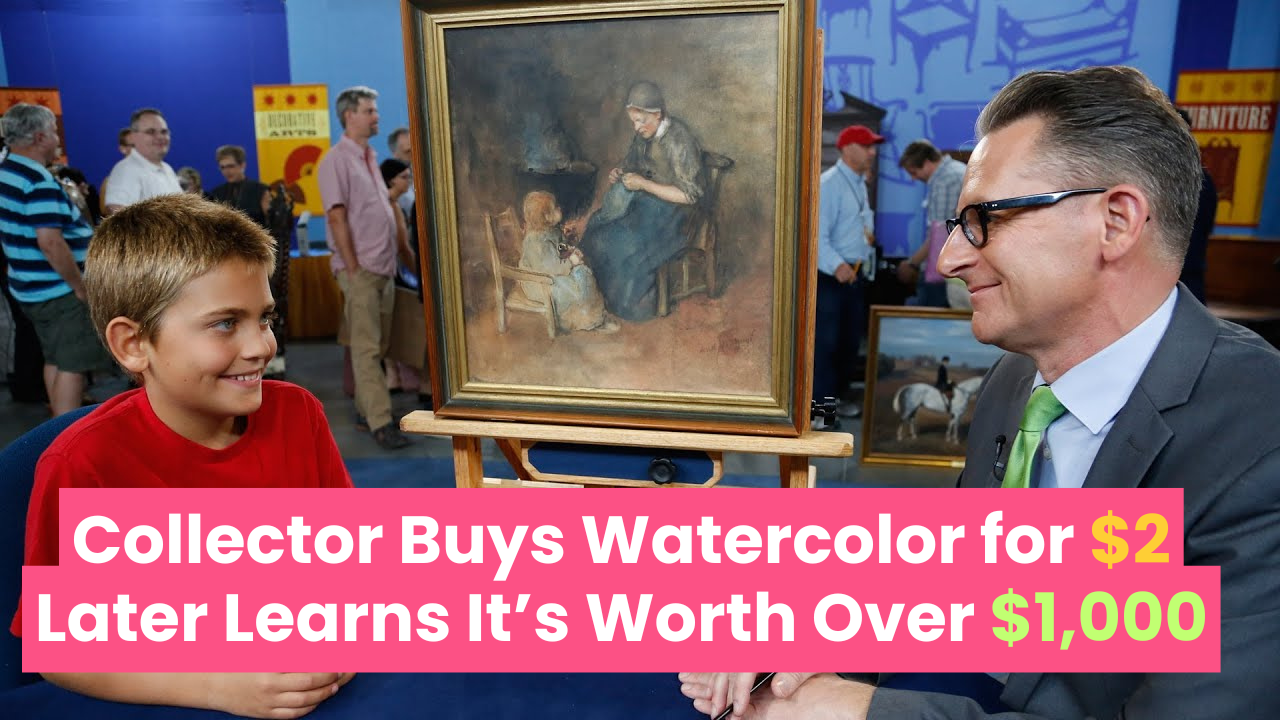
Finding hidden gems in art can feel tricky. Albert Neuhuys, a famous Dutch painter, created stunning watercolor works in the late 1800s. This post shares the story of a surprising discovery that turned out to be one of his paintings.
Keep reading to learn more about this unique find!
Contents
The Collector and Their Finds
The collector had a keen eye for hidden gems. They often spotted pieces by artists like Johannes Albert Neuhuys or others from the Hague School.
Interests in Collecting
This collector enjoys finding unique items like glass, sterling silver, and art. A large sterling silver tray was once discovered at a “junkie auction.” They carefully track market trends to decide when and where to sell.
Art also plays an important role in their collection. Pieces from the Hague School or artists like Johannes Albert Neuhuys appeal to them. Their love for fine craftsmanship makes these discoveries exciting.
Notable Discoveries
A collector often stumbles upon amazing finds. Some are unexpected, others come with a bit of luck.
- A large sterling silver tray was found at a “junkie auction.” Its value surprised many visitors at the event.
- A watercolor by Albert Neuhuys was bought for only $2 in South Jersey. It became one of the collector’s most talked-about pieces.
- Experts estimate the Neuhuys watercolor could sell for $1,000 to $1,500 at an upcoming auction.
- The same collector initially thought the artwork would be worth just $150, showing how collectors can underestimate hidden treasures in genre paintings.
- These discoveries highlight interest in artists like Jozef Israëls and those tied to the Laren School or Antwerp Academy classrooms long ago.
Artists may find inspiration in such unique stories of chance and creativity!
Selling Preferences
The collector lists finds online, watching market trends closely. Plans are set to sell silver in September because prices change often. They like timing the market for better profit.
The Albert Neuhuys watercolor purchase was just $2 at a South Jersey auction. Initial value guesses were low, around $150, but expert reviews raised hope to $1,000 or more. This patience shows how careful selling can pay off well.
The Discovery of the Watercolor
At an auction, a rare watercolor caught the collector’s eye. They weren’t sure of its origin but decided to take a chance.
Acquisition at Auction
The collector found the Albert Neuhuys watercolor at a South Jersey auction. It cost only $2. The artwork was covered with UV glass, making it hard to tell if it was a true watercolor.
This piece bore Neuhuys’ signature, linking it to Dutch art history. Artists like Jacob Maris and Jozef Israels were his contemporaries. Experts later guessed its value at $1,000 to $1,500 in today’s market.
Initial Uncertainty
The watercolor’s value puzzled the collector. They estimated it at $150, expecting a modest return. Experts later assessed it between $1,000 and $1,500 instead.
Its time period also added doubt. Created in the late 19th century, its worth remained unclear. The connection to Dutch painters like Anton Mauve and Matthijs Maris raised questions too.
Was it truly unique? Signed pieces often hold more value but still spark debate in art circles about market demand.
Confirmation of Authenticity
Experts identified the painting as a genuine Albert Neuhuys watercolor. His signature confirmed its origin, dating it to the late 19th century.
The detailed evaluation set its auction value between $1,000 and $1,500. This range reflects both its authenticity and connection to Dutch art history.
The Value of the Watercolor
Experts were surprised by its worth—this modest piece turned out to be a hidden treasure with a story to tell.
Modest Expectations vs. Expert Evaluation
The collector had modest hopes for the watercolor’s value. But an expert’s closer look revealed a pleasant surprise.
| Aspect | Details |
|---|---|
| Initial Value Estimate | $150 |
| Expert’s Evaluation | $1,000 to $1,500 |
| Artist | Albert Neuhuys (1844-1914) |
| Creation Period | Last quarter of the 19th century |
| Subject Style | Family scenes, similar to Bernard Pothast and Joseph Israel |
Albert Neuhuys’ signature played a key role in its value. His work, part of the Dutch genre painting tradition, caught the expert’s attention. This shift in expectations highlights the joy of discovering undervalued art.
Conclusion
Albert Neuhuys’ watercolor is a treasure with history. The piece shows the charm of Dutch family life from the 19th century. Despite doubts, it turned out to be rare and valuable art.
Its high appraisal amazed everyone involved. This find proves great art can still hide in plain sight!
FAQs
1. Who was Albert Neuhuys, and what is he known for?
Albert Neuhuys was a Dutch artist famous for his watercolor paintings. He often painted farmers and weavers in their daily lives, capturing simple yet beautiful moments.
2. What made Albert Neuhuys’s watercolors unique?
His watercolors stood out because of the way he painted satin clothes with soft light and detail. This gave his works an elegant and lifelike feel.
3. Did Albert Neuhuys receive any recognition during his career?
Yes, he received a royal stipend that supported his work as an artist. This helped him focus on creating detailed pieces like those inspired by Pieter de Hooch.
4. Was Albert Neuhuys connected to other artists or craftsmen?
Yes, he worked with lithographer Van de Weyer to reproduce some of his art in prints. This collaboration helped share his work with more people worldwide.